中 文
中 文
Dental PMMA in 2026: Why Europe & US Dentists Are Frustrated – And What Needs Fixing Now
2026-03-20
2026-05-27
As digital dentistry continues to evolve across Europe and North America, resin-based 3D printing has become an increasingly important part of dental laboratory workflows. Applications such as dental models, surgical guides, orthodontic appliances, splints, and temporary restorations now rely heavily on resin printing technologies.
However, one common question remains for many dental laboratories:
Should you choose LCD, DLP, or SLA dental 3D printing?
Although these technologies all belong to the category of resin printer for dental applications, their printing mechanisms, workflow efficiency, maintenance requirements, and suitable use cases differ significantly.
Understanding these differences can help dental laboratories select equipment that better fits daily production needs.
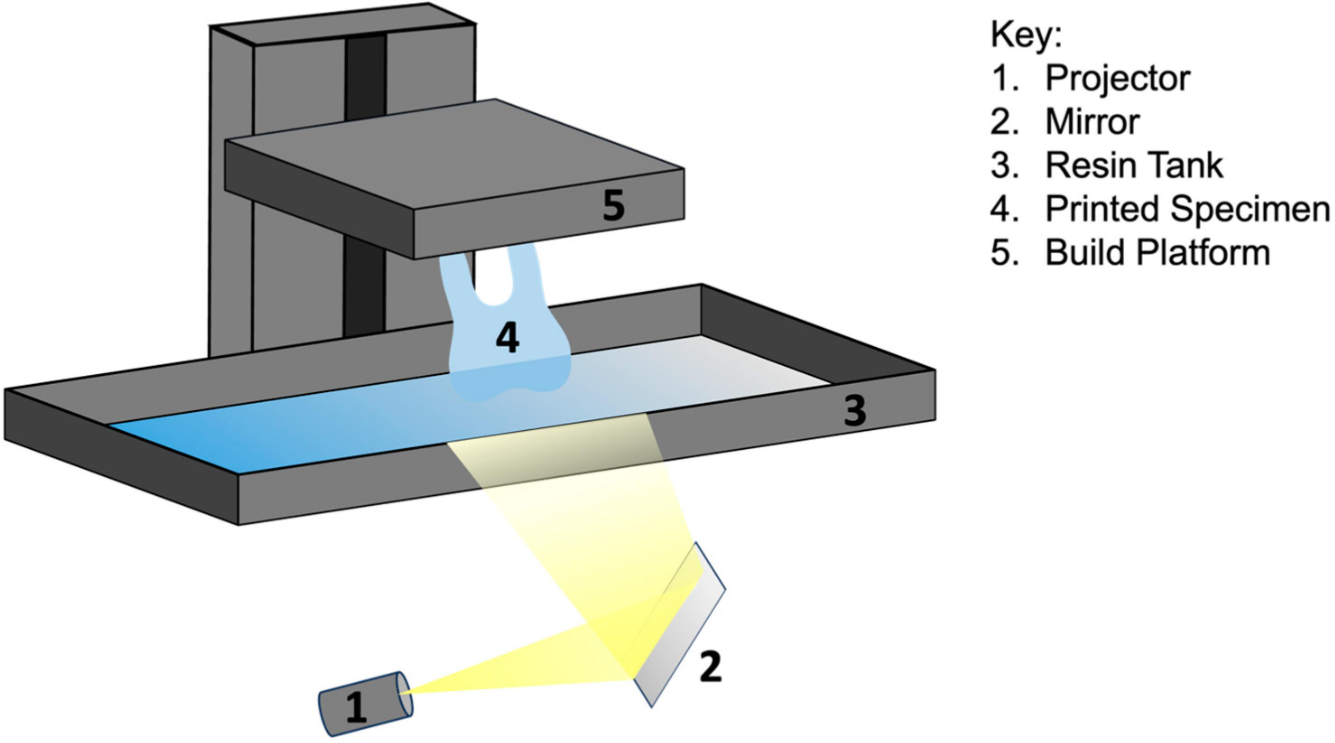
LCD (Liquid Crystal Display) printing uses an LCD screen to mask UV light and cure photosensitive resin layer by layer.
In dental applications, LCD printing typically relies on:
Modern dental LCD printers increasingly adopt 8K display systems, often supporting resolutions such as 7680 × 4320 pixels, helping improve fine detail reproduction.
LCD screens are consumable components and may require periodic replacement after prolonged usage.
For highly detailed restorations, print quality may depend heavily on screen resolution and XY precision.
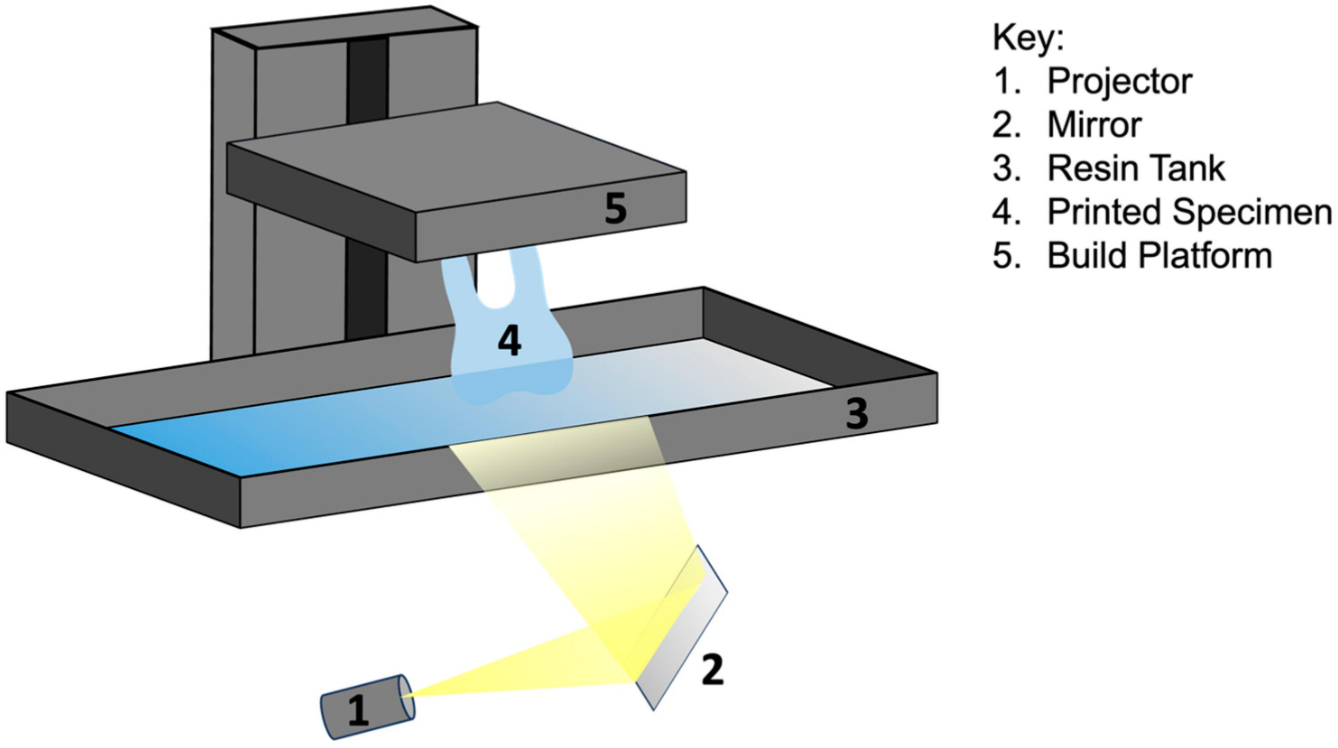
DLP (Digital Light Processing) technology uses a digital projector to cure resin.
Unlike LCD systems, DLP projects an entire image onto the build platform using optical projection technology.
This often enables:
DLP is commonly selected for:
Because projection systems cure complete layers simultaneously, DLP printers may support efficient production in certain dental workflows.
Projection-based systems may experience edge distortion depending on optical configuration.
Additionally, equipment cost is often higher than entry-level LCD systems.
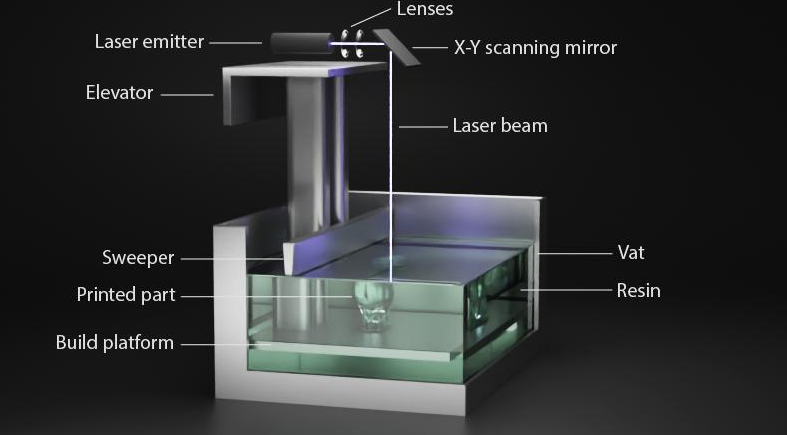
SLA (Stereolithography) printing uses a laser beam to selectively cure resin point by point.
Instead of exposing an entire layer at once, SLA technology traces the geometry of each layer.
This process allows:
SLA is often associated with:
Because resin is cured point-by-point, printing speed may be slower than LCD or DLP systems for batch production.
This may limit efficiency in high-volume laboratory environments.
For laboratories processing large numbers of dental models daily, LCD dental 3D printing is often preferred due to its balance between production efficiency and detail accuracy.
Features commonly evaluated include:
For implant surgical guides requiring stable positioning accuracy, many laboratories prioritize dimensional consistency and edge precision.
Both DLP and high-resolution LCD systems are commonly considered.
Temporary crowns and bridges often require smooth surfaces and accurate margins.
Material compatibility and post-processing stability usually become key considerations regardless of printing technology.
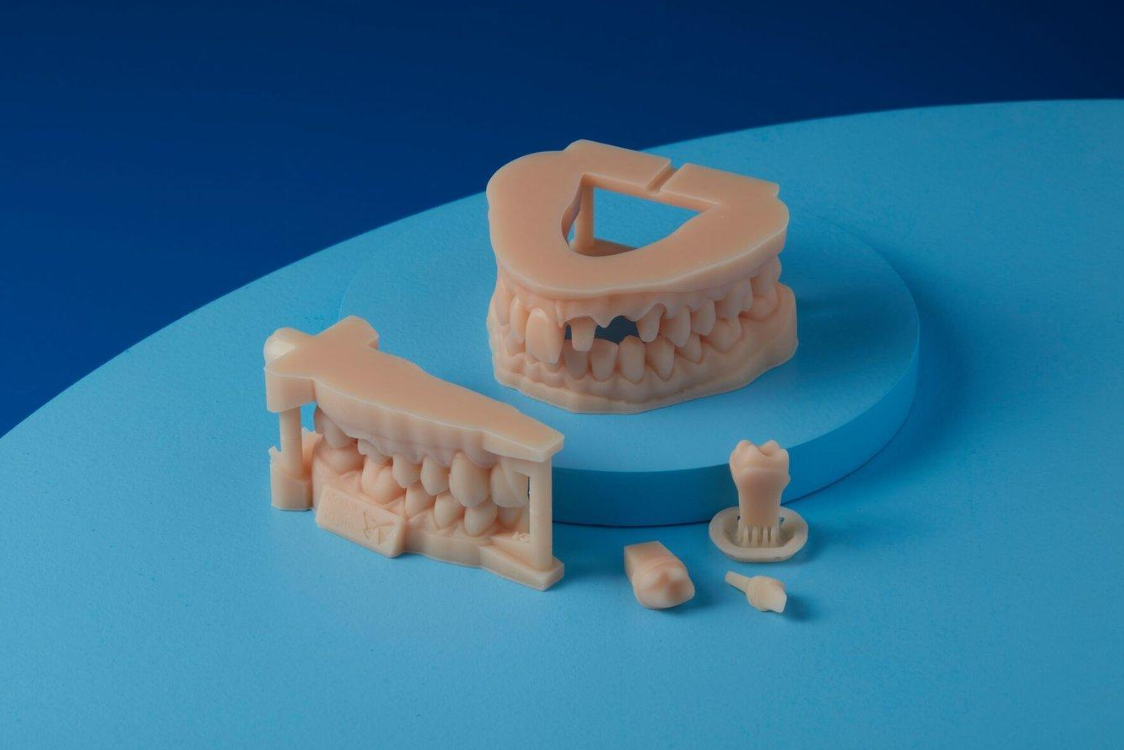
Dental applications require fine details, especially for:
Parameters such as XY accuracy around 29 μm and high-resolution systems are often considered relevant for detailed workflows.
High-volume laboratories may prioritize:
Most dental laboratories prefer systems compatible with 405 nm dental resin materials, allowing integration into existing workflows.
Different technologies involve different maintenance needs:
Evaluating long-term operational cost is equally important.
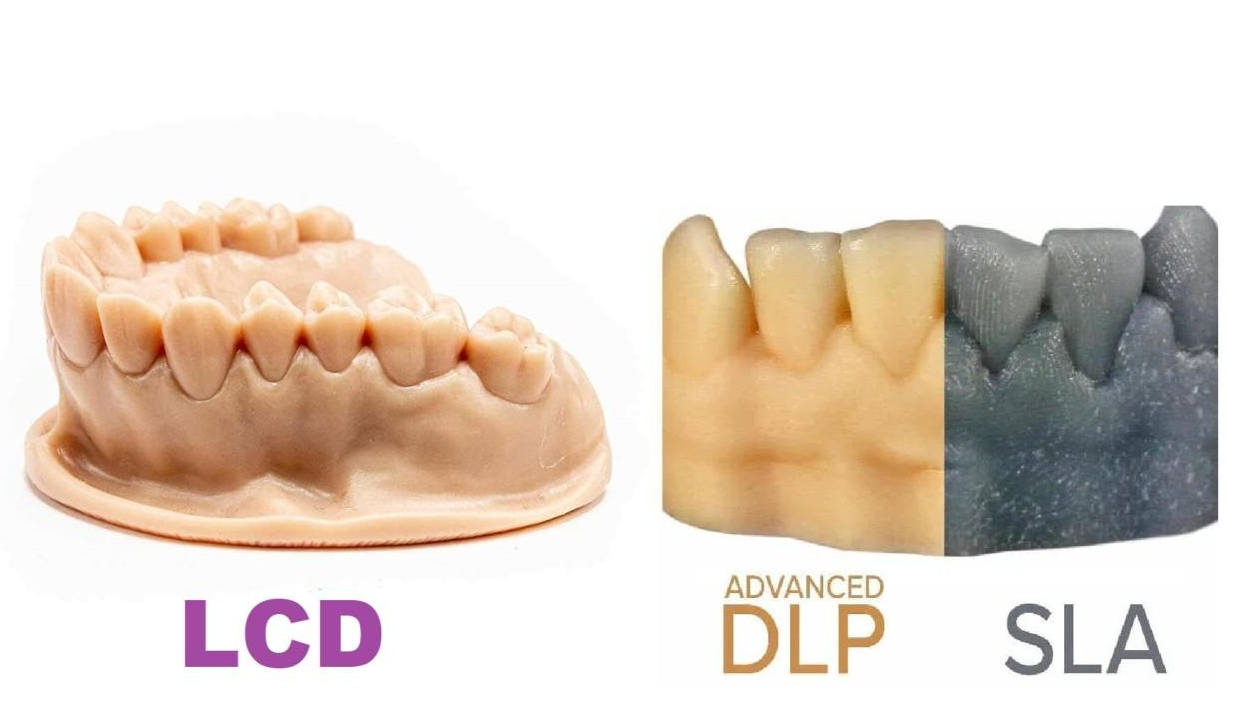
There is no universal answer when comparing LCD vs DLP vs SLA dental printing.
The ideal choice often depends on:
LCD systems are often selected for digital workflows involving frequent model production.
DLP and SLA technologies may be preferred in applications requiring refined dimensional accuracy.
Modern high-resolution LCD systems increasingly provide a balance between precision, production volume, and workflow compatibility.
LCD, DLP, and SLA technologies all play important roles in modern digital dentistry.
Rather than focusing only on printing technology itself, dental laboratories increasingly evaluate practical factors such as accuracy, workflow compatibility, maintenance, material support, and production needs.
Choosing the right resin printer for dental applications ultimately depends on how well the system matches a laboratory’s clinical focus and daily workflow.

Dry & wet milling for zirconia, PMMA, wax with auto tool changer.
learn more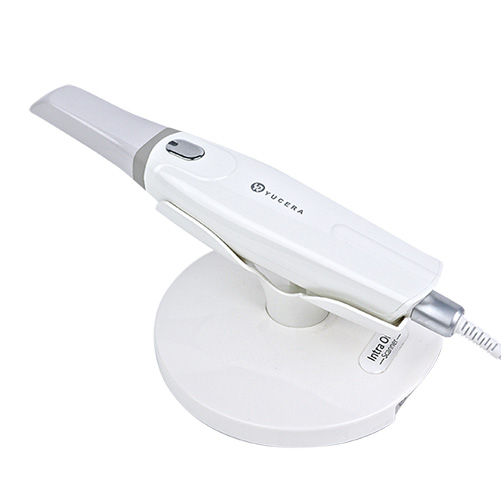
High-precision 3D scanning, AI calibration, full-arch accuracy.
learn more
40-min full sintering with 57% incisal translucency and 1050 MPa strength.
learn more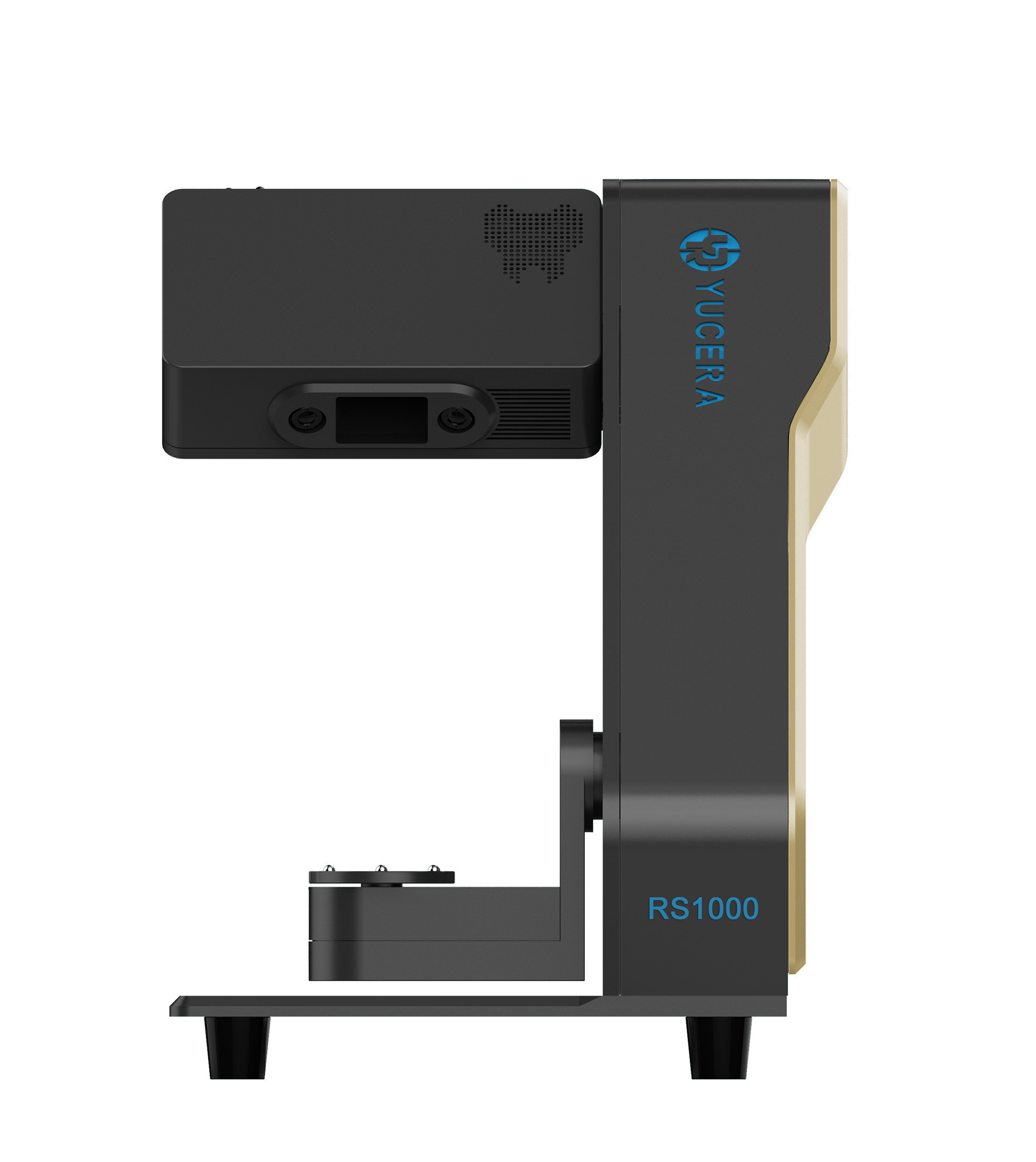
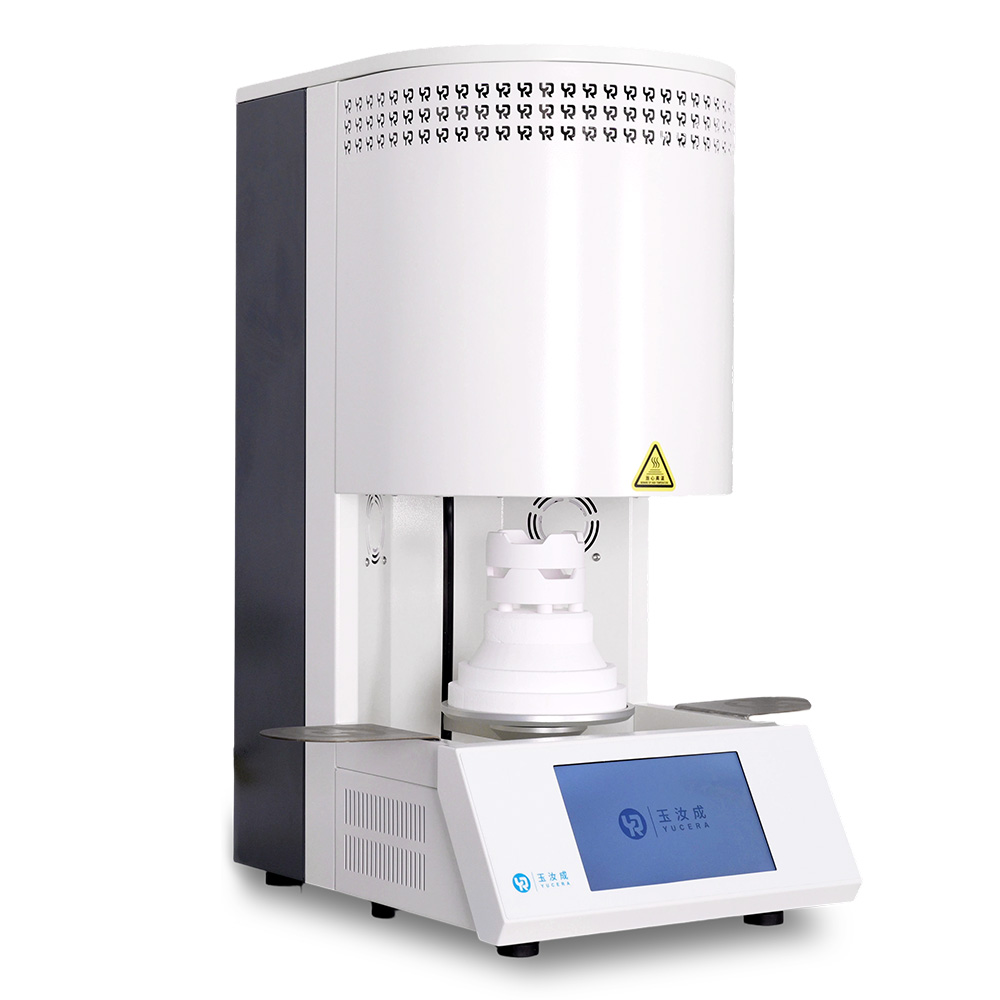
40-min cycle for 60 crowns, dual-layer crucible and 200°C/min heating.
learn more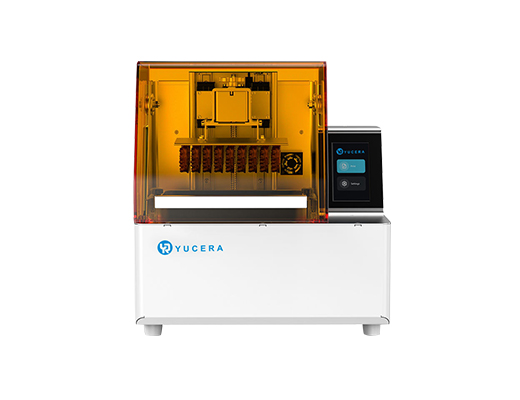
High-speed LCD printer for guides, temporaries, models with 8K resolution.
learn more