中 文
中 文
Zirconia and Composite Materials: Best Practices for Desktop Scanners in Eastern European Dentistry
2026-01-25
2026-06-14
Choosing the right dental crown material is an important decision in modern restorative dentistry. Patients today have multiple options, including metal-based crowns, porcelain-fused-to-metal (PFM) crowns, lithium disilicate ceramics, and zirconia-based restorations.
Among these materials, Zirconia (zirconium dioxide) has become one of the most widely used due to its excellent balance of strength, durability, and aesthetics.
But is zirconia always the best choice? And when should patients or dentists consider other materials instead? This guide provides a clear comparison to help understand the ideal indications for zirconia dental crowns.
The most commonly used dental crown materials include:
Each material has its own strengths depending on the clinical situation.
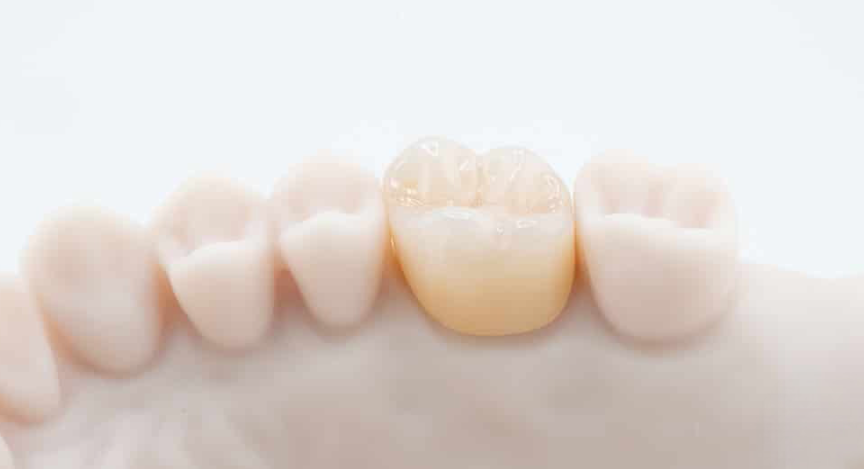
Zirconia is a high-performance ceramic known for its:
These properties make zirconia especially suitable for long-term restorations in both anterior and posterior regions.
| Material | Strength | Aesthetics | Best Use Case | Limitations |
|---|---|---|---|---|
| Metal crowns | Very high | Low | Posterior heavy load cases | Poor aesthetics |
| PFM crowns | High | Moderate | General restorations | Possible gum discoloration |
| Lithium disilicate | Moderate | Very high | Anterior veneers & crowns | Not ideal for bridges |
| Zirconia crowns | High to very high | High (modern multilayer) | Universal use (anterior & posterior) | Requires proper polishing for wear control |
Zirconia dental crowns are often the preferred option in the following cases:
Molars and premolars experience strong chewing forces. Zirconia provides excellent resistance to fracture in these high-load areas.
For bridges involving multiple missing teeth, zirconia offers structural stability and long-term durability.
Patients with high bite force or night grinding benefit from zirconia’s superior strength.
Zirconia is widely used for implant restorations due to its strength and biocompatibility.
High-translucency multilayer zirconia allows natural-looking results even in anterior teeth in selected cases.
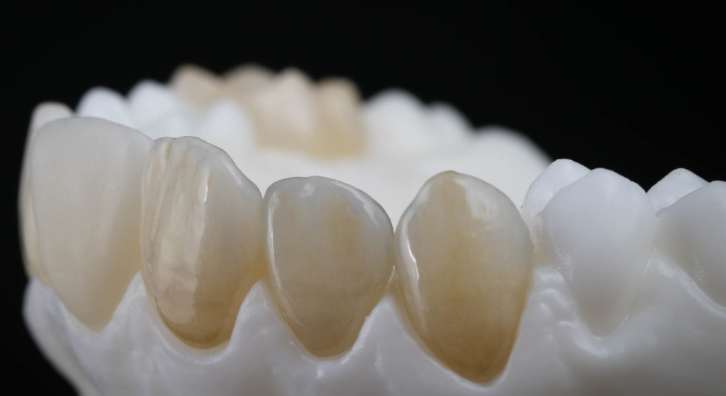
Although zirconia is highly versatile, other materials may be preferred in certain situations:
In these cases, glass-ceramic materials may offer superior optical properties.
Zirconia has become one of the most important materials in modern dental restorations due to its combination of strength, durability, and improved aesthetics. However, the best material always depends on the clinical situation, including tooth position, bite force, and aesthetic requirements. Understanding when to choose zirconia helps ensure long-lasting, functional, and natural-looking dental restorations.

Dry & wet milling for zirconia, PMMA, wax with auto tool changer.
learn more
High-precision 3D scanning, AI calibration, full-arch accuracy.
learn more
40-min full sintering with 57% incisal translucency and 1050 MPa strength.
learn more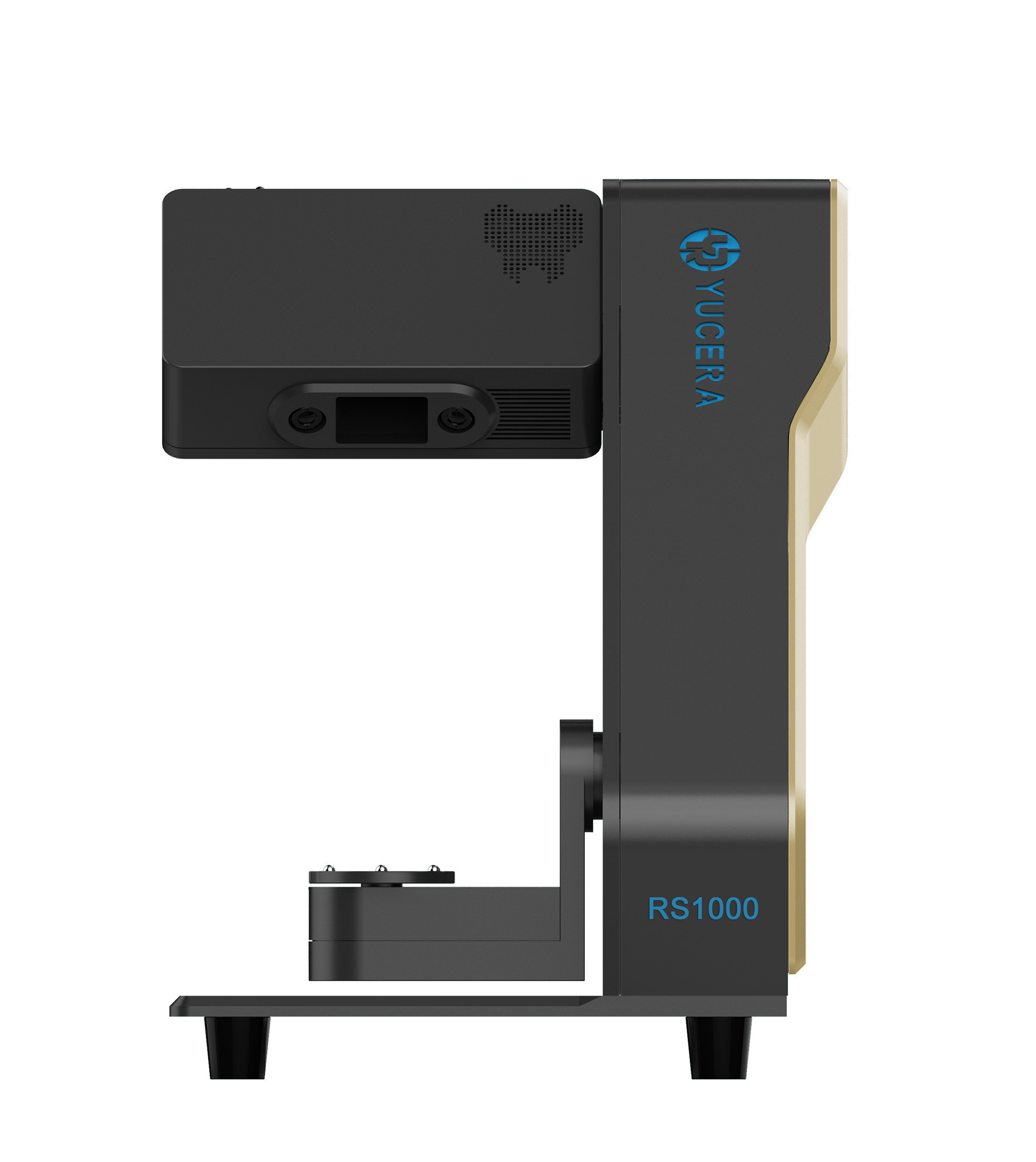
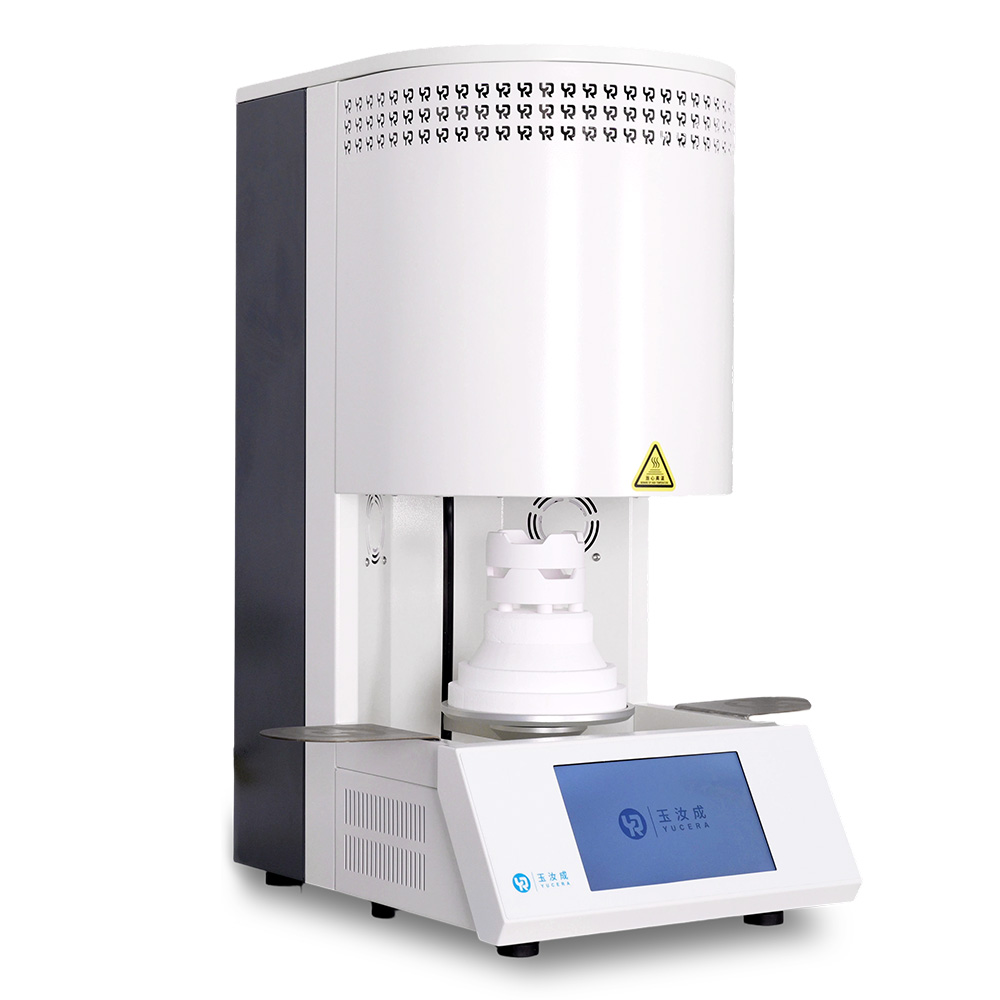
40-min cycle for 60 crowns, dual-layer crucible and 200°C/min heating.
learn more
High-speed LCD printer for guides, temporaries, models with 8K resolution.
learn more