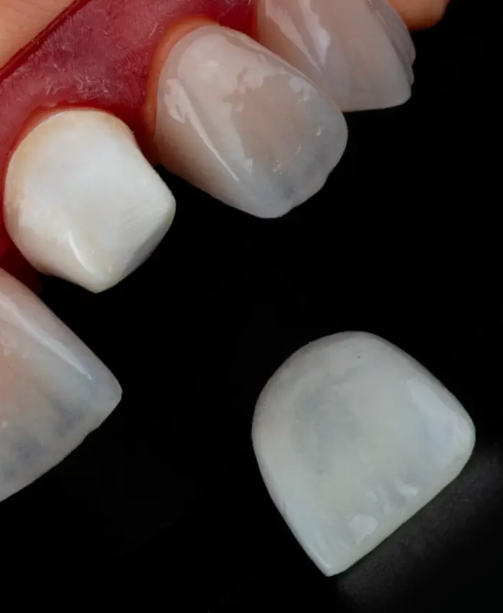
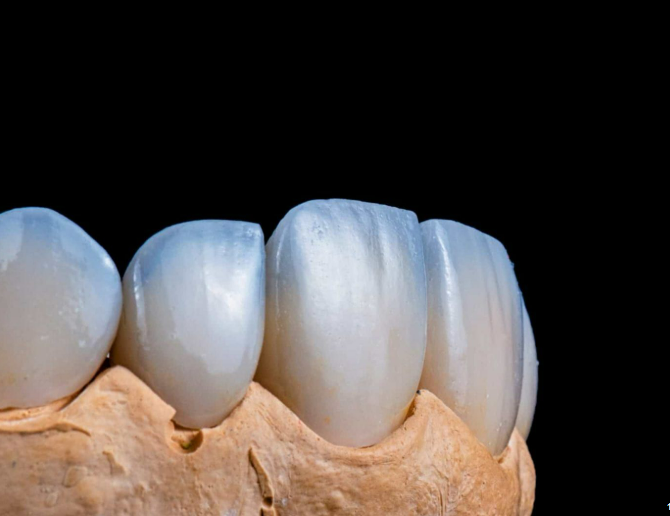
In 2026, Dutch dental laboratories—particularly in Amsterdam, Rotterdam, Utrecht, and The Hague—rely heavily on CAD/CAM milling of glass ceramic, mainly lithium disilicate, for anterior crowns, veneers, inlays, onlays, and premolar restorations. With high intraoral scanner adoption and demand for precise, aesthetic, minimally invasive work, optimizing milling parameters is essential. Proper settings reduce chipping, improve marginal fit (target <100–150 μm), minimize surface roughness, extend tool life, and shorten production time while maintaining clinical reliability.
Lithium disilicate glass ceramic mills in its pre-crystallized (metasilicate) state using wet milling with diamond-coated burs and continuous water coolant to prevent heat-induced micro-cracks. Post-milling crystallization enhances strength (typically 360–500 MPa) and aesthetics. Dutch labs benefit from open-architecture systems and hybrid workflows integrating 3D printing for models/guides, but milling optimization remains key to quality and efficiency.
Dutch Dental Lab Context in 2026
The Netherlands' digital dentistry sector grows steadily, with CAD/CAM penetration exceeding 70% in private labs and clinics. Aesthetic demand drives glass ceramic use for visible zones, supported by supplementary insurance covering premium restorations. Urban labs in Amsterdam and Rotterdam handle high volumes of cosmetic cases, while Utrecht focuses on integrated restorative/implant work. Sustainability priorities favor low-waste processes and durable materials.
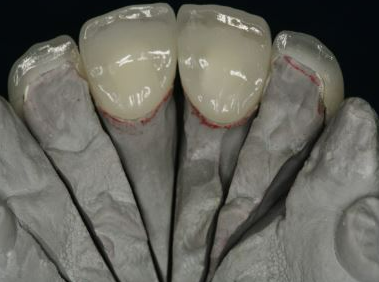
Key challenges include edge chipping during milling (especially on thin sections like veneers), bur wear from hard milling, and achieving smooth surfaces for reduced polishing time. Optimized parameters address these, ensuring marginal gaps below clinically acceptable limits (150 μm) and survival rates >95–98% long-term.
Core Milling Parameters to Optimize
-
Spindle Speed (RPM) Spindle speed controls cutting efficiency and heat generation. For lithium disilicate, optimal ranges are 30,000–60,000 RPM, with many systems performing best at 40,000–50,000 RPM. Higher speeds (e.g., 40,000 RPM combined with adjusted feed) yield smoother surfaces (Ra often <1.6–2.0 μm) and shorter milling times. Lower speeds risk excessive forces and chipping; excessively high speeds without balanced feed can cause polishing rather than cutting. In Dutch 4- or 5-axis machines, 40,000 RPM frequently provides the best balance for finishing stages.
-
Feed Rate (mm/min or mm/tooth) Feed rate determines material removal per revolution. For glass ceramic, effective rates range from 2–3 mm/min in conservative settings to 3,000–3,500 mm/min in optimized fast modes. A combination of 40,000 RPM spindle speed and 3,500 mm/min feed often achieves shortest milling duration with improved roughness. Slower feeds (e.g., 2–2.5 mm/min) suit fine detailing on thin veneers to minimize chipping; higher feeds accelerate production for high-volume labs but require robust coolant and sharp burs.
-
Depth of Cut and Stepover Depth of cut per pass should stay 0.4–0.8 mm to avoid overload. Stepover (lateral overlap) of 40–60% ensures even removal. Multi-step strategies—roughing (higher depth/feed), semi-finishing, and extra-fine finishing—improve adaptation. Extra-fine protocols reduce axial wall discrepancies significantly.
-
Coolant and Wet Milling Continuous water cooling is mandatory for hard-milling glass ceramic to dissipate heat and flush debris. Adequate flow prevents thermal cracks and maintains tool sharpness. Dry milling is unsuitable and increases failure risk.
-
Tool Selection and Strategy Use diamond-coated carbide burs (grit 106–125 μm for roughing, finer for finishing). Multi-bur strategies (rough, intermediate, fine/extra-fine) reduce time and wear. 5-axis machines outperform 3-axis for complex geometries, delivering better marginal fit. Toolpath optimization (e.g., trochoidal or adaptive) minimizes vibration.

Step-by-Step Optimization Guide for Dutch Labs
-
Preparation: Ensure blocks are securely clamped. Calibrate machine axes and verify coolant system. Use manufacturer-recommended strategies in CAM software.
-
Roughing Phase: Higher feed/depth (e.g., 0.6–0.8 mm depth, moderate feed) with 30,000–40,000 RPM for bulk removal. Prioritize speed while monitoring vibration.
-
Finishing Phase: Switch to extra-fine mode: 40,000–50,000 RPM, feed 3,000–3,500 mm/min, reduced stepover. This yields superior surface quality and fit, especially axially.
-
Testing and Adjustment: Mill test restorations (e.g., single crowns). Measure marginal/internal gaps via replica technique or scanner. Adjust RPM/feed if chipping occurs (lower feed) or roughness is high (increase RPM/balance feed).
-
Bur Maintenance: Track bur wear—extra-fine milling increases wear ~30%. Replace proactively to maintain fit. Studies show worn burs degrade adaptation.
-
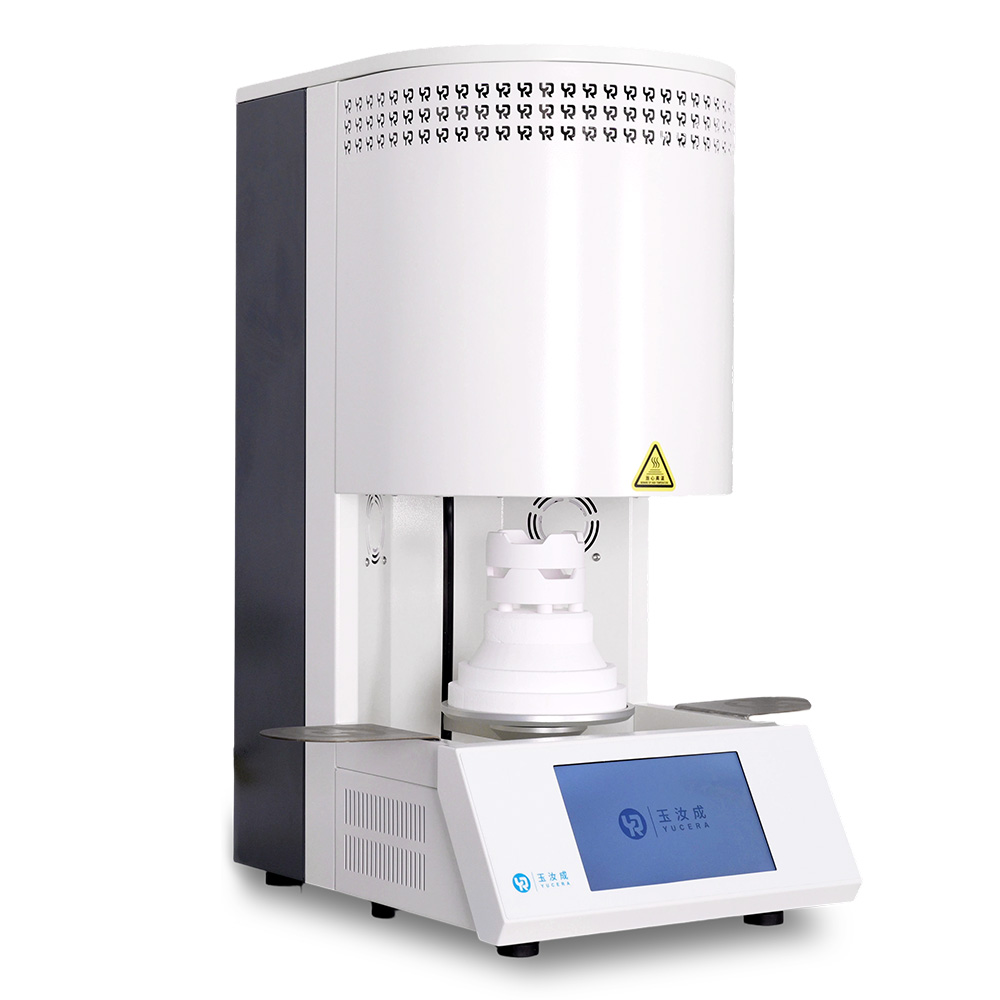
Post-Processing: Crystallize per protocol (e.g., 815–860°C depending on translucency). Polish minimally due to optimized milling smoothness.
Benefits of Optimized Parameters
Optimized settings deliver:
-
Marginal gaps often 87–146 μm (well below 150 μm clinical threshold).
-
Reduced chipping and edge damage.
-
Smoother surfaces requiring less manual finishing.
-
Shorter milling times (e.g., 4–15 minutes per unit).
-
Extended bur life and lower costs.
-
Higher predictability for anterior aesthetics in Dutch cosmetic cases.
Resin composites may show better internal fit in some comparisons, but glass ceramic excels optically when milled precisely.
Common Challenges and Solutions
-
Chipping: Reduce feed rate, ensure coolant, use extra-fine strategy.
-
Heat Damage: Verify coolant flow; avoid dry attempts.
-
Bur Wear: Monitor and replace; extra-fine increases wear but improves quality.
-
Fit Variations: Prefer 5-axis over 3-axis; calibrate regularly.
-
Time vs. Quality: Fast modes suit high-volume Rotterdam labs; fine modes for precision Utrecht cases.
Future Trends in Dutch Labs (2026+)
AI-assisted parameter suggestions and hybrid milling/printing workflows will refine optimization. European growth (CAGR ~8–10%) supports investment in high-RPM spindles (up to 100,000 RPM) for faster, smoother processing.
Conclusion
Optimizing CAD/CAM milling parameters for glass ceramic in Dutch dental labs—focusing on 30,000–60,000 RPM spindle speeds, balanced feed rates (up to 3,500 mm/min), wet cooling, and multi-step strategies—ensures superior marginal fit, minimal chipping, and efficient production. Labs in Amsterdam, Rotterdam, Utrecht, and beyond achieve reliable, aesthetic restorations that meet rising patient expectations and clinical standards. Regular calibration, bur management, and parameter testing keep outcomes consistent. As digital dentistry advances in the Netherlands, precise milling of lithium disilicate remains central to delivering natural, durable anterior/premolar work—driving lab competitiveness and patient satisfaction in 2026.