中 文
中 文
Why Understanding Dental Materials Is Crucial For Every Dentist
2025-04-13
2026-04-26
3D printing has transformed dental laboratories across the United States, enabling faster production of models, surgical guides, aligners, and restorations. However, many labs still struggle with printing inconsistencies that lead to dimensional errors, poor fit, increased remakes, and frustrated clinicians. Transitioning from reactive error-fixing to proactive process standardization is the key path forward for reliable, high-quality output.
The adoption of 3D printing in dentistry continues to grow rapidly. North America holds a significant share of the global market, with dental laboratories leading implementation for high-volume production. Studies show that mean deviations in 3D printed full-arch dental models can range from as low as 3.3 μm to over 500 μm, depending on technology, settings, and materials. While many prints fall within clinically acceptable ranges (often under 100–200 μm for many applications), variability remains a major pain point.
Common issues include warping, delamination, layer inaccuracies, and dimensional drift that cause crowns to seat poorly, implant analogs to fit loosely, or surgical guides to misalign. These problems drive up remake rates, waste materials, and extend turnaround times—directly impacting lab profitability and client satisfaction.
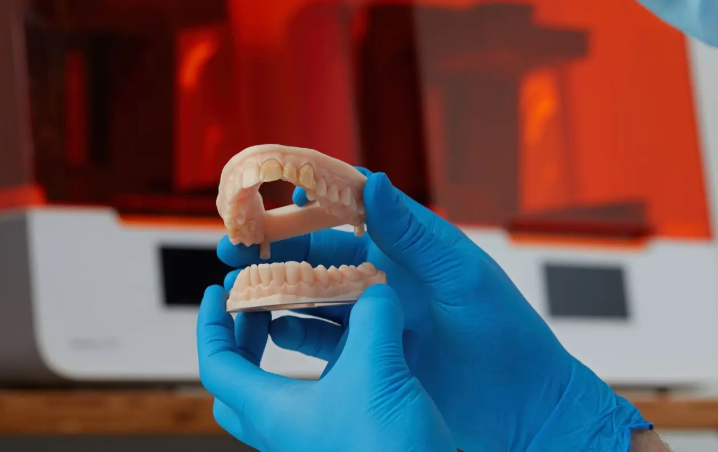
Most failures trace back to a few controllable factors:
Research highlights that printing orientation, layer thickness, base design, and post-processing parameters significantly influence outcomes. SLA and DLP technologies generally deliver higher accuracy for full-arch models compared to some alternatives, but consistency requires disciplined execution.
Consistent results start with equipment reliability. Leading US labs establish daily or weekly calibration checklists:
Preventive maintenance schedules reduce failures dramatically. Simple routines like checking resin levels and cleaning optics can prevent many issues that otherwise require reprinting entire cases.
Inconsistent inputs produce inconsistent outputs. Implement these protocols:
One reported case showed a nearly 47% reduction in failed prints after introducing mandatory file validation steps. Pre-print simulation in slicing software can further catch potential problems.
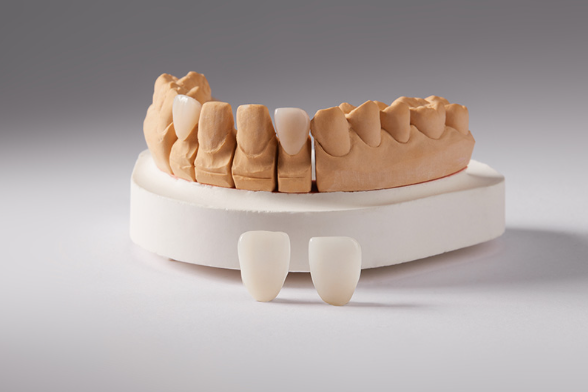
Dimensional accuracy testing—comparing printed models to the original scan via superimposition—helps quantify trueness and precision over time.
Post-processing is often the weakest link. Inconsistent washing times, solvents, or UV curing lead to variable shrinkage, residual monomers, or weakened mechanical properties.
Best practices include:
Proper post-processing not only improves accuracy but also ensures biocompatibility and long-term stability of printed parts.
The ultimate goal is end-to-end standardization:
Labs that adopt these measures report more predictable outcomes, fewer clinical adjustments, and stronger relationships with dentists. Regulatory considerations, such as following manufacturer instructions for FDA-cleared materials and maintaining proper documentation, further support standardized approaches.
Aim for clinically relevant benchmarks. Many applications tolerate deviations under 100–150 μm, but prosthodontic and implant workflows often demand tighter tolerances. Regular benchmarking against ISO-inspired accuracy testing methods helps labs quantify progress.
Start small: Pilot standardized protocols on high-volume items like diagnostic models before expanding to surgical guides and restorations. Invest in staff training and gradual process documentation. Over time, reduced waste and remakes deliver strong ROI.
Moving from repeated printing errors to robust, standardized workflows is not a one-time project but an ongoing commitment to precision and process discipline. US dental labs that embrace calibration routines, validated parameters, rigorous quality control, and documented SOPs achieve higher consistency, lower costs, and better clinical results.

Dry & wet milling for zirconia, PMMA, wax with auto tool changer.
learn more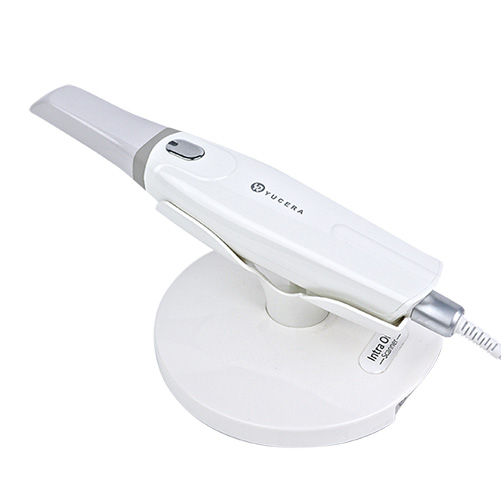
High-precision 3D scanning, AI calibration, full-arch accuracy.
learn more
40-min full sintering with 57% incisal translucency and 1050 MPa strength.
learn more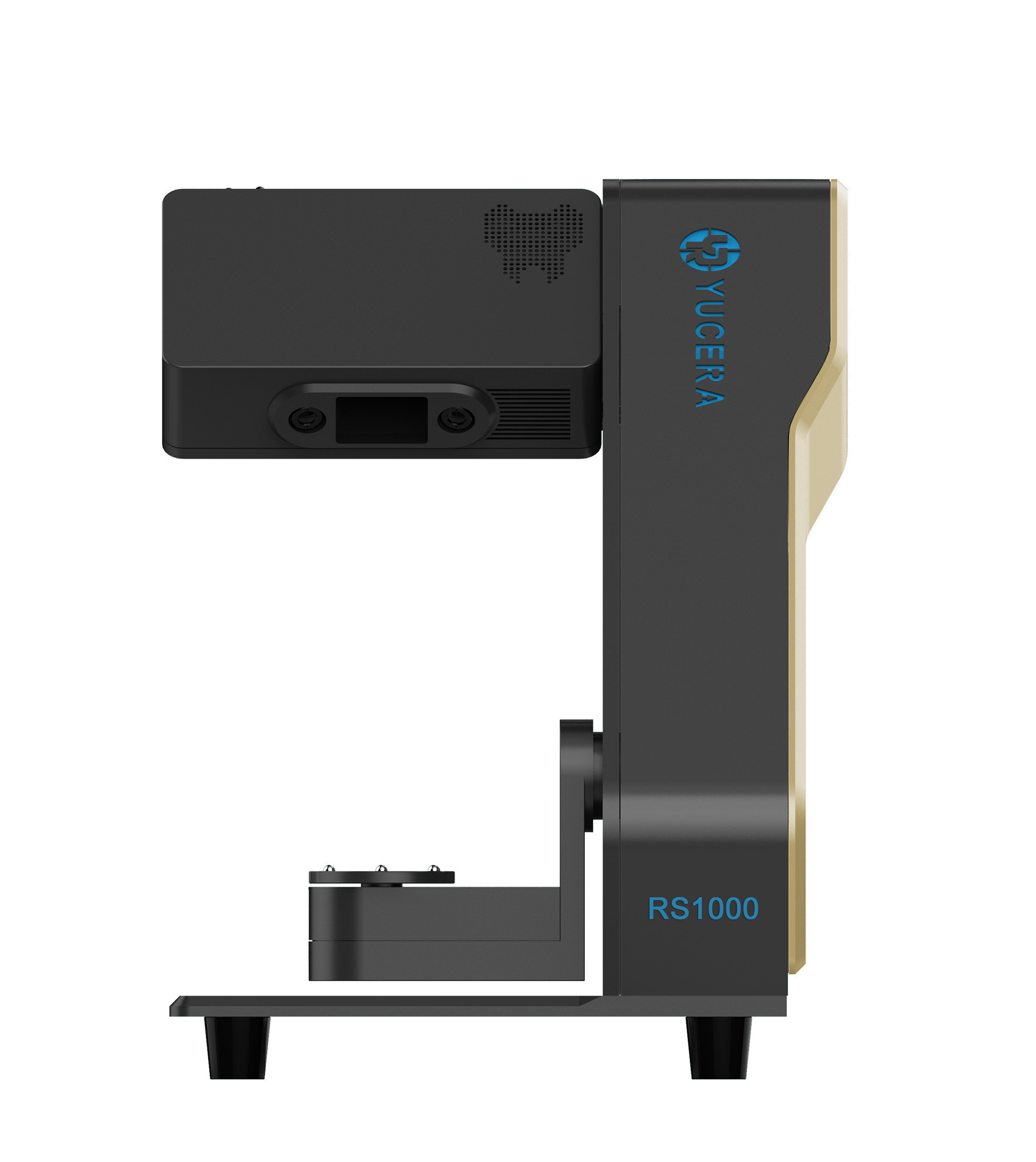
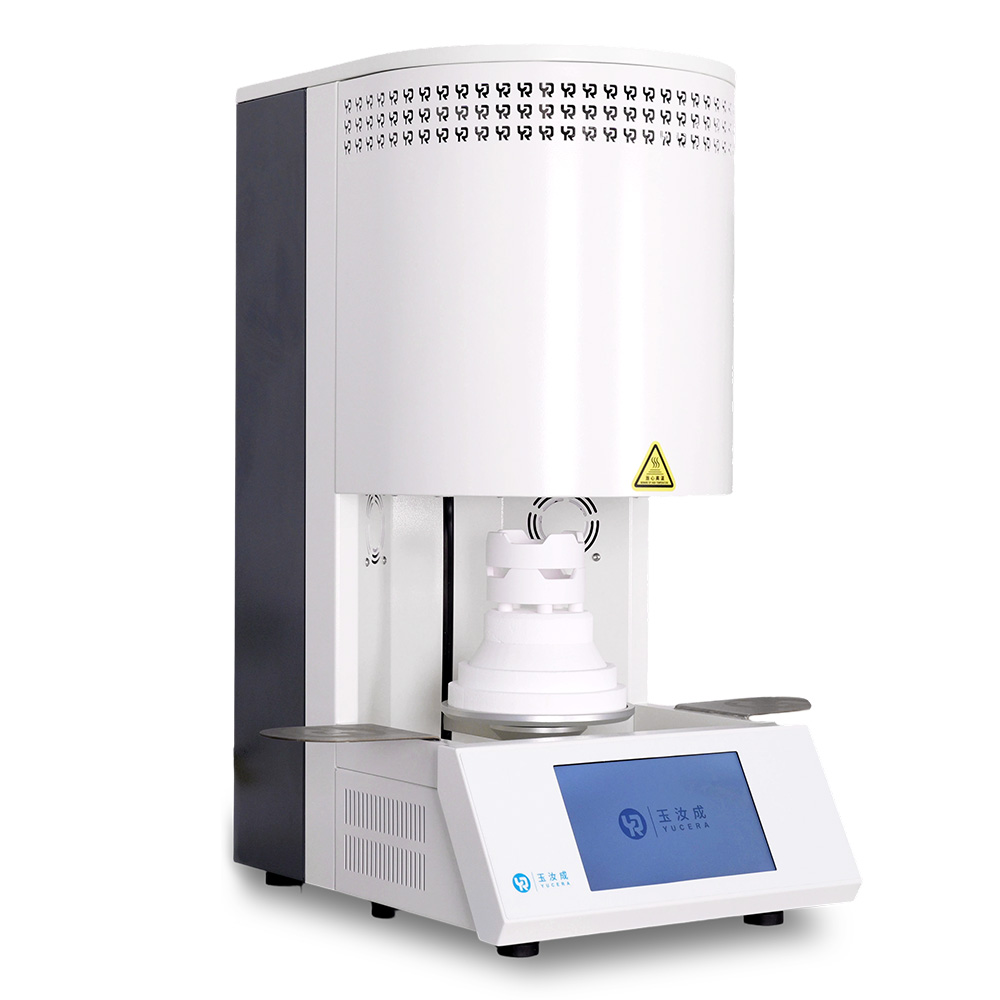
40-min cycle for 60 crowns, dual-layer crucible and 200°C/min heating.
learn more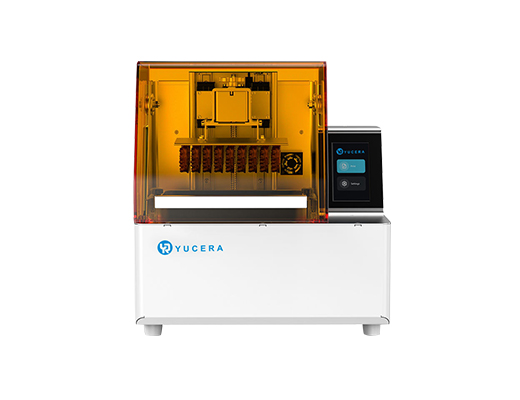
High-speed LCD printer for guides, temporaries, models with 8K resolution.
learn more