中 文
中 文

How Digital Technology Is Changing the Future of Dental Laboratories
2026-08-05
2026-06-17
As zirconia has become one of the most widely used materials in modern dental restorations, dental laboratories are continually looking for ways to improve sintering accuracy and reduce restoration distortion.
While much attention is often given to zirconia blocks, milling machines, and sintering furnaces, one small but important material is frequently overlooked: sintering paste.
For laboratories producing full-arch restorations, long-span bridges, and implant-supported prostheses, sintering paste can play a valuable role in achieving more predictable sintering results.
In this article, we explore what sintering paste is, how it works, and why it has become an important part of many zirconia processing workflows.
Sintering paste is a high-temperature support material used during the zirconia sintering process.
It is typically composed of refractory ceramic materials that can withstand temperatures exceeding 1,500°C without deformation.
The paste is applied to a sintering tray before placing pre-sintered zirconia restorations on its surface.
Unlike sintering beads, which provide point-contact support, sintering paste creates a continuous support surface beneath the restoration.
This support helps maintain stability throughout the sintering cycle, particularly for large or complex restorations.
To understand the importance of sintering paste, it is helpful to first understand what happens during zirconia sintering.
During the sintering process, zirconia undergoes significant densification and shrinkage. Depending on the material and firing protocol, volumetric shrinkage can reach approximately 20–25%.
As the restoration shrinks and densifies under high temperatures, gravitational forces and uneven support can contribute to:
The risk becomes greater as restoration size increases.
This is particularly important for:
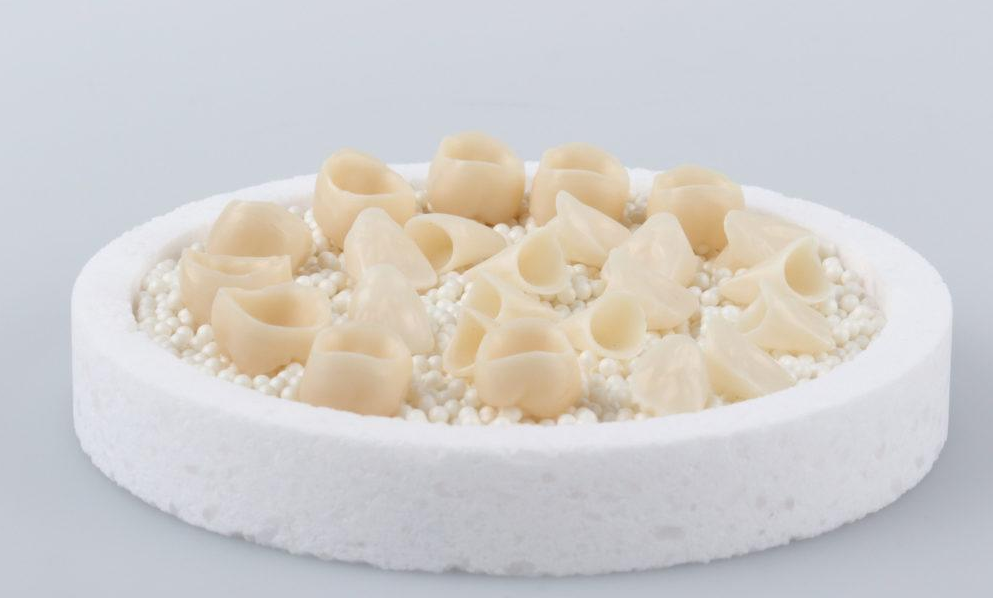
Sintering paste provides a stable and uniform support layer during firing.
Rather than supporting the restoration at a few individual contact points, the paste distributes support more evenly across the entire structure.
This offers several advantages:
A larger support surface helps reduce stress concentration during shrinkage.
Uniform support minimizes the likelihood of sagging or distortion during high-temperature firing.
More consistent support can contribute to improved fit and restoration precision after sintering.
Thin margins and connector regions may benefit from additional stability throughout the firing cycle.
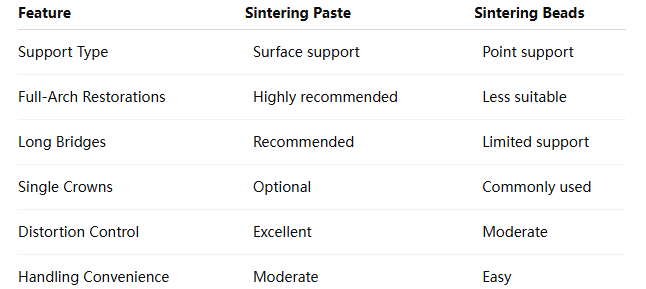
Both sintering paste and sintering beads are commonly used support materials, but they serve different purposes.
For single crowns and small restorations, sintering beads are often sufficient.
For larger restorations requiring maximum stability, many laboratories prefer sintering paste.
Although not every restoration requires sintering paste, it can be particularly beneficial in the following situations:
Large restorations are more susceptible to distortion during sintering.
Extended frameworks may experience uneven stress during shrinkage.
Passive fit is critical, making dimensional stability especially important.
Delicate restorations can benefit from additional support throughout the firing process.
To achieve optimal results, laboratories should follow several basic guidelines:
A uniform paste thickness helps provide consistent support.
Restorations should be placed gently onto the paste surface.
The sintering furnace remains the most important factor influencing final restoration quality.
Any remaining paste should be carefully cleaned from the restoration before finishing procedures.
The answer is no.
Sintering paste is a support material, not a substitute for proper furnace performance.
Final zirconia quality still depends heavily on factors such as:
Even with sintering paste, poor furnace performance can still result in distortion, cracking, or inconsistent sintering outcomes.
For this reason, laboratories should view sintering paste as a complementary tool that works alongside a high-quality sintering furnace.
Sintering paste has become an increasingly valuable tool in modern zirconia processing, particularly for large and complex restorations.
By providing more uniform support during high-temperature firing, it can help reduce distortion, improve dimensional stability, and enhance overall restoration accuracy.
Although it cannot replace proper sintering equipment or optimized firing protocols, sintering paste can contribute to more predictable outcomes and greater confidence in zirconia restoration production.
As digital dentistry continues to evolve, understanding every step of the zirconia workflow—including support materials such as sintering paste—can help dental laboratories achieve higher quality and more consistent results.

Dry & wet milling for zirconia, PMMA, wax with auto tool changer.
learn more
High-precision 3D scanning, AI calibration, full-arch accuracy.
learn more
40-min full sintering with 57% incisal translucency and 1050 MPa strength.
learn more
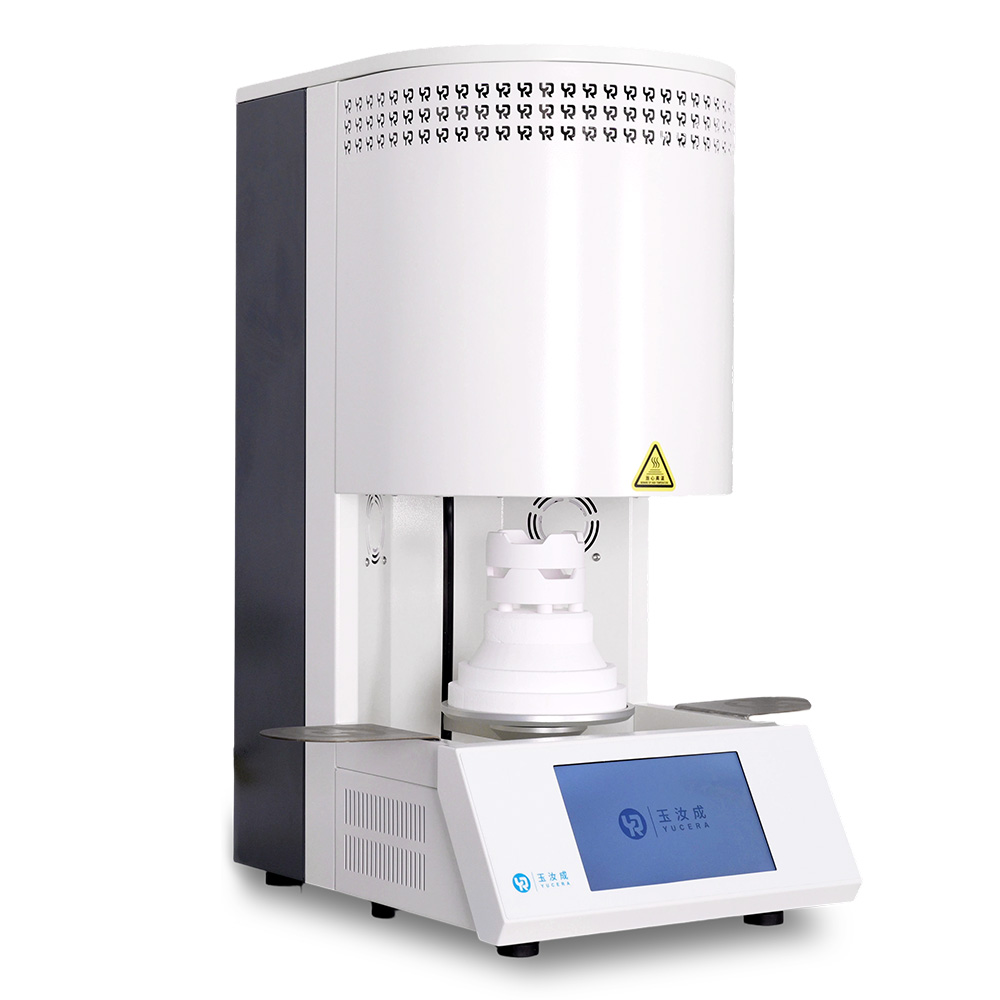
40-min cycle for 60 crowns, dual-layer crucible and 200°C/min heating.
learn more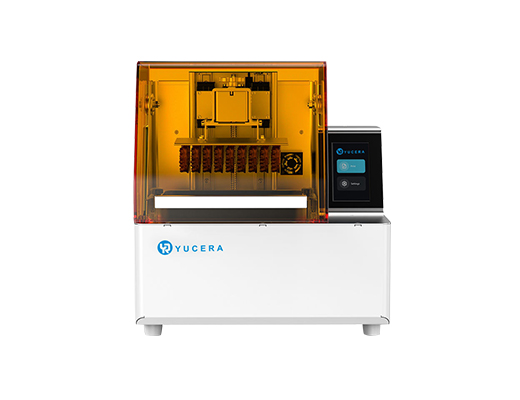
High-speed LCD printer for guides, temporaries, models with 8K resolution.
learn more