中 文
中 文
Break Data Silos in Dentistry 2026: Unify Clinic & Lab Workflows with CAD/CAM Systems
2026-04-08
2026-06-25
The rapid development of digital dentistry has transformed how dental professionals diagnose, plan, and deliver treatments. Technologies such as CAD/CAM systems, intraoral scanners, 3D printing, and AI-assisted diagnostics are becoming standard in modern clinics and dental schools.
However, this transformation has raised an important question: Do dentists still need traditional clinical skills in the digital era?
The answer is yes—but with a critical evolution. While digital tools are reshaping workflows, foundational dental knowledge and hands-on clinical skills remain essential for safe and effective patient care. The future of dental education lies in combining both worlds.
Over the past decade, dental education has increasingly integrated digital technologies into its curriculum. Traditional impression techniques and manual wax-ups are gradually being supplemented or replaced by digital workflows.
Modern dental students now learn using:
These technologies help students visualize complex structures in three dimensions and understand treatment processes more efficiently.
One of the most influential systems in this transformation is Computer-Aided Design and Computer-Aided Manufacturing (CAD/CAM) dentistry. It allows students to design and fabricate restorations digitally, aligning education with real-world clinical workflows.
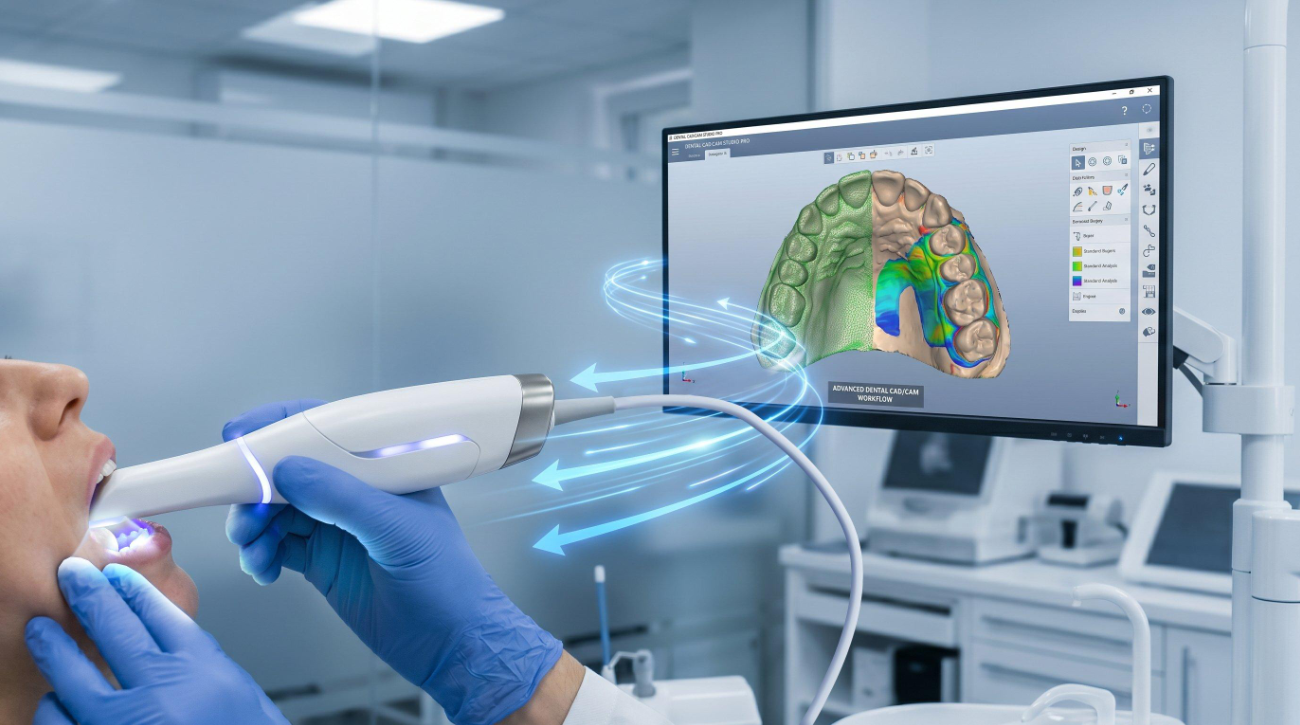
Despite technological advancements, traditional dental skills remain the foundation of clinical dentistry.
These skills include:
Digital systems can assist in design and manufacturing, but they cannot replace clinical judgment. For example, while software can design a crown, only a trained dentist can determine whether the tooth is suitable for restoration or requires alternative treatment.
Without strong foundational skills, digital tools become limited in their effectiveness.
The most effective dental education programs today do not choose between digital and traditional methods—they integrate both.
A balanced curriculum typically follows this structure:
Students first develop core clinical knowledge through:
Once foundational skills are established, digital tools are introduced:
Finally, students apply both skill sets in real clinical environments, combining:
This layered approach ensures that dentists are not overly dependent on technology.
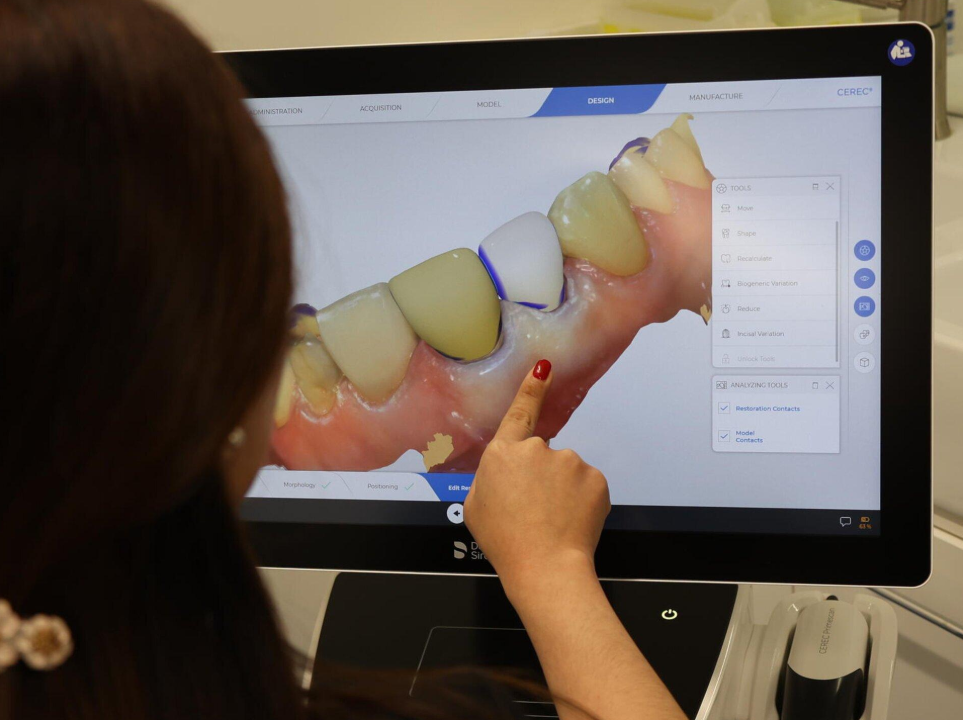
The introduction of CAD/CAM systems has significantly changed how students understand restorative dentistry.
Instead of relying only on manual wax carving, students can now:
This technology bridges the gap between theoretical knowledge and clinical application.
However, CAD/CAM systems still rely on correct input data. If the preparation is incorrect or the clinical diagnosis is wrong, even the best digital design cannot produce a successful outcome.
Virtual simulation is becoming a key component of dental education. It allows students to practice procedures in a controlled environment without risk to patients.
Simulation systems provide:
This improves learning efficiency and reduces early-stage clinical errors. However, simulation is still an extension of training—not a replacement for real patient interaction.
Artificial intelligence is gradually being introduced into dental training systems. AI tools can assist with:
AI enhances objectivity in education but does not replace clinical reasoning. Dentists must still interpret AI outputs and make final treatment decisions based on patient conditions.
While digital dentistry offers many advantages, over-reliance on technology presents risks:
Dental education must ensure that students do not become “software operators” instead of clinicians.
The goal is integration, not replacement.
The future dentist requires a hybrid skill set:
This combination defines the modern dental professional.
So, do dentists still need traditional skills in the digital era?
The answer is clear: yes, more than ever.
Digital dentistry is not replacing traditional skills—it is enhancing them. The future of dental education depends on a balanced integration of both approaches, ensuring that dentists are not only technologically capable but also clinically competent.
The most successful dentists of the future will be those who can combine human clinical expertise with digital precision.

Dry & wet milling for zirconia, PMMA, wax with auto tool changer.
learn more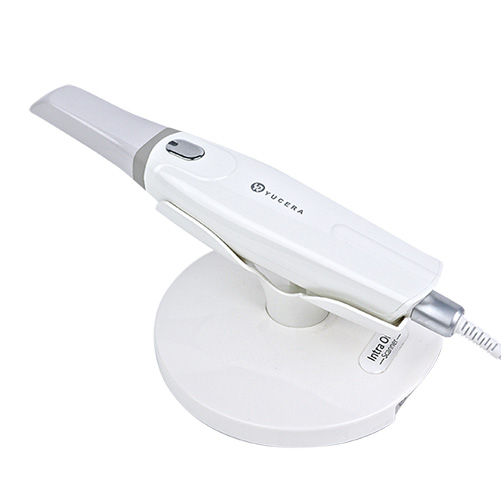
High-precision 3D scanning, AI calibration, full-arch accuracy.
learn more
40-min full sintering with 57% incisal translucency and 1050 MPa strength.
learn more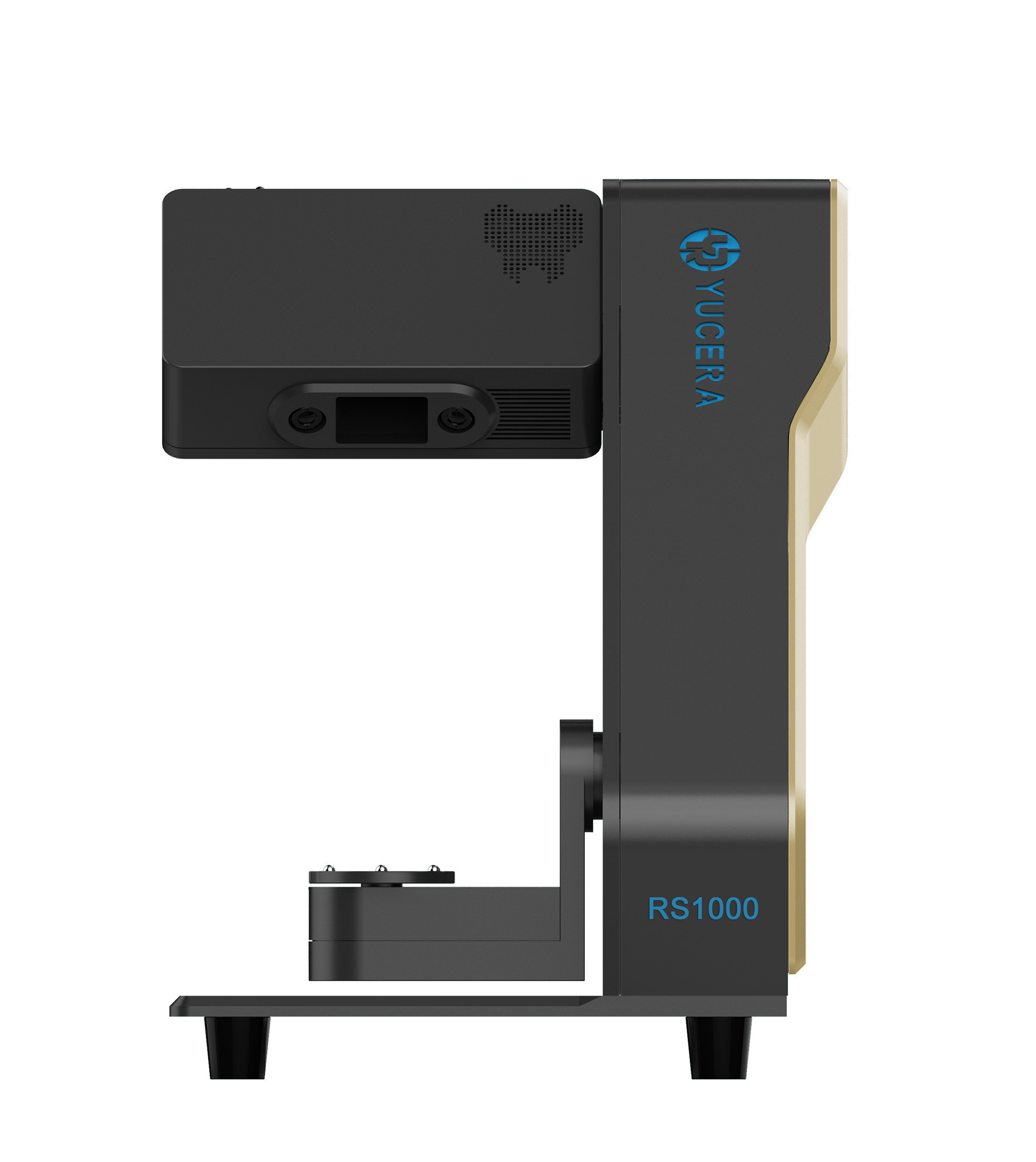
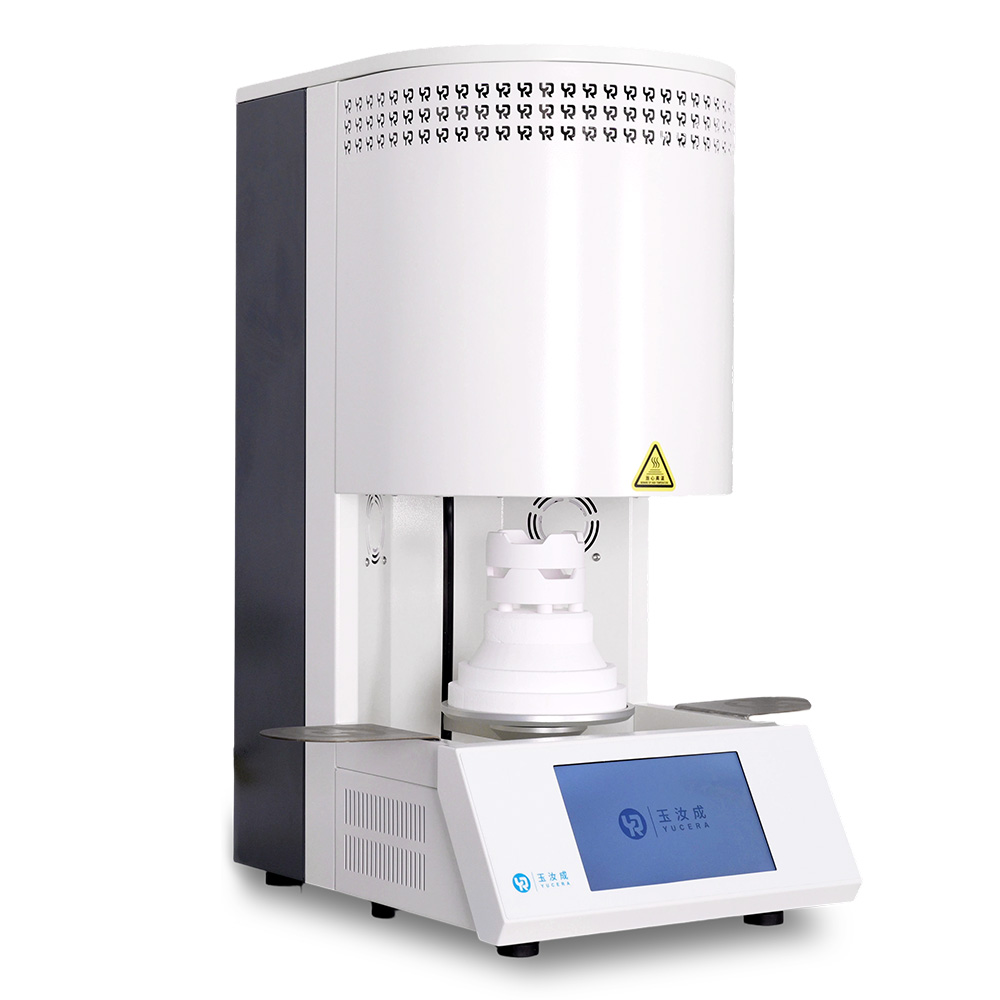
40-min cycle for 60 crowns, dual-layer crucible and 200°C/min heating.
learn more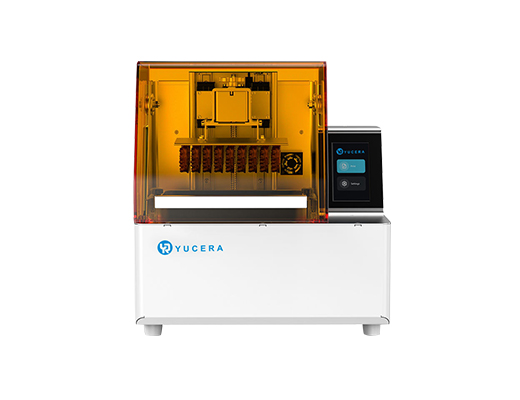
High-speed LCD printer for guides, temporaries, models with 8K resolution.
learn more