中 文
中 文
The Best Dental Clinics in Tijuana: Your Guide to Affordable and Quality Care
2025-03-19
2025-09-18
Intraoral scanning (IOS) has transformed dentistry with its precision and comfort, but it's not without hurdles. While 75% of users report daily reliance, disadvantages like high costs and learning curves persist, potentially offsetting benefits in smaller practices.
IOS vs. Traditional Impressions at a Glance
| Intraoral Scanning | Traditional Impressions | |
|---|---|---|
| Patient comfort | No gag reflex, no messy material | Can trigger gagging, longer set time |
| Turnaround | Instant digital file, no shipping | Physical model must be poured & shipped |
| Upfront cost | High (scanner + software) | Low (trays + material) |
| Learning curve | Weeks of practice needed | Familiar to most clinicians |
| Accuracy on complex cases | Strong for single units/short spans | Still preferred for long-span (>5 unit) cases |
Learning Curve Timeline
| Sessions | Avg. Time/Arch | Error Rate |
|---|---|---|
| 1-5 | 20 min | High |
| 6-10 | 15 min | Medium |
| 11+ | <10 min | Low |
Quick Checklist to Avoid Common IOS Pitfalls
Despite these, IOS boosts efficiency 30% long-term. Weigh against your volume for ROI.

Dry & wet milling for zirconia, PMMA, wax with auto tool changer.
learn more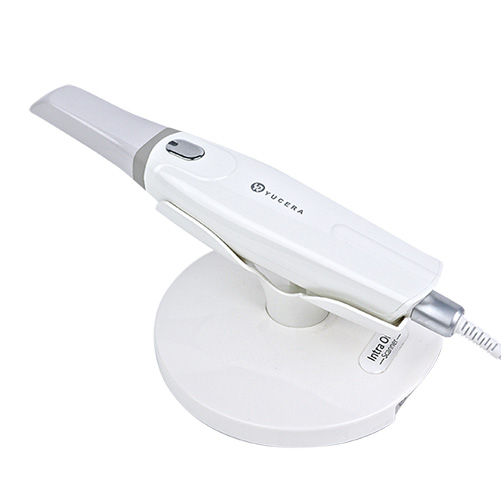
High-precision 3D scanning, AI calibration, full-arch accuracy.
learn more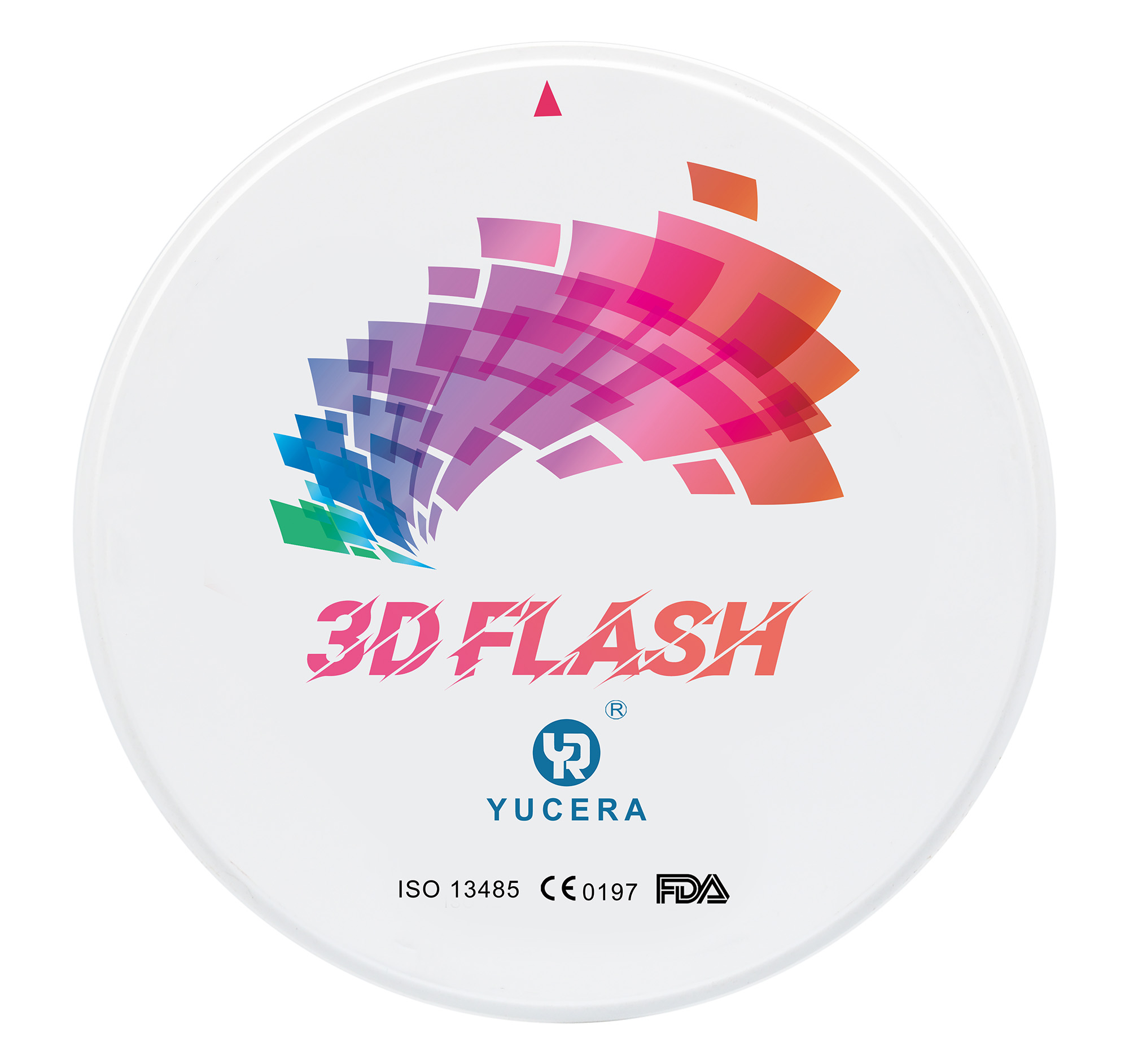
40-min full sintering with 57% incisal translucency and 1050 MPa strength.
learn more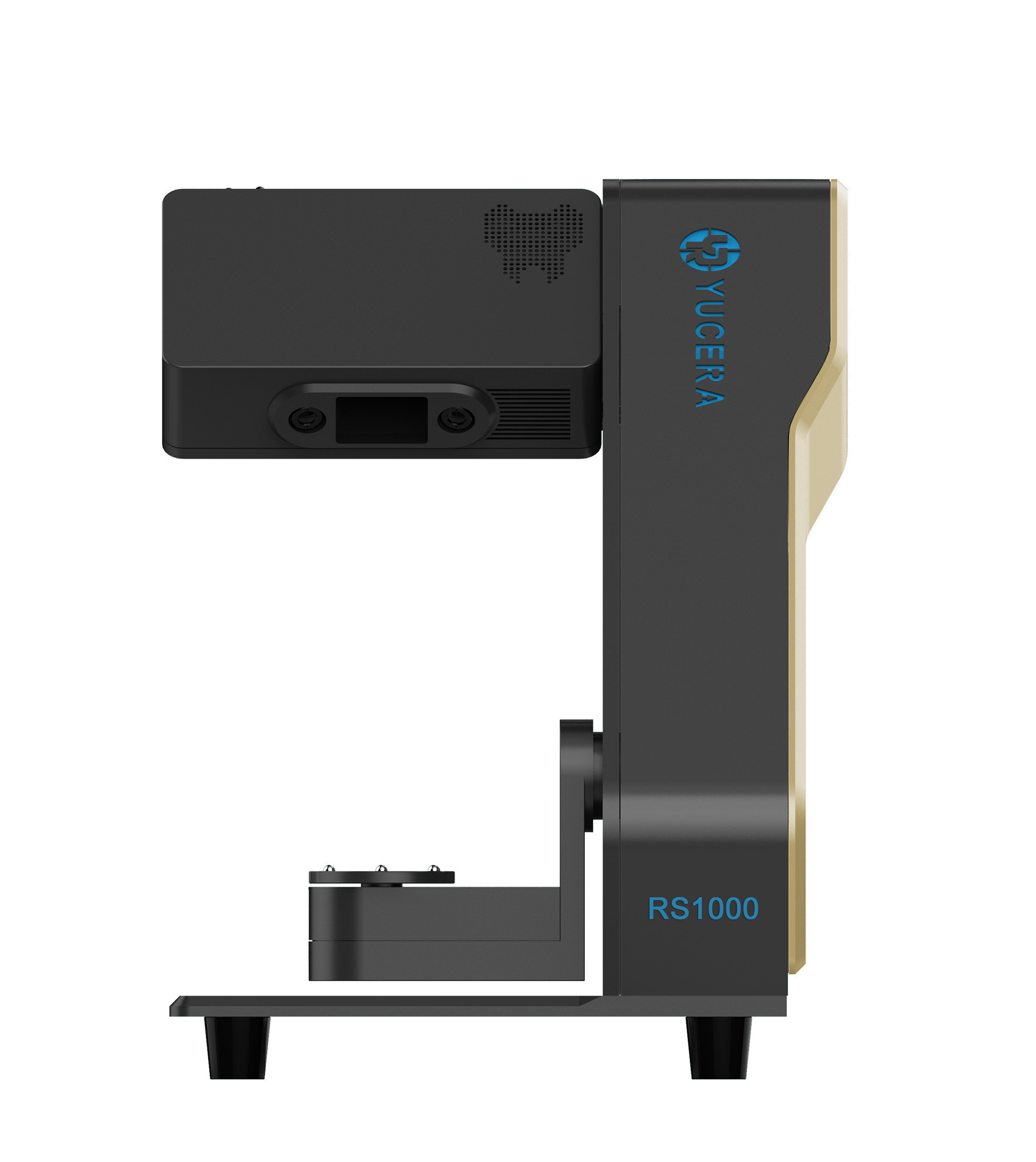
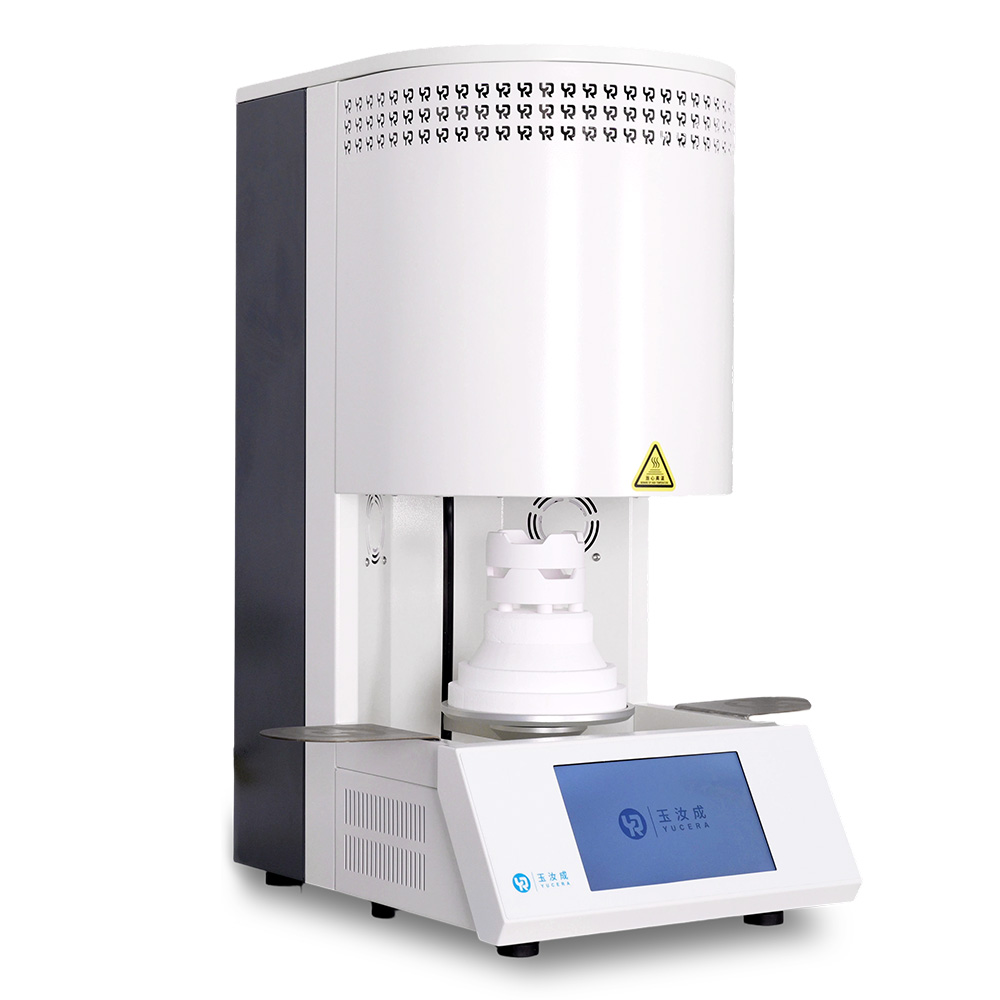
40-min cycle for 60 crowns, dual-layer crucible and 200°C/min heating.
learn more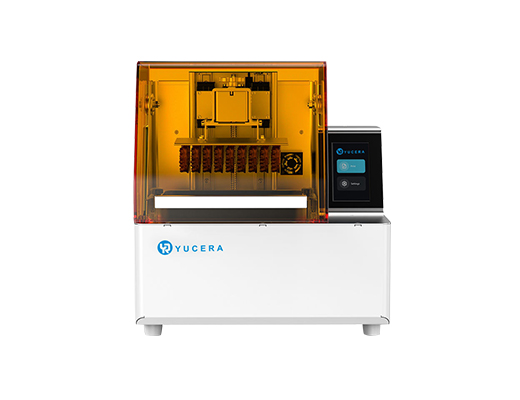
High-speed LCD printer for guides, temporaries, models with 8K resolution.
learn more