中 文
中 文

From Order to Delivery: Supporting a Dental Laboratory's Digital Upgrade
2026-08-01
2026-06-16
As digital dentistry continues to transform dental laboratories, advanced thermal processing equipment has become essential for producing high-quality restorations. Among the most important devices in a modern dental lab are the porcelain furnace and the sintering furnace.
Although both machines use heat to process dental restorations, they serve completely different purposes. Many laboratory owners, technicians, and even new CAD/CAM users often confuse the two, assuming they perform similar functions.
In reality, a porcelain furnace and a sintering furnace operate at different temperatures, process different materials, and play unique roles within the dental restoration workflow.
Understanding these differences is critical when selecting equipment, planning production workflows, and investing in laboratory technology.
A dental porcelain furnace is primarily used for ceramic firing procedures that enhance the aesthetics and final appearance of restorations.
Common applications include:
Porcelain furnaces typically operate at temperatures ranging from approximately 700°C to 1,200°C, depending on the material and firing program.
One of the most important features of a porcelain furnace is its ability to provide precise temperature control and stable vacuum performance. These factors directly influence the color, translucency, surface texture, and overall aesthetics of ceramic restorations.
In modern laboratories, porcelain furnaces are commonly used during the final stages of restoration production to achieve natural-looking results.
A sintering furnace serves a completely different purpose.
Its primary function is to sinter zirconia restorations after milling.
During milling, zirconia restorations are produced in a partially sintered state, often referred to as the "green stage." At this stage, the material has not yet reached its final density or mechanical strength.
The sintering furnace heats zirconia to extremely high temperatures, typically between 1,450°C and 1,600°C. During this process, zirconia particles fuse together, creating a dense microstructure that provides the restoration with its final strength, durability, and optical properties.
Without proper sintering, zirconia restorations cannot achieve the performance required for clinical use.
The sintering process is one of the most important steps in zirconia manufacturing.
Proper sintering contributes to:
Temperature uniformity throughout the furnace chamber is particularly important because uneven heating can lead to distortion, color inconsistencies, or variations in material properties.
For this reason, laboratories producing zirconia crowns, bridges, and implant restorations rely heavily on high-performance sintering furnaces.
While both devices utilize heat, their applications and technical requirements differ significantly.
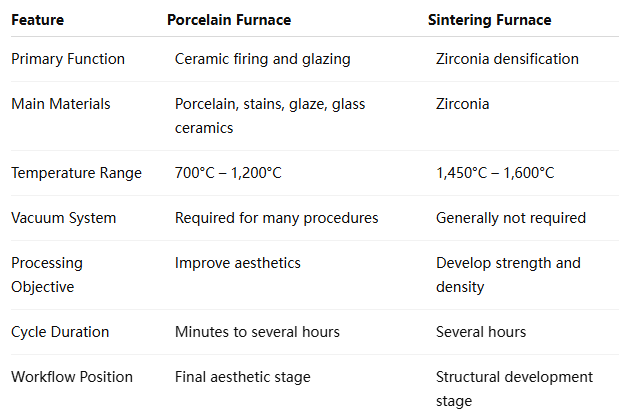
This comparison clearly shows that the two furnaces are designed for completely different stages of restoration production.
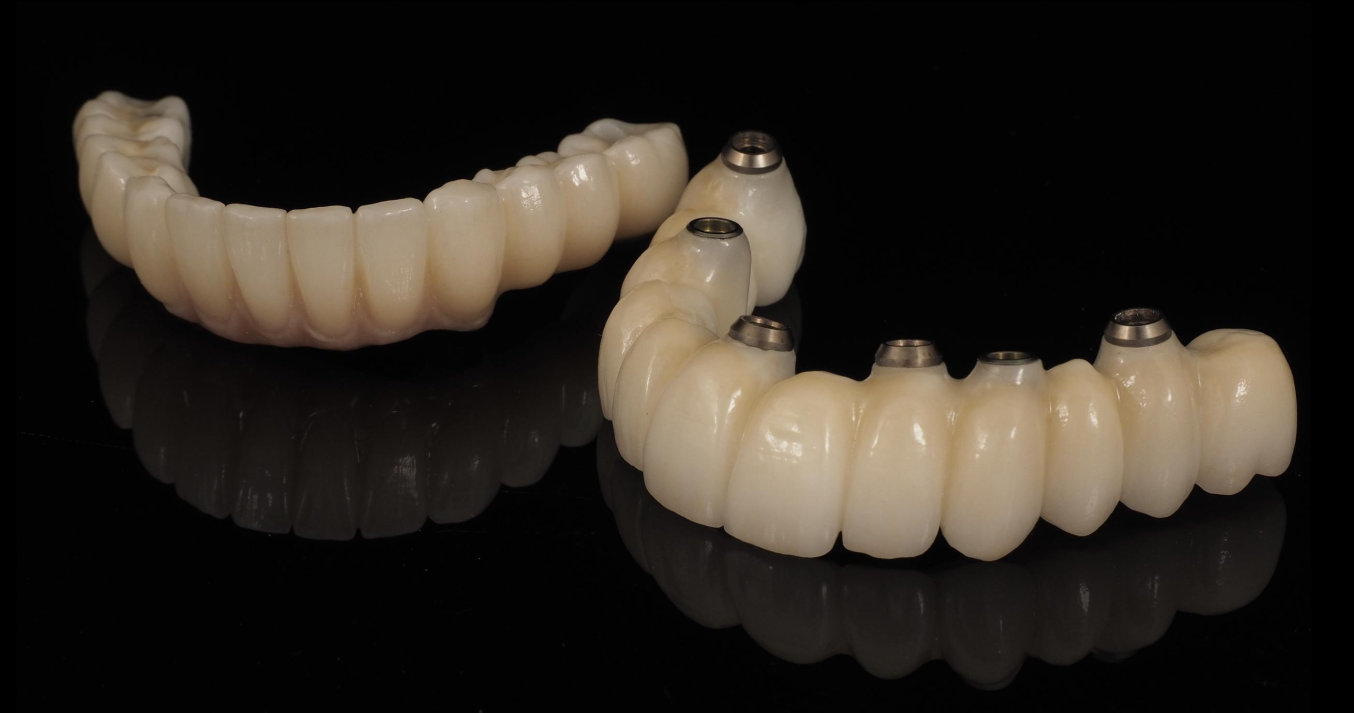
Many laboratories ask whether they should purchase a porcelain furnace or a sintering furnace.
The answer depends on the restorations they produce.
For laboratories manufacturing zirconia restorations, both devices are often required because they perform complementary functions.
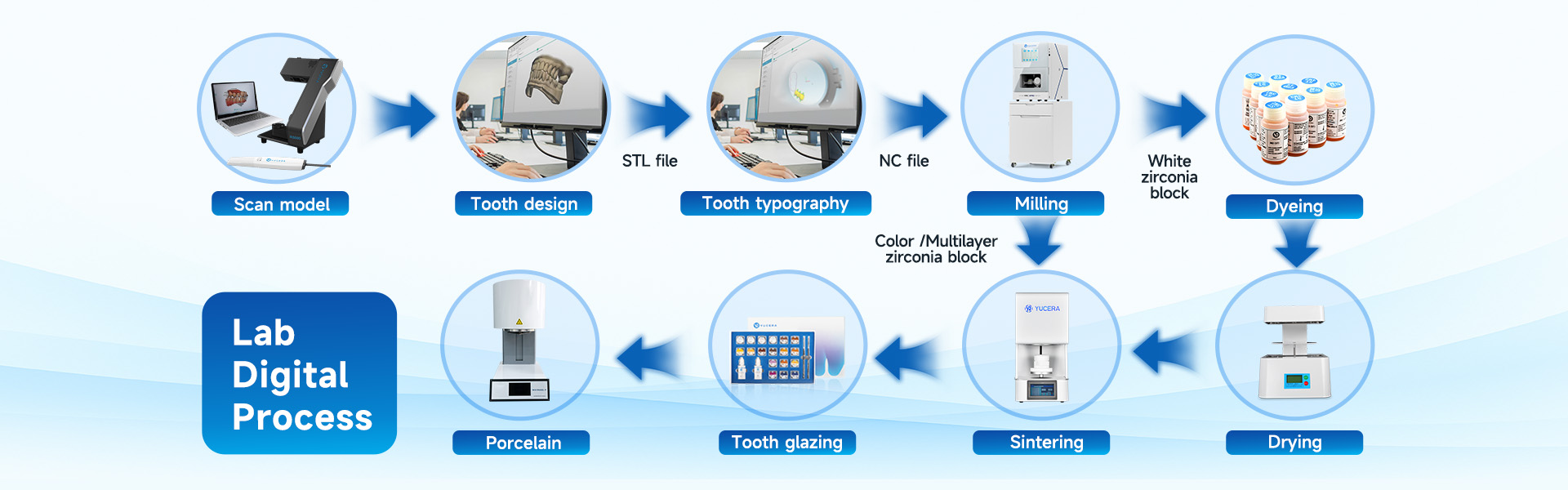
A typical zirconia restoration workflow may include:
In this workflow, the sintering furnace provides the restoration's strength and structural integrity, while the porcelain furnace enhances its appearance and surface finish.
Together, they help create restorations that are both durable and aesthetically pleasing.
This is one of the most frequently asked questions in dental laboratories.
The simple answer is no.
A porcelain furnace cannot replace a sintering furnace because it cannot achieve the extremely high temperatures required for zirconia densification.
Likewise, a sintering furnace cannot replace a porcelain furnace because it lacks the precision firing programs needed for staining, glazing, and ceramic layering procedures.
Although both devices are essential thermal processing equipment, they are designed for fundamentally different applications.
When selecting laboratory equipment, it is important to consider your production requirements.
A sintering furnace is essential if your laboratory focuses on:
A porcelain furnace is necessary if your workflow includes:
For laboratories seeking a complete digital workflow and maximum production flexibility, investing in both technologies is often the most effective solution.
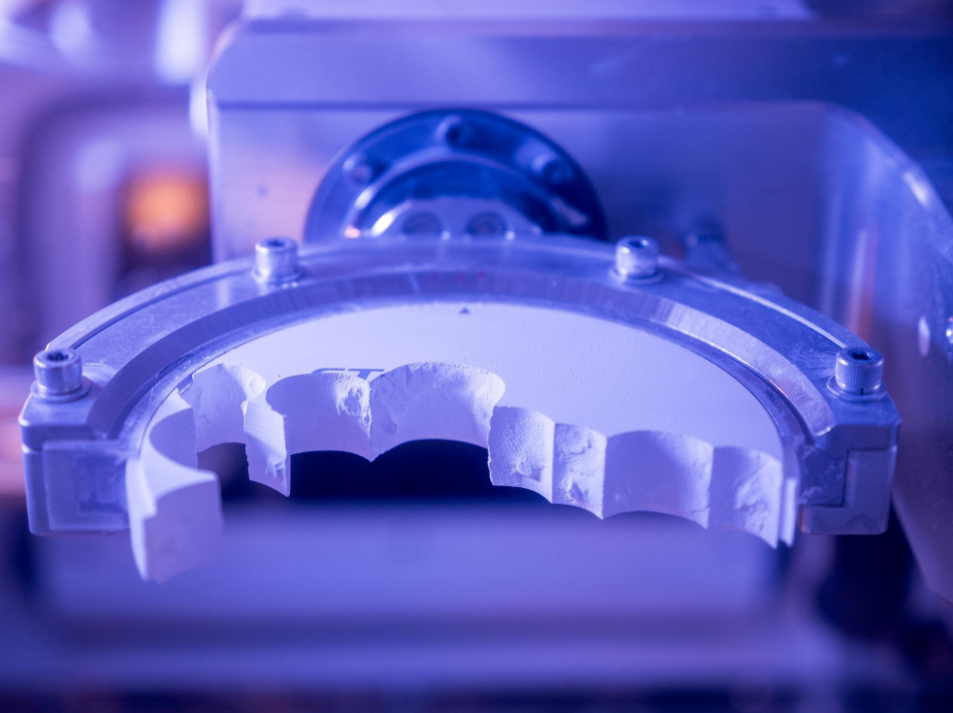
Although porcelain furnaces and sintering furnaces are both vital components of modern dental laboratories, they serve very different purposes.
A sintering furnace provides the high temperatures necessary to transform zirconia into a strong and durable restorative material. A porcelain furnace, on the other hand, is responsible for the glazing, staining, crystallization, and aesthetic finishing that give restorations their natural appearance.
By understanding the unique role of each furnace, dental laboratories can make informed equipment decisions, optimize production workflows, and consistently deliver high-quality restorations.
As digital dentistry continues to evolve, both technologies remain indispensable tools for achieving precision, efficiency, and exceptional restorative outcomes.

Dry & wet milling for zirconia, PMMA, wax with auto tool changer.
learn more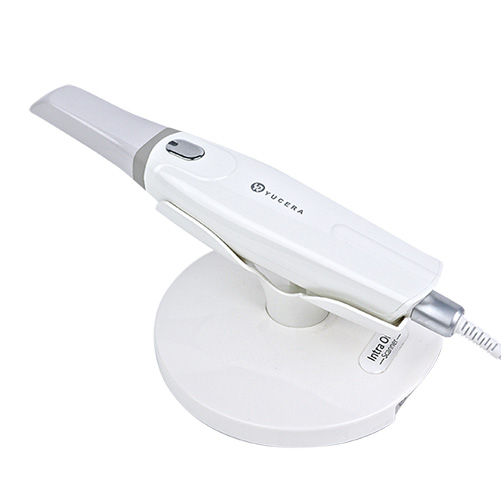
High-precision 3D scanning, AI calibration, full-arch accuracy.
learn more
40-min full sintering with 57% incisal translucency and 1050 MPa strength.
learn more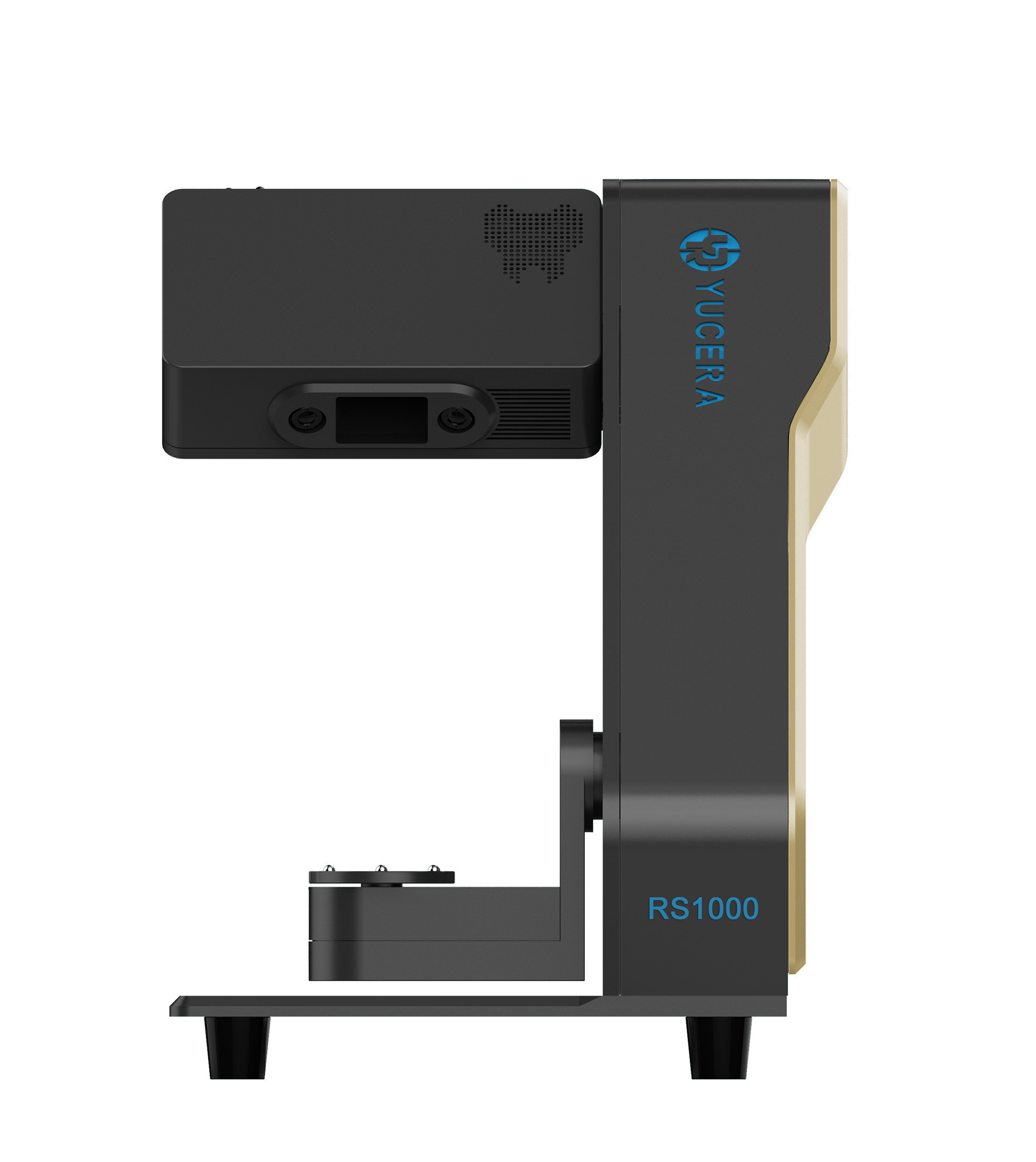
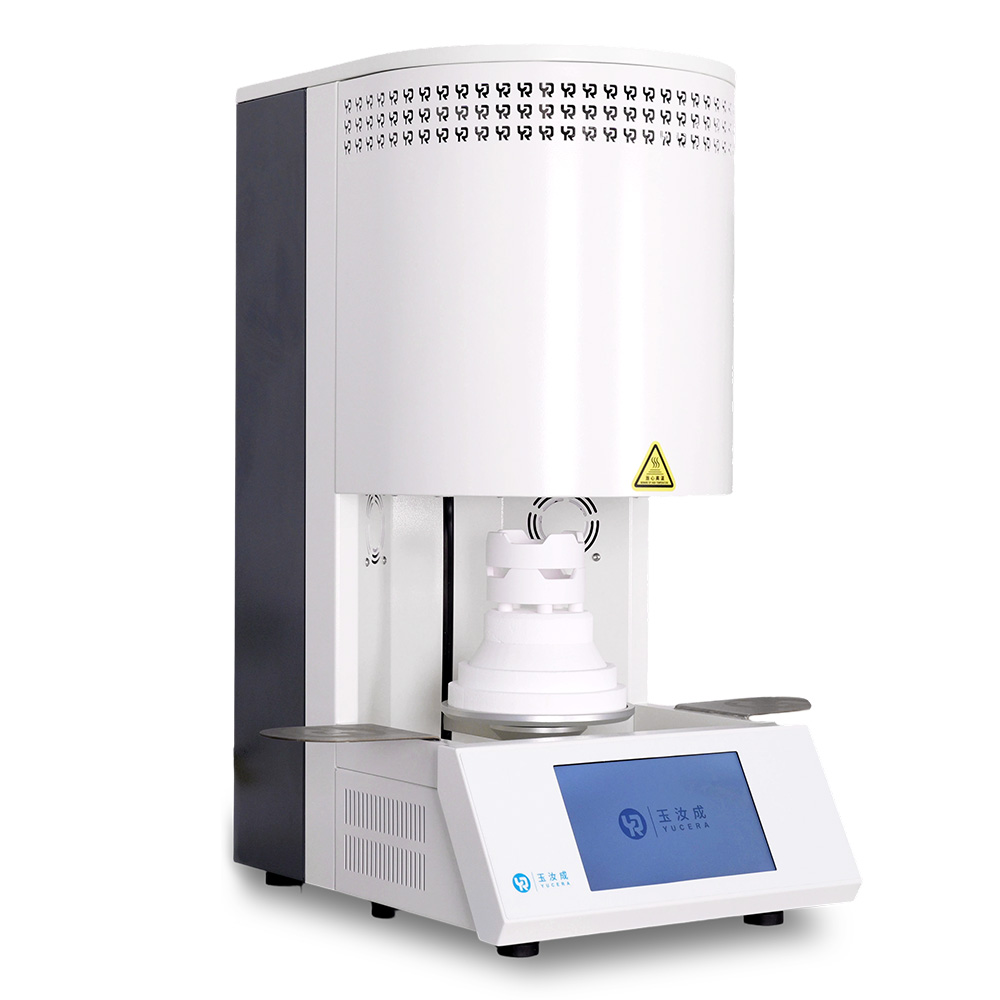
40-min cycle for 60 crowns, dual-layer crucible and 200°C/min heating.
learn more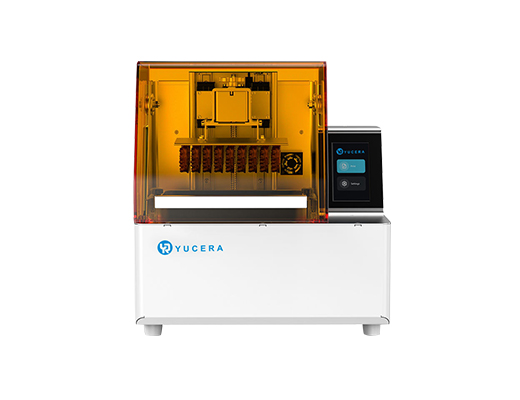
High-speed LCD printer for guides, temporaries, models with 8K resolution.
learn more