


 中 文
中 文

Why Zirconia Blocks Dental are the Go-to Dental Material in 2024
2024-07-16
2026-04-30
US Dental Labs Observation: How to Reduce Model Deviation Risk in 3D Printing
In US dental laboratories, 3D printing has become essential for producing study models, surgical guides, aligner molds, and provisional restorations. However, dimensional deviation remains one of the most persistent challenges. Even minor inaccuracies — often exceeding 100–150 microns — can lead to poor fit, increased remake rates, extended turnaround times, and compromised clinical outcomes.
Research consistently shows that clinically acceptable accuracy for dental models generally falls within 50–200 microns, depending on the application. Studies using root mean square (RMS) deviation report trueness values ranging from under 100 μm with optimized SLA/DLP systems to over 150–200 μm when variables are uncontrolled. Full-arch models are particularly susceptible to distortion, with deviations frequently appearing in the posterior region or along the Z-axis.
The key to success lies not in the printer alone, but in shifting from device-centric operation to comprehensive process control. This article shares practical observations and evidence-based strategies that US dental labs can implement to significantly lower model deviation risks.
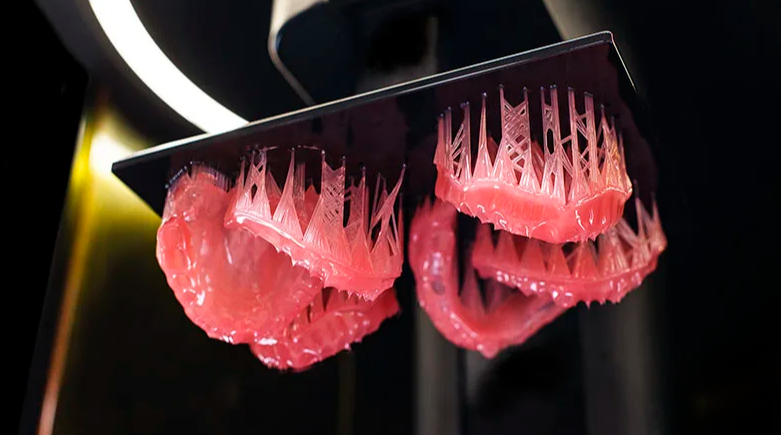
Vat photopolymerization technologies (SLA, DLP, and LCD) dominate dental model production due to their high resolution. Yet, multiple interdependent factors introduce variability:
Network meta-analyses indicate that SLA and DLP technologies generally deliver superior accuracy compared to FFF/FDM for full-arch dental models, but even these systems require tight control to stay within clinical tolerances.
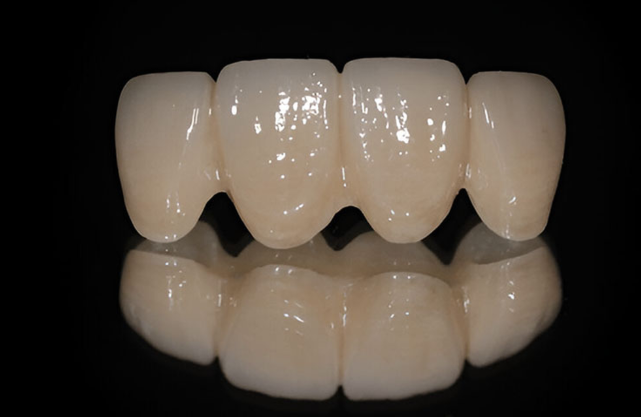
US labs can adopt a systematic approach to achieve repeatable results:
1. Establish Rigorous Calibration Routines Implement daily or weekly calibration checks for build platform leveling, Z-axis accuracy, and light uniformity. Log performance metrics and successful print rates per resin type. Treat maintenance as preventive, not reactive.
2. Standardize Material and Environmental Management Store resins in controlled conditions and bring them to stable lab temperature before use. Monitor and record ambient temperature and humidity. Use temperature-controlled resin vats where possible. Filter and recycle resin consistently to remove debris.
3. Optimize Digital File Preparation Start with high-accuracy scans. In CAD software, incorporate proper hollowing, drainage holes, and robust yet minimal supports. Standardize build orientation presets validated for your specific printers and applications. Test orientations (e.g., 0°, 10–20° tilt) to find the sweet spot that balances accuracy and print success.
4. Develop Validated Printing Recipes Create documented parameter sets for common jobs (study models, surgical guides, etc.). Lock in layer height, exposure times, lift speeds, and rest times after testing. Monitor resin temperature during prints. Batch similar jobs to maintain thermal stability.
5. Standardize and Control Post-Processing Define exact protocols: washing duration and method, drying time, post-curing duration/intensity/temperature. Many resins benefit from controlled heated post-curing. Avoid over-washing, which can cause excessive shrinkage.
6. Implement Multi-Stage Quality Control Introduce checkpoints:
Track key metrics such as RMS deviation on test models, first-pass success rate, and remake frequency. Use this data for continuous improvement — the foundation of statistical process control.
Additional tips observed in high-performing labs:
Labs that implement disciplined process control often report substantial reductions in deviation-related remakes, faster production, and higher clinician satisfaction.
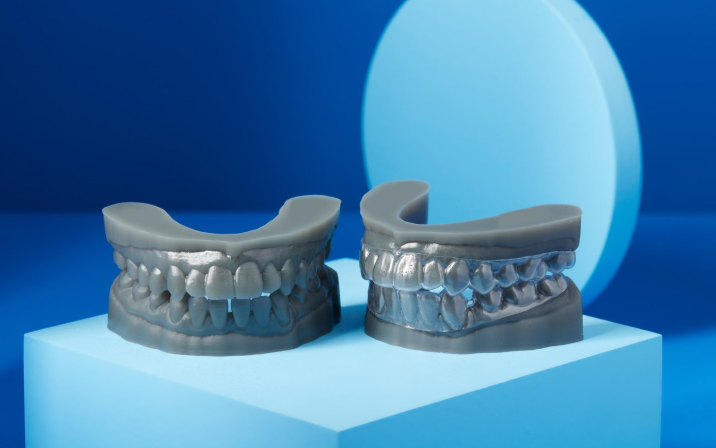
In US dental laboratories, 3D printing consistency is achieved not by chasing the newest hardware, but by mastering the full workflow. From precise calibration and optimized printing parameters to standardized post-processing and rigorous quality gates, every step influences final model deviation.
By treating 3D printing as a controlled manufacturing process rather than a simple output device, labs can reliably keep deviations within clinically acceptable limits — often under 100–150 μm for full-arch models. The result is fewer remakes, improved efficiency, and better patient outcomes.

Dry & wet milling for zirconia, PMMA, wax with auto tool changer.
learn more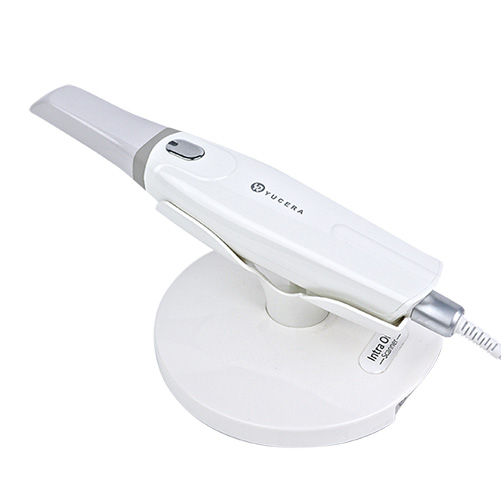
High-precision 3D scanning, AI calibration, full-arch accuracy.
learn more
40-min full sintering with 57% incisal translucency and 1050 MPa strength.
learn more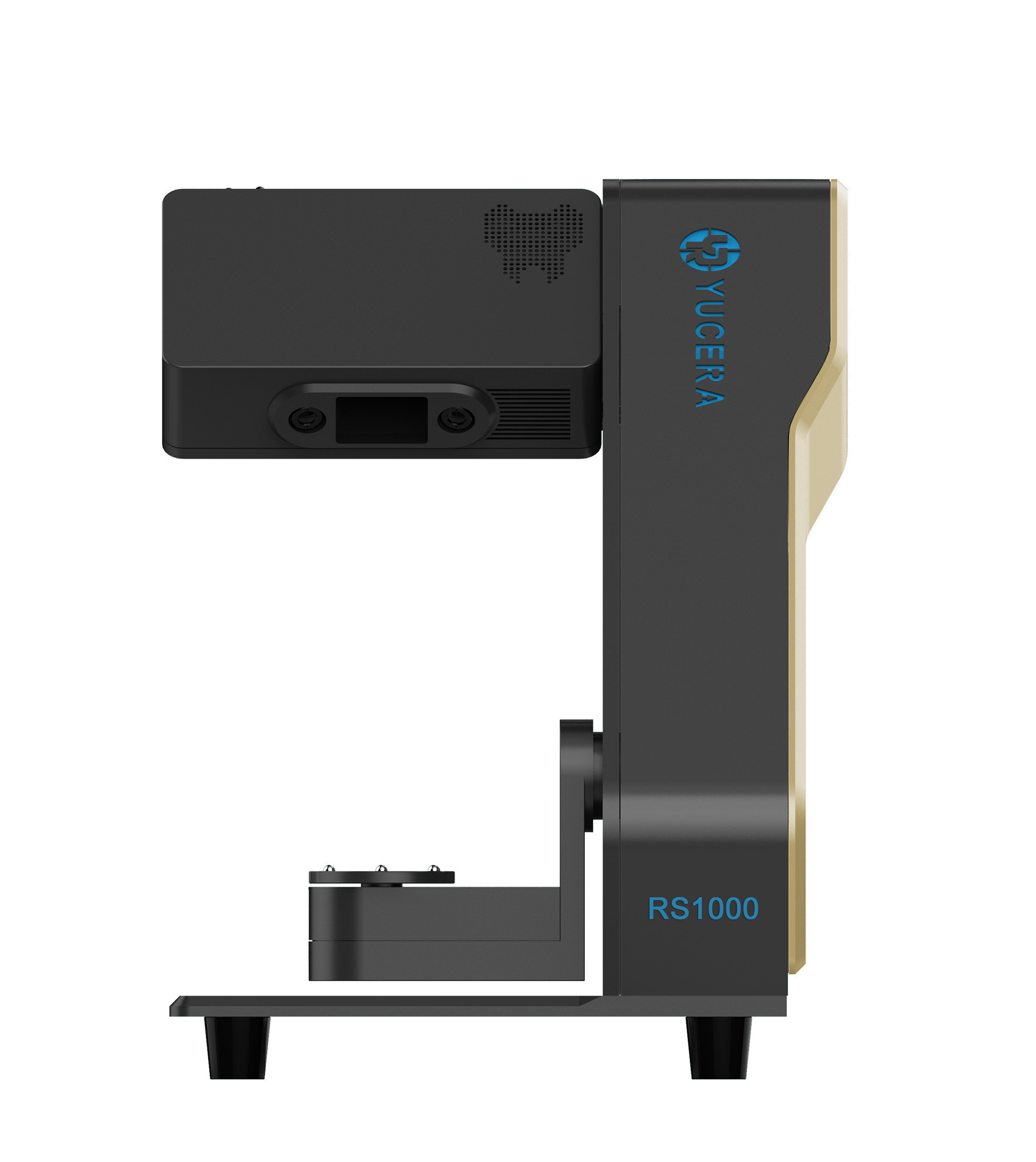
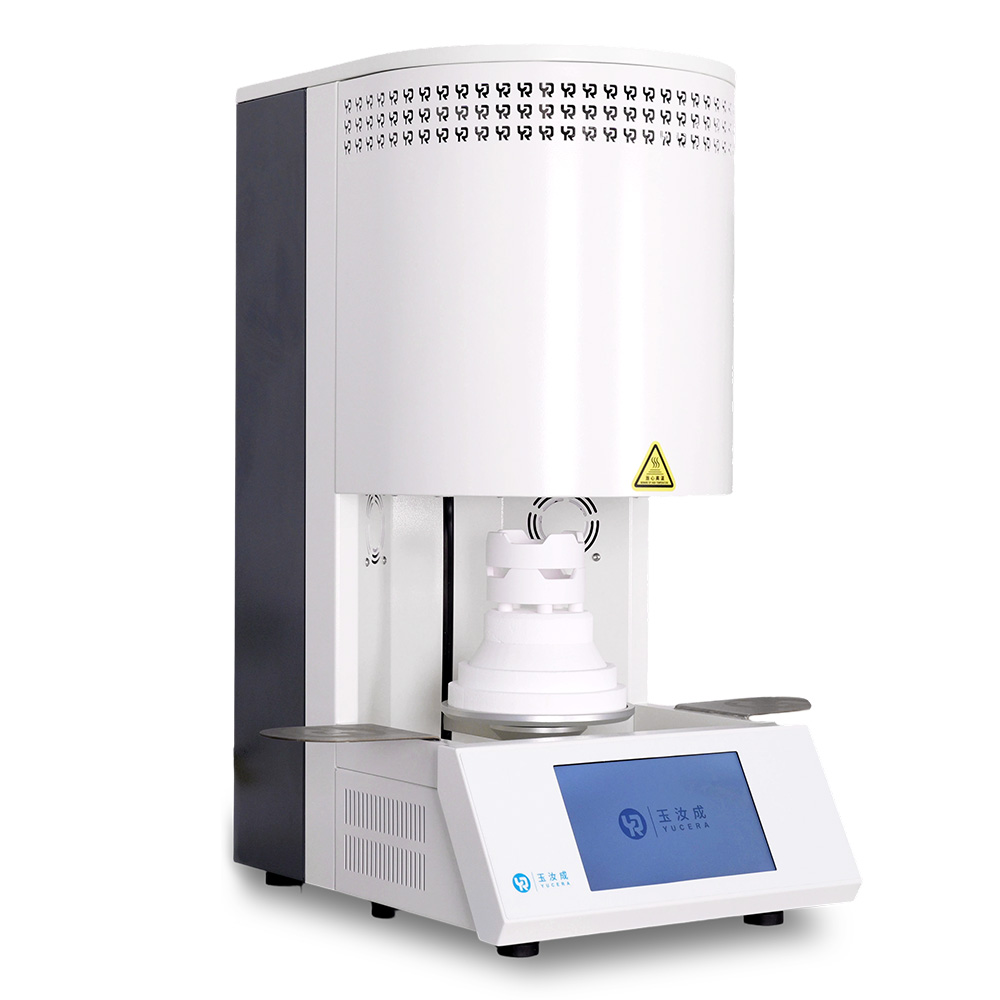
40-min cycle for 60 crowns, dual-layer crucible and 200°C/min heating.
learn more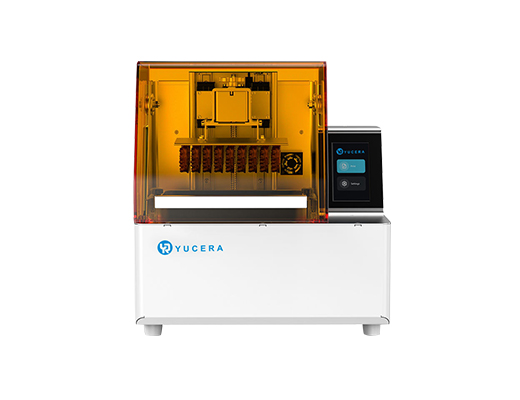
High-speed LCD printer for guides, temporaries, models with 8K resolution.
learn more


