中 文
中 文
P100 Dental 3D Printer FAQ | Fix Print Detachment, Layer Shifts & Mid-Print Failures
2026-06-05
2026-07-27
The demand for highly esthetic anterior restorations has increased significantly with the widespread adoption of digital dentistry. Patients expect restorations that are virtually indistinguishable from natural teeth, while clinicians require materials that provide reliable mechanical performance and long-term stability.
Multilayer zirconia blocks have emerged as one of the most popular CAD/CAM materials for anterior crowns because they combine natural shade transitions, improved translucency, and sufficient strength for everyday clinical use.
This article explains why multilayer zirconia is well suited for anterior restorations, how it differs from conventional zirconia, and what dental laboratories and clinicians should consider when selecting a material.
Anterior teeth are located in the most visible area of the smile.
Unlike posterior restorations, anterior crowns must reproduce:
Even slight differences in shade or translucency can be easily noticed.
Therefore, esthetics often become the primary consideration without sacrificing functional durability.
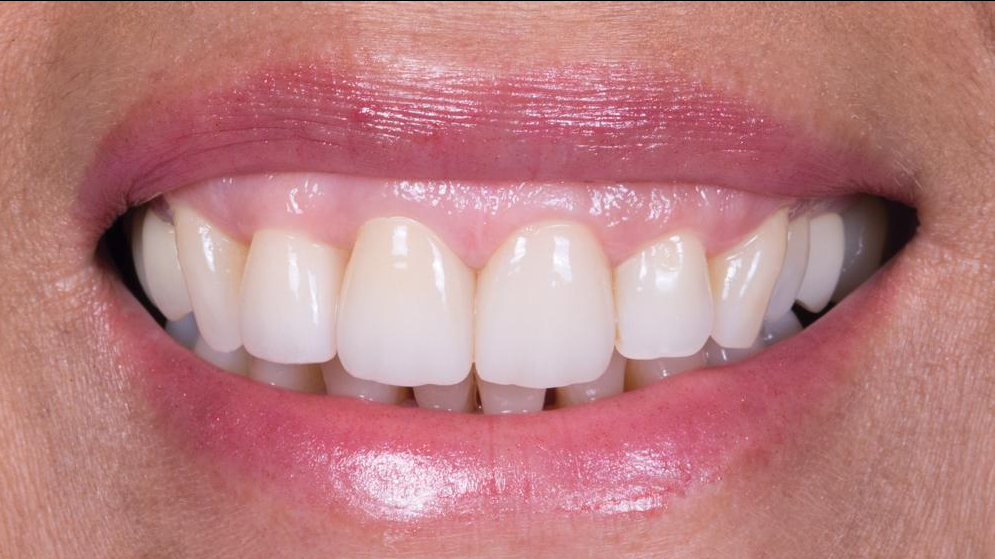
A multilayer zirconia block is a presintered CAD/CAM material that integrates multiple layers with gradual changes in shade, translucency, and sometimes flexural strength.
Instead of using a single uniform color, multilayer zirconia mimics the natural structure of a tooth:
This gradient design reduces the need for extensive manual staining while creating a more natural appearance after sintering.
Natural teeth are not a single color.
The incisal edge is generally more translucent, while the cervical region appears warmer and more saturated.
Multilayer zirconia reproduces these transitions directly within the material, allowing restorations to look more lifelike with minimal post-processing.
Earlier generations of zirconia prioritized strength but often appeared too opaque for esthetic cases.
Advances in material engineering have increased translucency by refining grain size, optimizing yttria content, and improving manufacturing processes.
The result is better light transmission while maintaining reliable clinical performance.
Because the shade gradient is built into the block, technicians spend less time applying coloring liquids or stains.
Benefits include:
Anterior crowns experience lower occlusal forces than posterior restorations.
Modern multilayer zirconia provides sufficient flexural strength for single anterior crowns while offering enhanced esthetics compared with traditional high-opacity zirconia.
Material selection should always match the intended indication and the manufacturer's recommendations.
Multilayer zirconia integrates seamlessly into modern CAD/CAM workflows.
A typical workflow includes:
Proper nesting is particularly important to ensure that the incisal portion of the restoration aligns with the more translucent layer of the block.
Compared with conventional monolithic zirconia, multilayer zirconia offers several advantages for anterior restorations:
When choosing a multilayer zirconia block, evaluate the following:
Higher translucency generally produces better esthetics but may reduce flexural strength. Select a balance appropriate for the clinical indication.
Different products may feature four, five, six, or more gradient layers. Additional layers can create smoother shade transitions.
Choose a material compatible with the desired shade guide and offering consistent color reproduction.
Follow the recommended heating and cooling schedule to achieve optimal optical and mechanical properties.
Verify disc diameter, thickness, and holder compatibility with the milling system.
Incorrect nesting may place the incisal edge within a darker layer, resulting in an unnatural appearance.
Excessive external staining can reduce the benefits of the built-in multilayer gradient.
For anterior restorations, translucency and color integration are often as important as high flexural strength.
Careful polishing and glazing improve both appearance and wear behavior.
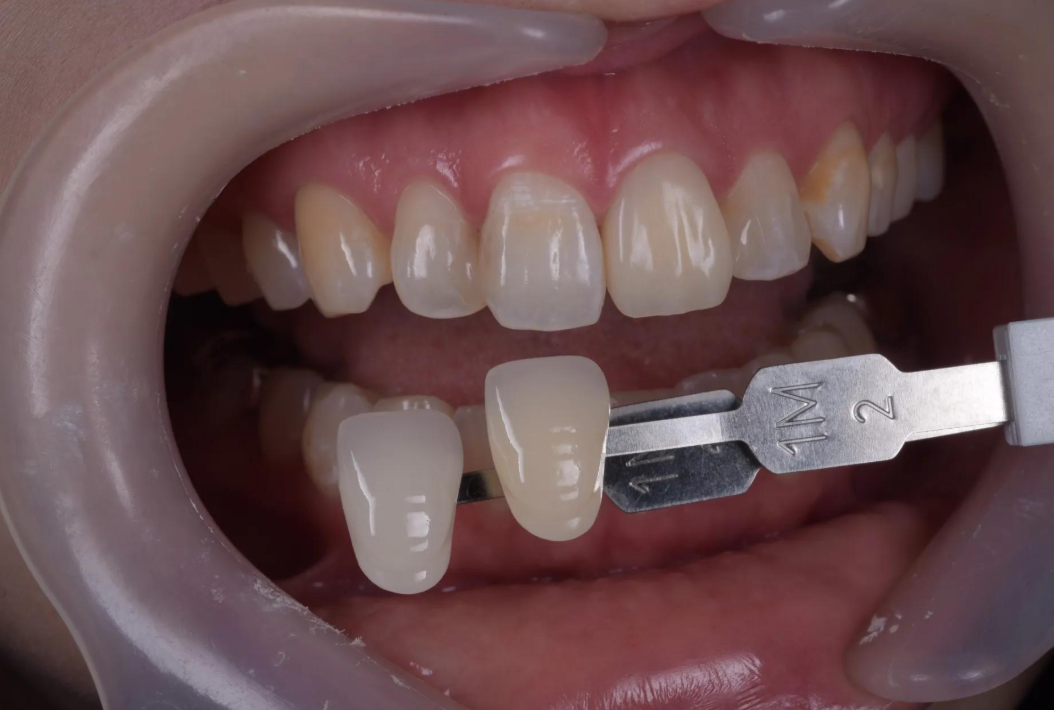
It is widely used for single anterior crowns and many esthetic restorations, provided the selected material meets the clinical requirements.
Not completely. Minor characterization may still be performed, but significantly less than with monochromatic zirconia.
In general, zirconia offers higher flexural strength and fracture resistance than traditional dental porcelains, while porcelain may provide additional layering options for highly customized esthetics.
No. Most multilayer zirconia blocks are compatible with standard open-system CAD/CAM milling machines that support the appropriate disc format.
Multilayer zirconia blocks have transformed anterior crown fabrication by combining natural shade gradients, improved translucency, and dependable mechanical performance within a single CAD/CAM material.
For dental laboratories, clinics, and distributors, the key to successful anterior restorations lies not only in selecting a high-quality multilayer zirconia block but also in proper digital design, accurate nesting, controlled sintering, and careful finishing. When these factors work together, clinicians can deliver restorations that closely replicate the beauty of natural teeth while maintaining the durability expected from modern zirconia.

Dry & wet milling for zirconia, PMMA, wax with auto tool changer.
learn more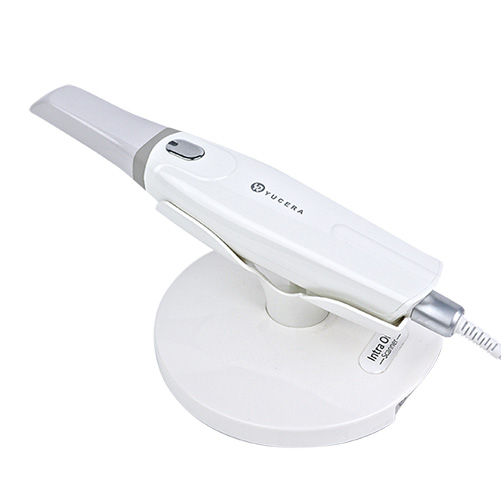
High-precision 3D scanning, AI calibration, full-arch accuracy.
learn more
40-min full sintering with 57% incisal translucency and 1050 MPa strength.
learn more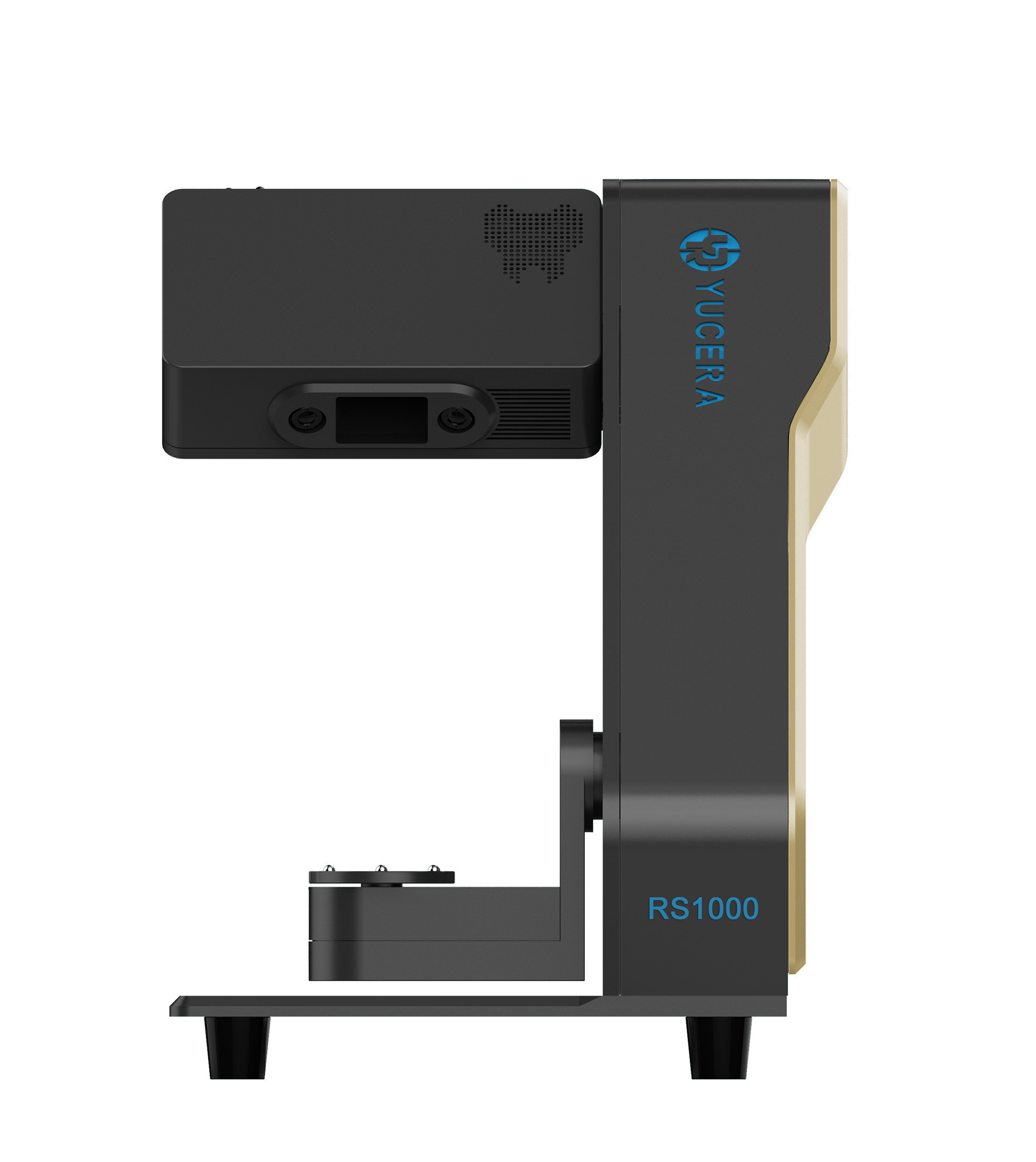
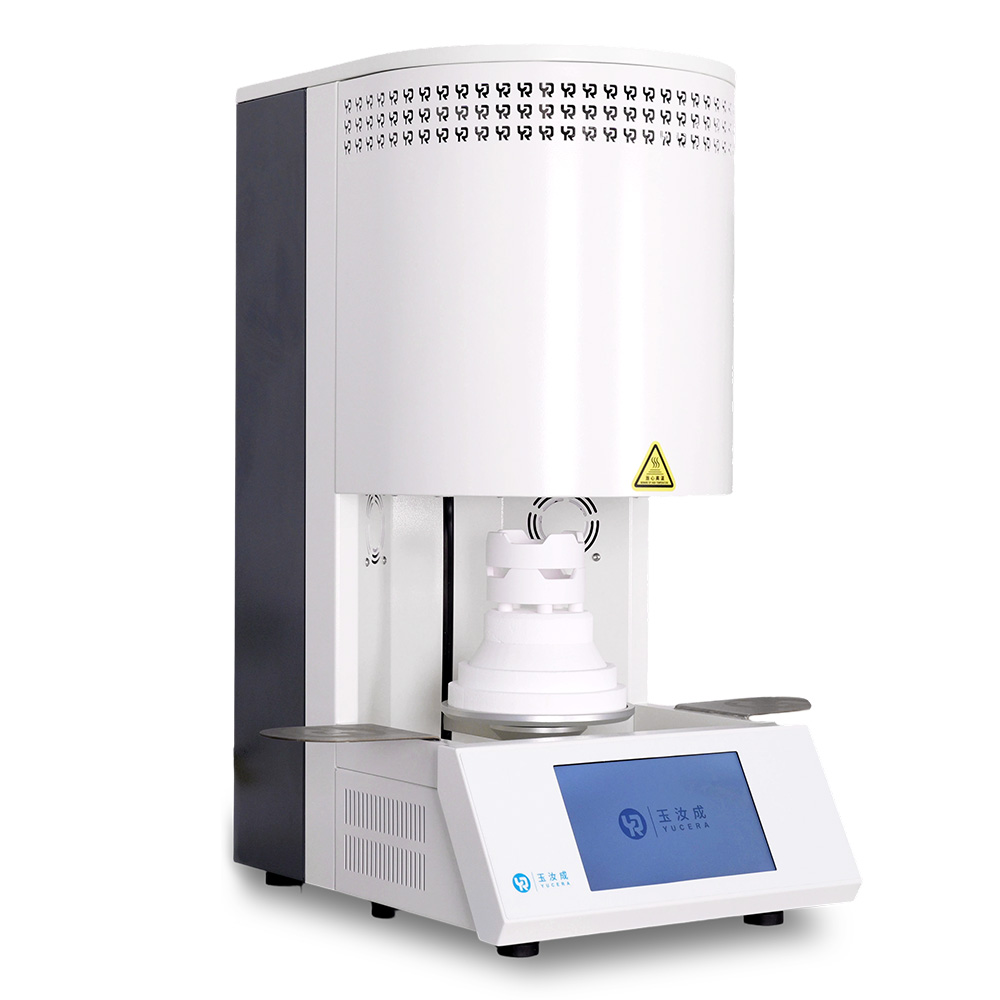
40-min cycle for 60 crowns, dual-layer crucible and 200°C/min heating.
learn more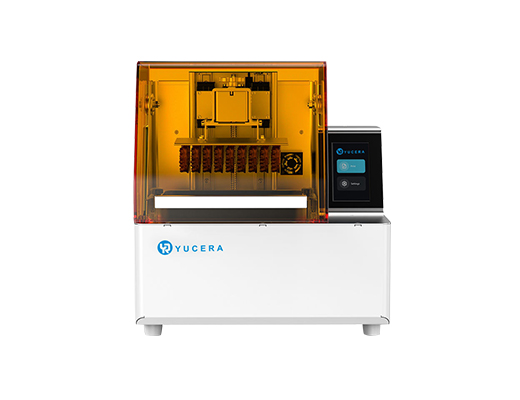
High-speed LCD printer for guides, temporaries, models with 8K resolution.
learn more