中 文
中 文
How to Choose the Right Scan Equipment for a Growing Dental Practice
2026-05-19
2026-07-08
Achieving a natural-looking dental restoration requires more than selecting a similar tooth color. The shade selection process involves understanding the relationship between natural tooth structure, light interaction, and restorative materials.
A dental shade guide is one of the most important tools used by dentists and dental technicians to communicate tooth color information. However, not all shade guides provide the same level of accuracy.
A well-designed shade guide should help professionals evaluate the three essential color dimensions of teeth: hue, value, and chroma. When combined with modern digital dentistry workflows, proper shade selection improves restoration predictability and reduces aesthetic adjustments.
This article explains how to choose the right shade guide and how it contributes to successful aesthetic restorations.
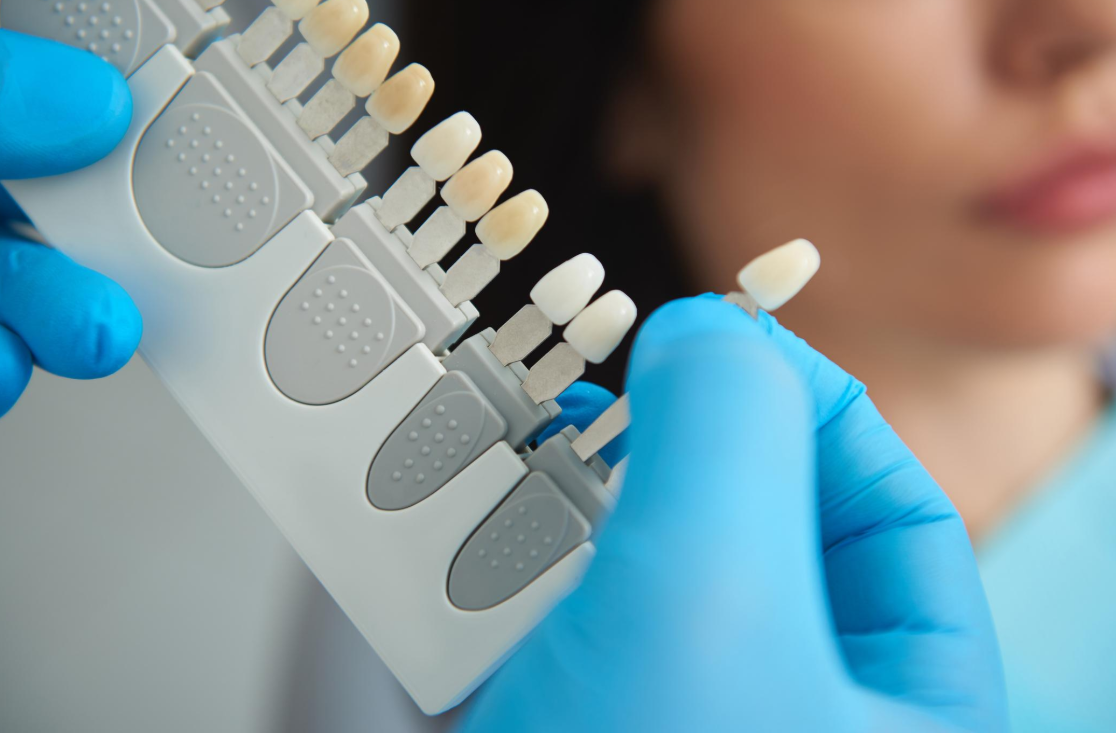
A dental shade guide is a standardized reference tool containing multiple shade tabs used to compare restorative materials with a patient's natural teeth.
It helps clinicians and technicians evaluate:
During aesthetic treatment, shade selection provides essential information for manufacturing restorations such as:
However, a shade guide is only a reference. The final restoration color is influenced by multiple factors including material properties, thickness, surface texture, and processing conditions.
Incorrect shade selection is one of the common reasons for aesthetic dissatisfaction and restoration adjustments.
A suitable shade guide helps:
The dentist, dental laboratory, and production team need a consistent color reference.
A clear shade system reduces misunderstandings during restoration fabrication.
When shade information is inaccurate, restorations may require:
Accurate shade selection improves efficiency and reduces unnecessary laboratory workload.
Natural teeth are not a single flat color.
They contain variations in:
A good shade guide should represent these natural variations.
Before choosing a shade guide, it is important to understand how dental color is evaluated.
Hue describes the basic color category.
Examples include:
Hue helps identify the general color family of a tooth.
Value represents brightness.
In aesthetic dentistry, value is often considered the most noticeable color factor because the human eye detects brightness differences easily.
A restoration with incorrect value may appear obviously different even if the hue is close.
Chroma describes color intensity.
Higher chroma produces stronger color saturation, while lower chroma creates a softer appearance.
A professional shade guide should allow clinicians to evaluate these three dimensions accurately.
A high-quality shade guide should cover a wide range of natural tooth colors.
Natural teeth vary because of:
A limited shade range may not represent the full spectrum of clinical cases.
The organization of shade tabs affects usability.
An effective shade guide should allow users to quickly identify differences in:
A systematic arrangement improves efficiency during clinical shade matching.
Shade tabs should reproduce important visual characteristics of natural teeth, including:
A shade reference that looks different from the final restorative material may lead to inaccurate selection.
Different restorative materials interact with light differently.
For example:
may display different optical effects even when using similar shade values.
Therefore, shade selection should always consider the final restorative material.
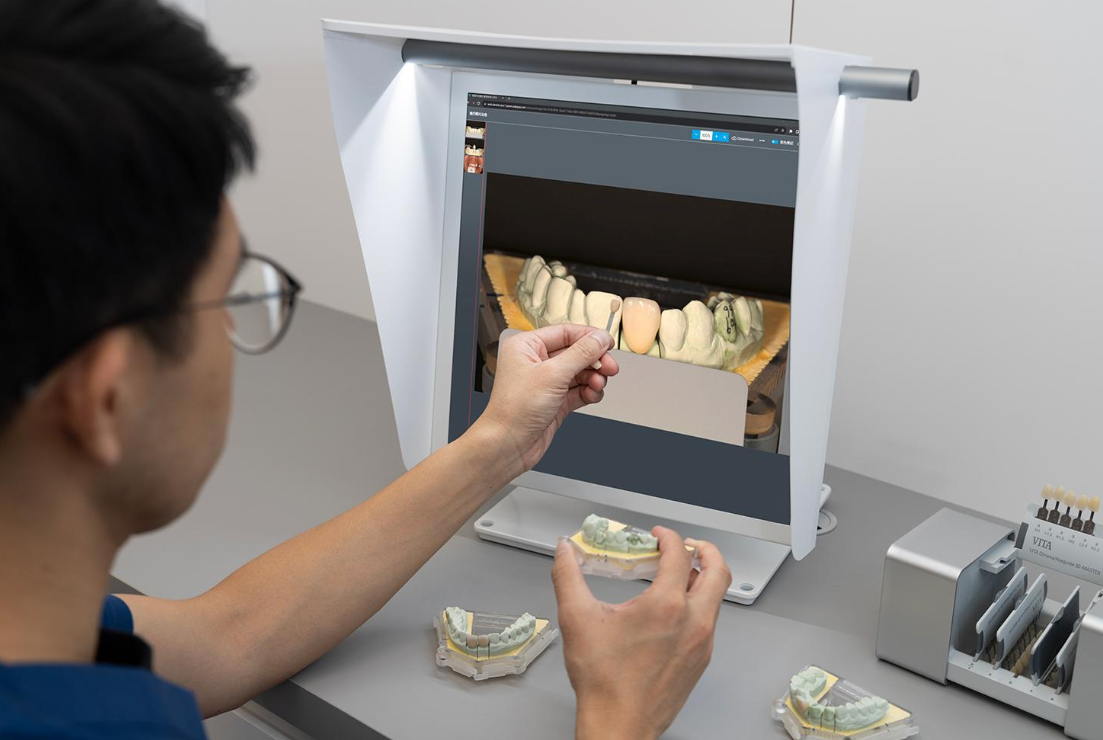
Traditional shade selection relies on visual comparison between shade tabs and natural teeth.
Although widely used, visual evaluation can be influenced by:
Digital dentistry introduces new approaches by combining:
Digital workflows improve communication between clinics and laboratories and provide additional shade information beyond traditional visual comparison.
For zirconia restorations, shade accuracy depends on more than the selected color.
Important influencing factors include:
Different translucency levels affect how light passes through the restoration.
Higher translucency can create a more natural appearance, while higher opacity may be required in situations where masking ability is important.
The thickness of zirconia influences:
A thinner restoration may appear more translucent, while a thicker restoration may appear more opaque.
The coloring stage and sintering conditions can influence final appearance.
Stable processing parameters help maintain:
For better aesthetic results, dental professionals should consider:
Teeth can appear lighter after drying because moisture changes optical behavior.
Natural daylight or standardized lighting conditions provide more reliable evaluation.
The surrounding dentition provides important reference information.
The planned restoration design should be considered during shade selection.
Providing shade information together with clinical photos and digital data improves workflow accuracy.
Digital dentistry continues to improve shade accuracy through:
The combination of accurate shade selection, advanced CAD/CAM technology, and optimized material processing will continue improving aesthetic restoration outcomes.
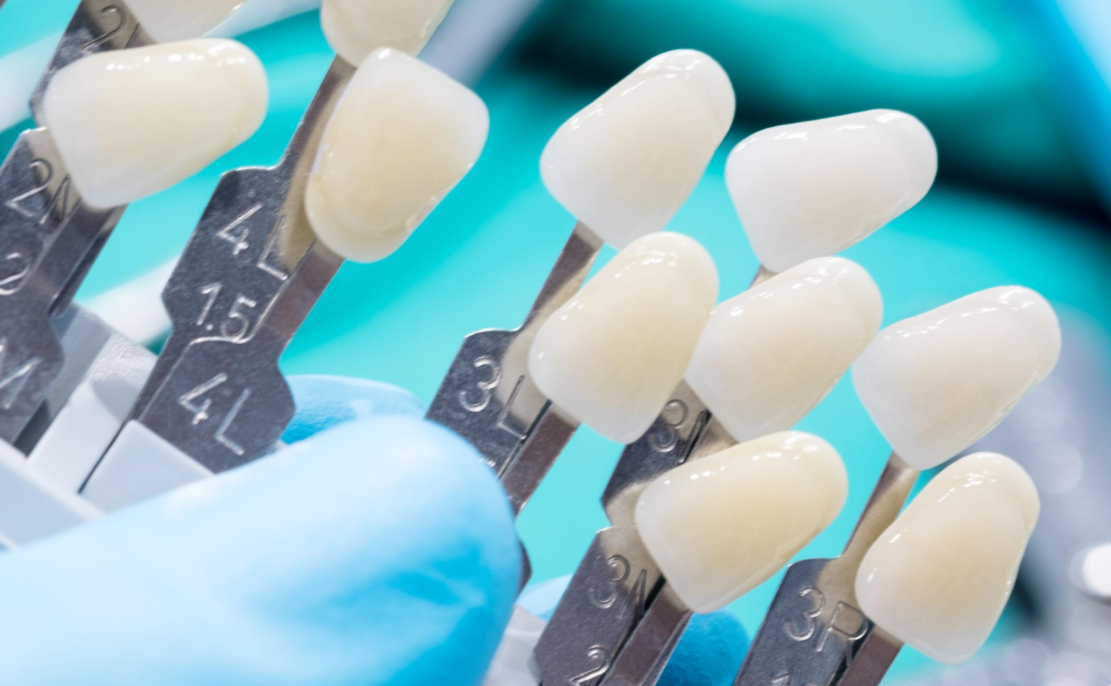
Choosing the right dental shade guide is an essential step toward predictable aesthetic restorations. A reliable shade guide should provide accurate color references, logical organization, realistic optical characteristics, and compatibility with modern restorative materials.
However, successful shade matching requires a complete understanding of tooth color science, material behavior, and digital workflows.
By combining professional shade selection techniques with advanced CAD/CAM manufacturing and high-performance restorative materials, dental professionals and laboratories can achieve restorations that closely reproduce the appearance of natural teeth.

Dry & wet milling for zirconia, PMMA, wax with auto tool changer.
learn more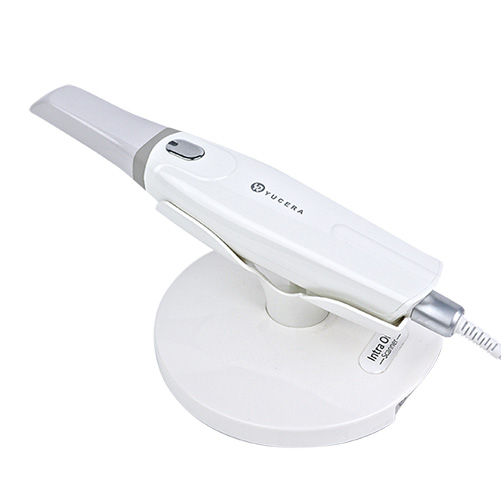
High-precision 3D scanning, AI calibration, full-arch accuracy.
learn more
40-min full sintering with 57% incisal translucency and 1050 MPa strength.
learn more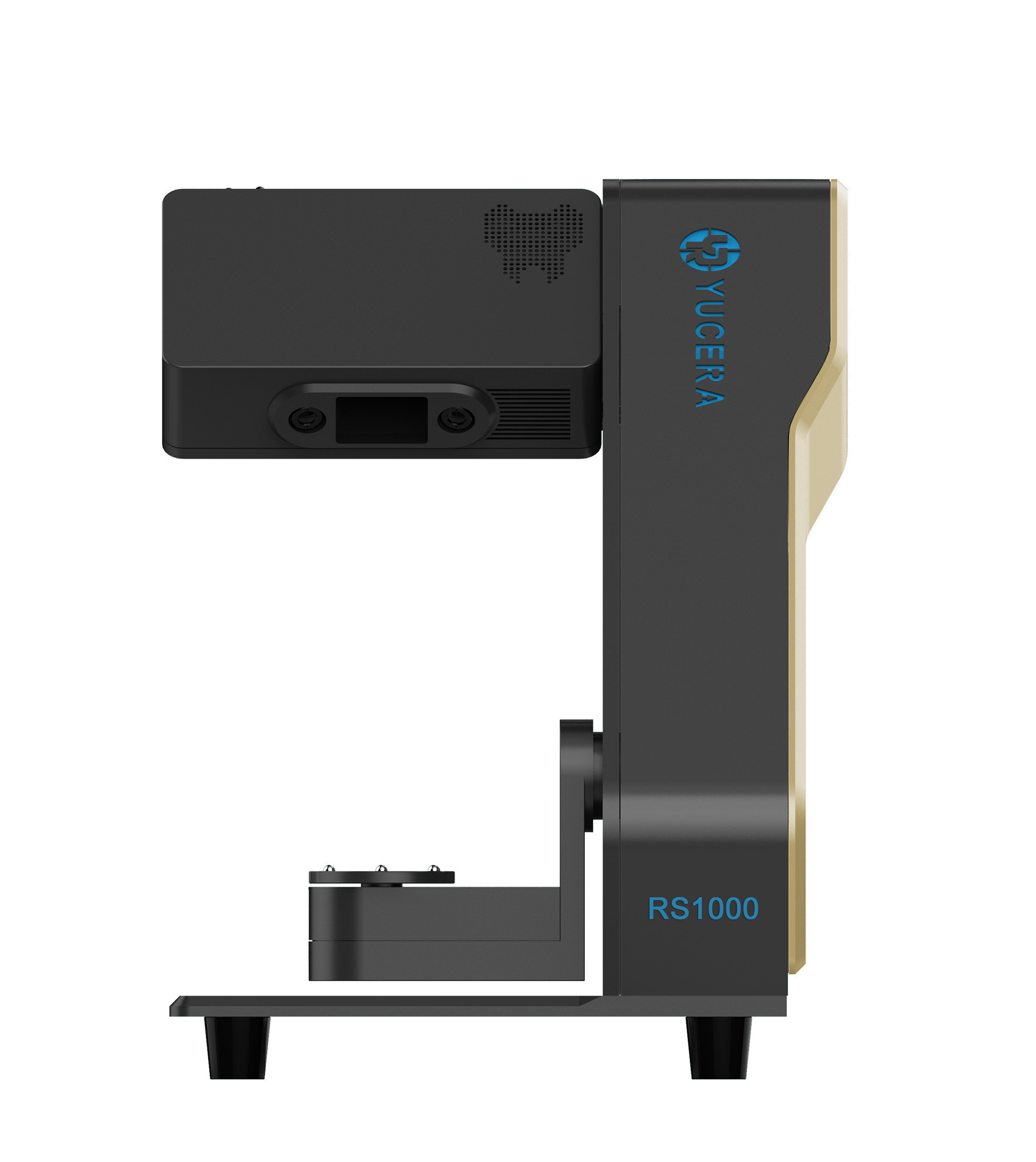
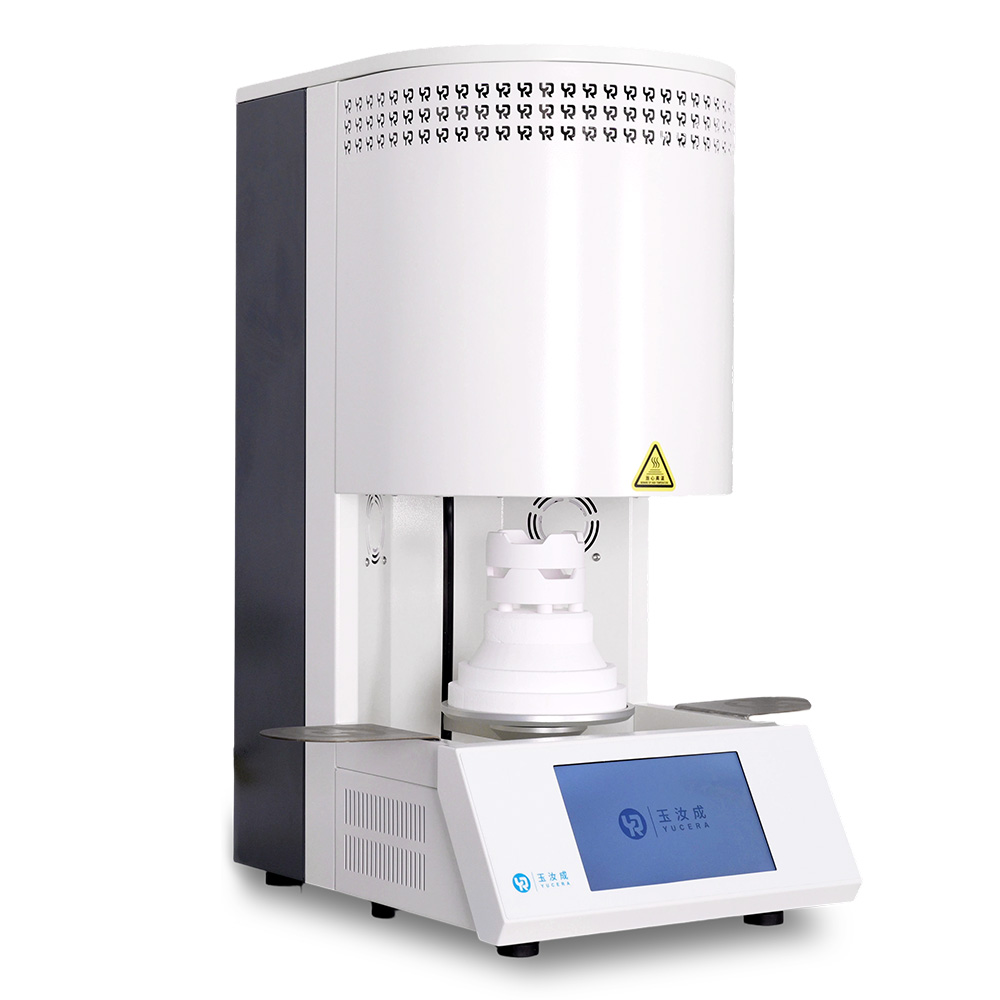
40-min cycle for 60 crowns, dual-layer crucible and 200°C/min heating.
learn more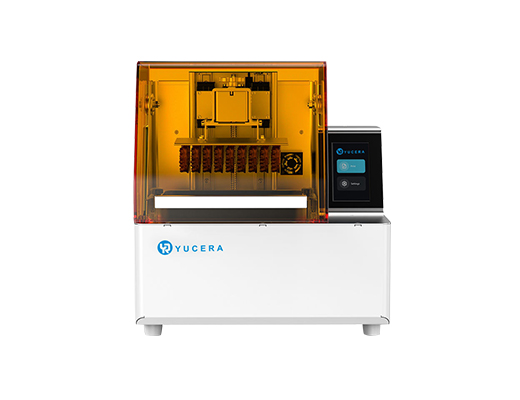
High-speed LCD printer for guides, temporaries, models with 8K resolution.
learn more