


 中 文
中 文

MDD vs MDR: What's the Difference and Which Certification Matters in 2026?
2026-07-06
2026-05-14
Temperature control is one of the most critical factors in dental sintering processes, especially in zirconia-based restorations. Dental laboratories rely on sintering furnaces to convert pre-sintered zirconia into fully dense, mechanically stable restorations. However, temperature variation inside the furnace chamber can significantly affect the final quality of crowns, bridges, and full-contour restorations.
Even small fluctuations in thermal distribution may lead to inconsistencies in color, shrinkage behavior, and structural integrity. As CAD/CAM workflows become more widespread in modern dental labs, understanding and controlling temperature variation has become essential for achieving predictable outcomes.
Temperature variation refers to uneven heat distribution within the furnace chamber during the sintering cycle. Ideally, the furnace should maintain a uniform temperature across all zones. However, in real-world conditions, several factors can cause deviations.
In zirconia sintering, even small deviations can influence crystal growth and final material density.
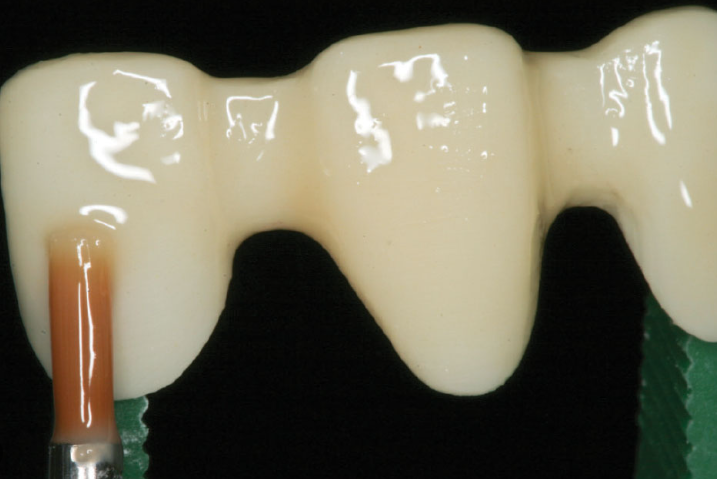
Zirconia is a polycrystalline ceramic material that undergoes phase transformation during sintering. The process requires precise thermal control to ensure full densification and structural stability.
If temperature is uneven:
This directly affects restoration fit and longevity.
Furnaces rely on heating rods (often MoSi₂ or similar materials). Uneven positioning or aging elements may cause:
The way zirconia restorations are placed affects airflow and heat circulation:
Insulation degradation leads to:
Temperature controllers regulate heating cycles. Limitations include:
High-precision systems typically maintain ±1°C control accuracy, which significantly reduces variation risks.
Non-uniform sintering can result in:
Zirconia translucency and shading are influenced by sintering conditions:
Improper sintering leads to:
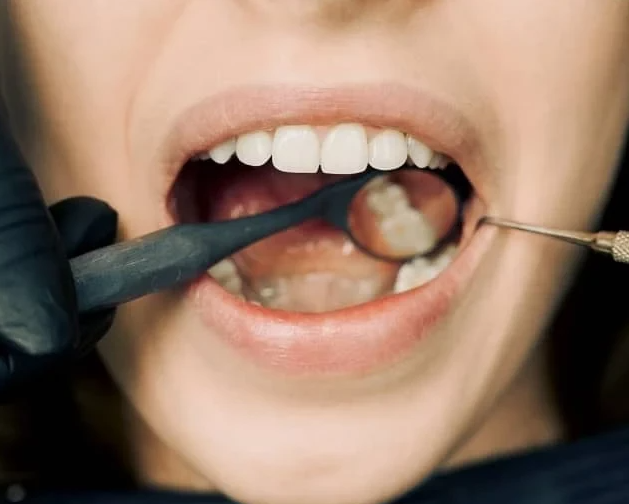
Modern dental laboratories integrate structured workflows to reduce furnace variation impact.
Typical digital dental furnaces support:
Labs often group restorations by:
This reduces variability between cycles.
Advanced dental sintering furnaces are designed to minimize thermal inconsistency through:
Typical technical benchmarks include:
These parameters help ensure reproducible zirconia outcomes across batches.
Based on digital workflow practices:
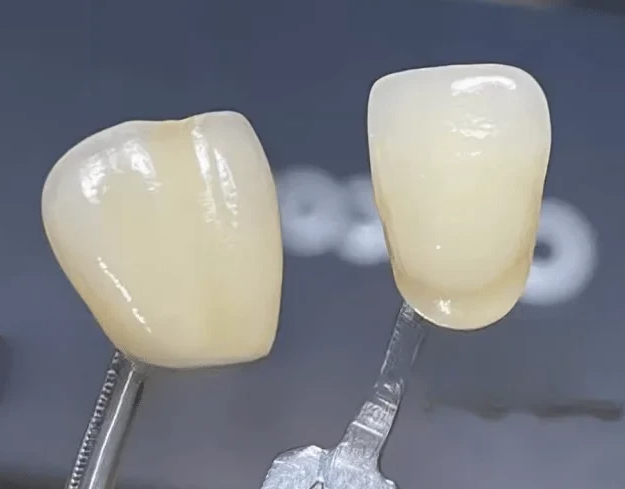
Temperature variation in dental sintering furnaces is one of the most critical factors influencing zirconia restoration quality. Uneven thermal distribution can affect strength, color, and fit accuracy of dental restorations.
By implementing standardized CAD/CAM workflows, optimizing furnace loading strategies, and using high-precision temperature control systems, dental laboratories can significantly reduce variability in zirconia sintering outcomes.
Consistent thermal management is not only a technical requirement but also a foundational step in achieving predictable, high-quality dental restorations in modern digital dentistry.

Dry & wet milling for zirconia, PMMA, wax with auto tool changer.
learn more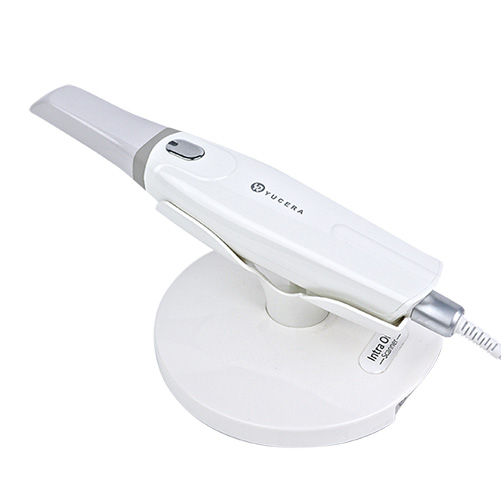
High-precision 3D scanning, AI calibration, full-arch accuracy.
learn more
40-min full sintering with 57% incisal translucency and 1050 MPa strength.
learn more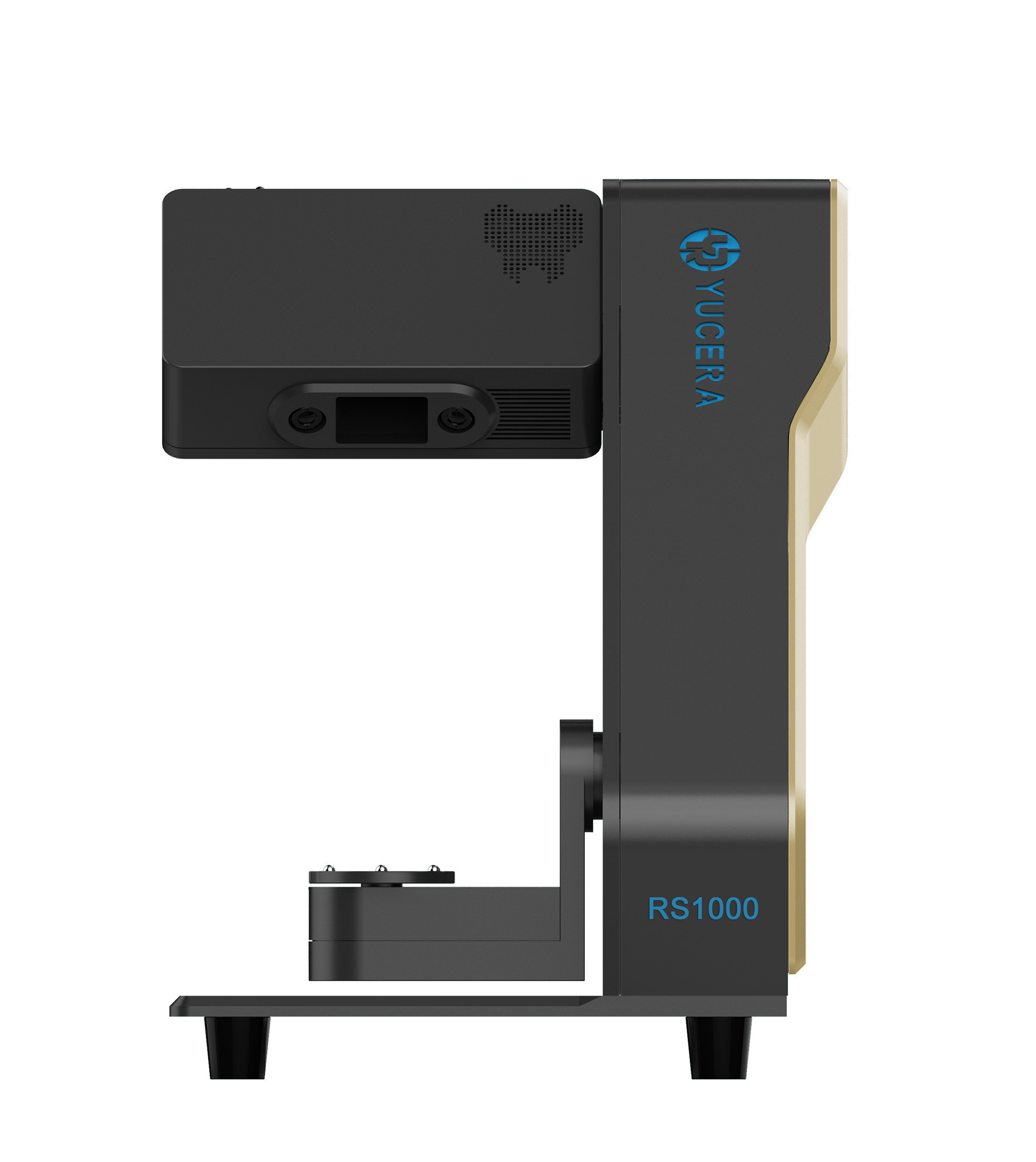
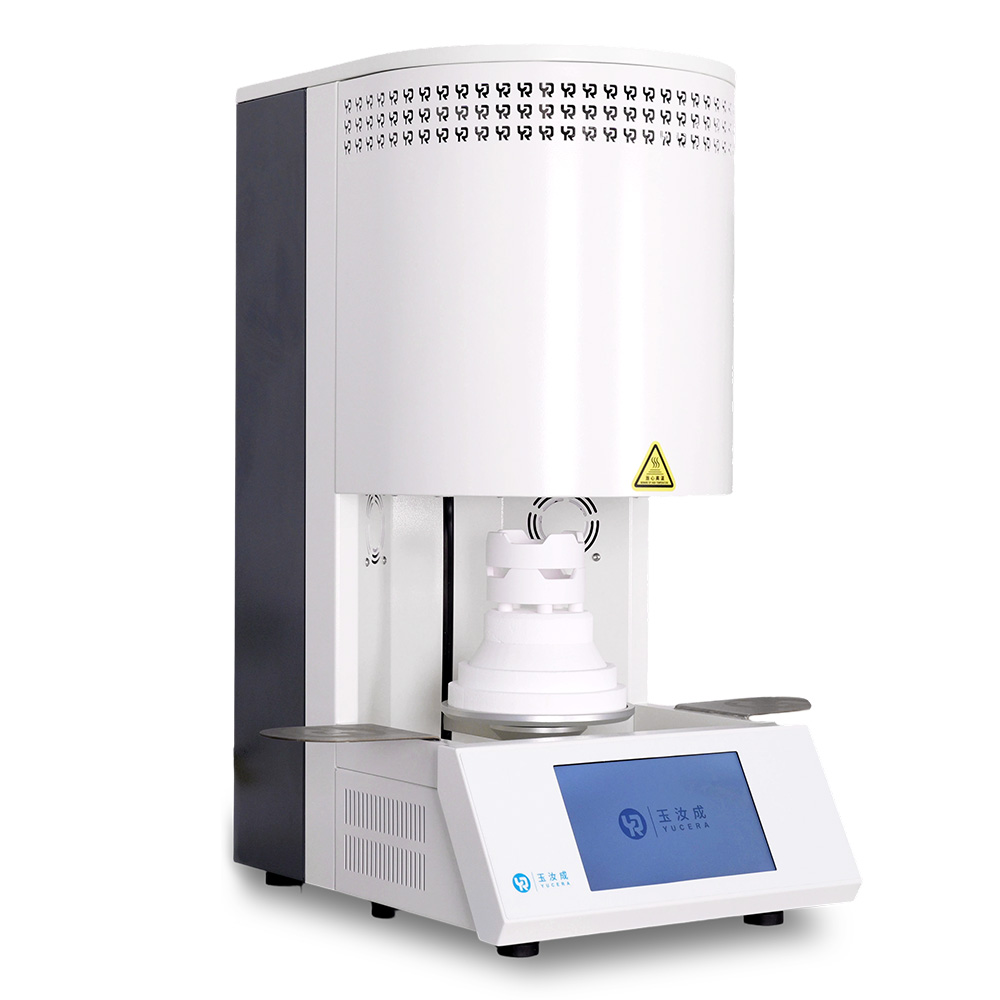
40-min cycle for 60 crowns, dual-layer crucible and 200°C/min heating.
learn more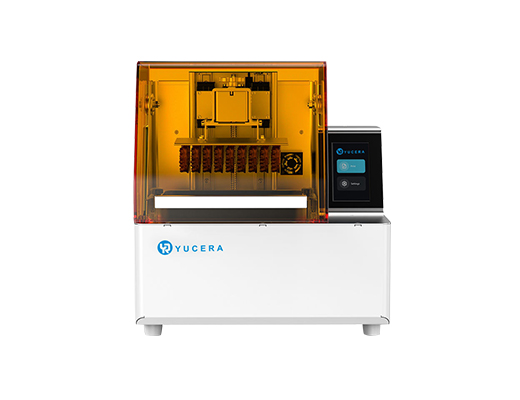
High-speed LCD printer for guides, temporaries, models with 8K resolution.
learn more


