


 中 文
中 文
What is the Difference between Cast Porcelain Veneers and Glass Ceramic Veneers? Which One is Better?
2024-10-21
2026-05-12
From Crowns to Full-Arch Bridges: How All-in-One Milling Ensures Consistent Dental Restorations
Digital dentistry continues to evolve, and all-in-one milling machines have become essential for producing everything from simple single crowns to complex full-arch implant-supported bridges with exceptional consistency. These versatile hybrid systems combine wet and dry processing in a single compact unit, eliminating traditional workflow bottlenecks while delivering repeatable precision across diverse materials and indications.
The Evolution of Dental Restorative Manufacturing
Traditional methods often required multiple machines, manual adjustments, and lengthy lab times, leading to variability in fit, aesthetics, and turnaround. All-in-one milling machines address these issues through advanced simultaneous machining, automated tool management, and material-specific processing modes. This technology ensures every restoration — whether a monolithic crown or a full-arch prosthesis — meets high clinical standards for marginal fit, occlusion, and durability.
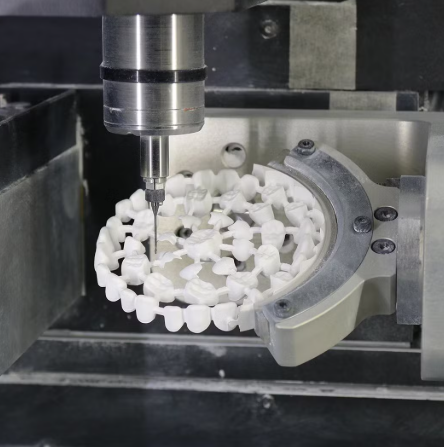
Why All-in-One Systems Excel Across Restorative Complexity
capability provides the freedom to mill complex geometries, undercuts, and angulated implant channels without repositioning the workpiece. Combined with hybrid wet/dry functionality, these machines optimize processing for each material while maintaining accuracy typically in the ±5–10 µm range.
Single Crowns and Small Bridges: Speed and Precision
For everyday restorations like anterior crowns, inlays, onlays, and 3–4 unit bridges, all-in-one mills deliver fast cycle times. Dry milling of zirconia or PMMA can complete a crown in as little as 15–25 minutes, while wet milling of lithium disilicate ensures smooth, chip-free surfaces ideal for high-aesthetics cases. Automatic calibration and tool changers minimize operator intervention, resulting in consistent marginal adaptation and excellent proximal contacts.
Scaling to Multi-Unit and Implant Cases
As case complexity increases, the advantages of all-in-one milling become even more pronounced. Screw-retained crowns, custom abutments, and multi-unit bridges benefit from wide B-axis rotation (often +90° to -30° or greater), allowing precise emergence profiles and angulated screw channels. The hybrid system switches seamlessly between modes, using wet processing for titanium components to manage heat and maintain biocompatibility.
Full-Arch Bridges and Implant Prostheses: The Ultimate Test of Consistency
Full-arch restorations represent the pinnacle of digital manufacturing challenges due to their size, multiple implant angulations, and need for passive fit. All-in-one mills handle these demanding cases effectively:
Labs report producing full-arch zirconia prostheses with excellent occlusal detail and thin, natural-looking margins in under 2 hours of milling time in many cases.
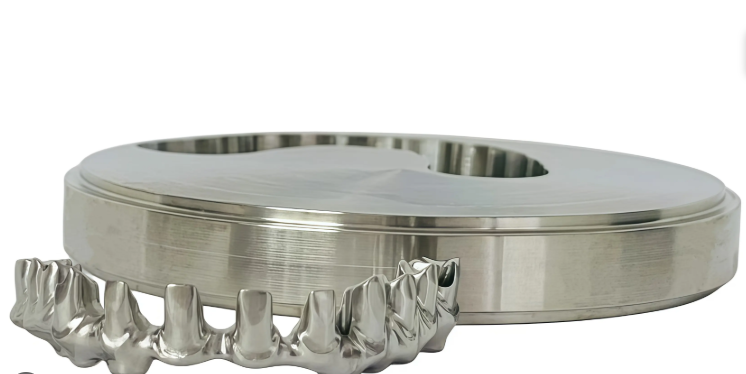
Key Features Enabling Consistency
Material Versatility for Comprehensive Solutions
All-in-one systems support the full spectrum of modern restorative materials:
This flexibility allows technicians to choose the optimal material for each patient’s needs while using the same machine and workflow.
Workflow Benefits and Efficiency Gains
Digital integration from intraoral scan to design to milling creates a seamless process. All-in-one milling reduces:
Practices and labs achieve higher daily output, better resource utilization, and improved patient satisfaction through faster, more predictable results.
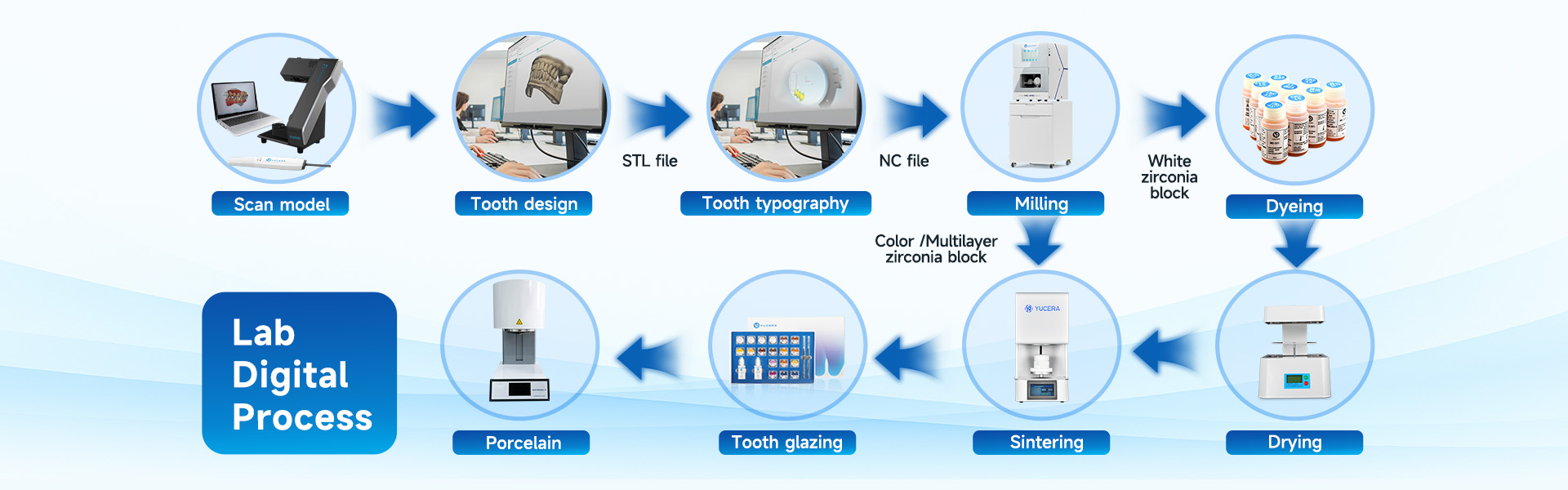
Overcoming Challenges in Complex Restorations
Full-arch cases often involve angulated implants, limited interocclusal space, and high esthetic demands. all-in-one milling addresses these with:
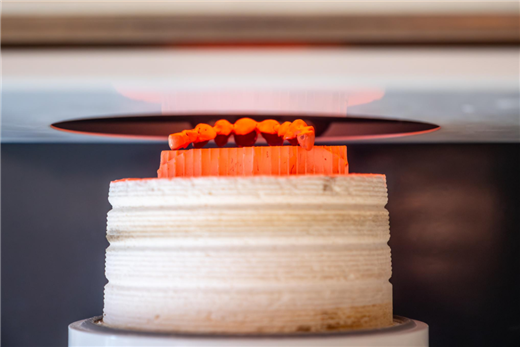
Post-milling processes like sintering (for zirconia) and polishing further enhance the final outcome, but the milled foundation determines long-term success.
Maintenance and Reliability for Long-Term Consistency
Modern machines incorporate robust coolant systems, efficient filtration, and user-friendly interfaces. Following recommended protocols for tool replacement, cleaning, and calibration keeps performance stable over thousands of hours of operation.
Choosing an All-in-One Milling Solution
When selecting equipment, evaluate:
A capable all-in-one system future-proofs your practice as demand for implant-supported and full-arch restorations continues to grow.
Conclusion: Consistent Quality from Simple to Complex
All-in-one wet and dry milling machines have transformed dental restoration manufacturing. They deliver the precision, versatility, and efficiency needed to produce consistent results — whether milling a single crown or a life-changing full-arch bridge.
By investing in this technology, dental professionals can streamline operations, reduce variability, and provide superior patient outcomes in today’s competitive digital dentistry landscape.

Dry & wet milling for zirconia, PMMA, wax with auto tool changer.
learn more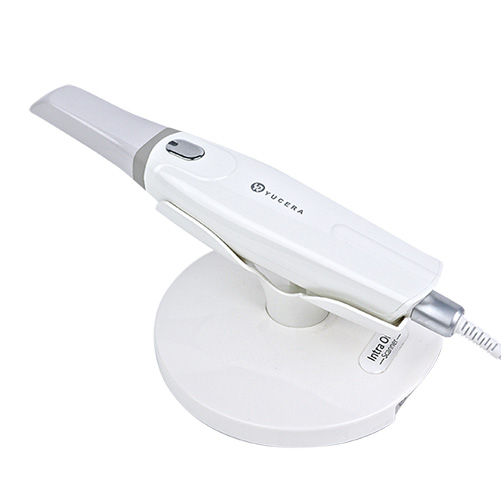
High-precision 3D scanning, AI calibration, full-arch accuracy.
learn more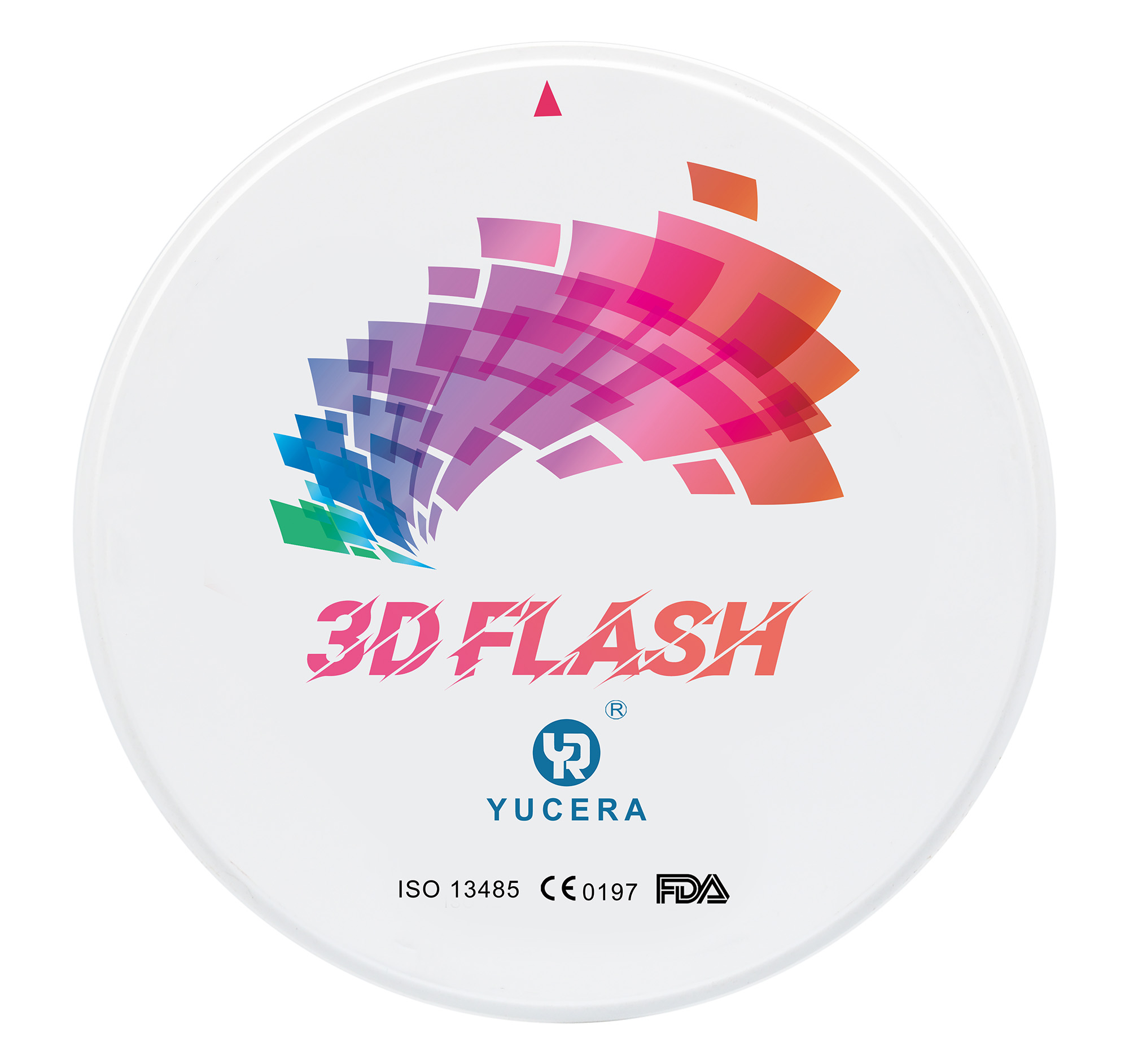
40-min full sintering with 57% incisal translucency and 1050 MPa strength.
learn more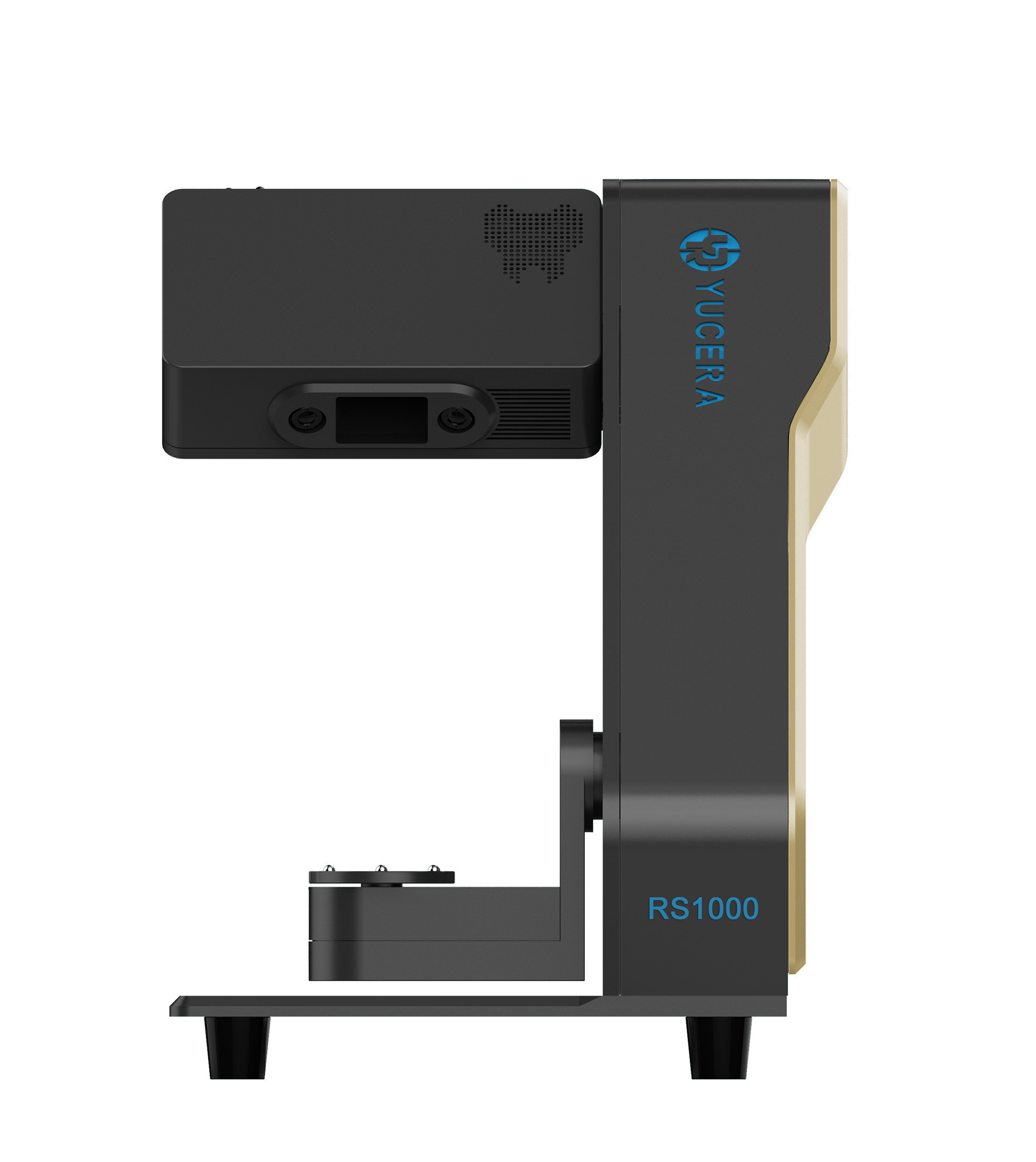
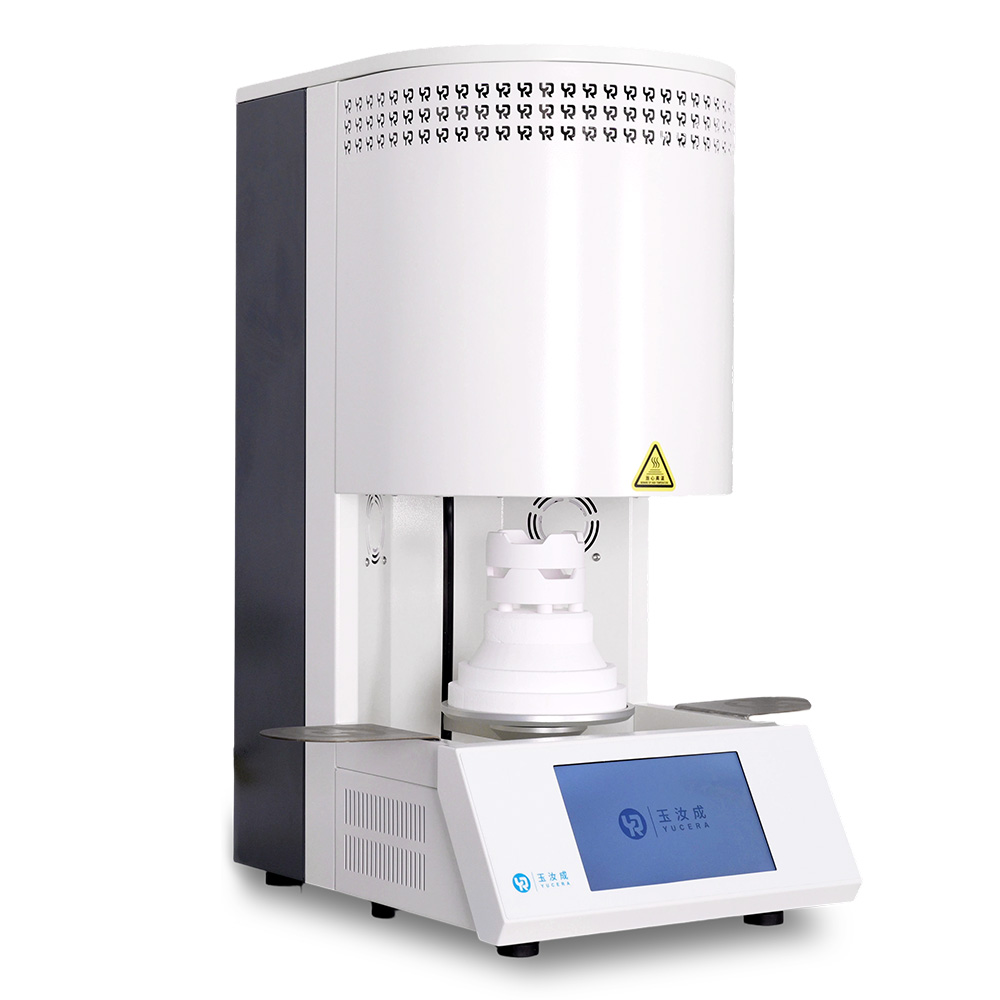
40-min cycle for 60 crowns, dual-layer crucible and 200°C/min heating.
learn more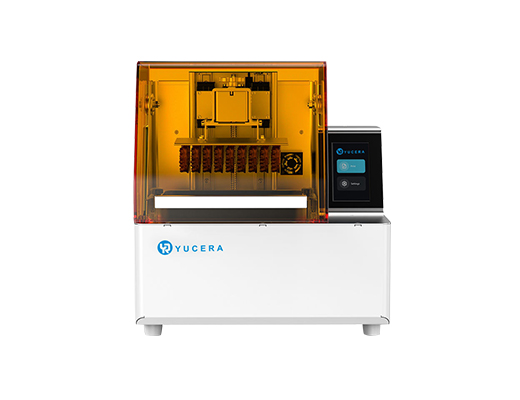
High-speed LCD printer for guides, temporaries, models with 8K resolution.
learn more


2024-10-21

2024-11-14
2026-06-16


