中 文
中 文
Reducing Cracks During Firing in Dental Laboratories | Ceramic Furnace Optimization
2026-05-26
2026-07-21
For more than a century, wax has played a fundamental role in restorative dentistry. Traditionally, dental technicians hand-carved wax patterns to create crowns, bridges, implant frameworks, and removable prostheses. While this method delivered remarkable results in skilled hands, it required significant time, experience, and manual precision.
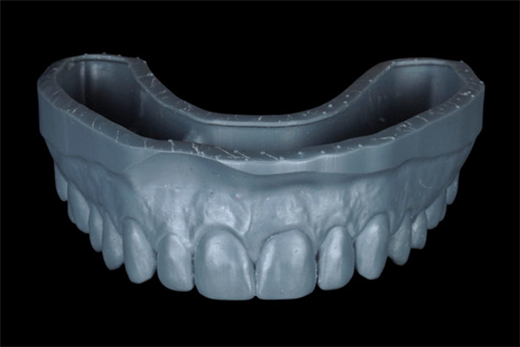
The introduction of CAD/CAM wax discs transformed this workflow. Instead of carving each restoration manually, laboratories could design restorations digitally and mill highly accurate wax patterns directly from industrially manufactured discs.
Today, wax CAD/CAM discs remain an essential material for lost-wax casting, pressable ceramic techniques, implant prosthetics, and diagnostic restorations. This article explores how these discs evolved and why they continue to be indispensable in digital dental manufacturing.
Before CAD/CAM systems became common, nearly every wax pattern was created manually.
Dental technicians used carving instruments and heated wax to build restorations layer by layer before investing and casting.
Traditional workflows included:
Although highly artistic, manual waxing depended heavily on technician experience and could introduce variability between cases.
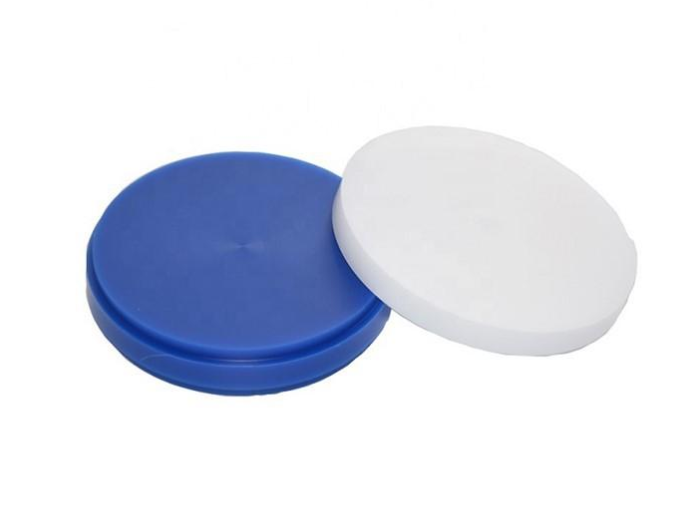
As CAD/CAM technology entered dental laboratories during the 1990s, manufacturers recognized that conventional carving wax was not suitable for precision milling.
Traditional wax often contained internal stresses, inconsistent density, or impurities that could affect machining quality.
To meet the requirements of digital manufacturing, specialized industrial wax discs were developed with:
These improvements made wax an ideal material for computer-controlled milling.
The first wax CAD/CAM discs were designed specifically for dental milling systems.
Compared with manually formed wax blocks, industrially manufactured discs offered:
Laboratories could now generate digital restoration designs and produce wax patterns with minimal manual intervention.
This innovation significantly improved repeatability while reducing production time.
As digital dentistry expanded, wax disc technology continued to improve.
Manufacturers optimized formulations to provide:
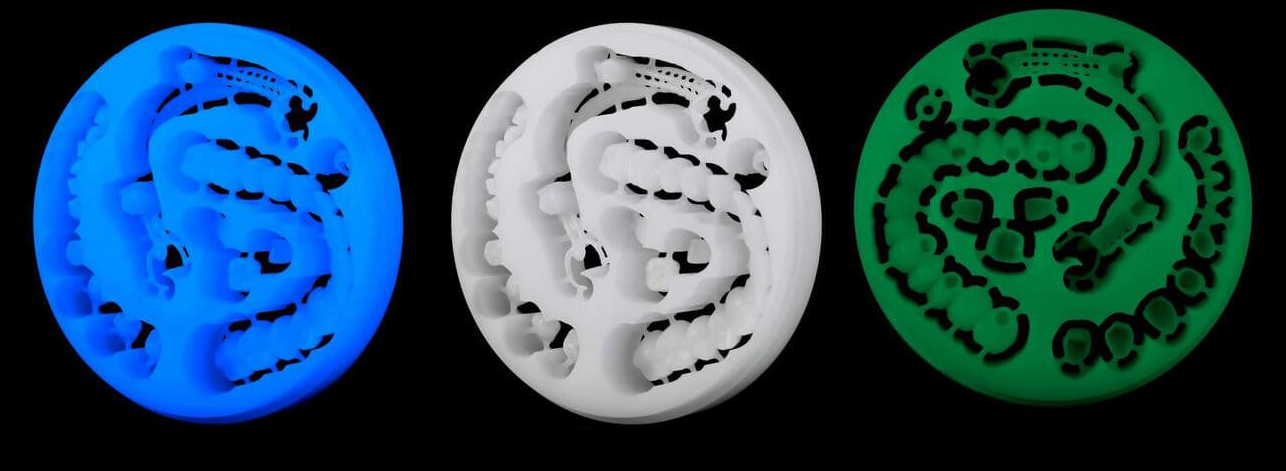
The applications of wax discs also broadened to include:
Their excellent machinability also helped extend milling bur life compared with harder restorative materials.
Today, wax discs are an integral part of many digital laboratory workflows.
A typical process includes:
Because wax mills quickly and accurately, laboratories can fabricate highly detailed patterns with excellent surface quality while maintaining efficient production.
Wax discs also remain valuable for verifying restoration designs before manufacturing definitive prostheses.
Even as zirconia, glass ceramics, and PMMA dominate definitive restorations, wax discs continue to play a unique role.
Their key advantages include:
Rather than competing with definitive restorative materials, wax discs support highly accurate manufacturing workflows.
| Period | Major Milestone |
|---|---|
| Before 1990 | Manual wax carving dominates laboratory production |
| 1990s | CAD/CAM dentistry creates demand for machinable wax |
| Late 1990s–2005 | First industrial wax CAD/CAM discs introduced |
| 2005–2015 | Improved formulations enhance machining and burnout |
| 2015–2020 | Wider adoption in implant, casting, and pressable ceramic workflows |
| 2020–2026 | Intelligent CAD/CAM integration and automated production |
| Feature | Traditional Dental Wax | Wax CAD/CAM Disc |
|---|---|---|
| Manufacturing | Manual shaping | Industrial preformed disc |
| Density | Variable | Uniform and controlled |
| Machining | Hand carving | CNC milling |
| Dimensional Consistency | Operator-dependent | Highly repeatable |
| Burnout | Good | Optimized for clean burnout |
| Main Applications | Conventional waxing | Digital casting patterns, pressable ceramics, implant frameworks |
The future of wax CAD/CAM discs will focus on improving both manufacturing efficiency and digital integration.
Expected developments include:
Although additive manufacturing is expanding, wax CAD/CAM discs will continue to play an important role wherever precision casting and pressable ceramic techniques are required.
The evolution of wax CAD/CAM discs illustrates how traditional laboratory materials can be successfully adapted for the digital era.
By combining the proven advantages of dental wax with industrial manufacturing and CAD/CAM technology, these discs have become an essential material for precision casting and digital laboratory workflows.
As digital dentistry continues to evolve, wax CAD/CAM discs will remain a reliable bridge between conventional craftsmanship and intelligent manufacturing.

Dry & wet milling for zirconia, PMMA, wax with auto tool changer.
learn more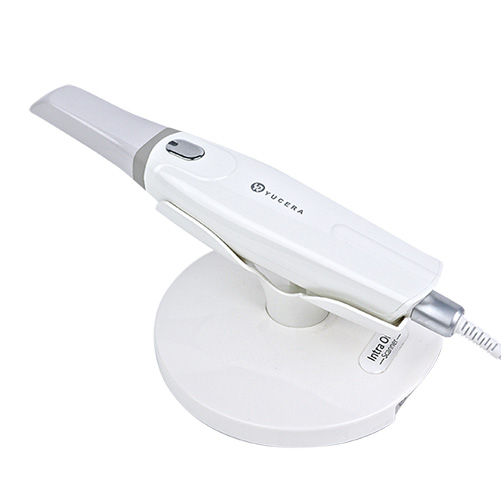
High-precision 3D scanning, AI calibration, full-arch accuracy.
learn more
40-min full sintering with 57% incisal translucency and 1050 MPa strength.
learn more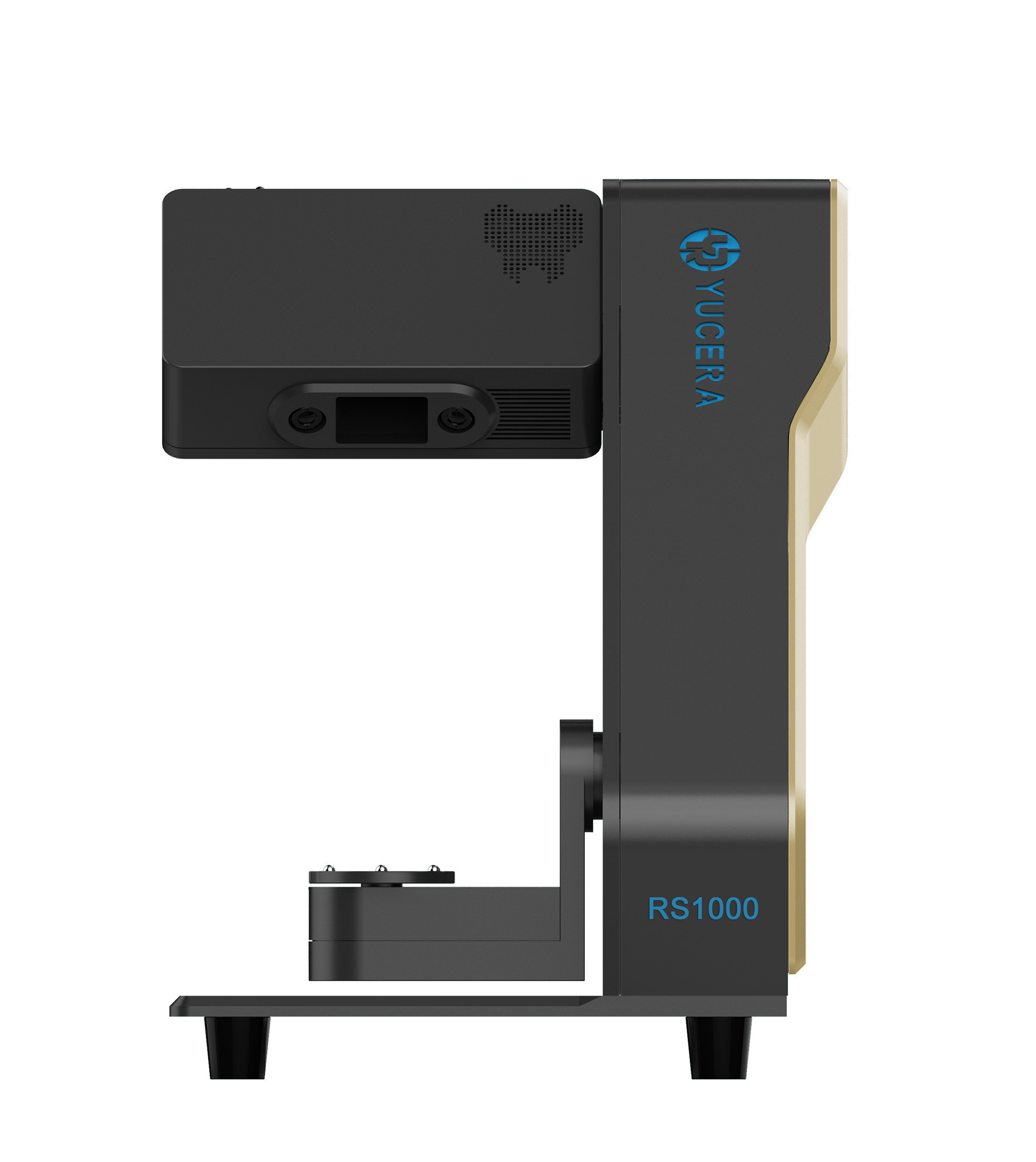
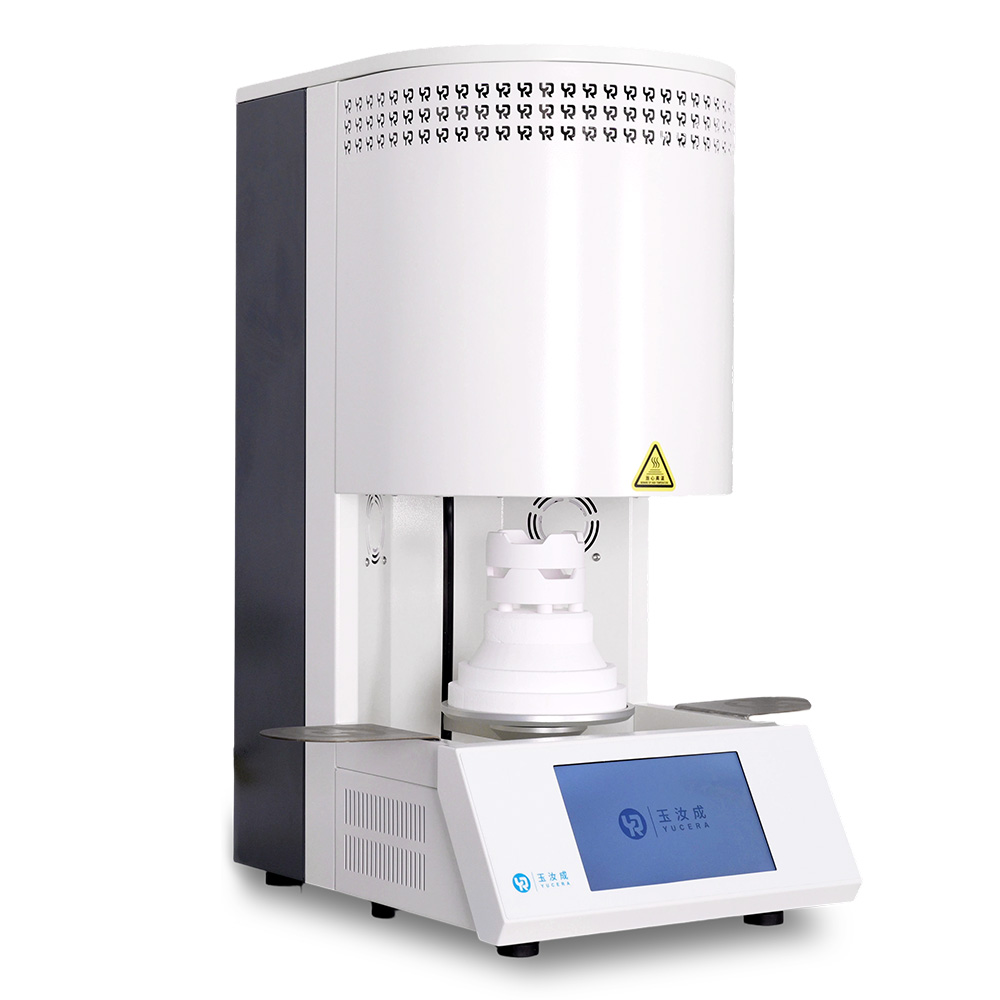
40-min cycle for 60 crowns, dual-layer crucible and 200°C/min heating.
learn more
High-speed LCD printer for guides, temporaries, models with 8K resolution.
learn more