


 中 文
中 文
Three-Stage Filtration + Intelligent Synchronization: How CAD/CAM Vacuums Protect Milling Spindles & Technician Health – 2026 European Practical Guide
2026-03-25
2026-05-26
Cracks during ceramic firing remain a significant challenge in dental laboratories, particularly for cosmetic dental restorations such as all-ceramic crowns, veneers, inlays, and bridges. These cracks not only compromise the aesthetic outcome but can also weaken the structural integrity of restorations, leading to increased rework and material waste.
Common causes of firing cracks include inaccurate temperature control, rapid heating, unsuitable firing curves, and uneven cooling, all of which can introduce thermal stress into the ceramic material.
Crack formation is most critical in the following dental applications:
Understanding these applications allows dental laboratories to focus on workflow optimization and equipment selection, ensuring that cosmetic outcomes and mechanical stability are both achieved.
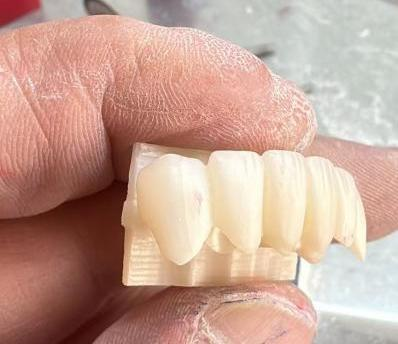
Using a ceramic furnace with ±2°C temperature accuracy ensures uniform heating throughout the firing cycle, reducing localized thermal stress and color inconsistency.
Selecting or customizing firing programs according to material properties—whether high-translucency ceramics or high-strength zirconia—prevents overheating and ensures optimal sintering.
A controlled, gradual cooling process minimizes thermal stress, reducing the likelihood of cracks and distortion, and ensures the restoration remains stable during demolding and clinical use.
Proper scheduling of the number of restorations per cycle and careful separation of different ceramic materials help prevent temperature fluctuations and ensure consistent firing results.
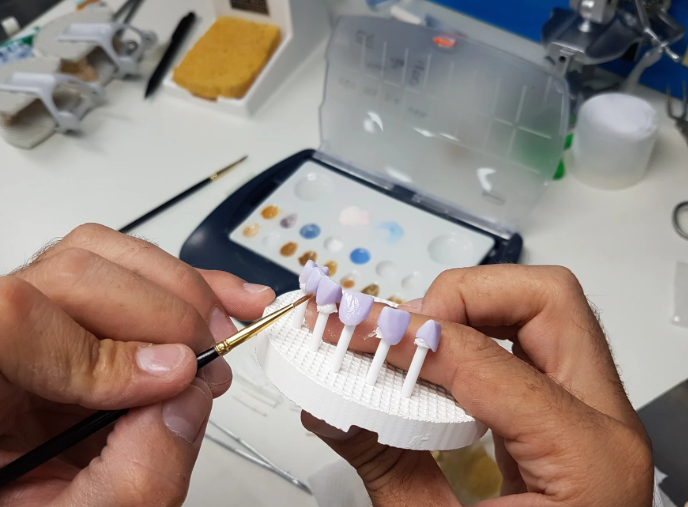
When choosing a ceramic furnace, dental laboratories should consider the following high-performance indicators:
These parameters are critical for achieving stable and reproducible results, which are essential in European and American dental labs focusing on high-quality cosmetic restorations.
Cracks during firing represent a major risk in cosmetic dental restorations, impacting both aesthetics and durability. By selecting a high-precision, programmable ceramic furnace with automatic cooling, and optimizing firing workflows, dental laboratories can significantly reduce crack formation. This ensures restorations are color-consistent, structurally stable, and clinically reliable, supporting the high standards of modern digital dentistry.

Dry & wet milling for zirconia, PMMA, wax with auto tool changer.
learn more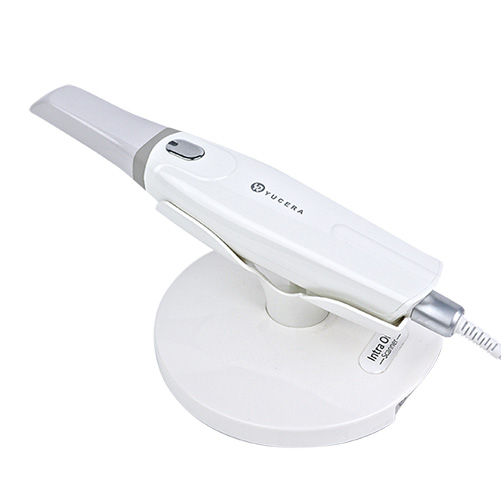
High-precision 3D scanning, AI calibration, full-arch accuracy.
learn more
40-min full sintering with 57% incisal translucency and 1050 MPa strength.
learn more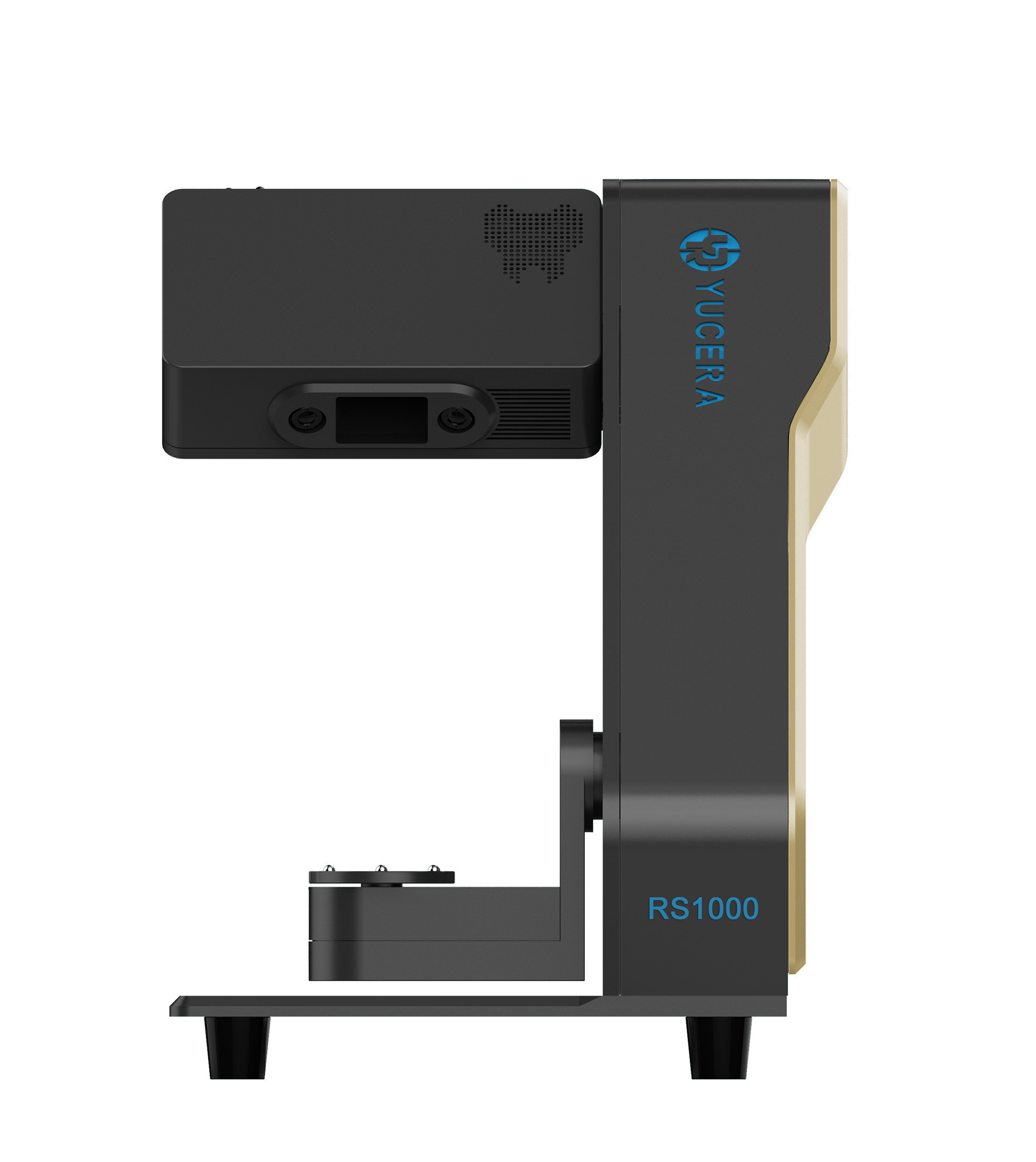
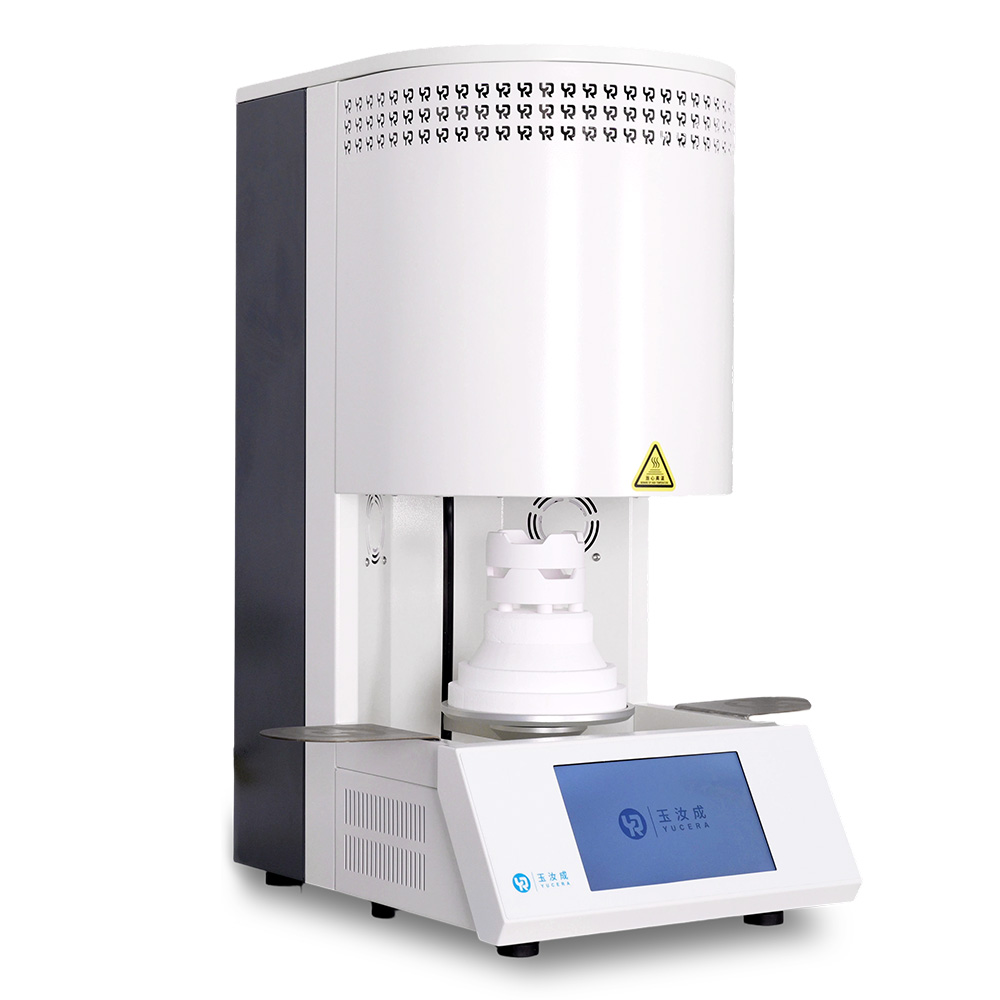
40-min cycle for 60 crowns, dual-layer crucible and 200°C/min heating.
learn more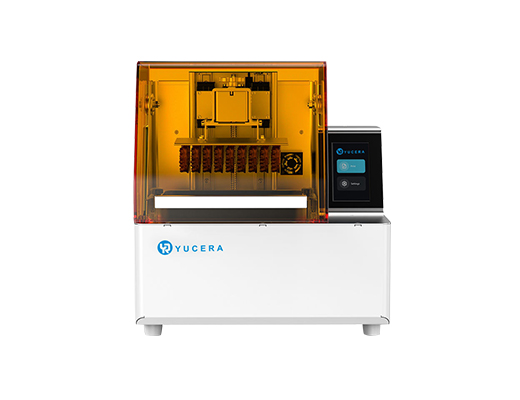
High-speed LCD printer for guides, temporaries, models with 8K resolution.
learn more


2026-03-25
2026-06-10

2024-12-26


