中 文
中 文

IDEM Singapore 2026: Revolutionizing Dental Laboratories with Advanced CAD/CAM & Digital Workflow Solutions
2026-04-11
2026-07-17
Among all dental materials used today, polymethyl methacrylate (PMMA) has one of the longest and most successful histories. First introduced to dentistry nearly a century ago, PMMA transformed removable prosthetics and later became one of the most widely used materials in digital dentistry.
Today, PMMA is no longer limited to conventional denture fabrication. With the rise of CAD/CAM technology, high-density PMMA discs are routinely milled into temporary crowns, bridges, implant prostheses, diagnostic mock-ups, and long-term provisional restorations.
This article explores how PMMA evolved from a simple acrylic resin into one of the most versatile materials in modern dental laboratories.
PMMA was first synthesized in the early twentieth century during research into transparent acrylic polymers.
By the 1930s, industrial production had made the material widely available thanks to its unique properties:
Although initially developed for industrial applications such as aircraft windows and optical lenses, researchers soon recognized its potential for medical and dental use.
Before PMMA, denture bases were commonly made from vulcanized rubber.
These materials often suffered from:
PMMA offered a significant improvement.
Its natural appearance, color stability, polishability, and relatively simple processing quickly made it the preferred material for complete and partial denture bases.
By the mid-twentieth century, PMMA had become the standard denture base material worldwide.
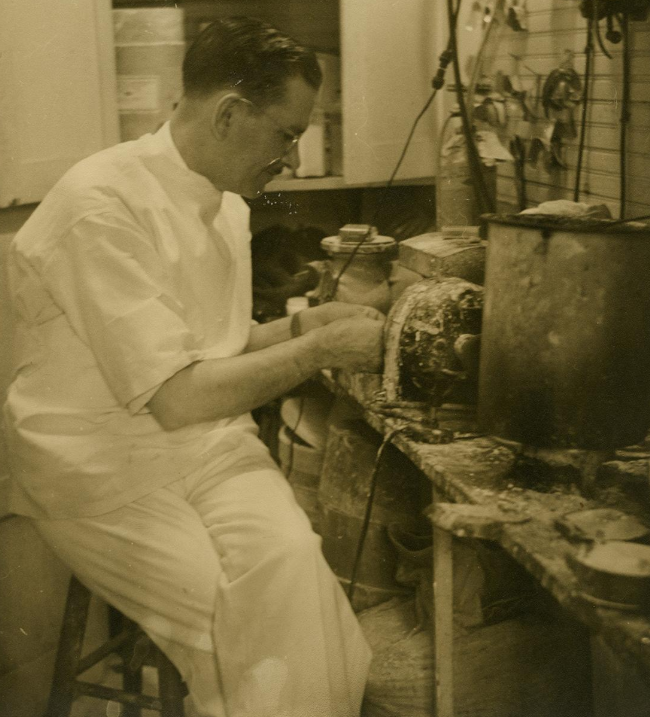
As dental laboratories expanded, manufacturers refined PMMA formulations to improve clinical performance.
Developments included:
Processing techniques also evolved, allowing more predictable polymerization and stronger, more durable prostheses.
During this period, PMMA was also increasingly used for custom trays, orthodontic appliances, occlusal splints, and provisional restorations.
The emergence of CAD/CAM technology fundamentally changed PMMA manufacturing.
Instead of manually mixing powder and liquid resin, manufacturers began producing pre-polymerized PMMA discs under controlled industrial conditions.
These discs offered several advantages:
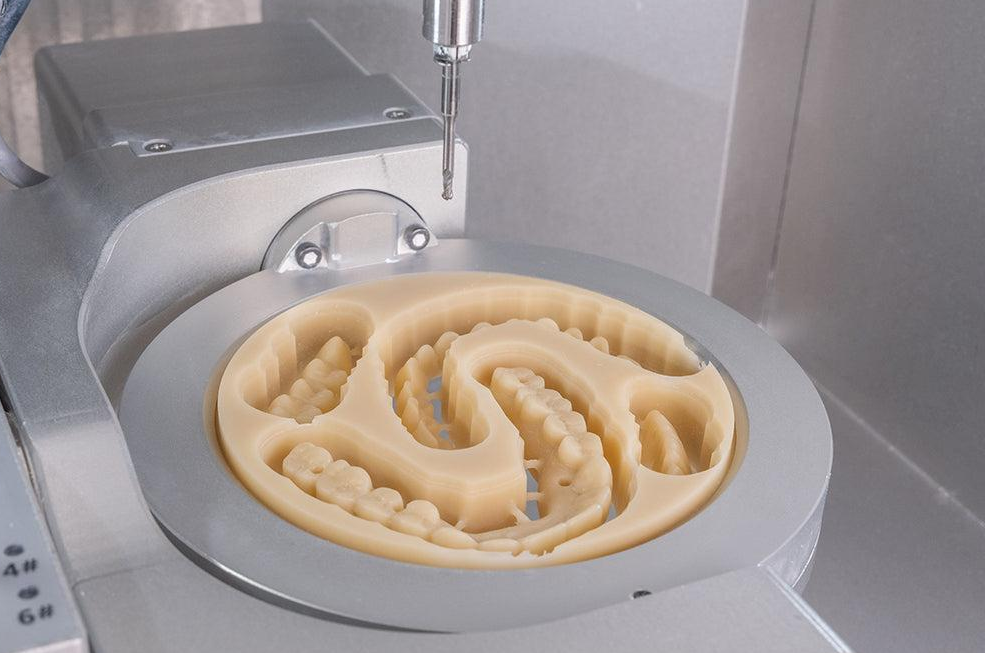
Dental laboratories could now mill temporary restorations directly from PMMA discs using CAD/CAM milling machines.
This represented a major improvement in efficiency and restoration quality.
As digital workflows became standard, PMMA applications expanded rapidly.
Today, CAD/CAM PMMA is commonly used for:
Compared with conventionally processed acrylic resin, industrially polymerized PMMA discs generally provide:
These characteristics make PMMA one of the most dependable materials for provisional restorations.
The evolution of PMMA has closely followed advances in milling technology.
Today's five-axis milling machines can process PMMA with exceptional efficiency while producing smooth surface finishes and precise margins.
Compared with zirconia or glass ceramics, PMMA is easier to machine, allowing:
As a result, PMMA remains one of the most frequently milled materials in CAD/CAM production.
| Period | Major Milestone |
|---|---|
| Early 1900s | PMMA polymer developed |
| 1930s | PMMA introduced into dentistry |
| 1940s–1950s | PMMA replaces vulcanized rubber for denture bases |
| 1950s–1980s | Material properties continuously improved |
| 1990s | CAD/CAM technology begins influencing dental manufacturing |
| 2000–2010 | Pre-polymerized PMMA discs become commercially available |
| 2010–2020 | PMMA widely adopted for digital provisional restorations |
| 2020–2026 | High-performance multilayer PMMA and intelligent CAD/CAM workflows become mainstream |
Although modern dentistry offers many restorative materials, PMMA continues to play a unique role.
Its balance of machinability, affordability, esthetics, and biocompatibility makes it difficult to replace for provisional applications.
Whether used for a single temporary crown or a full-arch provisional restoration, PMMA allows clinicians and laboratories to evaluate esthetics, occlusion, and function before definitive treatment.
For this reason, PMMA remains an indispensable part of digital restorative dentistry.
The future of dental PMMA is focused on improving both material performance and workflow integration.
Key development areas include:
As digital dentistry continues to evolve, PMMA will remain a key material for temporary restorations and laboratory efficiency.
From replacing vulcanized rubber in the 1930s to becoming a cornerstone of CAD/CAM provisional restorations, PMMA has continuously adapted to meet the changing needs of dentistry.
Its evolution reflects the broader transformation of dental materials—from manually processed acrylics to precision-manufactured digital discs capable of producing highly accurate restorations.
Even as new restorative materials emerge, PMMA continues to provide an ideal balance of efficiency, predictability, and clinical versatility, ensuring its place in the future of digital dentistry.

Dry & wet milling for zirconia, PMMA, wax with auto tool changer.
learn more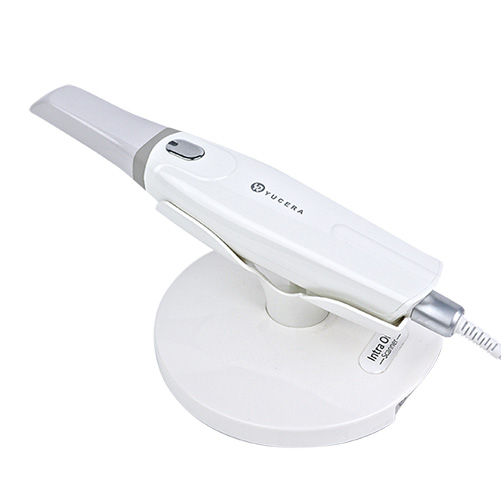
High-precision 3D scanning, AI calibration, full-arch accuracy.
learn more
40-min full sintering with 57% incisal translucency and 1050 MPa strength.
learn more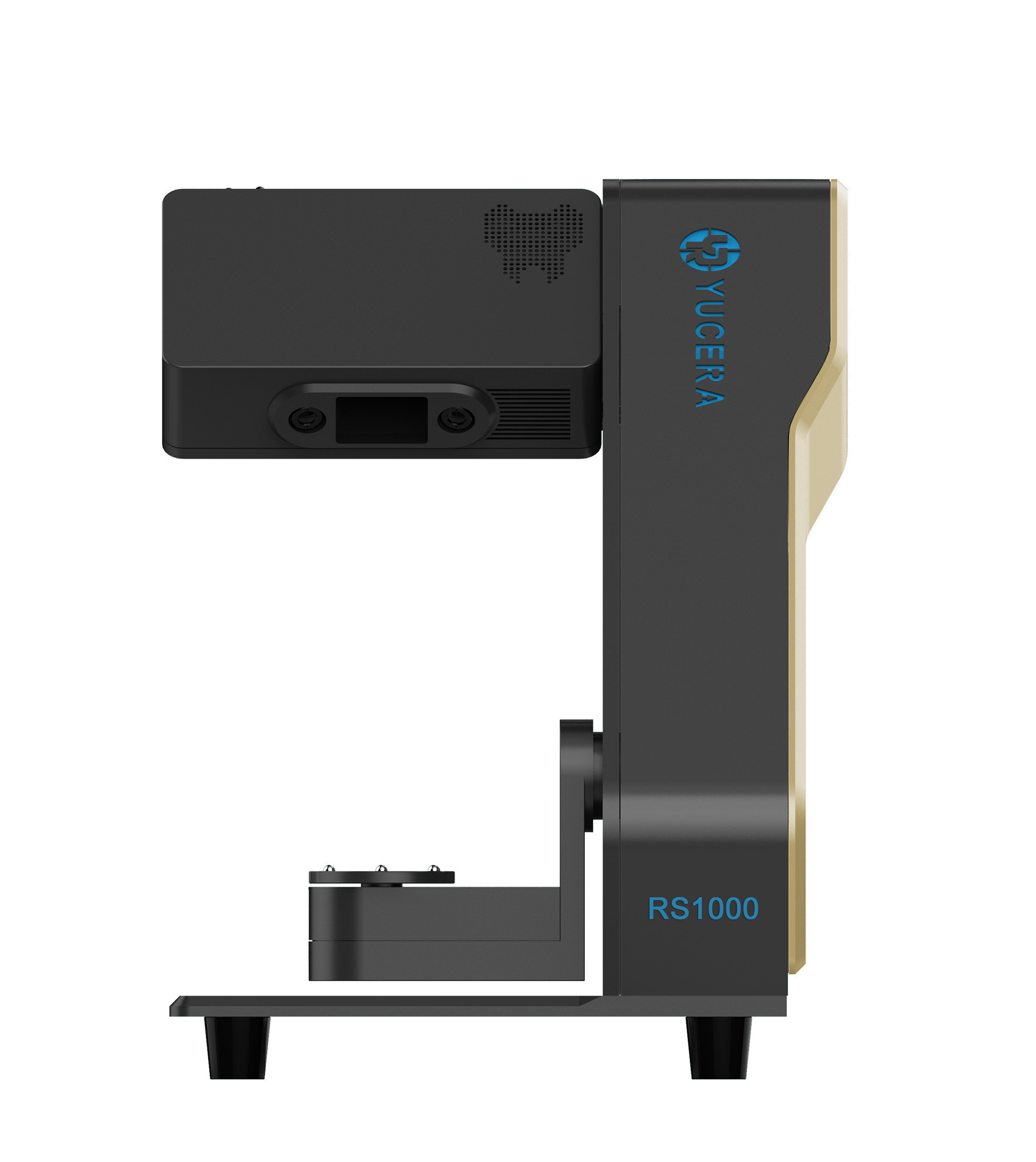
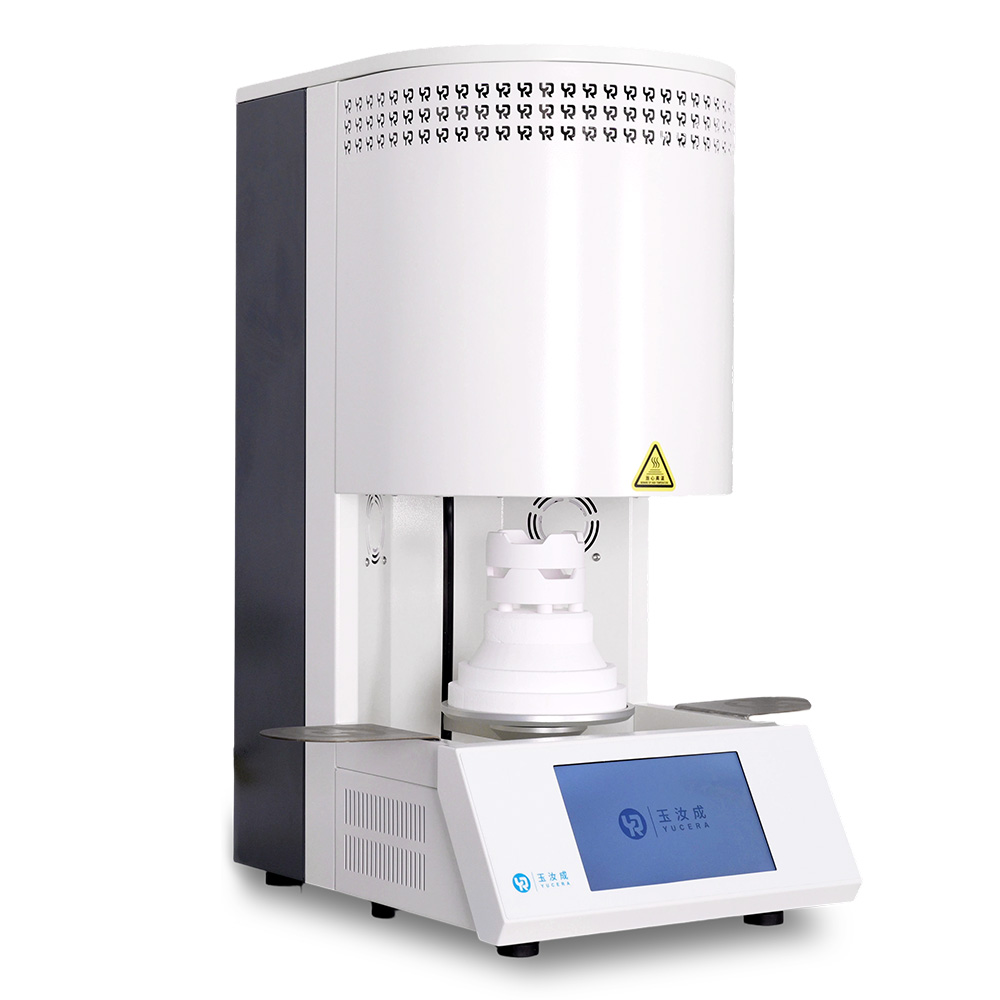
40-min cycle for 60 crowns, dual-layer crucible and 200°C/min heating.
learn more
High-speed LCD printer for guides, temporaries, models with 8K resolution.
learn more