


 中 文
中 文
Automated Post-Processing for Dental 3D Printing: Close the Loop & Boost Efficiency in 2026
2026-04-10
2026-07-11
Digital dentistry is transforming the way dental laboratories design and manufacture restorations. With the development of CAD/CAM technology, more laboratories are moving from traditional manual workflows toward integrated digital production systems.
A modern CAD/CAM workflow connects multiple stages, including digital scanning, CAD design, milling, sintering, and final restoration finishing. This integration helps dental laboratories improve workflow flexibility, expand material options, and better manage increasing restoration demands.
Recently, a dental laboratory began upgrading its digital production capabilities by introducing CAD/CAM equipment into its workflow. The installation marks an important step toward building a more efficient and technology-driven dental manufacturing environment.
A complete digital dental workflow is not based on a single device. Instead, it requires the coordination of multiple technologies and materials.
The typical digital workflow includes:
The process begins with obtaining accurate digital information through intraoral scanners or laboratory scanners.
Digital scanning reduces dependence on traditional impressions and provides precise 3D data for restoration design.
After scanning, dental technicians use CAD software to design restorations such as:
Digital design allows technicians to adjust morphology, occlusion, and aesthetics before manufacturing.
The designed restoration is transferred to CAM equipment for precise manufacturing.
Depending on the material requirements, dental laboratories may process:
After milling, restorations may require additional procedures such as sintering, staining, glazing, or polishing to achieve the final clinical requirements.
A well-connected workflow helps laboratories manage each step more efficiently.
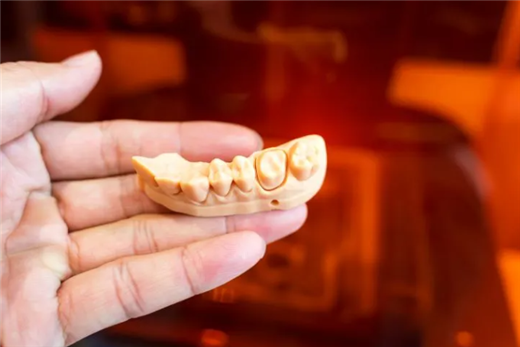
The provided images show the arrival and preparation of CAD/CAM equipment inside the dental laboratory.
Before starting production, equipment placement, workspace organization, and workflow planning are essential steps for successful CAD/CAM integration.
A suitable laboratory environment helps ensure:
The installation of new CAD/CAM equipment represents more than adding a machine. It represents the laboratory’s transition toward a more integrated digital production approach.
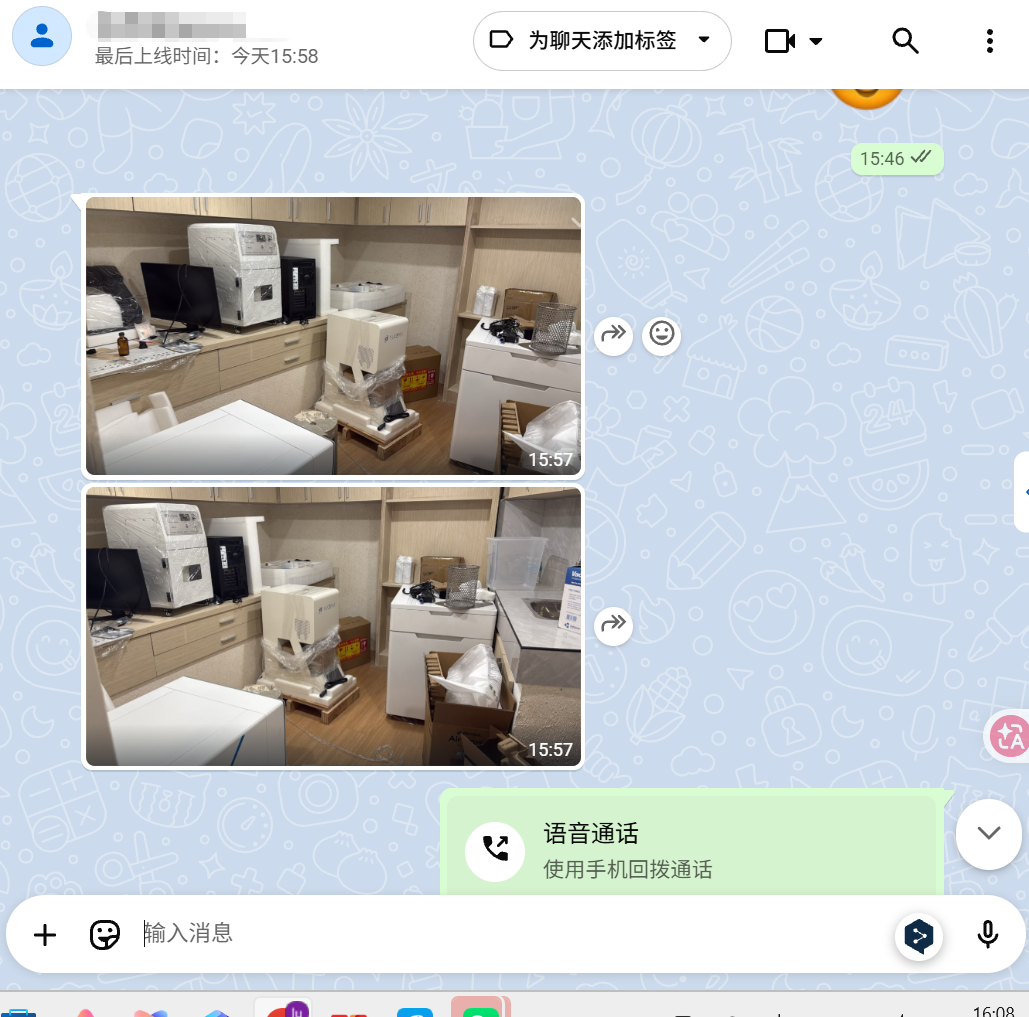
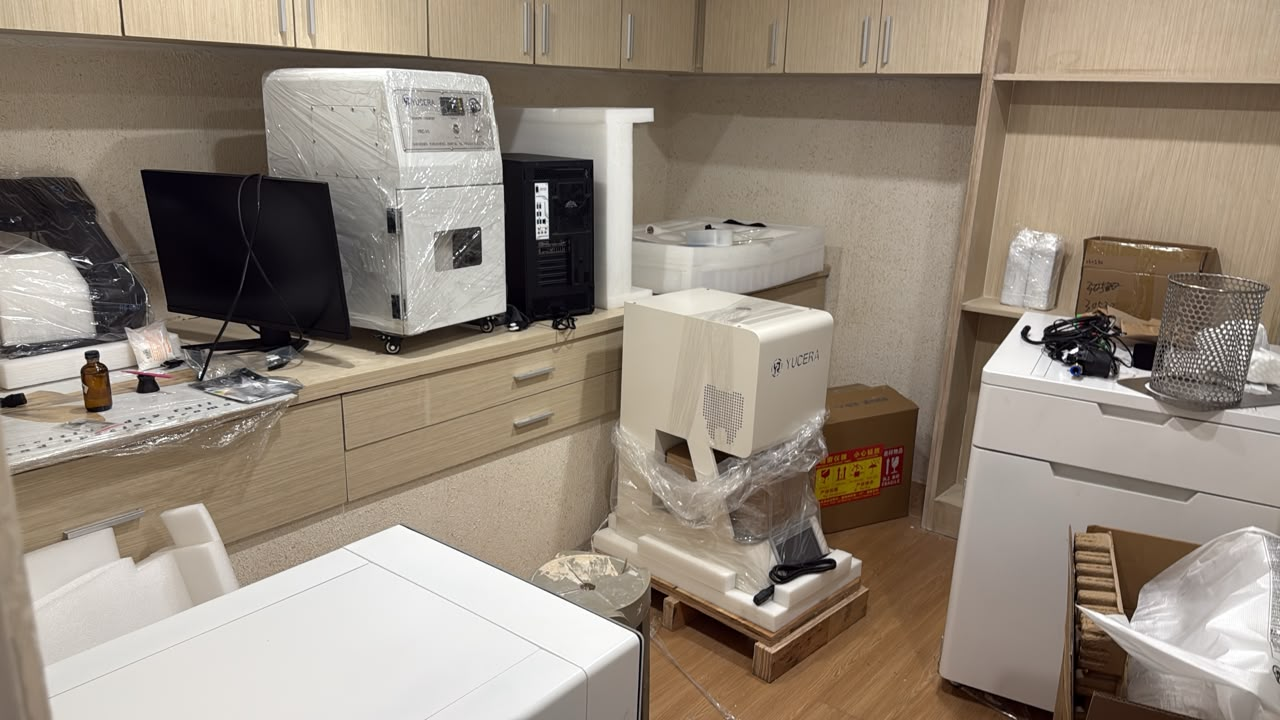
The adoption of CAD/CAM technology is driven by the increasing demand for digital dental restorations.
Compared with traditional production methods, digital workflows provide several advantages.
Digital systems allow technicians to manage the entire production process through connected software and equipment.
From design modification to manufacturing parameters, digital workflows provide greater control over restoration production.
Modern CAD/CAM systems support a wider range of dental materials.
Laboratories can select materials according to clinical requirements, including:
This flexibility enables laboratories to handle more diverse cases.
A digital workflow reduces dependence on manual steps and helps standardize production procedures.
Through precise digital design and automated manufacturing, laboratories can establish repeatable processes for daily production.
A successful CAD/CAM workflow requires cooperation between equipment, materials, and technical support.
For dental laboratories, selecting a CAD/CAM partner means considering more than hardware specifications.
Important factors include:
The system should match the laboratory’s production requirements, material applications, and workflow structure.
Compatible materials and optimized processing parameters are essential for achieving predictable restoration results.
Professional guidance during installation, operation, and maintenance helps laboratories integrate new technology smoothly.
By providing CAD/CAM equipment and dental materials together, manufacturers can support laboratories throughout their digital transformation journey.
The development of digital dentistry continues to reshape dental manufacturing.
As CAD/CAM technology becomes more accessible, more laboratories are exploring digital solutions to improve production efficiency and expand their service capabilities.
The transition to digital dentistry is not achieved overnight. It is a continuous process that includes:
Every successful installation represents a new step toward a smarter and more connected dental manufacturing environment.
This customer case demonstrates the growing adoption of CAD/CAM technology in modern dental laboratories.
By introducing digital equipment into their workflow, laboratories can gradually build more efficient production systems and explore new possibilities in restorative dentistry.
As digital dentistry continues to evolve, integrated CAD/CAM solutions will remain an important foundation for the future of dental manufacturing.

Dry & wet milling for zirconia, PMMA, wax with auto tool changer.
learn more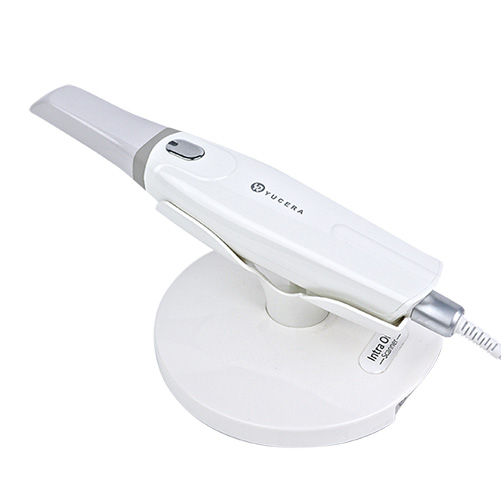
High-precision 3D scanning, AI calibration, full-arch accuracy.
learn more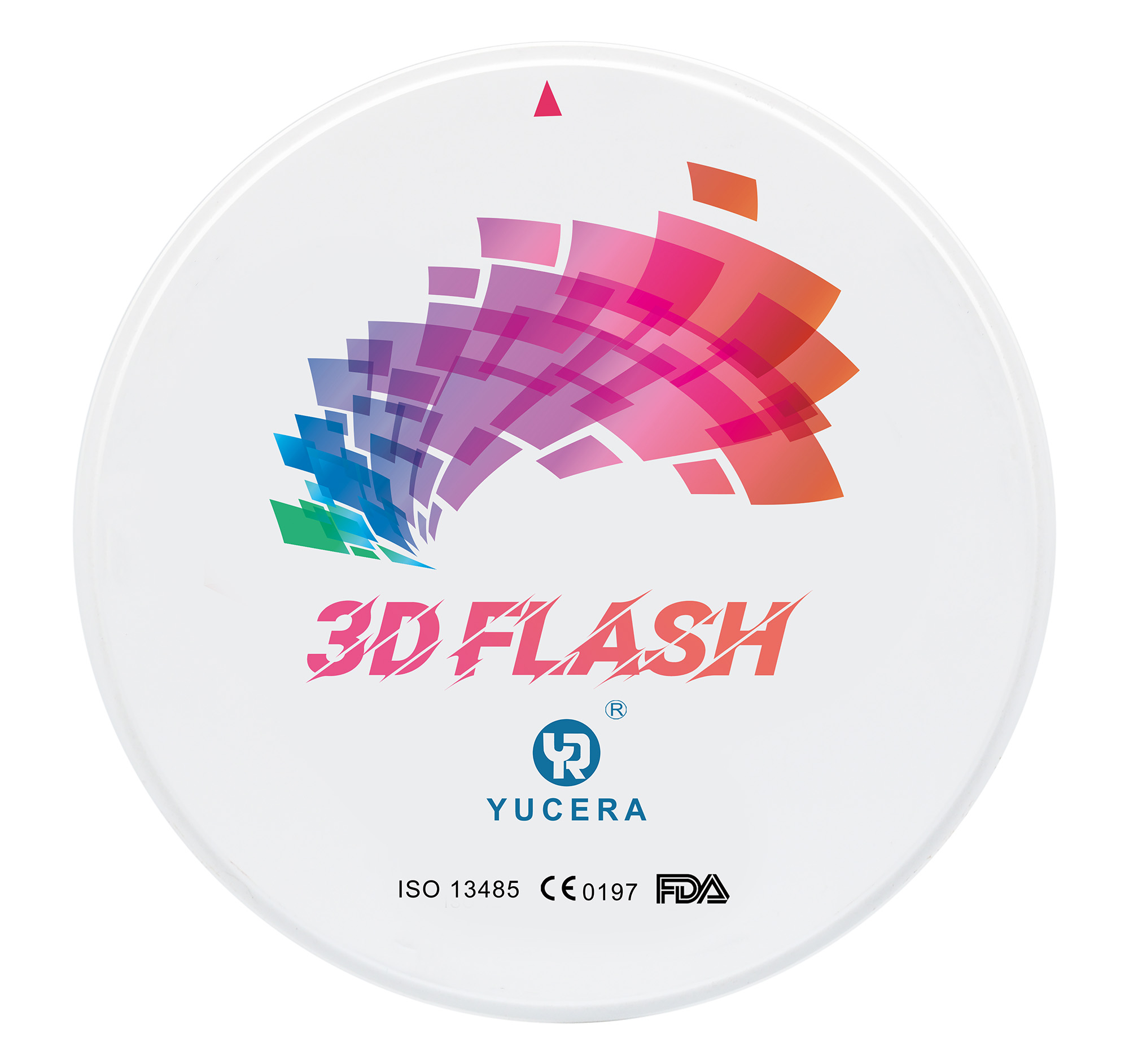
40-min full sintering with 57% incisal translucency and 1050 MPa strength.
learn more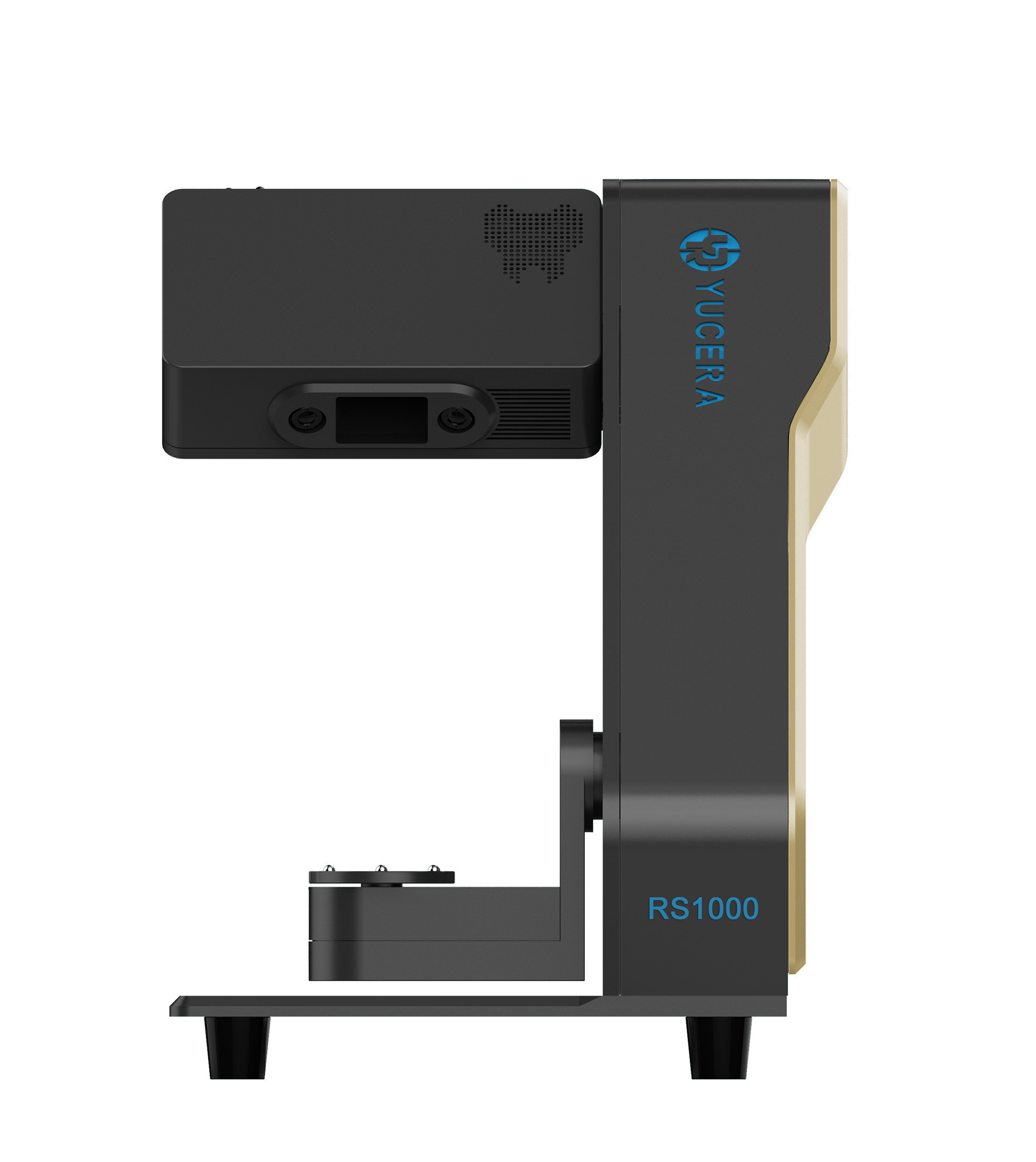
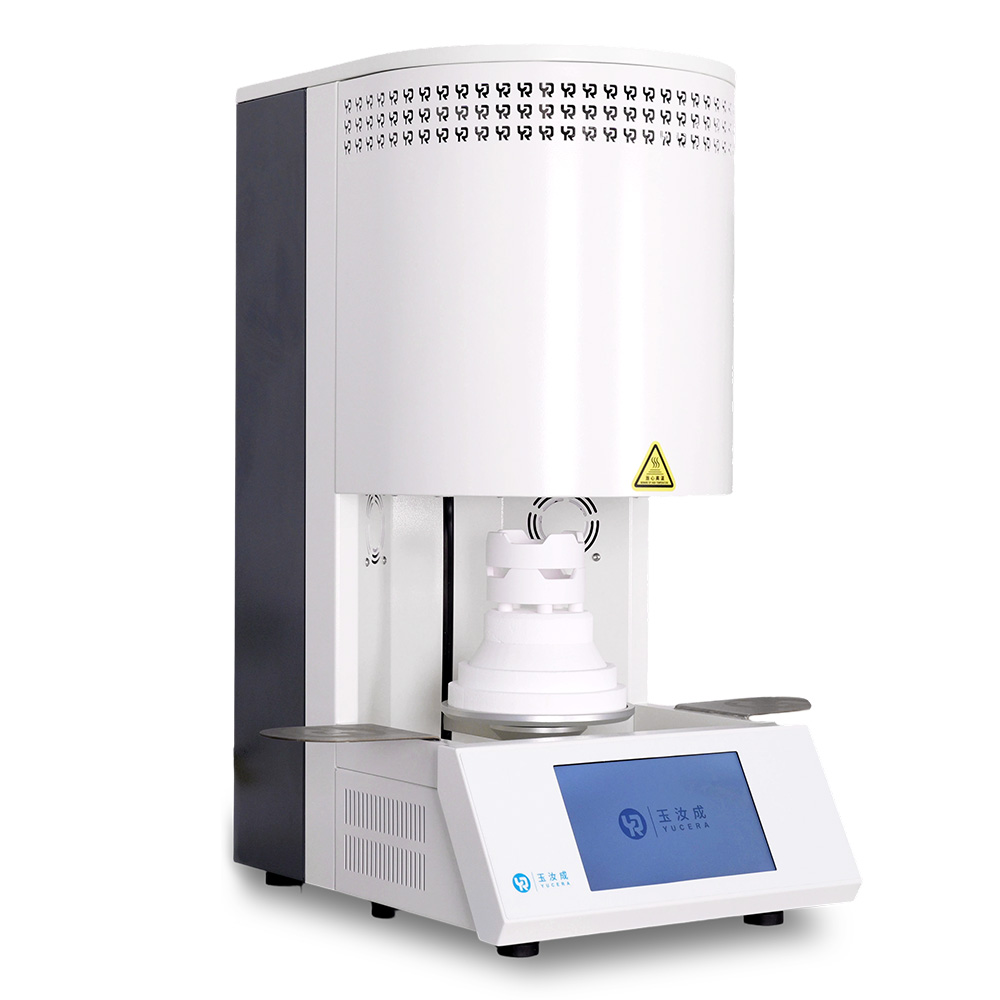
40-min cycle for 60 crowns, dual-layer crucible and 200°C/min heating.
learn more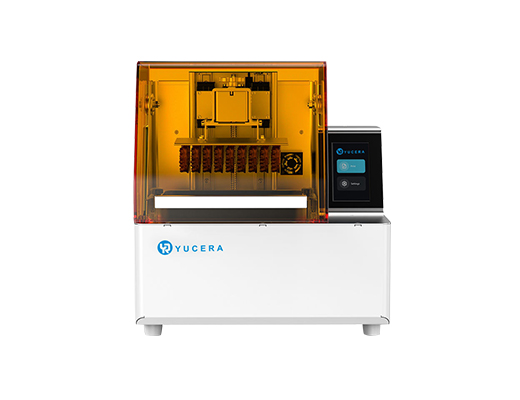
High-speed LCD printer for guides, temporaries, models with 8K resolution.
learn more


2026-04-10
2026-04-28
2026-03-26


