中 文
中 文
Nordic Dental Lab Efficiency Revolution: How Dry Milling Machines Cut Single-Unit Production Time by 30% in 2026
2026-04-04
2026-04-24
Modern dental laboratories face increasing pressure to deliver high-quality restorations efficiently. Crowns, bridges, and veneers must meet strict dimensional and aesthetic standards, while labs handle growing workloads and multiple materials. Achieving continuous milling without compromising precision is a significant challenge.
Reliable high-precision milling equipment, particularly stable machines, offers an effective solution for consistent results across long production runs. This article explores common challenges in continuous dental milling and how labs can optimize workflows to maintain efficiency and quality.
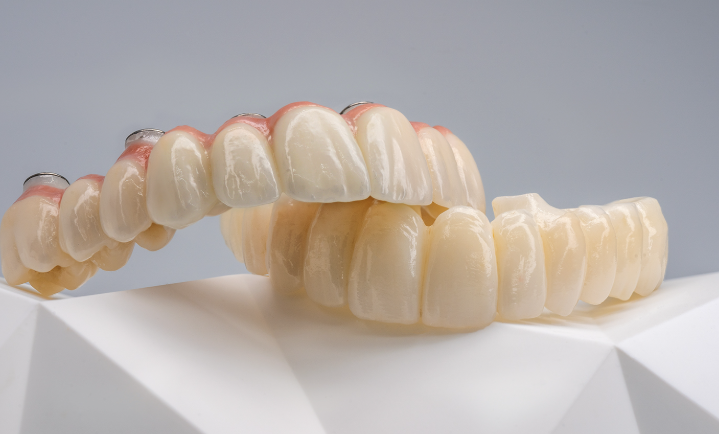
Dental restorations are fabricated from a variety of materials, including zirconia, PMMA, wax, and composite resins. Each material responds differently to cutting forces, speed, and heat, creating challenges for maintaining consistent precision:
Without equipment capable of adapting to these materials, labs risk inconsistent results and increased rework.
Continuous milling involves extended operation of the milling machine, often producing multiple crowns, bridges, or veneers sequentially. Machine stability, vibration control, and tool wear become critical factors to ensure consistent precision.
Traditional milling setups may require frequent tool changes, manual adjustments, or multiple machines for different materials. Each interruption reduces throughput and increases the risk of variability.
Five-axis milling machines allow tools to move along multiple axes simultaneously, reproducing complex surfaces and fine margins with high accuracy. This is essential for crowns, bridges, and veneers with intricate geometries.
High-precision systems achieve positioning accuracy within 0.008 mm and repeatability around 0.005 mm. Consistent micron-level control ensures uniform fit and surface quality throughout continuous runs.
Automatic tool magazines enable seamless switching between tools for different materials or restoration types without stopping production. Multi-tool automation minimizes operator intervention and reduces downtime.
Modern machines process zirconia, PMMA, wax, and composite resins. Labs can handle multiple restoration types on a single machine, simplifying operations and improving efficiency.
A robust frame and compact footprint (approximately 53 × 65 × 75 cm, ~102 kg) reduce vibration during high-speed milling, maintaining dimensional stability during long production cycles.
Seamless integration with CAD/CAM software allows design files to transfer directly to the milling machine. Predefined material-specific parameters optimize spindle speed, feed rate, and tool path for consistent results.
Using multi-part setups and automated tool changes, labs can mill several crowns, bridges, or veneers in one continuous operation. This approach maximizes throughput and reduces manual handling.
Saving material-specific settings ensures repeatable precision across multiple runs and different restoration materials. This approach maintains quality and reduces errors.
Post-milling inspections confirm dimensional accuracy, surface quality, and fit. Reliable machines reduce variability, minimizing adjustments and rework.
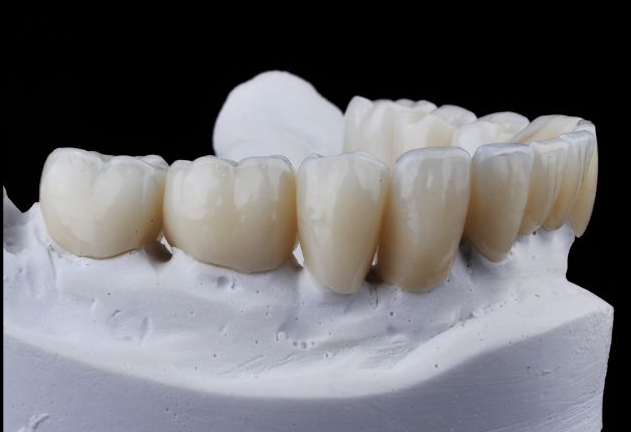
A mid-sized dental lab producing 150 crowns and 50 veneers weekly implemented a stable continuous milling workflow:
Outcome: High throughput, consistent restoration quality, and reduced labor and material waste.
Investing in stable, high-precision milling systems equips dental labs to handle increasing workloads and complex cosmetic restorations efficiently. Multi-material capability, workflow automation, and precision control enable labs to maintain competitiveness and meet growing patient expectations in cosmetic dentistry.

Dry & wet milling for zirconia, PMMA, wax with auto tool changer.
learn more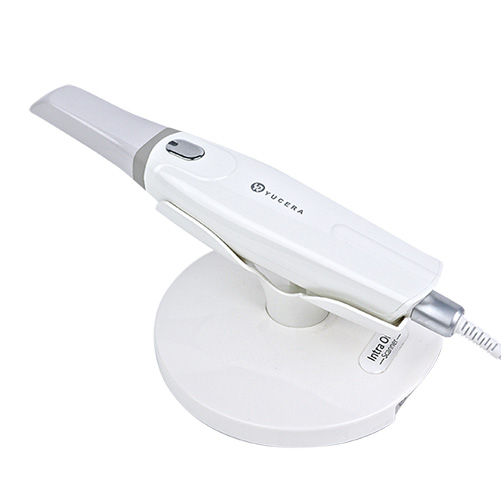
High-precision 3D scanning, AI calibration, full-arch accuracy.
learn more
40-min full sintering with 57% incisal translucency and 1050 MPa strength.
learn more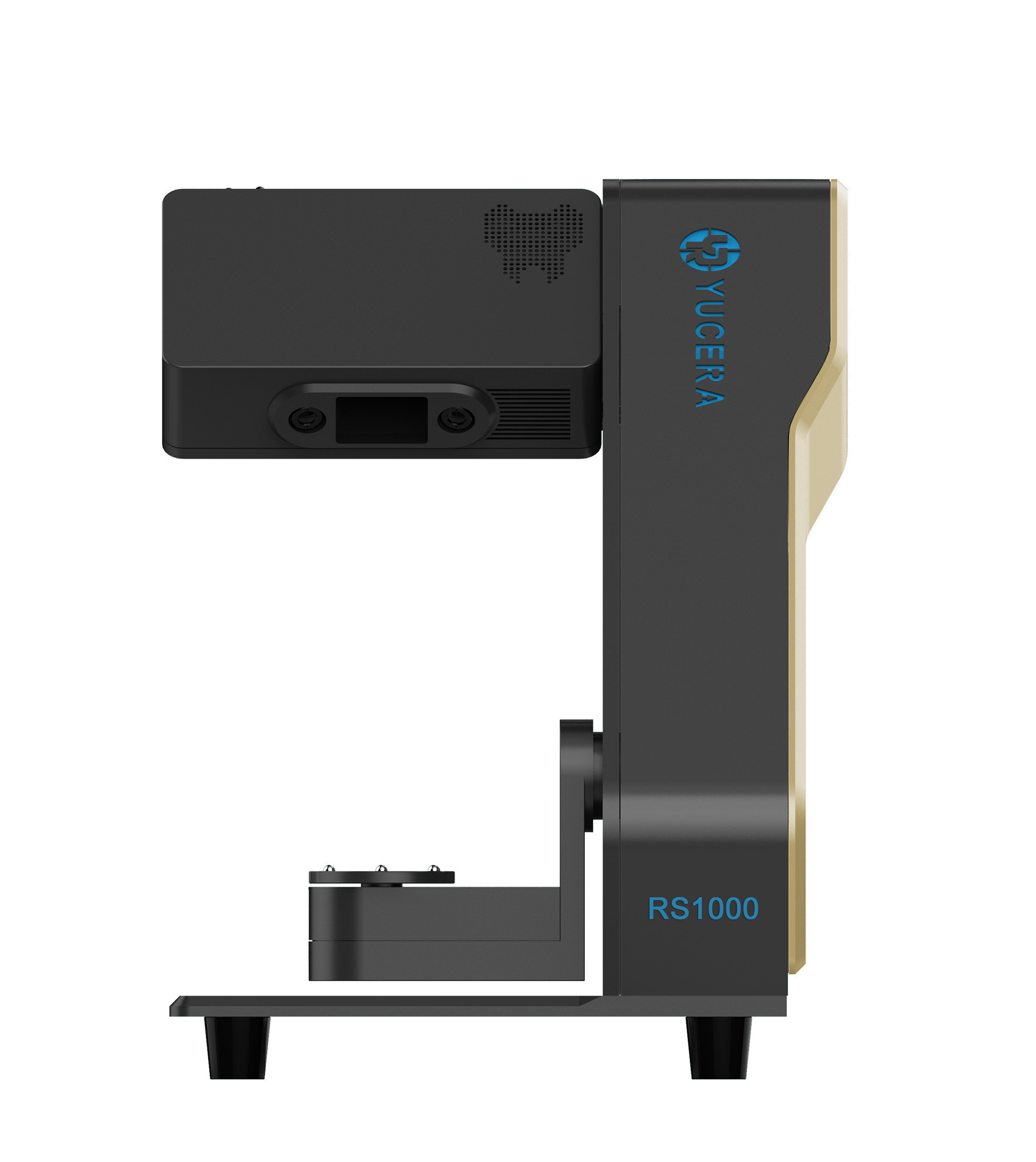
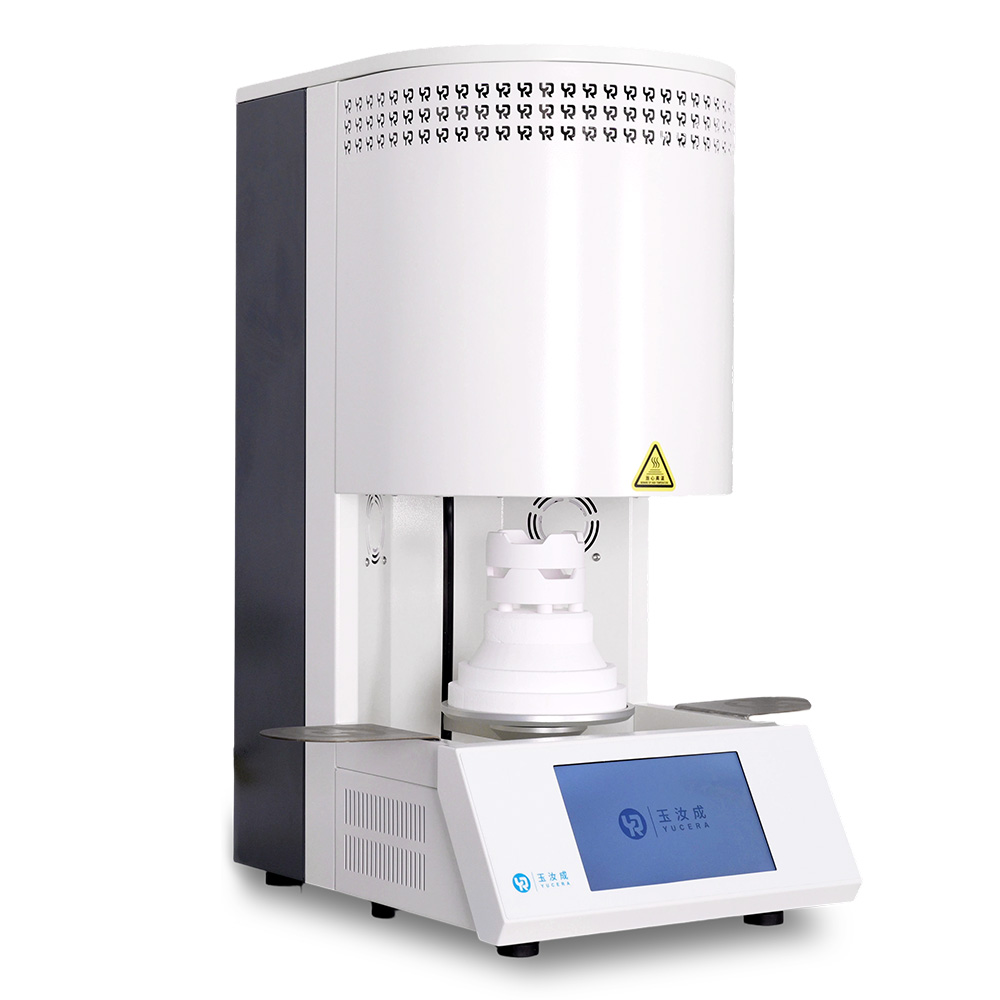
40-min cycle for 60 crowns, dual-layer crucible and 200°C/min heating.
learn more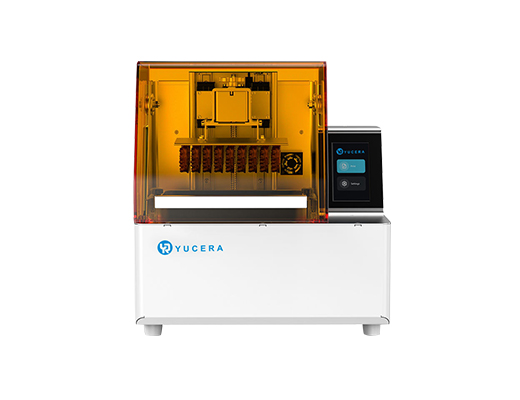
High-speed LCD printer for guides, temporaries, models with 8K resolution.
learn more