中 文
中 文

Why Are Dental Engraving and Milling Machines Expensive, and Where Are They Expensive?
2024-11-19
2026-06-27
In modern dental laboratories, efficiency and precision are essential for delivering high-quality restorations. As CAD/CAM technology becomes more widely adopted, dental milling machines play a critical role in shaping workflow performance.
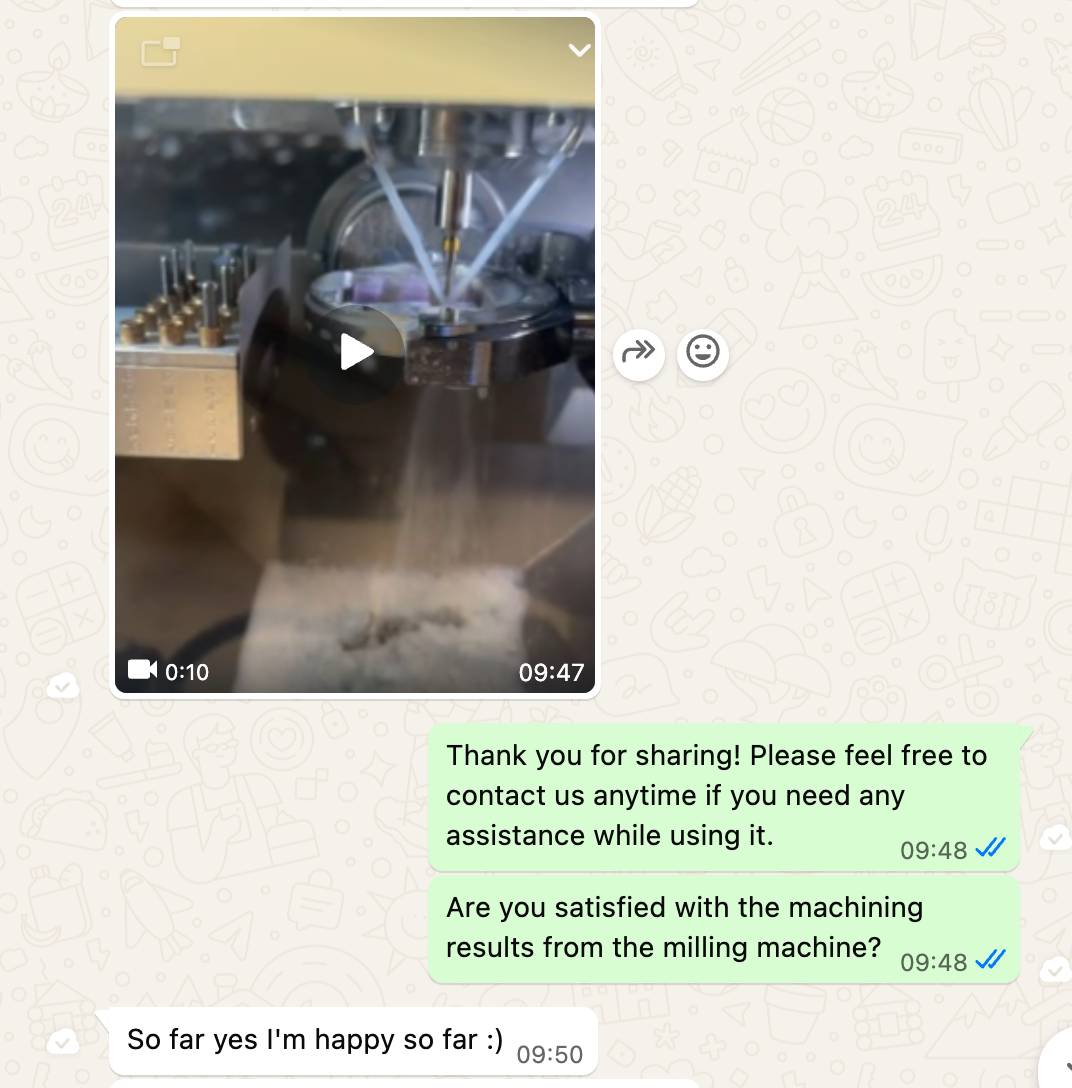
This article shares real user feedback from daily clinical and laboratory use of a dental milling system. The feedback was collected through direct communication between our sales consultant Mandy and a professional user actively working with the machine.
The focus of this case is simple: real-world performance in speed, precision, and stability.
According to the user’s feedback, the milling machine has been used continuously for nearly one month in a daily production environment.
The user reported:
This reflects a real-world scenario where the machine is not tested in a controlled environment, but under continuous operational workload.
Such feedback is particularly valuable because it reflects actual laboratory conditions rather than theoretical performance.

One of the most important indicators in a dental laboratory is milling speed. Faster processing allows labs to handle more cases within the same time frame, improving productivity.
In this case, the user emphasized that the machine demonstrates:
Speed performance is especially important in CAD/CAM workflows involving crowns, bridges, and zirconia restorations, where turnaround time directly impacts production efficiency.
Precision is another key factor in dental milling systems. A high-precision machine ensures:
The user feedback highlighted that the milling output quality was consistent and reliable. This indicates stable mechanical calibration and strong system control during the cutting process.
In dental CAD/CAM production, precision directly influences final clinical outcomes, especially in restorative dentistry cases.
Stability is often the most overlooked but most important performance factor in dental equipment.
In this feedback case, the machine was described as:
This is essential for dental labs that operate under high daily workload conditions. Equipment instability often leads to production delays, material waste, and inconsistent restoration quality.
A key part of this case study is the communication process managed by Mandy, the sales consultant responsible for customer follow-up.
Mandy maintained direct communication with the user to:
This type of post-sale engagement is critical in CAD/CAM equipment adoption, as it helps users transition smoothly into digital workflows and ensures long-term satisfaction.
Unlike laboratory testing environments, real-world usage provides more accurate insights into machine performance.
Key advantages of real user feedback include:
This makes customer feedback an essential part of evaluating dental milling technology.
Modern dental milling machines are not standalone tools. They are part of a complete CAD/CAM workflow, which includes:
A stable milling system ensures smooth integration across all stages, reducing errors and improving overall workflow efficiency.
This real user feedback highlights three key performance strengths of the dental milling machine:
Combined with professional follow-up from sales consultant Mandy, the case demonstrates how real-world experience validates the reliability of modern dental CAD/CAM systems.
As dental laboratories continue to adopt digital workflows, stable and efficient milling performance remains a core requirement for productivity and quality assurance.

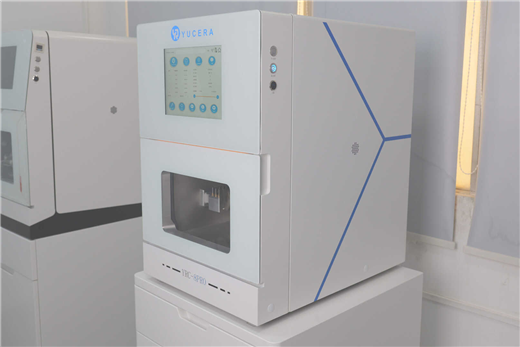
Dry & wet milling for zirconia, PMMA, wax with auto tool changer.
learn more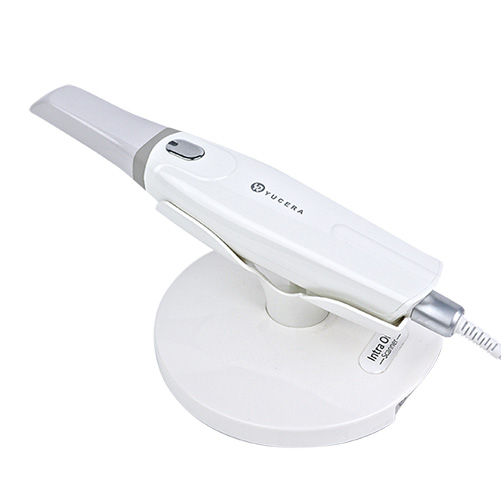
High-precision 3D scanning, AI calibration, full-arch accuracy.
learn more
40-min full sintering with 57% incisal translucency and 1050 MPa strength.
learn more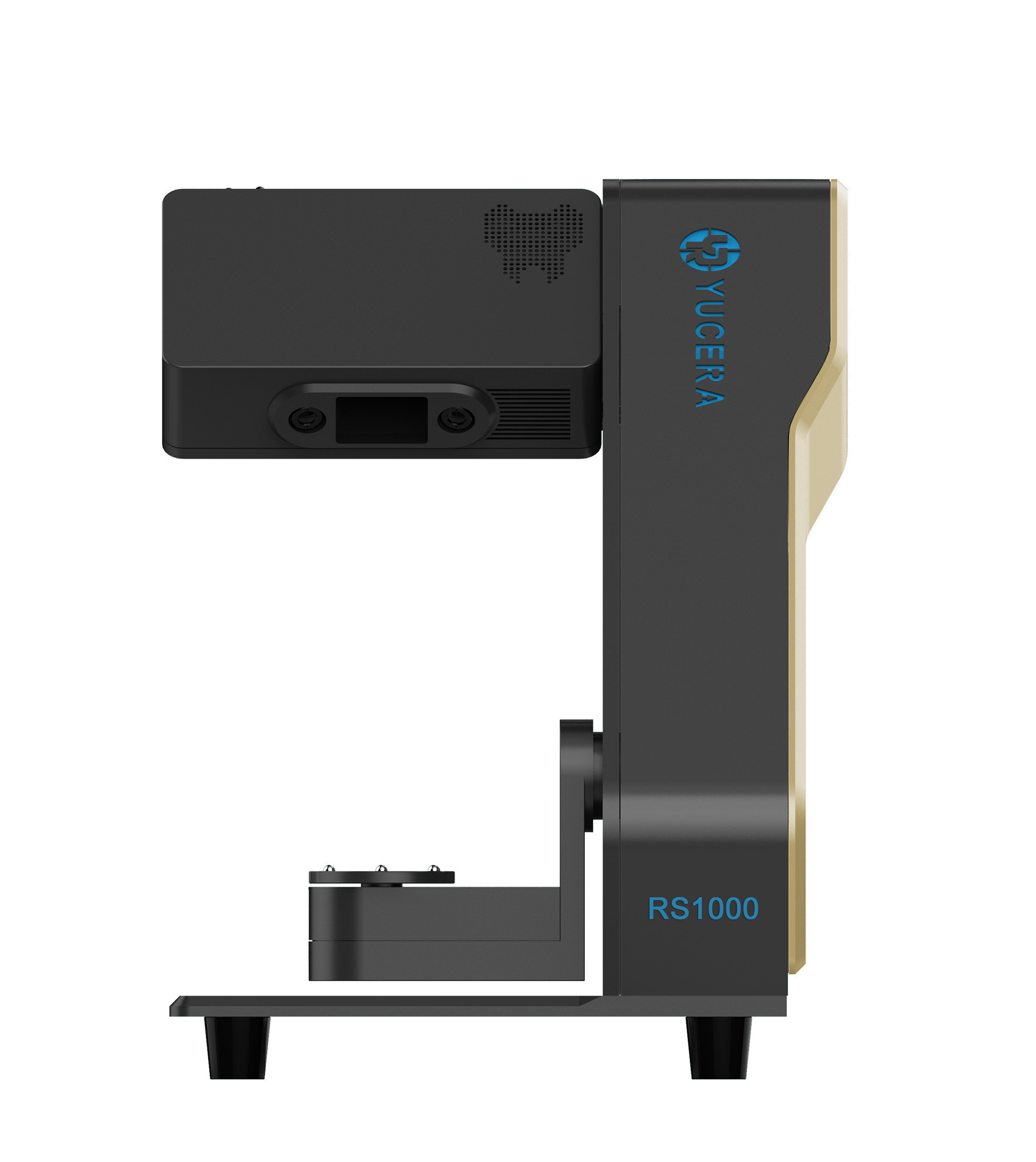
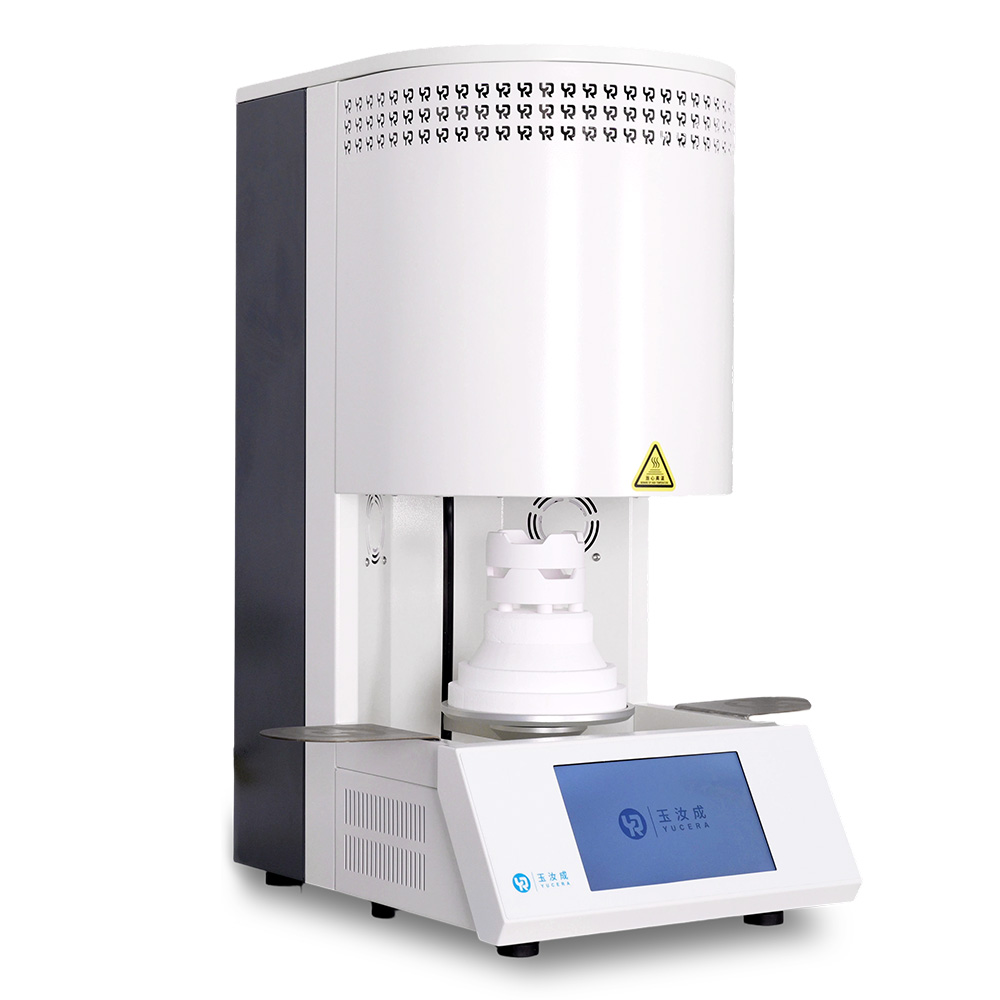
40-min cycle for 60 crowns, dual-layer crucible and 200°C/min heating.
learn more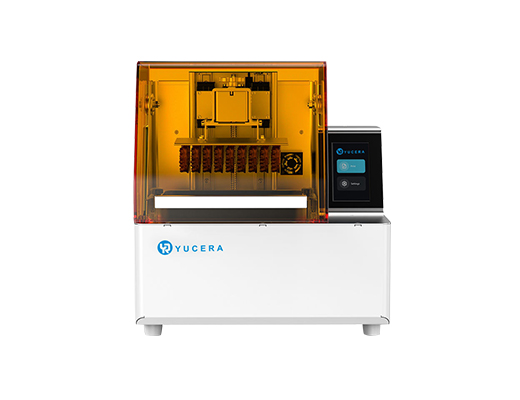
High-speed LCD printer for guides, temporaries, models with 8K resolution.
learn more