中 文
中 文

How Simple Workflows and the Right Materials Help Dental Labs Achieve Better Esthetics
2026-08-03
2026-06-10
In modern restorative dentistry, materials must balance three critical requirements: strength, aesthetics, and biocompatibility.
While traditional materials such as metal-based systems, glass ceramics, and resin composites each offer specific advantages, they also present limitations in long-term performance or clinical versatility.
Among all available options, zirconia has emerged as one of the most widely used materials in CAD/CAM dentistry due to its unique combination of mechanical strength and biological compatibility.
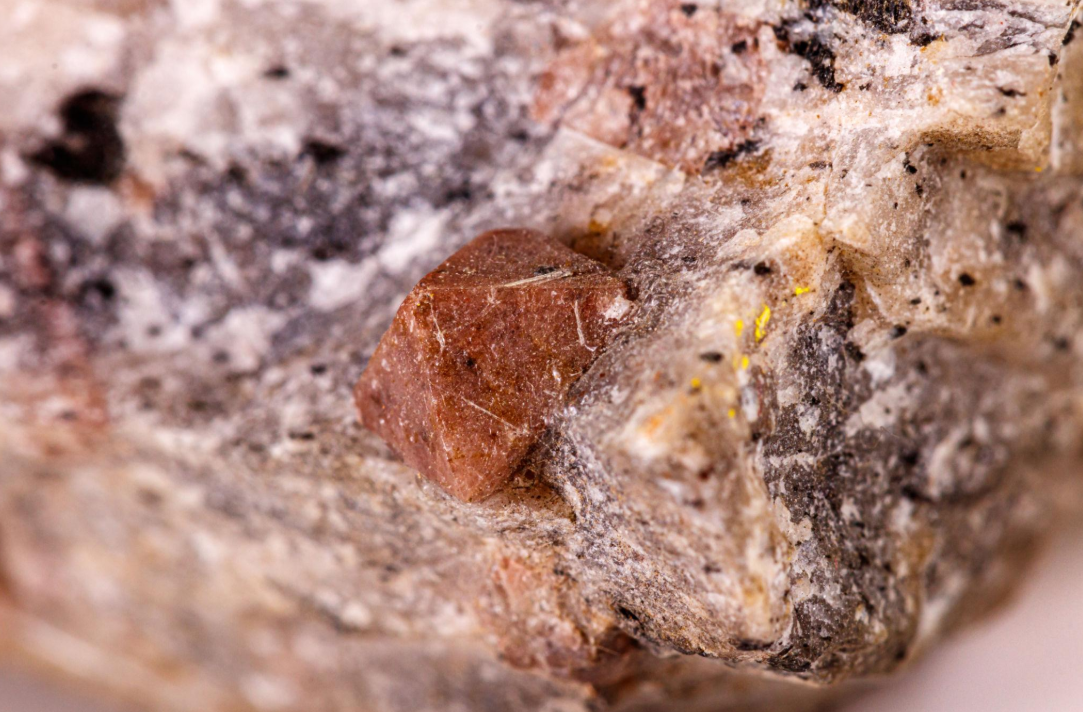
Zirconia does not originate as a dental invention. Its story begins in nature with a mineral called zircon.
Zircon (ZrSiO₄) is a naturally occurring mineral that was historically known as a gemstone before its chemical structure was fully understood.
In 1789, the German chemist Martin Heinrich Klaproth identified a new oxide component while analyzing zircon. He named it “zirconia,” marking the first scientific recognition of the material.
However, early zirconia existed only in powder form and lacked structural stability for practical applications.
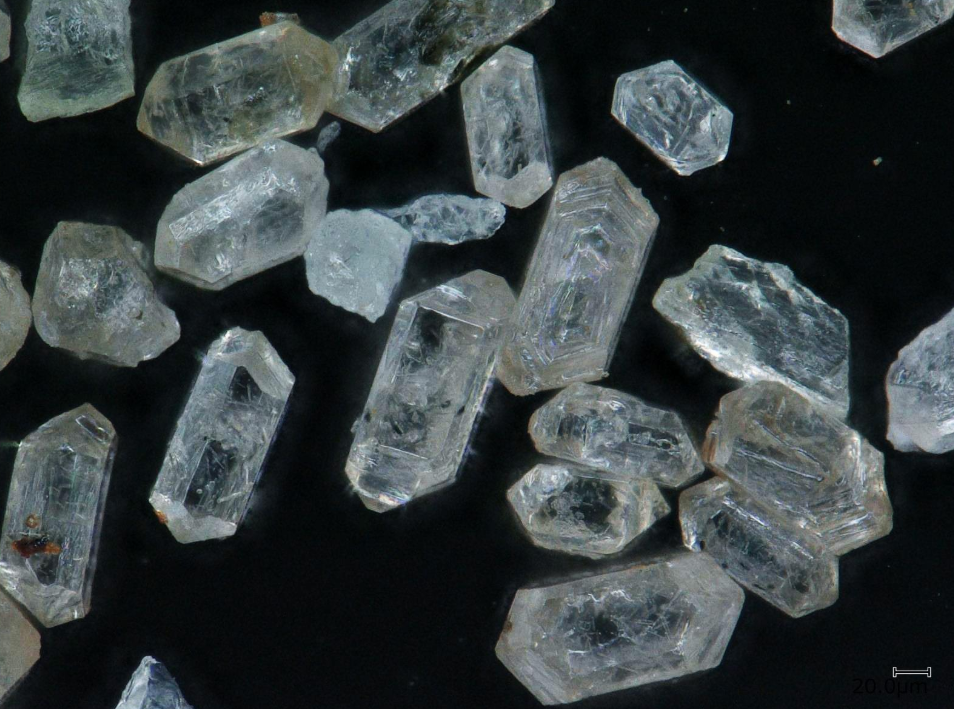
Pure zirconia has a major limitation: it undergoes phase transformation under temperature changes, which leads to cracking and structural instability.
Because of this, early zirconia could not be used as a structural material in engineering or medical fields.
The key breakthrough came when scientists introduced stabilizing oxides—particularly yttrium oxide (Y₂O₃)—to control its crystal structure.
This led to the development of Yttria-Stabilized Tetragonal Zirconia Polycrystal (Y-TZP), which significantly improved mechanical stability and fracture resistance.
Before entering dentistry, zirconia was primarily used in:
Its transition into dentistry occurred when researchers recognized its excellent performance in biological environments:
These properties made zirconia an ideal candidate for dental restorations such as crowns, bridges, and implant-supported structures.
Dental zirconia is primarily composed of:
The addition of stabilizers is essential to maintain its mechanical integrity and prevent unwanted phase changes during oral function.
In CAD/CAM dentistry, zirconia is supplied in pre-sintered block form.
These blocks are:
Therefore, the industry commonly refers to them as:
Zirconia Block (Dental Ceramic Block for CAD/CAM Systems)
The term “ceramic” in this context refers broadly to all non-metallic restorative materials used in dentistry.
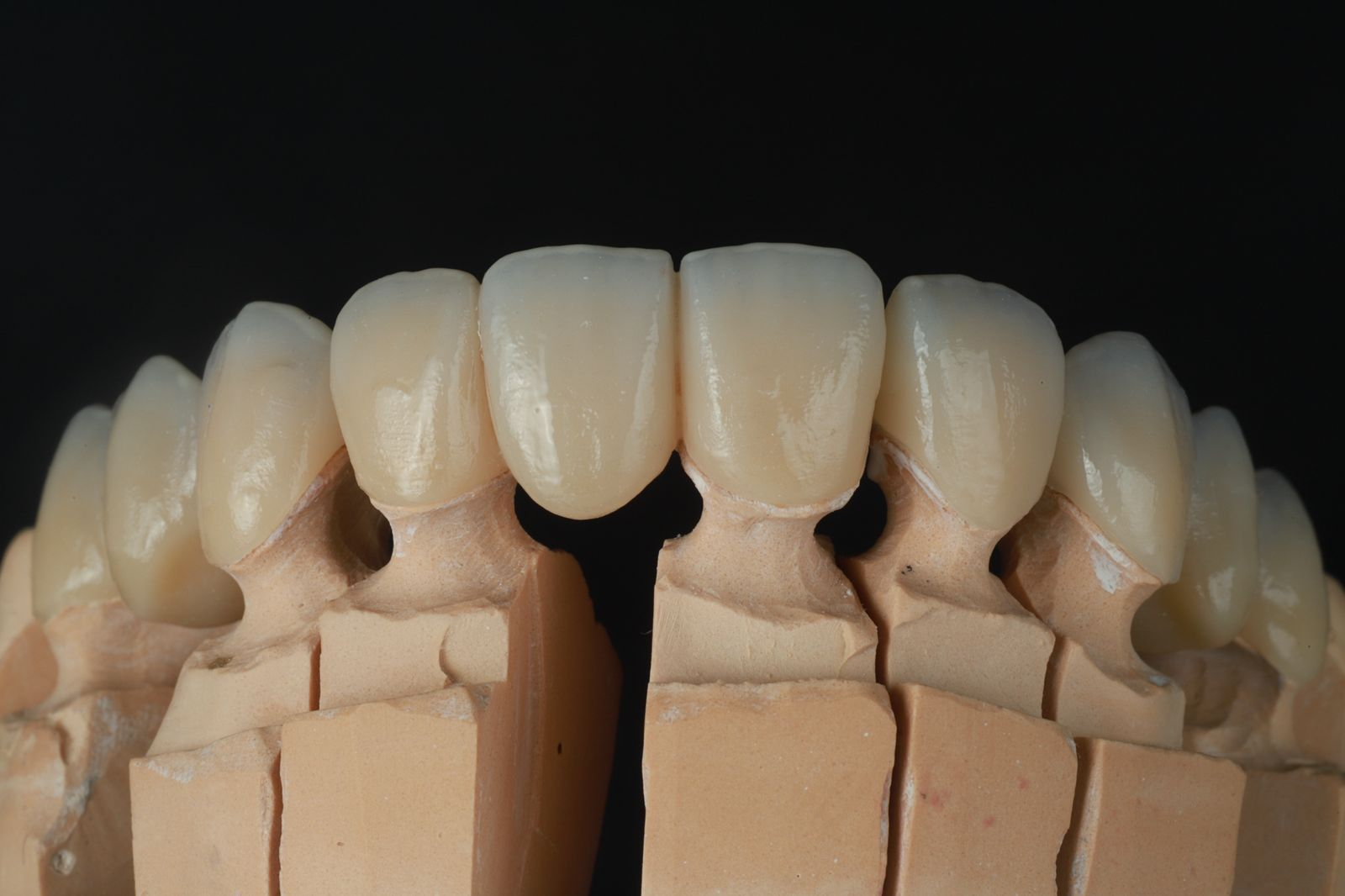
Zirconia offers flexural strength typically ranging from 600 to 1200 MPa, making it suitable for posterior crowns and multi-unit bridges.
Zirconia can resist crack propagation through a unique phase transformation process, improving fracture resistance under stress.
Zirconia is chemically inert, non-toxic, and highly compatible with oral tissues, reducing the risk of inflammation or allergic reactions.
With advancements in multilayer and high-translucency formulations, zirconia now offers significantly improved aesthetic performance suitable for anterior restorations.
Zirconia is fully compatible with digital dentistry workflows, allowing precise milling, standardized production, and predictable clinical outcomes.
Zirconia is widely used in:
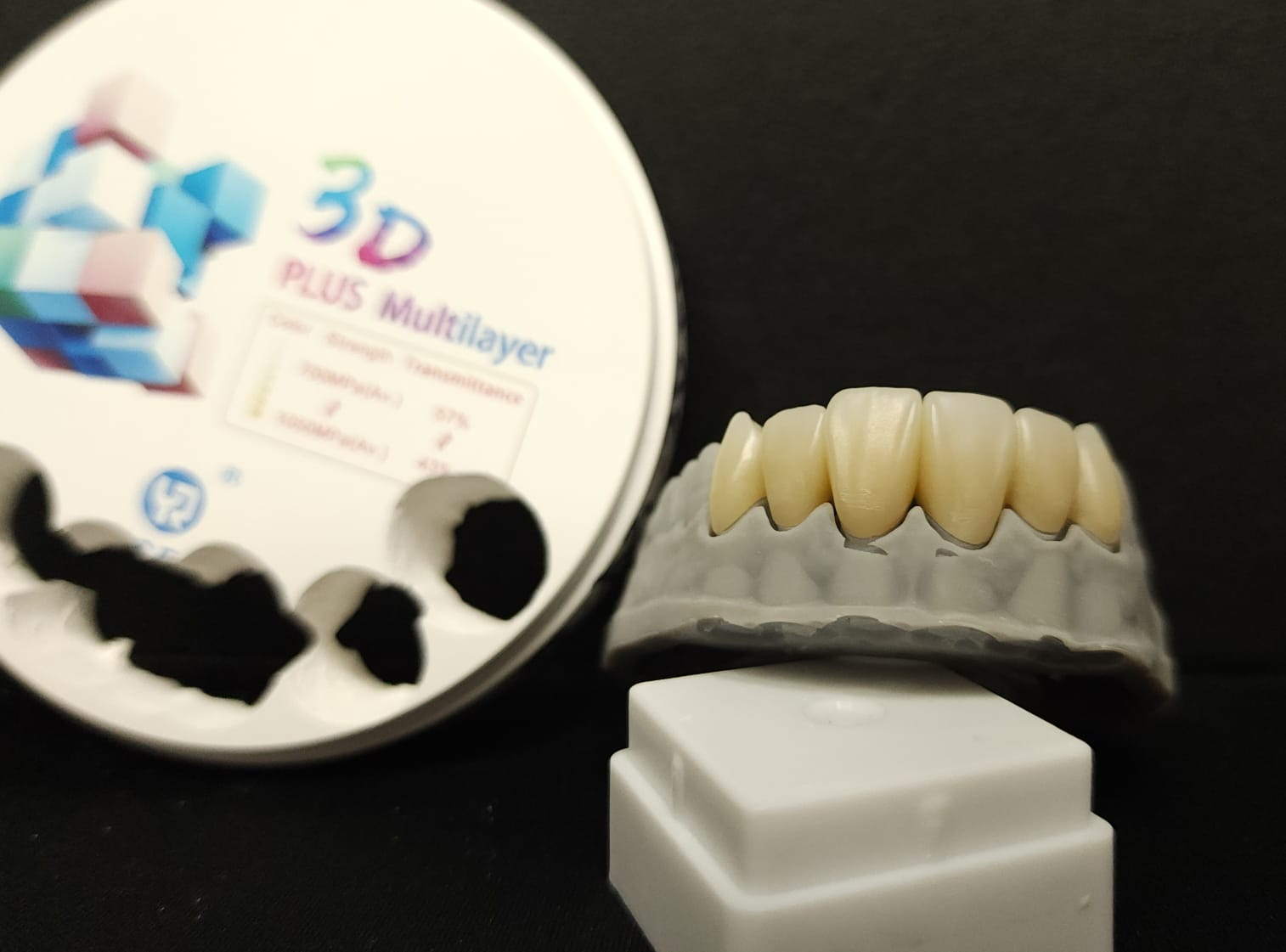
From a natural mineral discovered in ancient times to a high-performance engineered ceramic, zirconia has undergone a remarkable transformation.
Today, it represents one of the most balanced materials in restorative dentistry, combining strength, aesthetics, and biocompatibility with full compatibility in modern CAD/CAM workflows.

Dry & wet milling for zirconia, PMMA, wax with auto tool changer.
learn more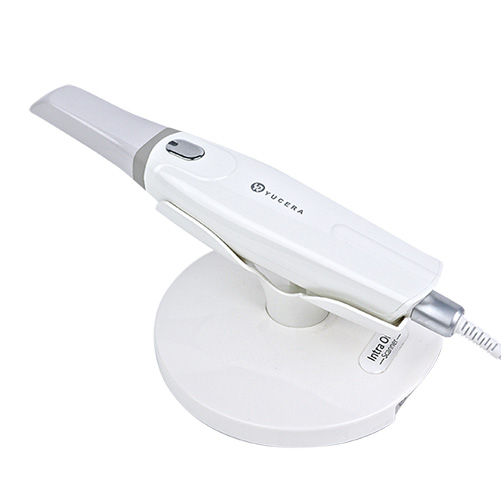
High-precision 3D scanning, AI calibration, full-arch accuracy.
learn more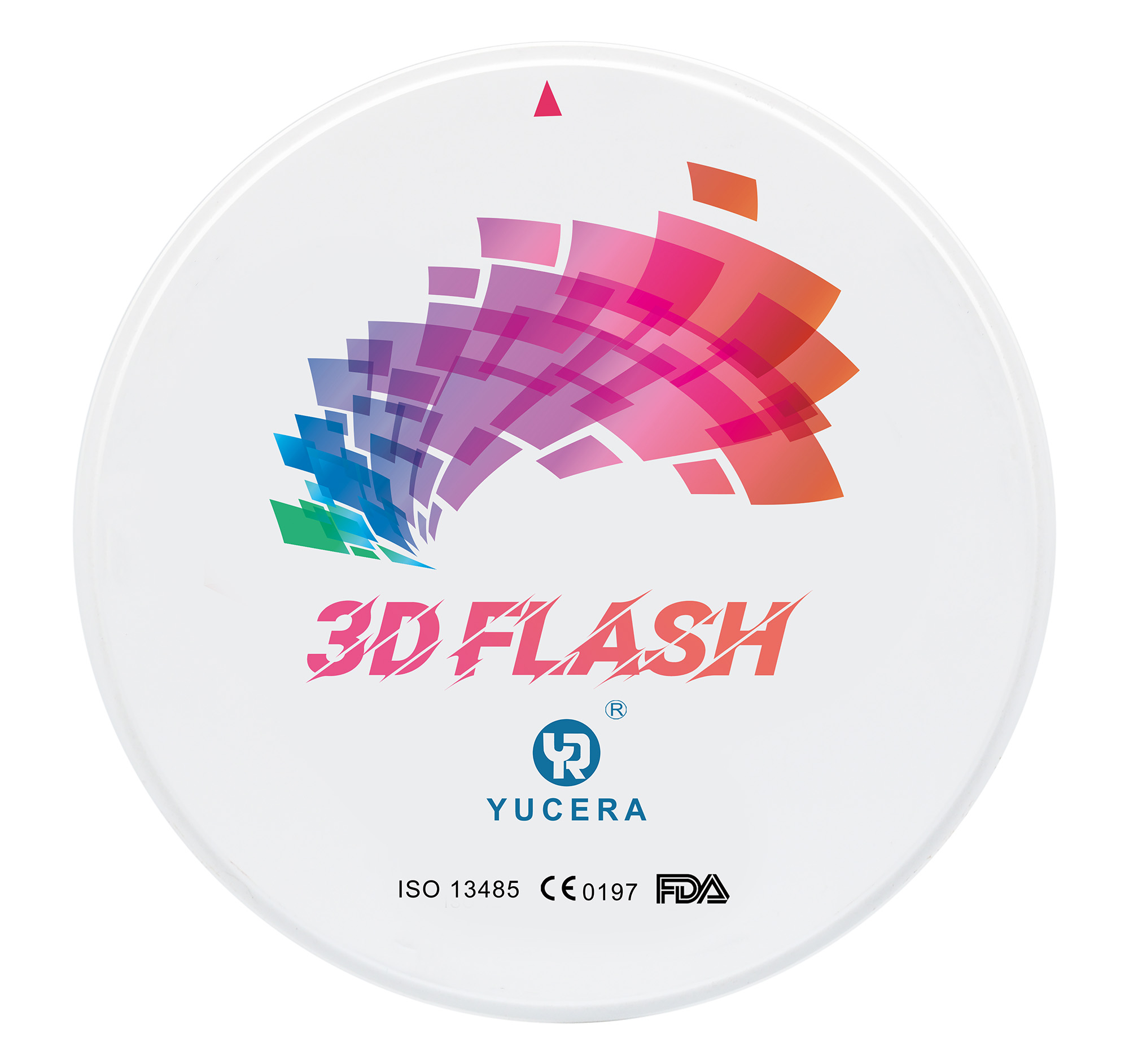
40-min full sintering with 57% incisal translucency and 1050 MPa strength.
learn more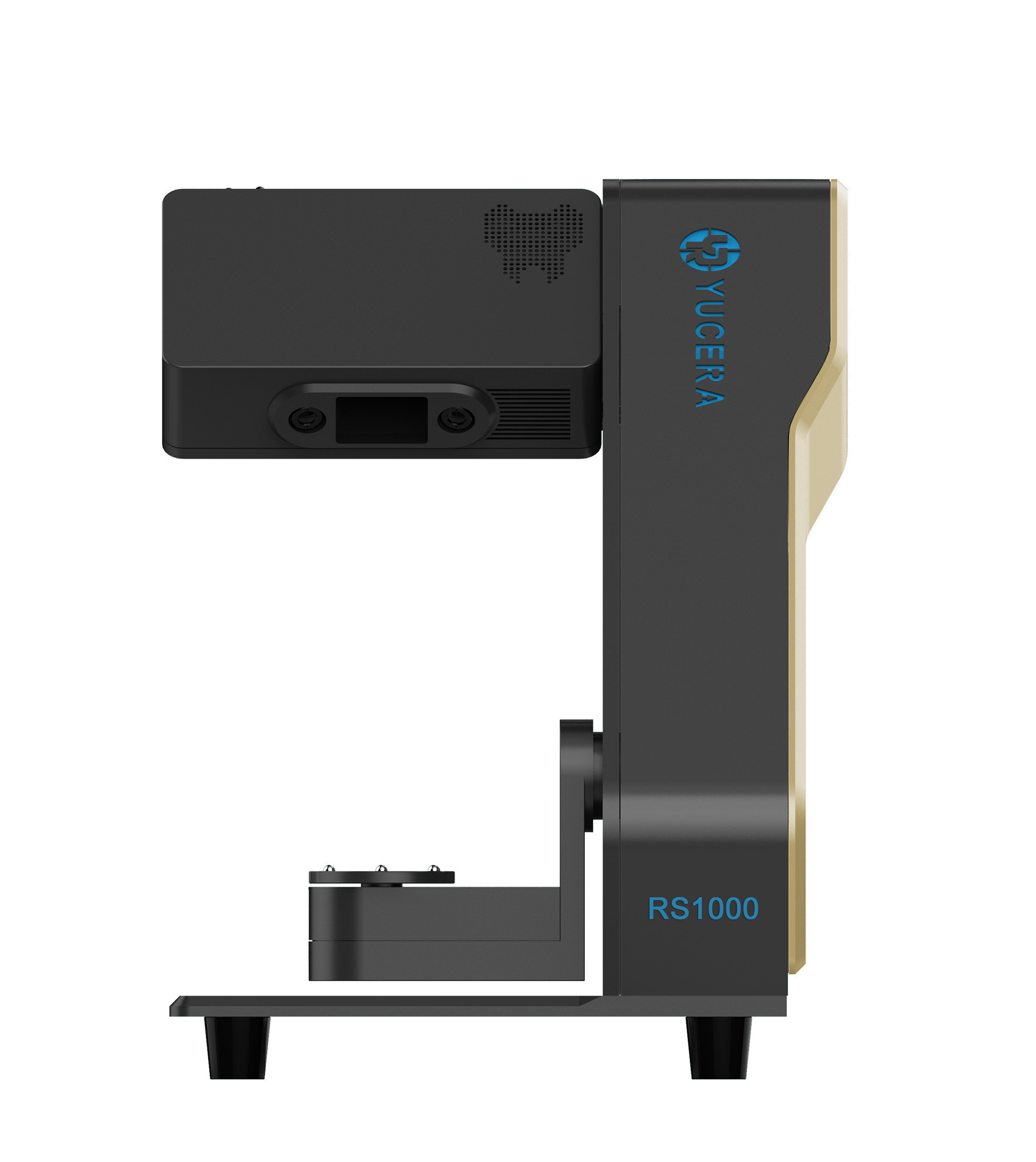
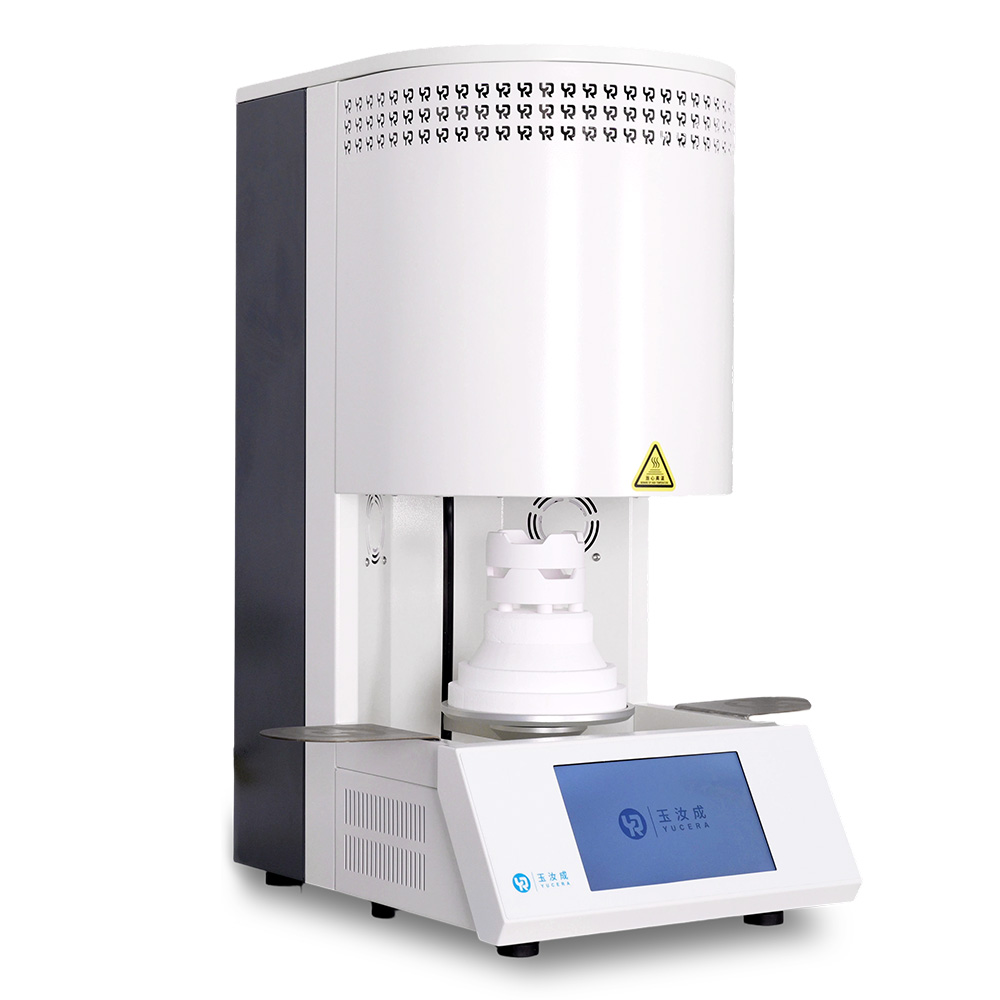
40-min cycle for 60 crowns, dual-layer crucible and 200°C/min heating.
learn more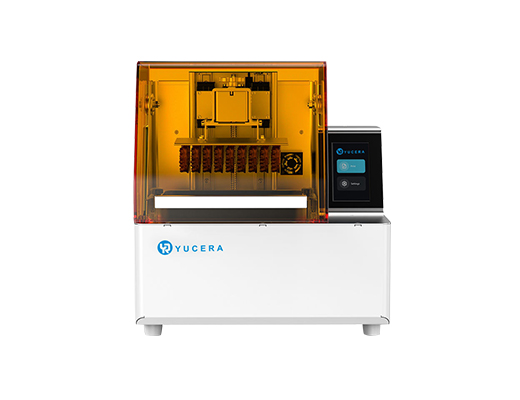
High-speed LCD printer for guides, temporaries, models with 8K resolution.
learn more