中 文
中 文

What is Digital Dentistry?
2024-12-30
2026-07-30
Many people believe that teeth are permanent structures that never change once they erupt. Others assume that if a cavity is small enough, it may eventually heal on its own.
So, can teeth really repair themselves?
The answer is yes—but only to a limited extent.
Unlike skin or bone, teeth have very little regenerative ability. However, they do have natural defense mechanisms that can slow down damage and, in some cases, reverse very early stages of tooth decay.
Understanding how teeth protect themselves can help patients make better decisions about oral health and avoid costly restorative treatments in the future.
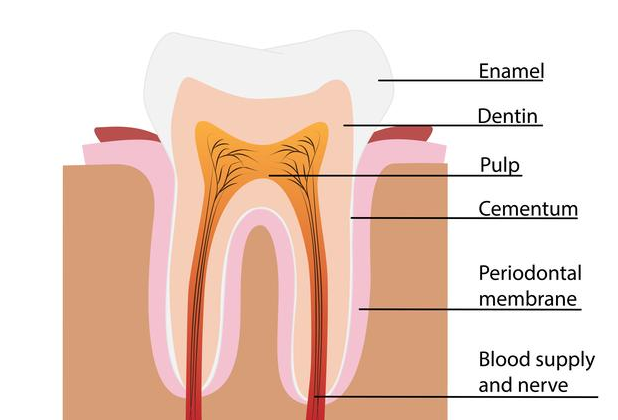
Before discussing how teeth repair themselves, it's important to understand what a tooth is made of.
A healthy tooth consists of four main layers:
Enamel is the outermost layer of the tooth and the hardest substance in the human body. It is made of approximately 96% mineral, mainly hydroxyapatite crystals.
Although enamel is incredibly strong, it contains no living cells. Once enamel is physically worn away or destroyed by advanced decay, the body cannot produce new enamel.
Located beneath the enamel, dentin is softer and contains microscopic tubules that connect to the dental pulp. It is more sensitive to temperature and bacterial invasion than enamel.
The pulp is the living center of the tooth. It contains nerves, blood vessels, connective tissue, and specialized cells that help maintain tooth vitality.
Cementum covers the tooth root and anchors the tooth to the surrounding bone through the periodontal ligament.
Among these layers, only the pulp and dentin possess limited biological repair capabilities.
Although enamel cannot regenerate, it can undergo a process called remineralization.
Every day, our teeth experience a continuous cycle of mineral loss and mineral gain.
After consuming sugary foods or acidic beverages, bacteria in dental plaque produce acids that temporarily lower the pH inside the mouth. These acids dissolve small amounts of calcium and phosphate from the enamel surface, a process known as demineralization.
Fortunately, saliva acts as the mouth's natural defense system.
Saliva contains:
These minerals gradually return to weakened enamel, rebuilding microscopic mineral crystals before permanent damage occurs.
This is why early white spot lesions can often disappear if proper oral hygiene and fluoride exposure are maintained.
However, remineralization only works before the enamel surface breaks down.
Once bacteria create a visible cavity, the missing tooth structure cannot grow back naturally.
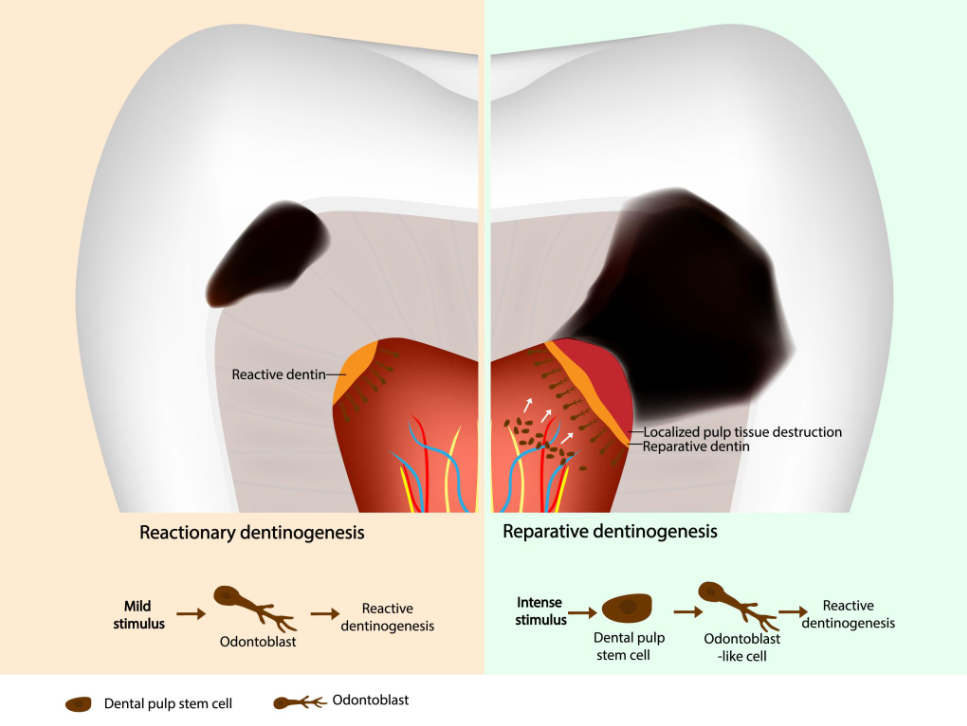
Many people don't realize that teeth have another fascinating defense mechanism.
When dentin is exposed to mild irritation—such as tooth wear, early decay, or repeated chewing forces—the pulp responds by producing secondary dentin or reparative dentin.
This newly formed dentin acts as a protective barrier between the damaged area and the nerve.
Its functions include:
This explains why some individuals with heavily worn teeth experience little or no sensitivity. Their teeth have gradually formed additional dentin over time as a natural protective response.
Although this process cannot restore lost enamel, it helps preserve tooth vitality for many years.
One of the most common misconceptions is that every cavity can heal on its own.
In reality, the ability of teeth to repair themselves is limited to very early stages of mineral loss.
Once a cavity forms:
At this stage, professional dental treatment becomes necessary.
Depending on the severity of the damage, treatment may include:
Delaying treatment usually allows decay to progress further, making treatment more complex and expensive.
In many parts of Africa, patients often postpone dental visits until severe pain develops.
Unfortunately, tooth decay rarely becomes painful during its earliest stages.
A small area of enamel demineralization may require only preventive care or a simple filling. However, if left untreated, the same tooth may eventually require:
Early diagnosis helps preserve more natural tooth structure while reducing treatment costs and improving long-term oral health.
For both patients and dental professionals, prevention is always more economical than extensive restorative treatment.
When natural repair is no longer possible, modern digital dentistry offers highly predictable restorative solutions.
CAD/CAM technology enables dental laboratories to fabricate highly accurate restorations that closely replicate the appearance and function of natural teeth.
Among today's restorative materials, zirconia has become one of the most popular choices because it offers:
Although no restoration can completely replace natural tooth tissue, high-quality zirconia restorations can restore chewing efficiency, improve appearance, and protect the remaining healthy tooth structure for many years.
While teeth cannot completely heal themselves, you can help maximize their natural defense mechanisms by following these simple habits:
These preventive measures significantly increase the likelihood that early enamel damage can be repaired naturally through remineralization.
No. Once enamel is physically lost, it cannot regenerate because the cells responsible for producing enamel disappear after tooth eruption. However, early enamel demineralization can often be reversed through remineralization.
Only very early enamel lesions may improve naturally. Once a cavity forms, professional dental treatment is required to restore the missing tooth structure.
Saliva plays an essential role in remineralizing early enamel damage by supplying calcium and phosphate. However, it cannot rebuild broken or missing tooth tissue.
The tooth may have formed secondary or reparative dentin, creating additional protection for the dental pulp and reducing sensitivity.
Yes. Zirconia crowns are widely used because they combine high strength, excellent esthetics, and long-term durability, making them an ideal option for restoring damaged teeth in modern digital dentistry.

Dry & wet milling for zirconia, PMMA, wax with auto tool changer.
learn more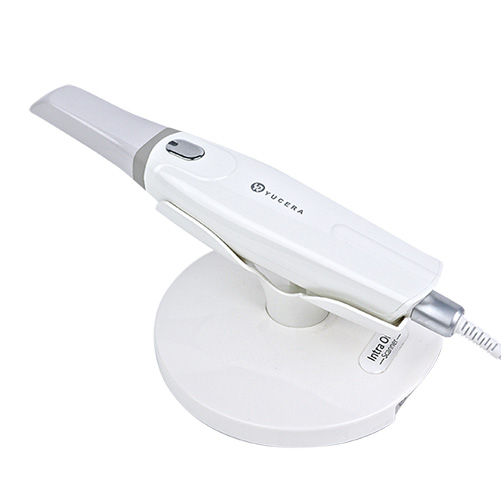
High-precision 3D scanning, AI calibration, full-arch accuracy.
learn more
40-min full sintering with 57% incisal translucency and 1050 MPa strength.
learn more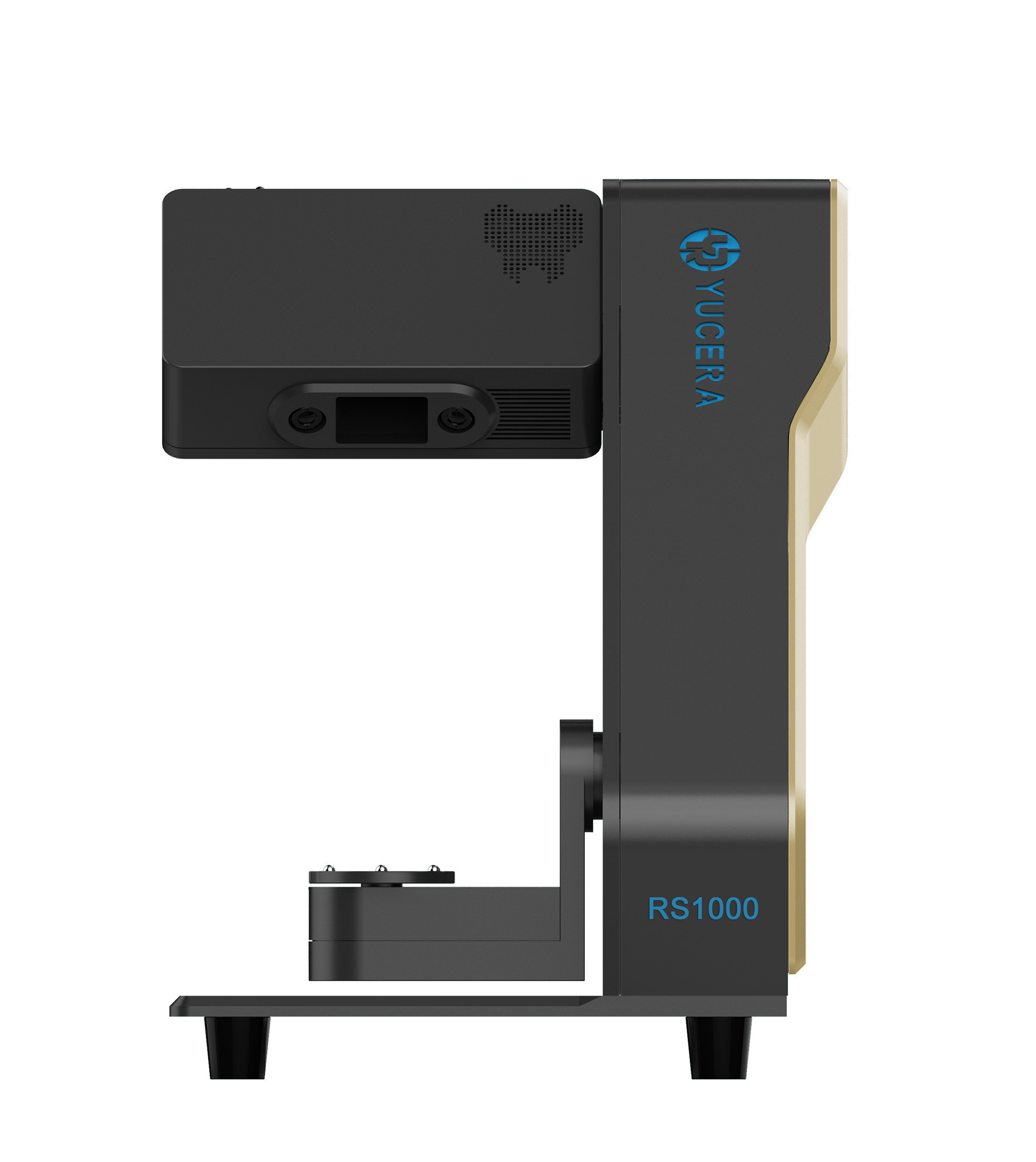
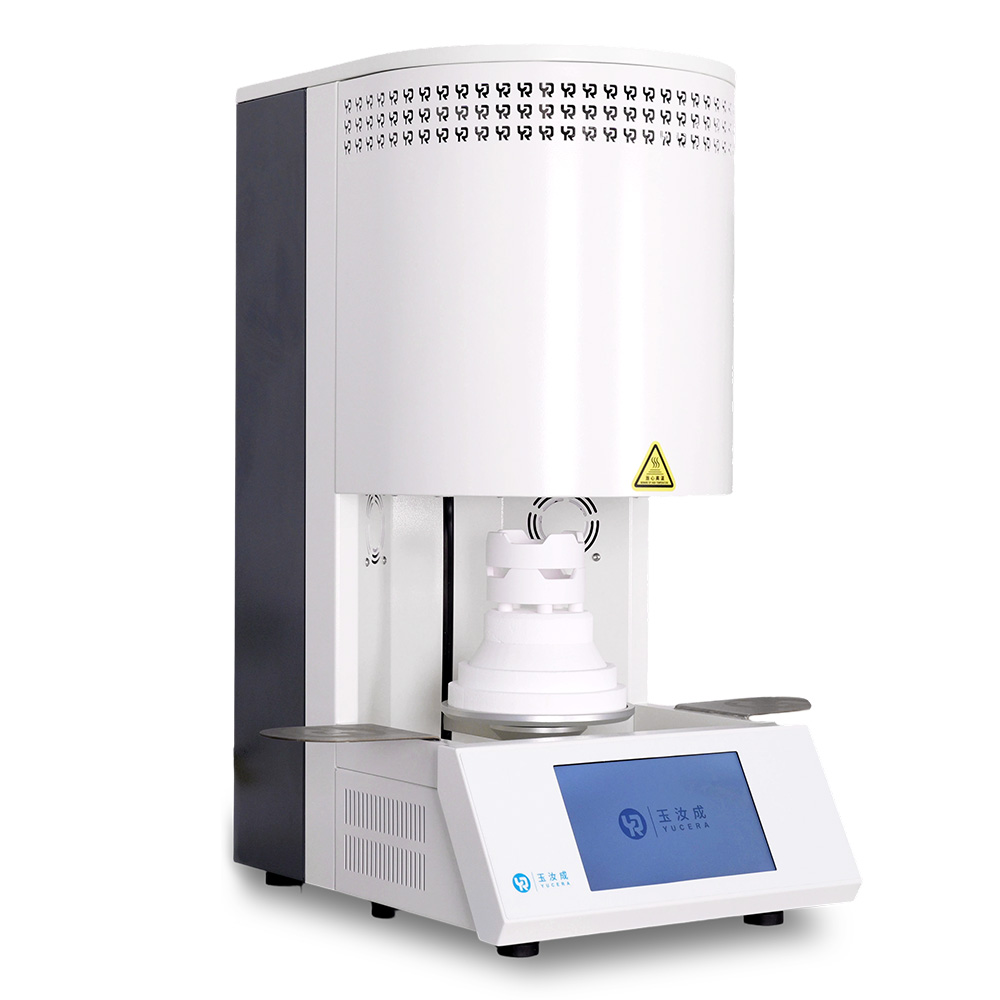
40-min cycle for 60 crowns, dual-layer crucible and 200°C/min heating.
learn more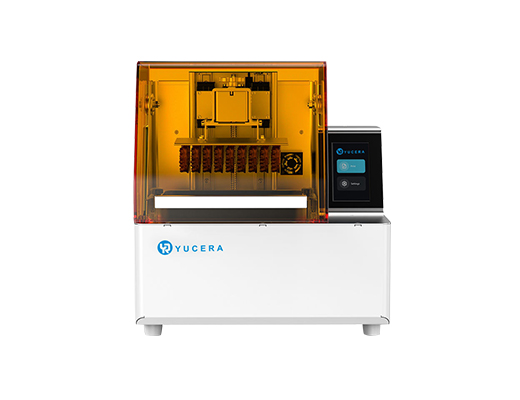
High-speed LCD printer for guides, temporaries, models with 8K resolution.
learn more