中 文
中 文
Automated Post-Processing for Dental 3D Printing: Close the Loop & Boost Efficiency in 2026
2026-04-10
2026-07-12
We recently received exactly this question from a lab that was comparing suppliers before committing to a long-term source of zirconia blocks. Their concern wasn't whether our material passed inspection once — it was whether it would still be the same material, batch after batch, for years to come. Specifically, they asked how we control consistency across production batches for:
It's a fair question, and one every lab should be asking. Here's how we answered it.
Before a single block goes into production, every batch of raw material is inspected, and the formulation itself is never altered. This matters more than it might sound: a supplier can pass every finished-block test and still drift over time if the underlying powder chemistry quietly changes from batch to batch. Locking the formula, and checking the raw material against it every time, is what keeps a block made this year behaving the same way as one made three years ago.
Rather than relying on a single quality gate at the end of the line, we test at each stage of production. Optical properties — including translucency — and physical properties like hardness are verified again before the product ships. Shrinkage ratio, in particular, is tested on every individual batch of zirconia blocks, since even small variations here can affect fit and margin accuracy after sintering.
Checking at multiple points, instead of only at the finish line, is what catches drift early — before it ever reaches a lab bench.

For every production batch, we keep a retained sample. This means that if a lab needs to validate a specific case or compare a new shipment against material used previously, we can test the retained sample against the same case scenario — rather than asking the lab to simply take our word for it.
Every quality metric — shade, translucency, shrinkage, strength — is governed by a defined tolerance range. If a batch falls outside that range on any of these metrics, it does not ship. This is the mechanism that actually answers the lab's original question: consistency isn't a promise, it's a gate. A batch either meets the standard or it doesn't leave the factory.
A one-time compliance report tells a lab that one box of material was fine. It doesn't tell them anything about the box that arrives in year three. Predictability over the life of a supplier relationship comes from the process behind the certificate — raw material discipline, in-line testing, retained samples, and hard tolerance gates — not from the paperwork itself.
That's the standard we hold every batch of Yucera zirconia to, whether it's the first shipment a lab receives or the fiftieth.
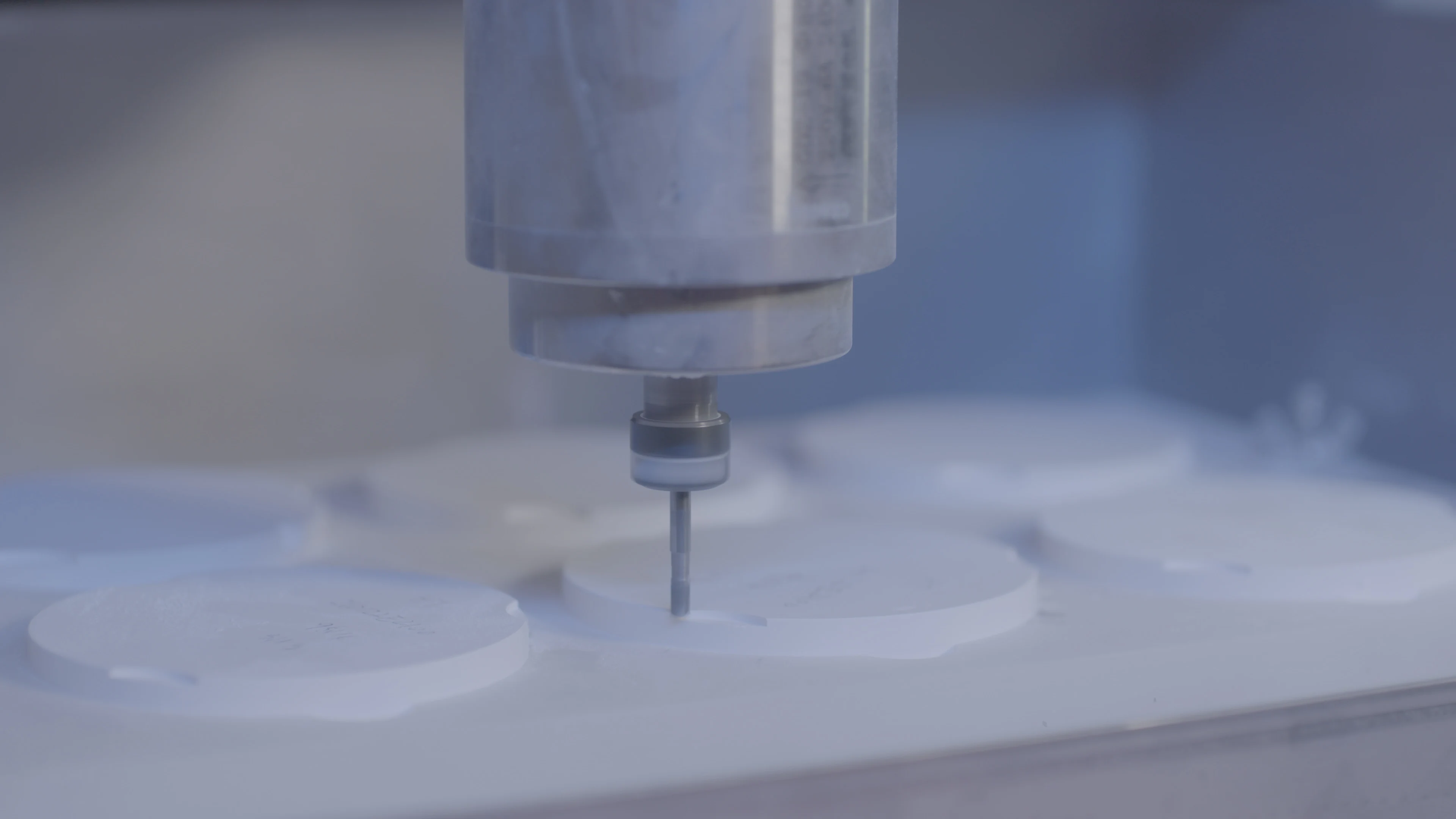
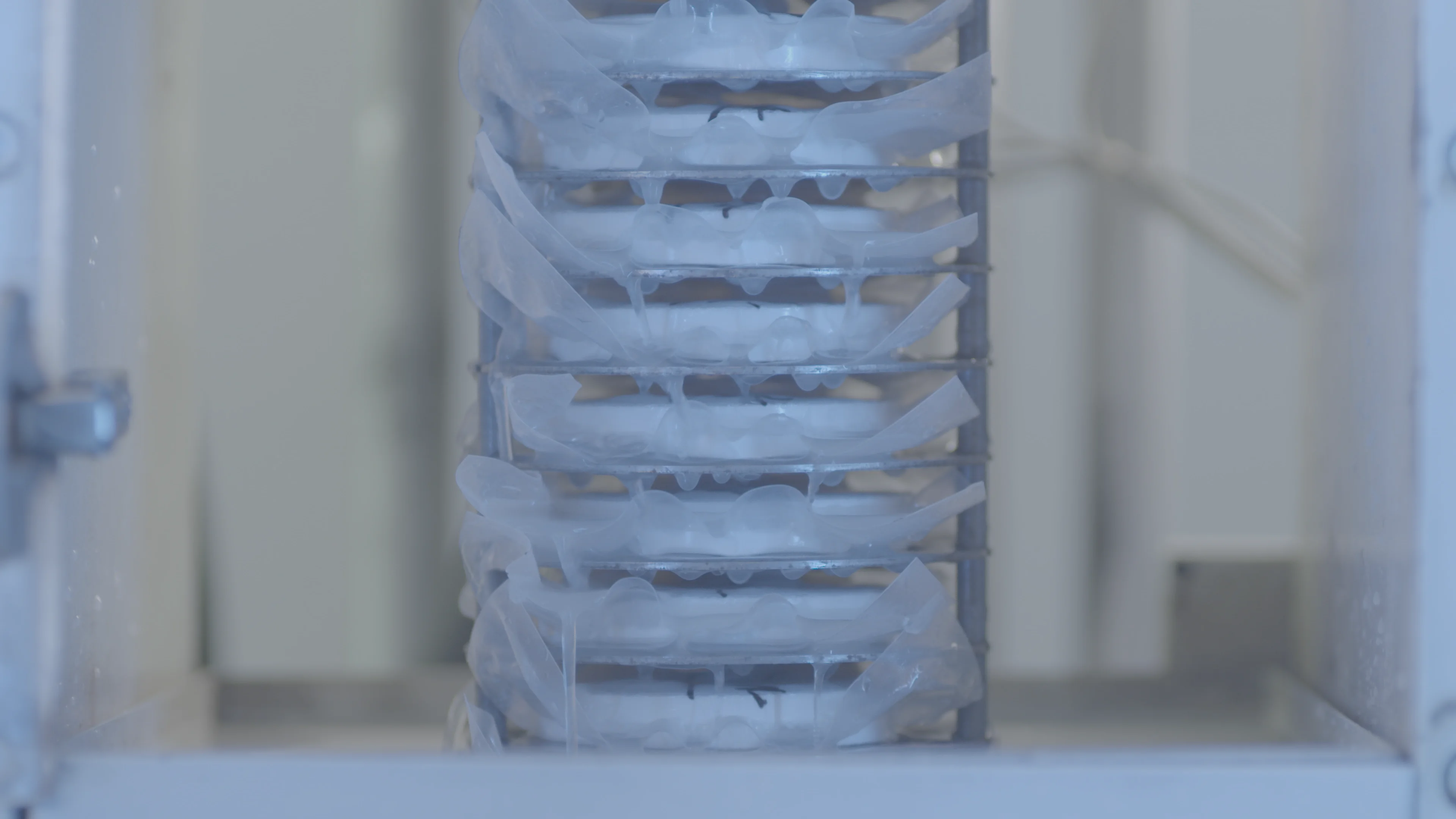

Dry & wet milling for zirconia, PMMA, wax with auto tool changer.
learn more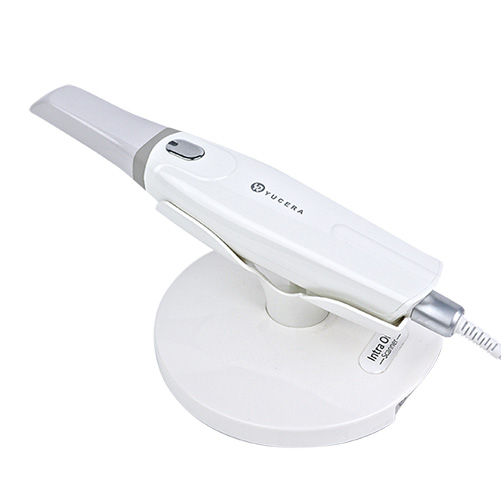
High-precision 3D scanning, AI calibration, full-arch accuracy.
learn more
40-min full sintering with 57% incisal translucency and 1050 MPa strength.
learn more
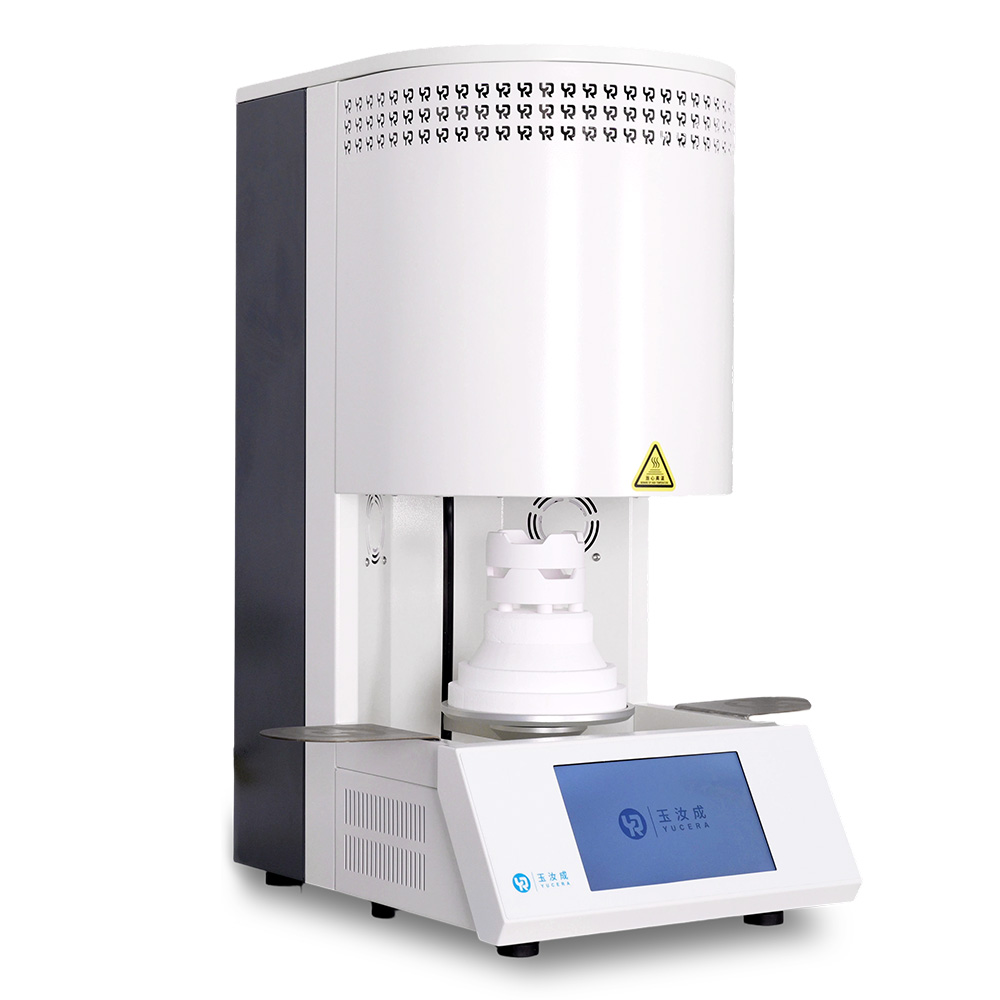
40-min cycle for 60 crowns, dual-layer crucible and 200°C/min heating.
learn more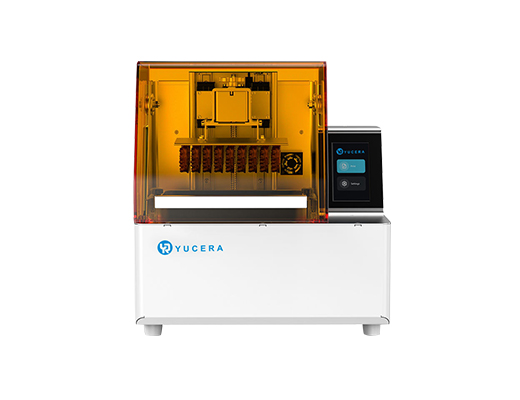
High-speed LCD printer for guides, temporaries, models with 8K resolution.
learn more