中 文
中 文

Zirconia Drying Before Sintering: The Invisible Key Step in CAD/CAM Restorations (3 Major Risks of Skipping It)
2026-03-09
2026-05-25
In modern orthodontic workflows, accurate dental impressions are essential for predictable clear aligner fabrication. Despite the rapid development of digital dentistry, alginate impressions are still used in some clinical settings, particularly for initial diagnosis and cost-sensitive cases.
However, alginate materials are inherently sensitive to environmental conditions such as humidity and time. This makes them prone to dimensional changes before scanning or model pouring, which can directly impact the accuracy of orthodontic treatment planning.
In clear aligner workflows, even small deviations in the dental arch model can lead to cumulative errors in tooth movement simulation and final appliance fit.
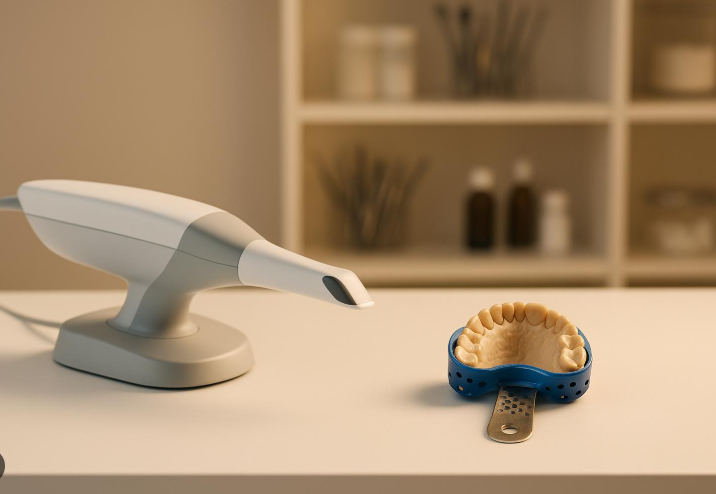
Alginate impression materials are highly dependent on water content. After removal from the oral cavity, they may undergo syneresis (water loss) or imbibition (water absorption) depending on storage conditions. Both processes can lead to dimensional distortion.
This instability makes alginate less suitable for workflows that require delayed processing or transportation before model fabrication or scanning.
One of the key limitations of alginate impressions is their time-sensitive accuracy. The longer the delay between impression taking and processing, the higher the risk of distortion.
In orthodontic workflows, this delay can occur during:
Even minor deformation can affect full-arch geometry, which is critical for aligner design.
Alginate impressions may also fail to accurately capture fine anatomical structures such as:
This loss of detail can reduce the precision of digital models used in orthodontic treatment planning.
Clear aligners depend on precise 3D tooth surface data to generate controlled orthodontic force systems. When alginate impressions are distorted, several clinical and technical issues may arise:
These challenges become more significant in full-arch orthodontic cases, where small errors accumulate across multiple teeth.
To address the limitations of alginate impressions, many dental clinics are transitioning toward intraoral scanners for orthodontic aligner workflows.
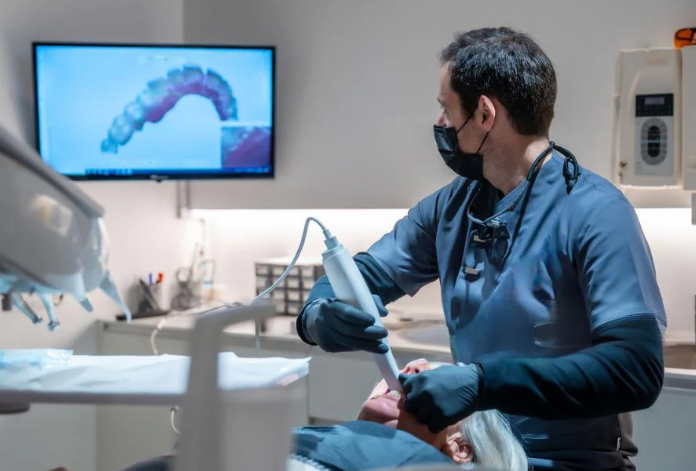
Intraoral scanners capture real-time 3D digital impressions without the use of physical impression materials. This eliminates risks associated with deformation, storage conditions, and material handling.
Digital scan data can be directly exported in formats such as STL, PLY, or OBJ, enabling seamless integration with orthodontic CAD software for aligner design and treatment planning.
Intraoral scanning supports chairside workflows, allowing clinicians to:
This improves overall workflow predictability in aligner production.
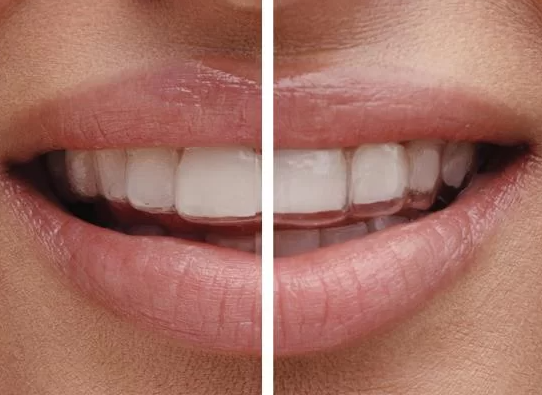
When selecting an intraoral scanner for clear aligner fabrication, dental professionals should consider the following technical factors:
These parameters directly influence the reliability of digital orthodontic workflows and aligner treatment outcomes.
Alginate impression distortion remains a critical challenge in orthodontic clear aligner fabrication. Factors such as moisture sensitivity, time-dependent deformation, and loss of anatomical detail can significantly affect treatment accuracy.
In contrast, intraoral scanning technology provides a more stable and reproducible digital alternative, supporting a fully integrated CAD/CAM orthodontic workflow.
As digital dentistry continues to evolve, intraoral scanners are becoming a key component in improving consistency between diagnosis, treatment planning, and final aligner delivery.

Dry & wet milling for zirconia, PMMA, wax with auto tool changer.
learn more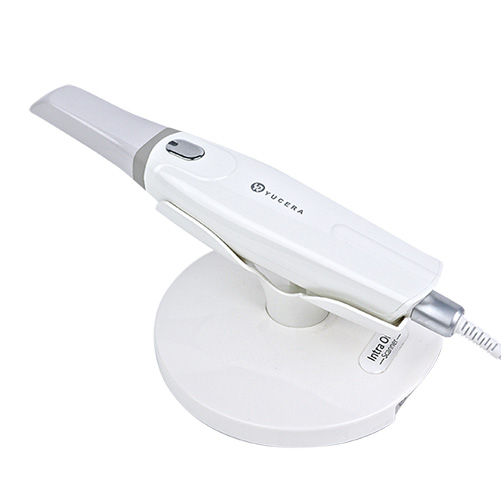
High-precision 3D scanning, AI calibration, full-arch accuracy.
learn more
40-min full sintering with 57% incisal translucency and 1050 MPa strength.
learn more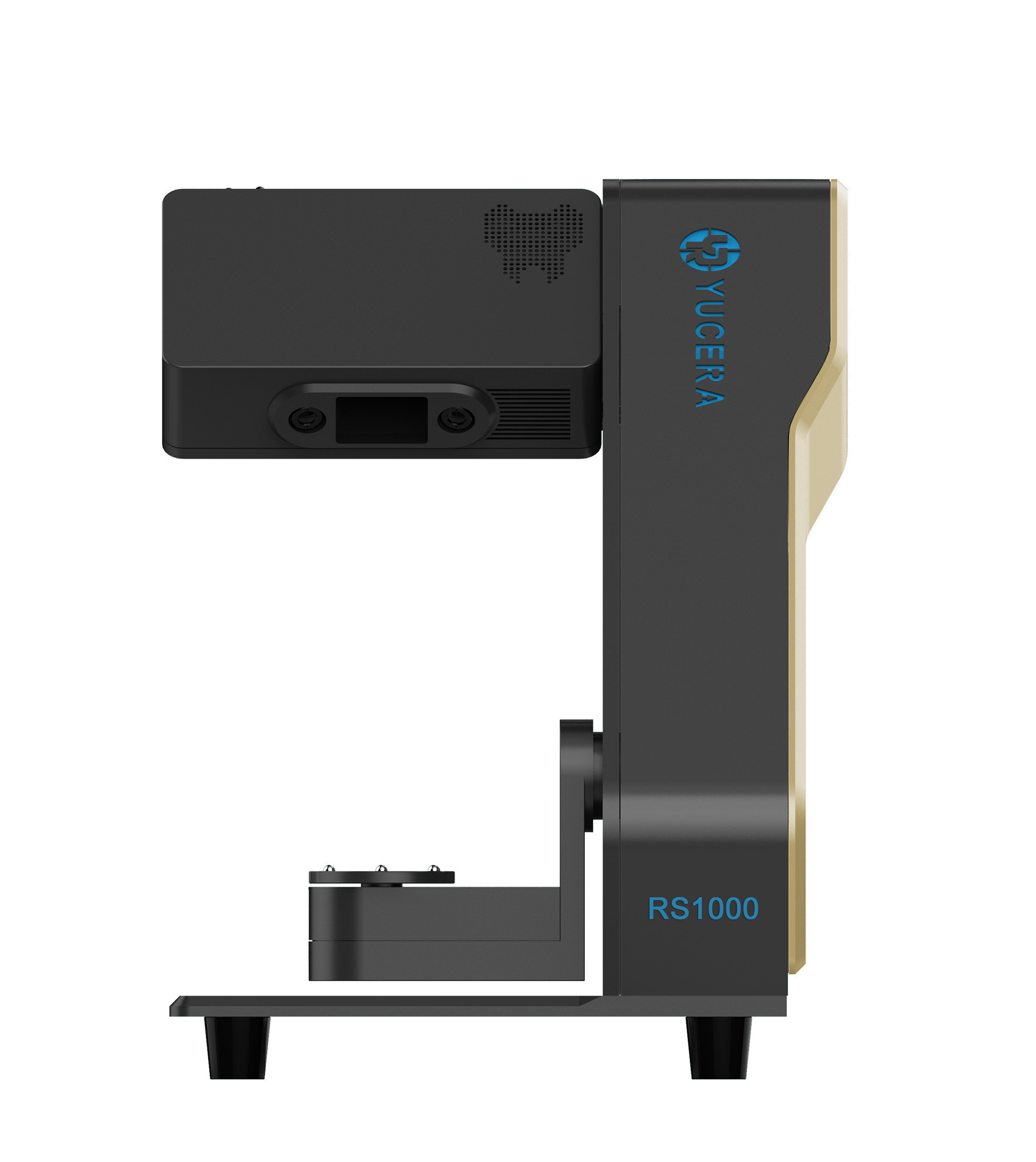
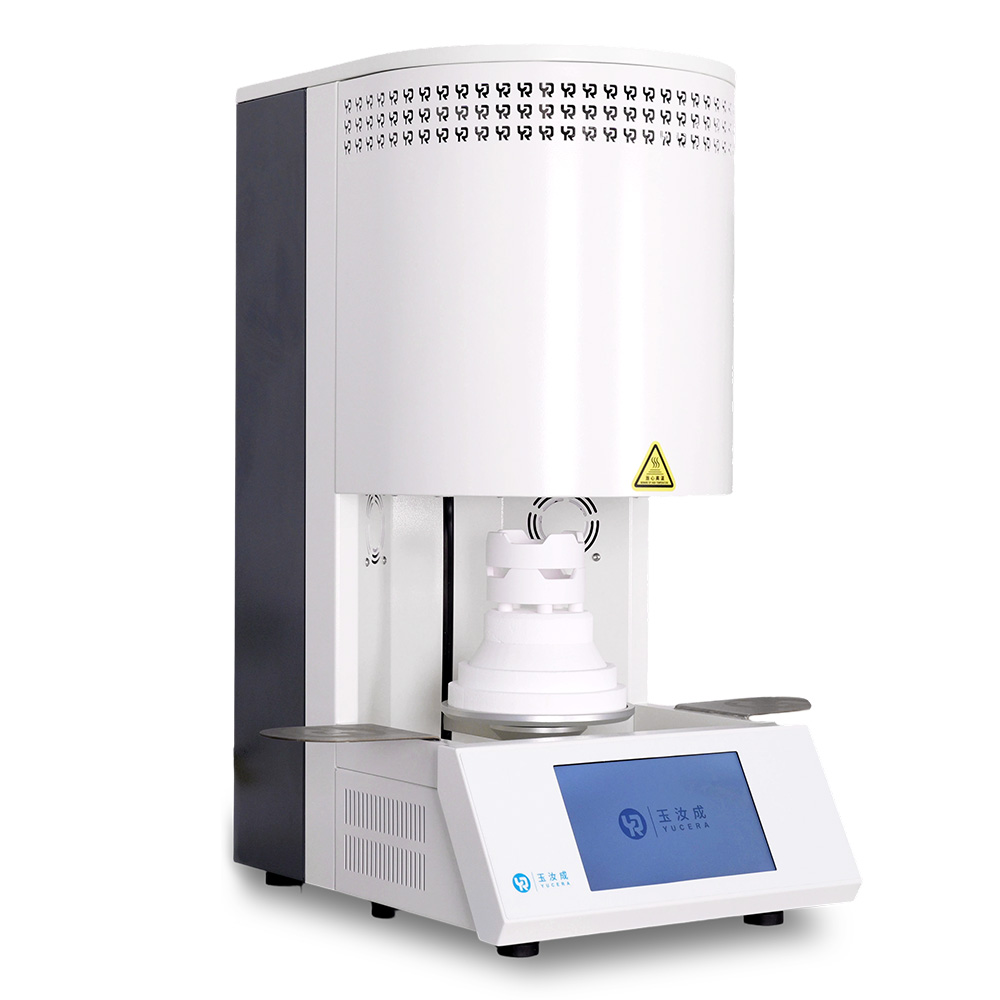
40-min cycle for 60 crowns, dual-layer crucible and 200°C/min heating.
learn more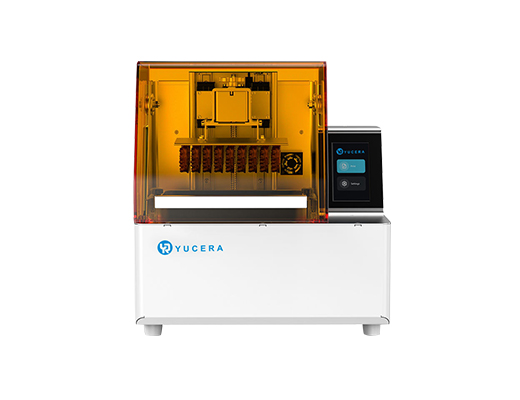
High-speed LCD printer for guides, temporaries, models with 8K resolution.
learn more