


 中 文
中 文

Reducing Import Costs: Local Sourcing for Dental Raw Materials in Nigeria
2025-11-15
2026-06-28
The field of dentistry is undergoing a significant transformation driven by digital technology. Among the most influential innovations is CAD/CAM technology (Computer-Aided Design and Computer-Aided Manufacturing), which is reshaping how dental professionals are trained and how clinical procedures are performed.
From dental schools to clinical laboratories, CAD/CAM systems are now a core part of modern dental education. This shift is not only improving efficiency but also changing how students understand restorative dentistry, treatment planning, and workflow integration.
Traditional dental education relied heavily on manual techniques, including wax carving, physical impressions, and plaster models. While these methods remain important, they are increasingly being supplemented by digital systems.
Today, dental students are trained using:
This integration allows students to visualize and practice complex procedures in a controlled digital environment.
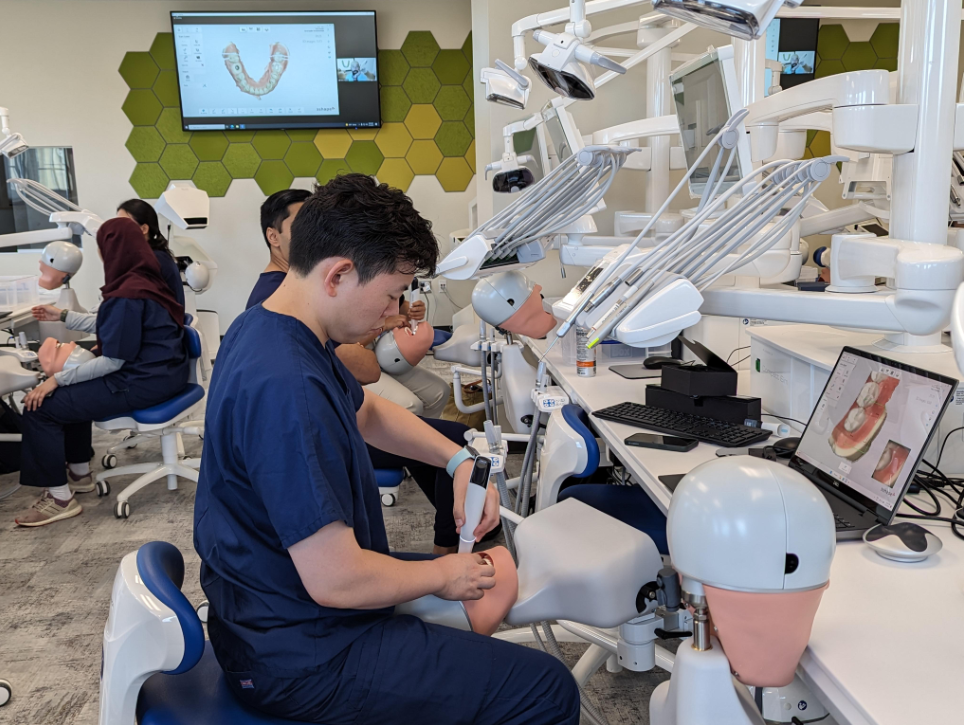
CAD/CAM technology refers to the digital process of designing and manufacturing dental restorations.
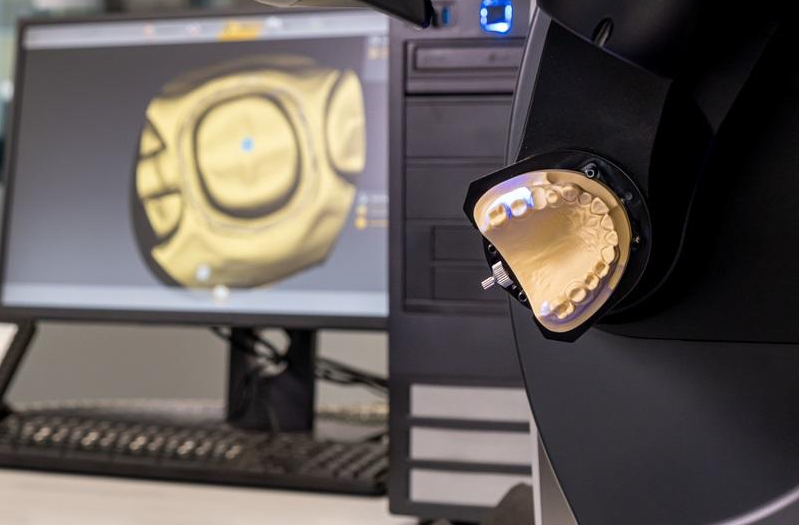
It involves three main steps:
This workflow replaces many traditional manual processes and ensures higher precision and consistency in dental restorations.
The introduction of CAD/CAM systems in dental schools has significantly improved learning outcomes.
Students can now view dental anatomy in 3D, allowing them to understand morphology, occlusion, and spatial relationships more effectively.
Digital workflows reduce dependency on repetitive manual carving, enabling students to learn faster and focus on clinical reasoning.
CAD/CAM systems provide consistent outputs, helping educators evaluate student performance more objectively.
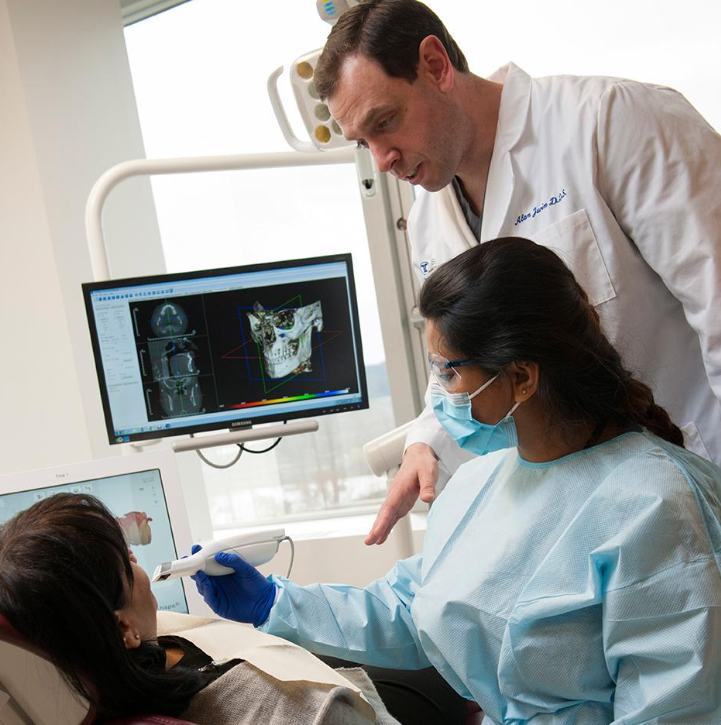
In clinical training environments, CAD/CAM technology bridges the gap between theory and practice.
Students can:
This integration helps future dentists transition more smoothly into real-world practice.
Simulation systems are becoming an essential part of dental education.
Using digital platforms, students can:
This significantly enhances skill development while reducing clinical risks during early training stages.
CAD/CAM systems are known for improving precision in dental restorations.
Key advantages include:
These improvements directly enhance patient outcomes and reduce chairside adjustment time.
Despite its advantages, integration of CAD/CAM technology presents challenges:
However, as technology becomes more affordable, adoption is increasing globally.
The future of dental education will likely combine traditional clinical training with advanced digital systems.
Emerging trends include:
This hybrid approach will define the next generation of dental professionals.
CAD/CAM technology is no longer just a clinical tool—it is becoming a fundamental part of dental education and training. By integrating digital workflows into academic environments, dental schools are preparing students for a future where precision, efficiency, and digital fluency are essential.
The transformation of dental education through CAD/CAM represents a shift toward a more advanced, standardized, and technology-driven profession.

Dry & wet milling for zirconia, PMMA, wax with auto tool changer.
learn more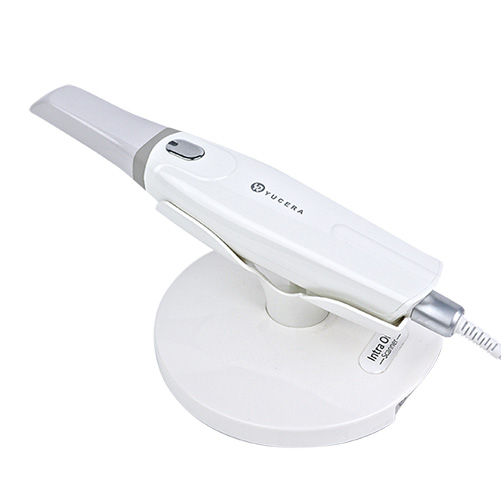
High-precision 3D scanning, AI calibration, full-arch accuracy.
learn more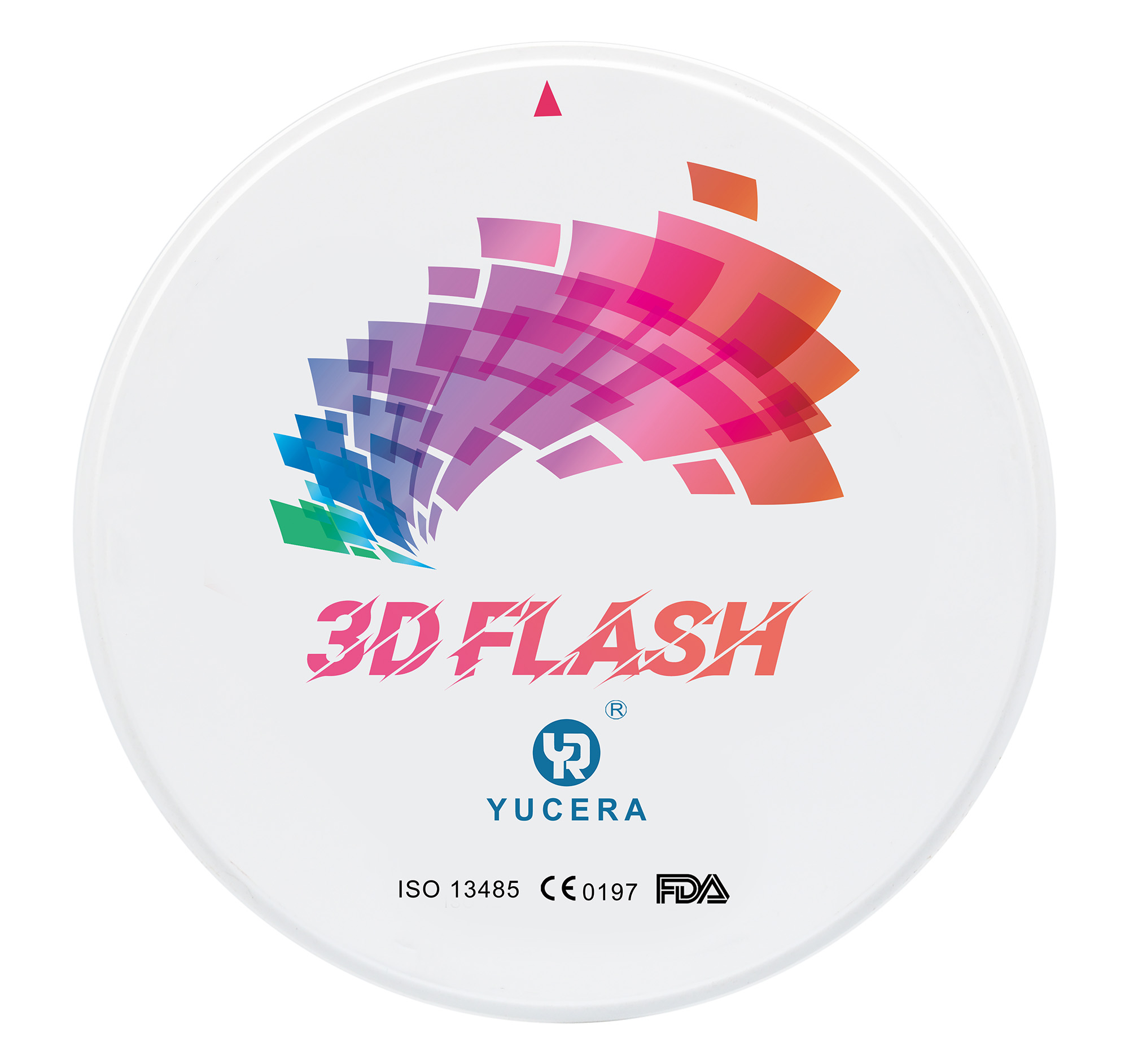
40-min full sintering with 57% incisal translucency and 1050 MPa strength.
learn more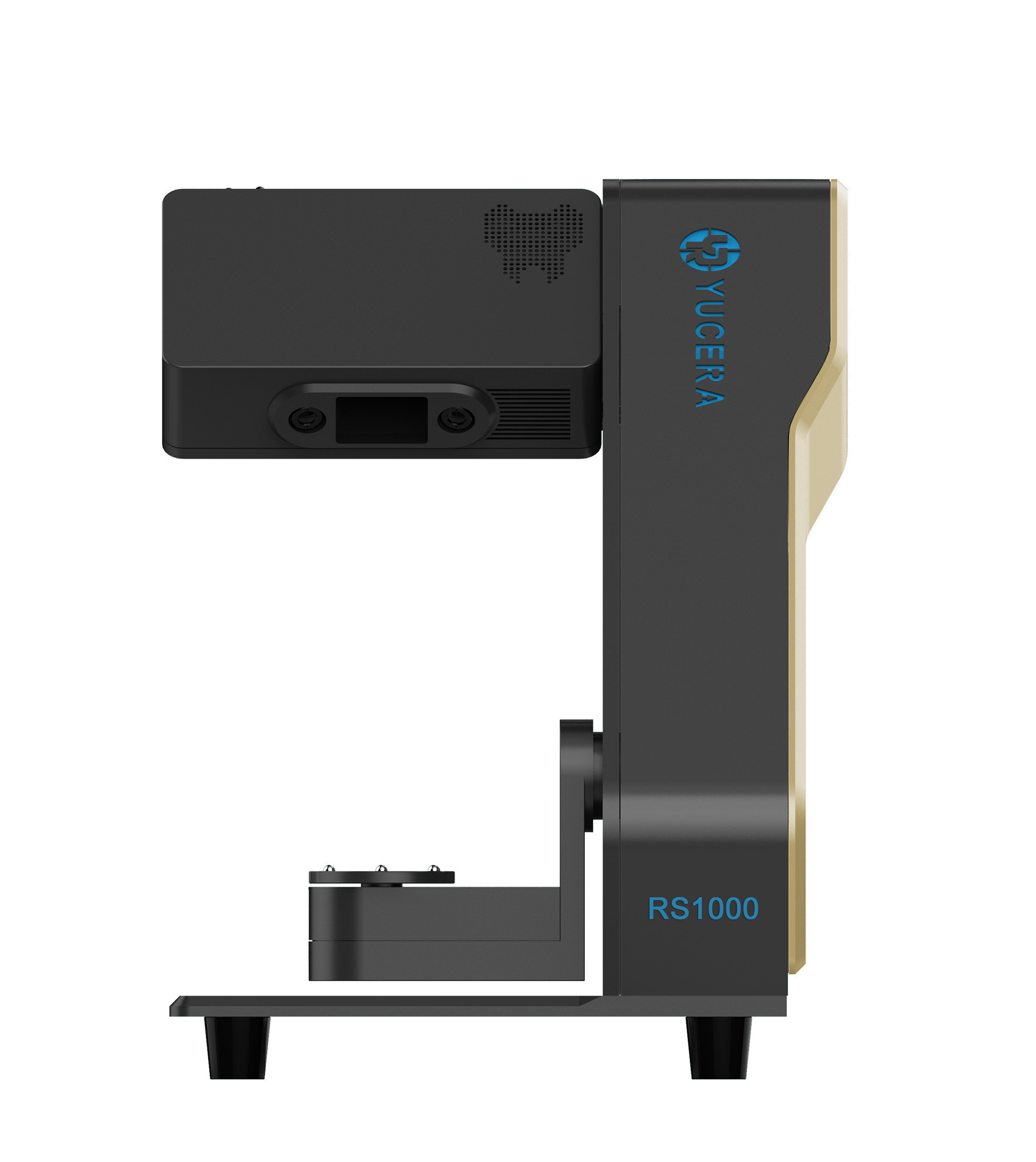
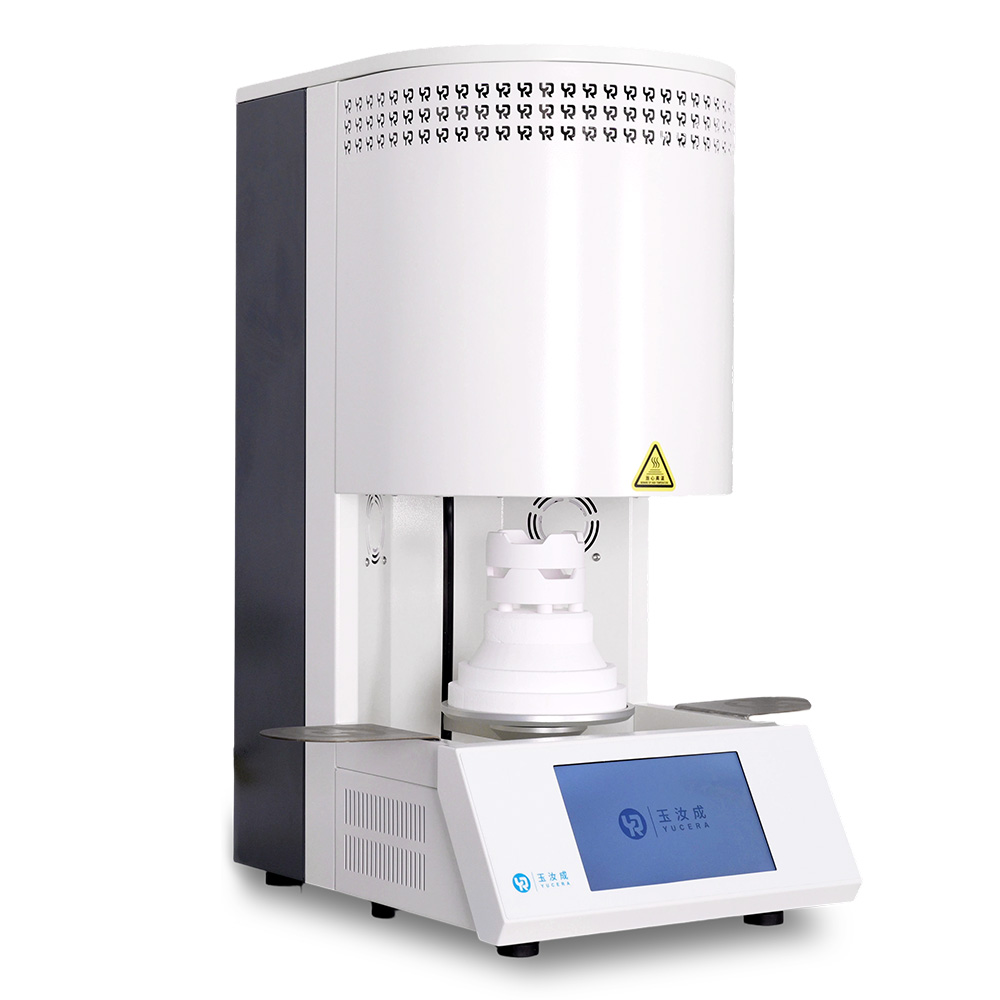
40-min cycle for 60 crowns, dual-layer crucible and 200°C/min heating.
learn more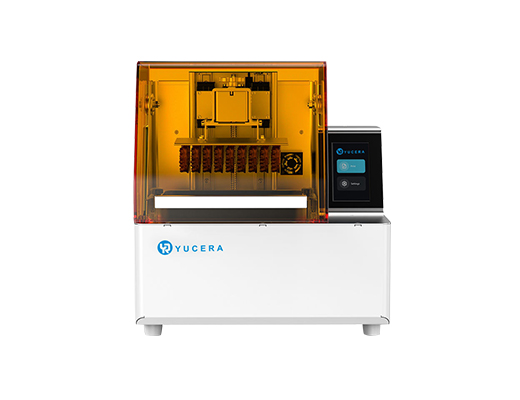
High-speed LCD printer for guides, temporaries, models with 8K resolution.
learn more


