


 中 文

Wireless Intraoral Scanners in 2026: Enhancing Patient Comfort and Scan Speed in Pediatric Dentistry
2025-11-30
2026-11-09
Not all zirconia materials absorb coloring liquids in the same way. Yttria content, porosity, and pre-coloration are three important characteristics to consider when evaluating zirconia coloring performance. However, they do not affect liquid absorption equally.
Among these three factors, porosity is the primary factor that directly determines how much coloring liquid can enter pre-sintered zirconia and how deeply it can penetrate.
Yttria content mainly affects the crystalline phases and optical properties of zirconia, influencing how the final color appears after sintering. Pre-coloration determines the material's initial shade and affects the remaining color adjustment range. Neither factor directly determines the amount of coloring liquid absorbed.
Understanding this distinction helps dental laboratories select appropriate coloring procedures and avoid confusing liquid absorption with the final color result.
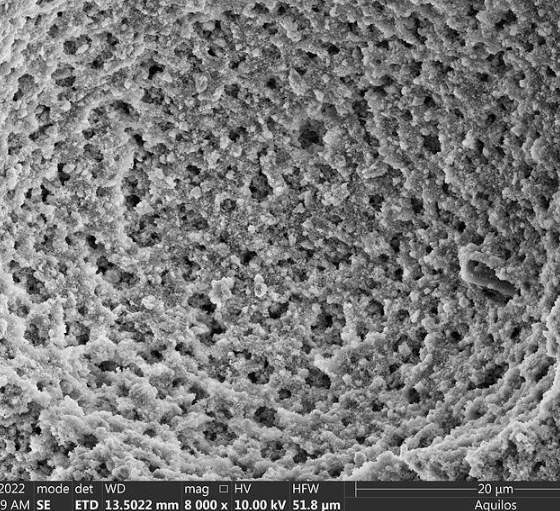
The porosity of pre-sintered zirconia plays a major role in determining how coloring liquids enter and penetrate the material. During the coloring process, liquid primarily moves through interconnected open pores within the zirconia structure. Therefore, pore volume, pore size, and pore connectivity all influence liquid uptake and penetration depth.
Understanding these structural characteristics helps dental laboratories achieve more controlled and uniform coloring results.
Pre-sintered zirconia consists of zirconia particles that have been bonded together through an initial sintering process. However, the material has not yet reached its final density. Small pores remain between the particles.
These pores can be classified into two main types:
Open pores: Connected to the external surface, allowing coloring liquid to enter the material.
Closed pores: Completely enclosed within the material, preventing coloring liquid from entering through them.
Open porosity is particularly important because it provides the internal space that can be occupied by coloring liquid.
When a zirconia blank has a suitable open-pore structure, coloring liquid can enter more effectively. In contrast, a material with fewer accessible pores may exhibit lower liquid uptake under the same coloring conditions.
However, higher total porosity does not automatically mean greater liquid absorption. Only pores that are accessible and sufficiently connected to the surface can contribute effectively to liquid uptake.
Apart from the total amount of open pores, their connectivity also matters.
When pores form continuous pathways, coloring liquid can move from the surface toward the interior of the zirconia blank.
If these pathways are well connected, the liquid can penetrate deeper into the material. If pores are isolated or poorly connected, liquid movement may be restricted to areas close to the surface.
This can lead to differences in coloring depth, even when two zirconia materials have similar total porosity.
For dental laboratories, this distinction is important because sufficient penetration helps reduce the risk of a strongly colored surface with a comparatively lighter interior.
Pore size also affects how coloring liquid enters the zirconia structure.
Smaller pores can generate stronger capillary pressure when the liquid wets their surfaces. This may help draw liquid into the pore network.
However, smaller pores also create greater resistance to liquid flow. As a result, the liquid may move more slowly through very narrow channels.
Larger pores generally offer less resistance to liquid movement, but they do not necessarily provide stronger capillary suction.
Therefore, neither extremely small nor extremely large pores are automatically ideal for coloring. A suitable pore-size distribution and interconnected structure are more important for balanced liquid absorption and penetration.
The distribution of pores throughout a zirconia blank is another important consideration.
If the pore structure is relatively uniform, coloring liquid has a better chance of entering different regions under similar conditions.
However, variations in local porosity or pore connectivity may cause differences in liquid uptake.
Possible consequences include:
Uneven coloring depth between different areas.
Local variations in color intensity.
Differences in the appearance of the restoration after sintering.
It is important to note that uneven coloring can also result from inconsistent immersion time, liquid application, surface contamination, or drying conditions. Porosity is an important factor, but it is not the only possible cause.
The pore structure of zirconia changes significantly during the final sintering process.
As temperature increases, zirconia particles undergo diffusion and gradually form stronger connections. The material densifies, and the pores between particles become smaller or disappear.
This process is known as sintering shrinkage.
Before final sintering, the open pores allow coloring liquid to penetrate the material. After densification, most of these pathways are eliminated or substantially reduced.
This is why coloring is generally performed before final sintering, while the zirconia still has an accessible porous structure.
Dental laboratories cannot easily change the internal pore structure of a finished zirconia blank. However, they can control several processing conditions to achieve more consistent coloring results.
1. Follow the recommended coloring procedure
Use the immersion time and application method specified for the zirconia material. Different materials may have different pore structures and therefore different coloring requirements.
2. Maintain consistent immersion conditions
Keep immersion time, liquid temperature, and application methods consistent when processing restorations in the same batch.
3. Avoid surface contamination
Dust, oil, and other contaminants may affect liquid wetting and initial penetration. Ensure that zirconia restorations are clean before coloring.
4. Control the drying process
Residual liquid on the surface or uneven drying may influence the final appearance. Follow the recommended drying procedure before sintering.
5. Evaluate coloring results after sintering
The final color is affected not only by liquid absorption but also by pigment composition, sintering conditions, and the optical properties of zirconia. Evaluate the finished restoration rather than judging absorption solely by its appearance before sintering.
Porosity is one of the most important structural factors affecting coloring liquid absorption in pre-sintered zirconia.
Open porosity determines the available space for liquid uptake, pore connectivity influences penetration depth, and pore size affects capillary action and liquid flow resistance. A uniform and interconnected pore structure helps create more predictable coloring conditions.
For dental laboratories, understanding these characteristics provides a useful foundation for selecting appropriate coloring procedures and achieving more consistent zirconia restoration results.

Dry & wet milling for zirconia, PMMA, wax with auto tool changer.
learn more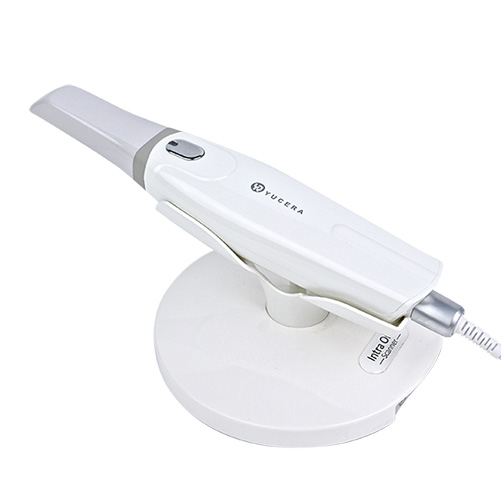
High-precision 3D scanning, AI calibration, full-arch accuracy.
learn more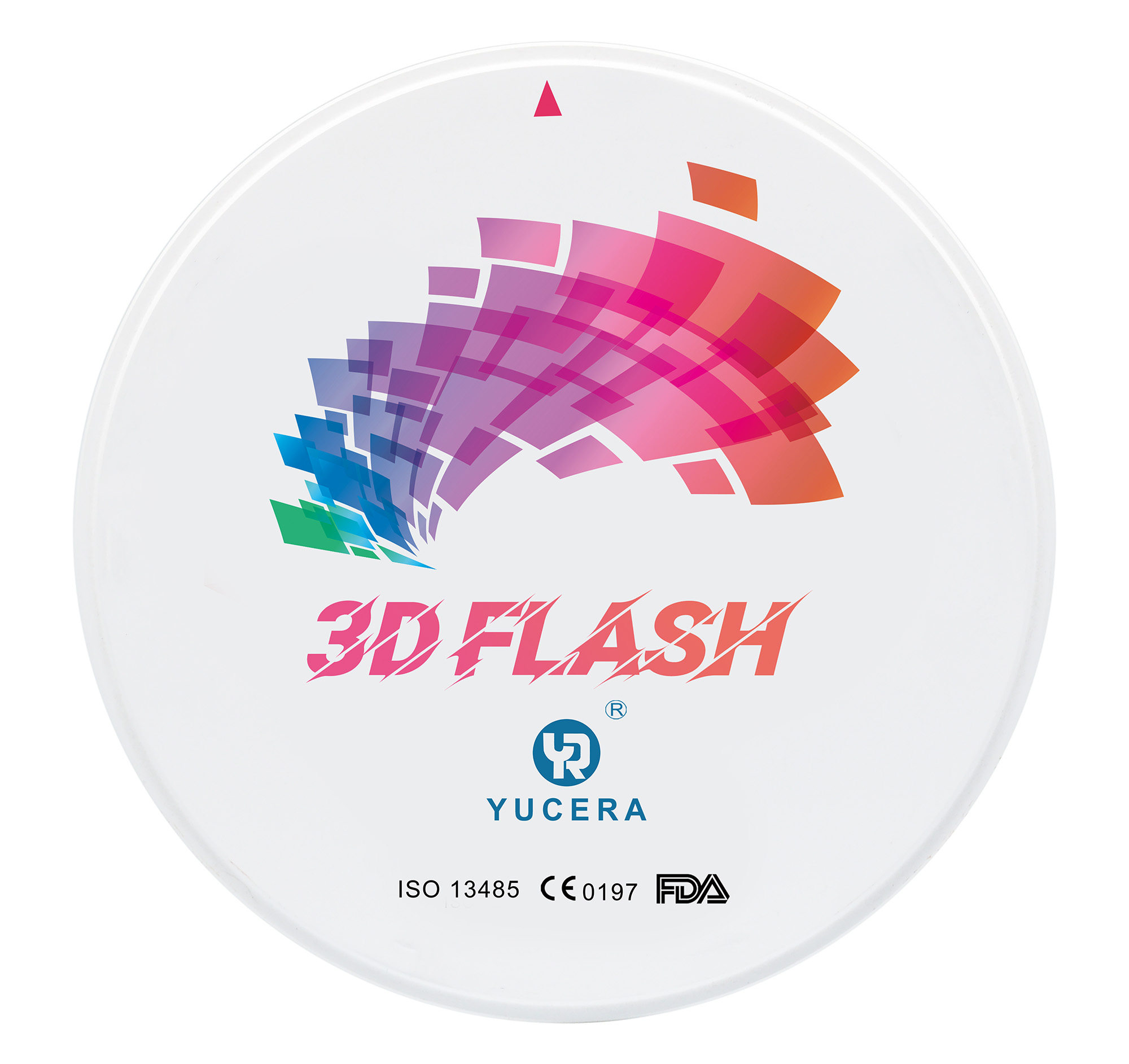
40-min full sintering with 57% incisal translucency and 1050 MPa strength.
learn more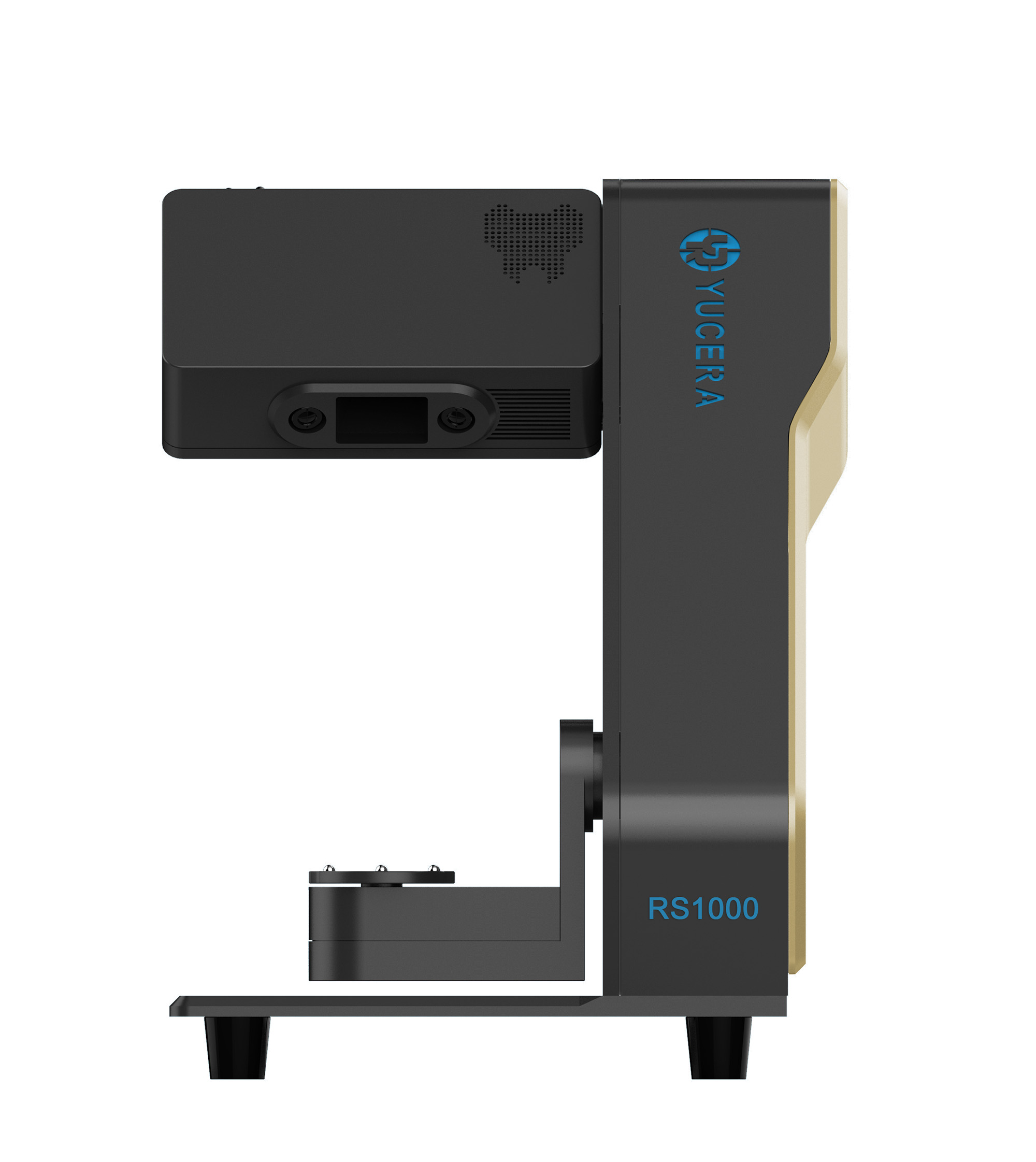
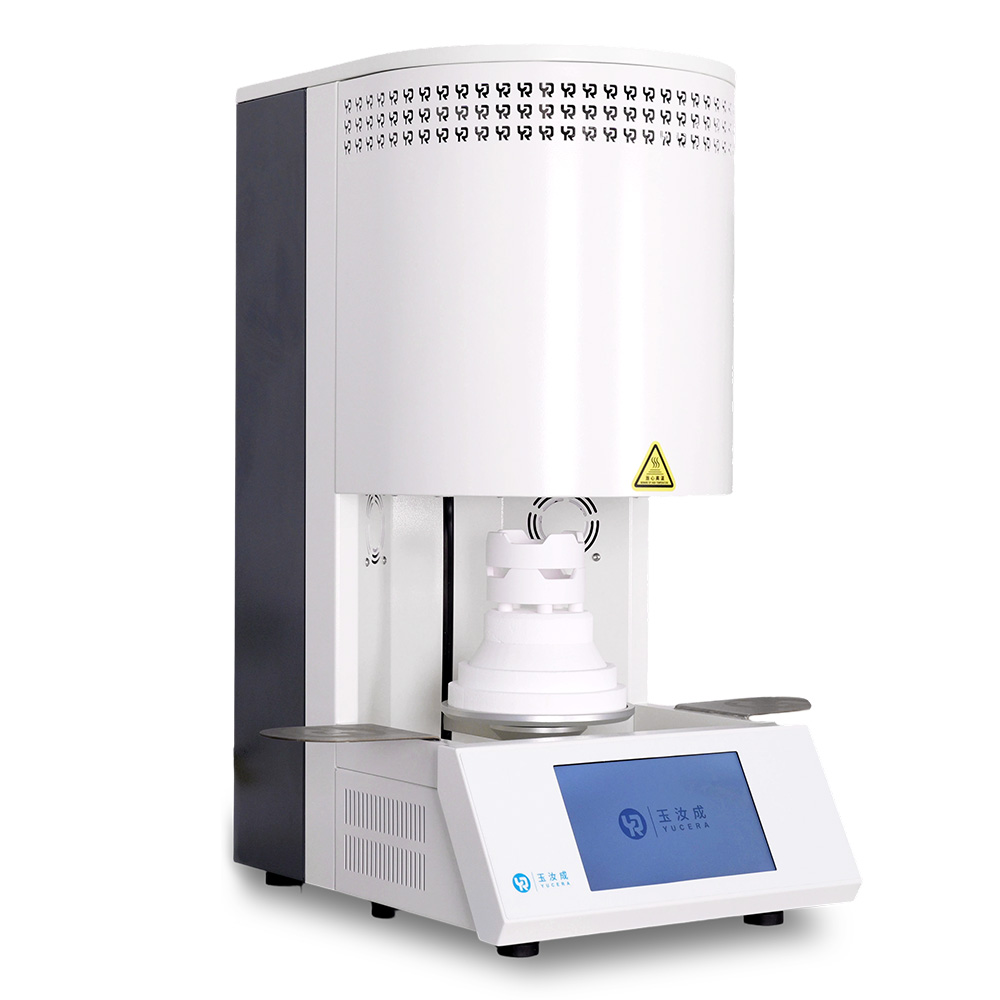
40-min cycle for 60 crowns, dual-layer crucible and 200°C/min heating.
learn more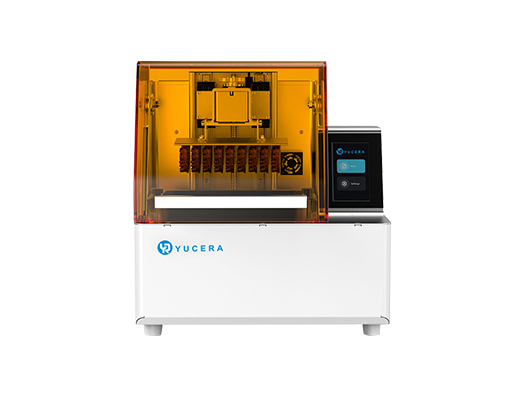
High-speed LCD printer for guides, temporaries, models with 8K resolution.
learn more


2025-11-30
2026-01-16
2025-12-17


