


 中 文
中 文
Multilayer Zirconia vs Composite Resin: Durability in Aesthetic Restorations for Eastern Europe CAD/CAM Dental Market 2025
2025-12-08
2026-03-31
In 2026, zirconia remains the cornerstone of monolithic restorations, but rising raw material prices and energy costs demand smarter strategies. High cost-performance formulations—strategically balancing yttria content and multilayer designs—combined with rapid sintering protocols deliver 20–40% net savings while preserving 900–1400 MPa strength and 98%+ five-year survival. This evidence-based guide outlines practical optimizations for single crowns, bridges, and implant-supported units, helping clinics and labs reduce per-unit costs without compromising clinical outcomes.
The global zirconia dental materials market continues to expand, yet labs face margin pressure from premium blocks and prolonged conventional sintering. By selecting the right formula for the indication and accelerating thermal processing, practices achieve predictable esthetics, lower energy bills, and fewer remakes.
Modern zirconia is classified by yttria stabilization:
Multilayer/gradient blocks further enhance value: built-in incisal, body, and cervical shading minimizes post-milling staining or veneering. Labs report 15–25% overall cost reduction per crown through streamlined workflows and lower remake rates.
Clinical data support the shift: monolithic zirconia crowns fabricated from optimized formulations achieve 98% five-year survival, with monolithic designs showing zero ceramic defects versus 13.6% chipping in partially veneered units.
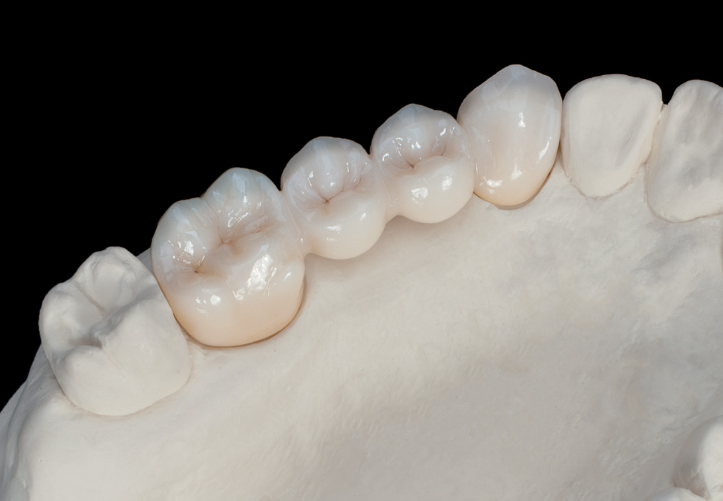
Conventional sintering (8–12 hours at 1500–1600°C) consumes significant energy and limits daily output. 2026 speed and high-speed sintering cut cycle times dramatically while maintaining density >99% and mechanical properties.
Recent meta-analyses and cohort studies confirm that cost-optimized zirconia delivers excellent outcomes:
Patient satisfaction scores remain high (VAS 8.5–9.2) due to natural esthetics in high-translucency options and durability in strength-focused formulas.
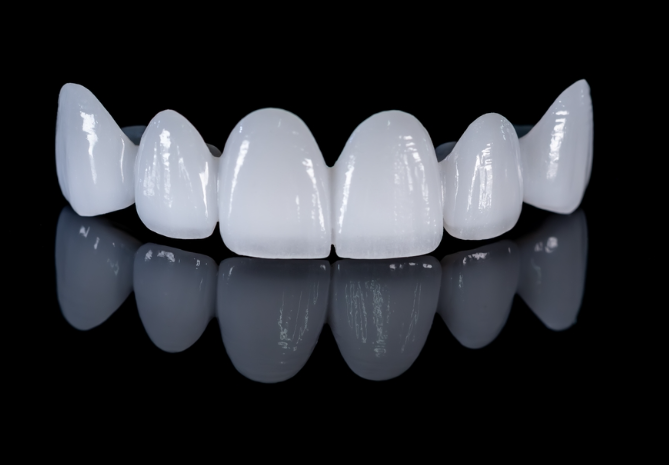
Posterior High-Load (Molars, Bridges): 3Y or 4Y monolithic with standard or speed sintering. Minimal prep (1.0–1.5 mm), conventional cementation possible.
Anterior Esthetic Zones: 5Y or multilayer high-translucency with rapid sintering. Ideal for thin biotypes or high smile lines; adhesive bonding maximizes strength.
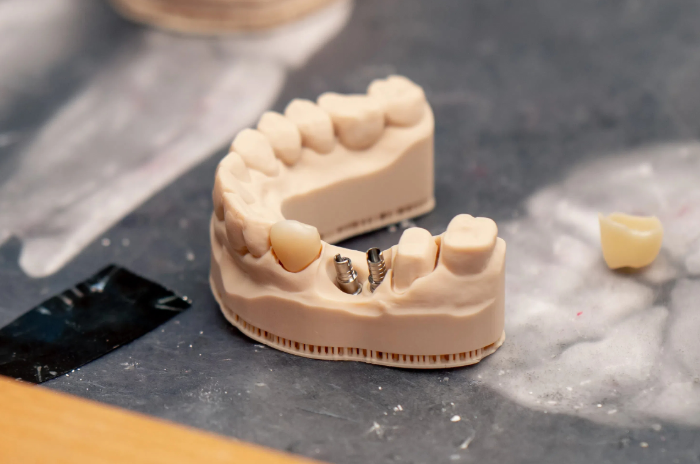
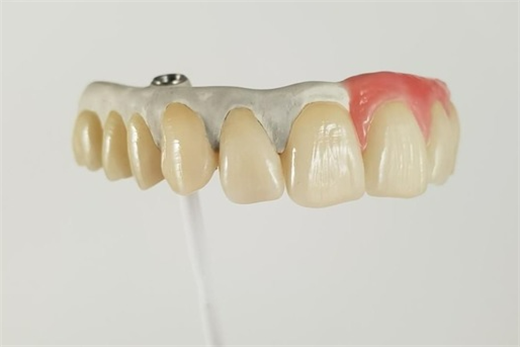
Implant-Supported: Monolithic 4Y/5Y on titanium bases or full zirconia hybrids. Speed cycles enable same-day or next-day delivery.
Budget-Constrained Cases: Standard 3Y with high-speed sintering maximizes volume and margin.
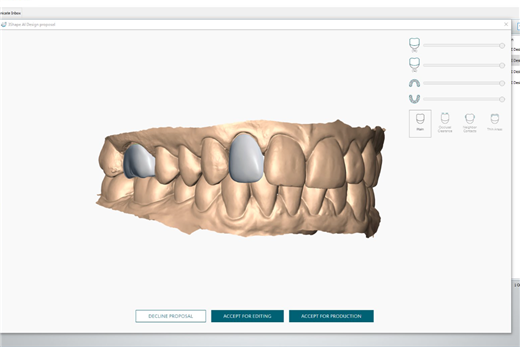
Digital workflow validation—virtual try-ins and AI occlusion analysis—ensures first-fit success in >93% of cases.
These steps typically deliver 25–35% overall process cost reduction within the first quarter.
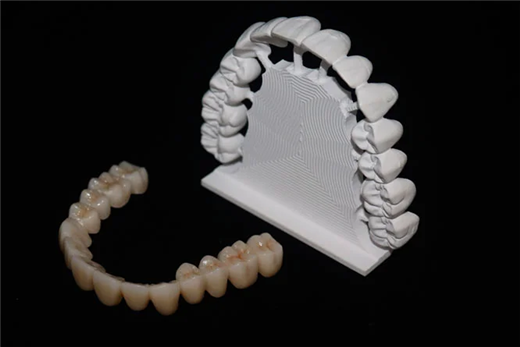
Additive manufacturing (3D printing of zirconia) further cuts material waste by 40–60% compared to milling. Bioactive surface enhancements and AI-optimized sintering profiles promise additional efficiency gains. Hybrid 4Y/5Y blocks continue to narrow the strength-esthetics gap while controlling costs.
Zirconia material cost control in 2026 is no longer about choosing the cheapest block—it’s about intelligent formulation selection and sintering optimization. By deploying high cost-performance 3Y/4Y/5Y options and speed protocols, labs achieve 30–50% energy savings, 15–30% lower per-unit costs, and survival rates exceeding 98% at five years. The result: predictable esthetics, reduced complications, and stronger practice profitability.

Dry & wet milling for zirconia, PMMA, wax with auto tool changer.
learn more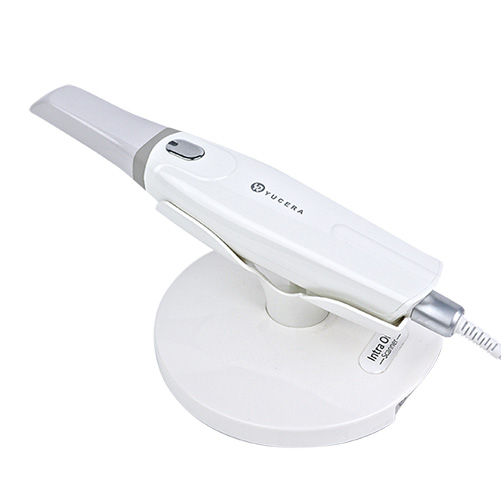
High-precision 3D scanning, AI calibration, full-arch accuracy.
learn more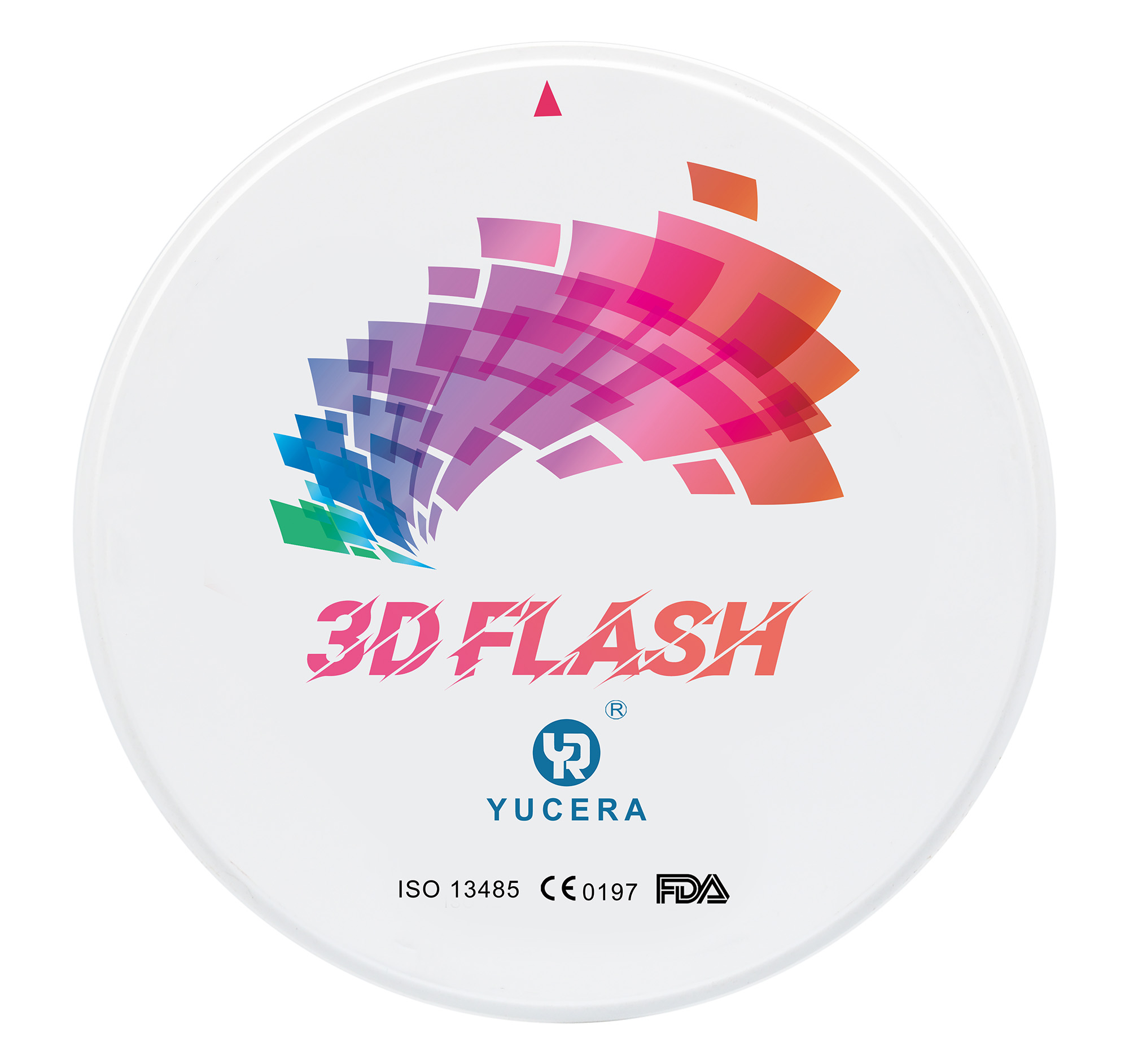
40-min full sintering with 57% incisal translucency and 1050 MPa strength.
learn more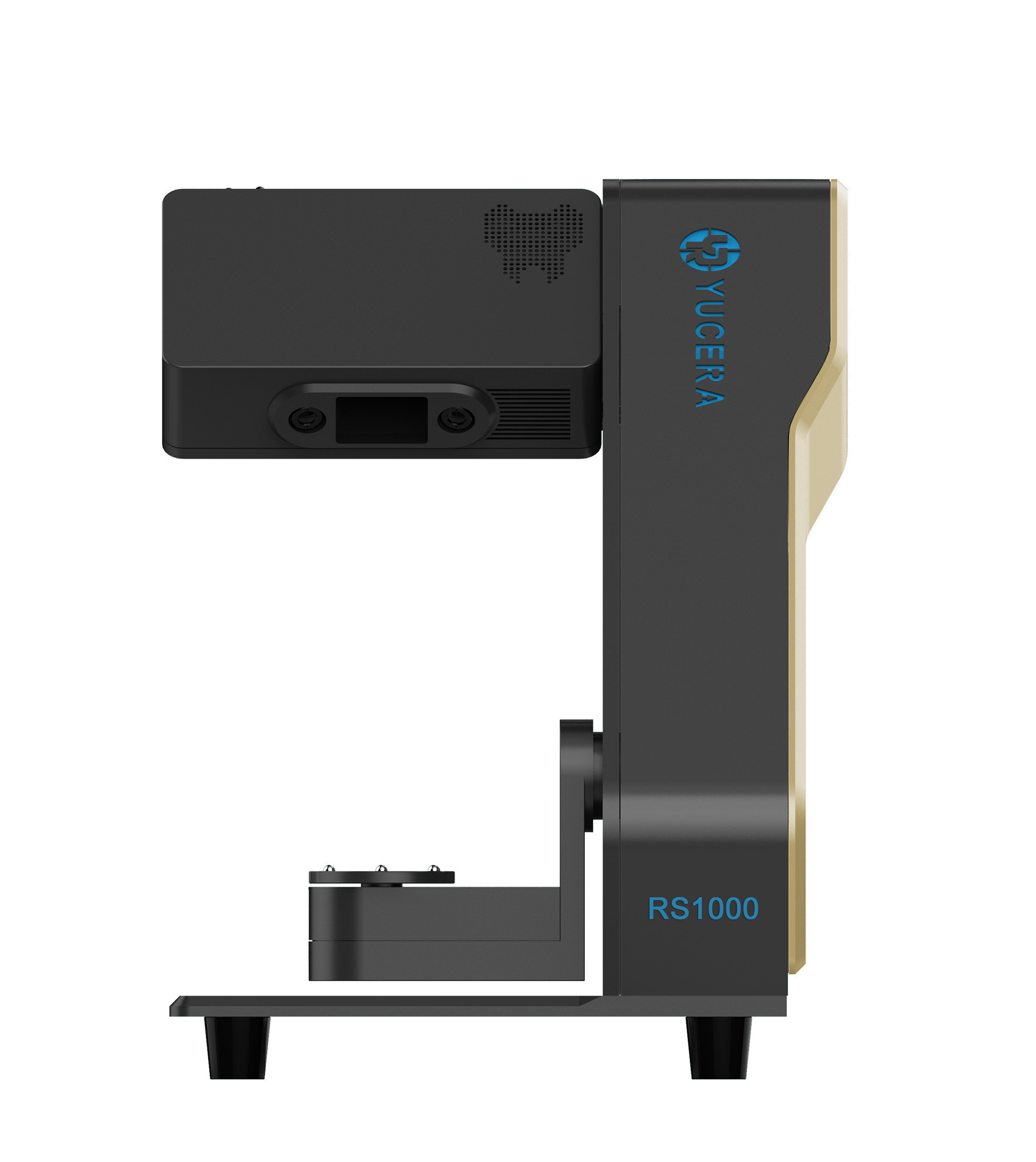
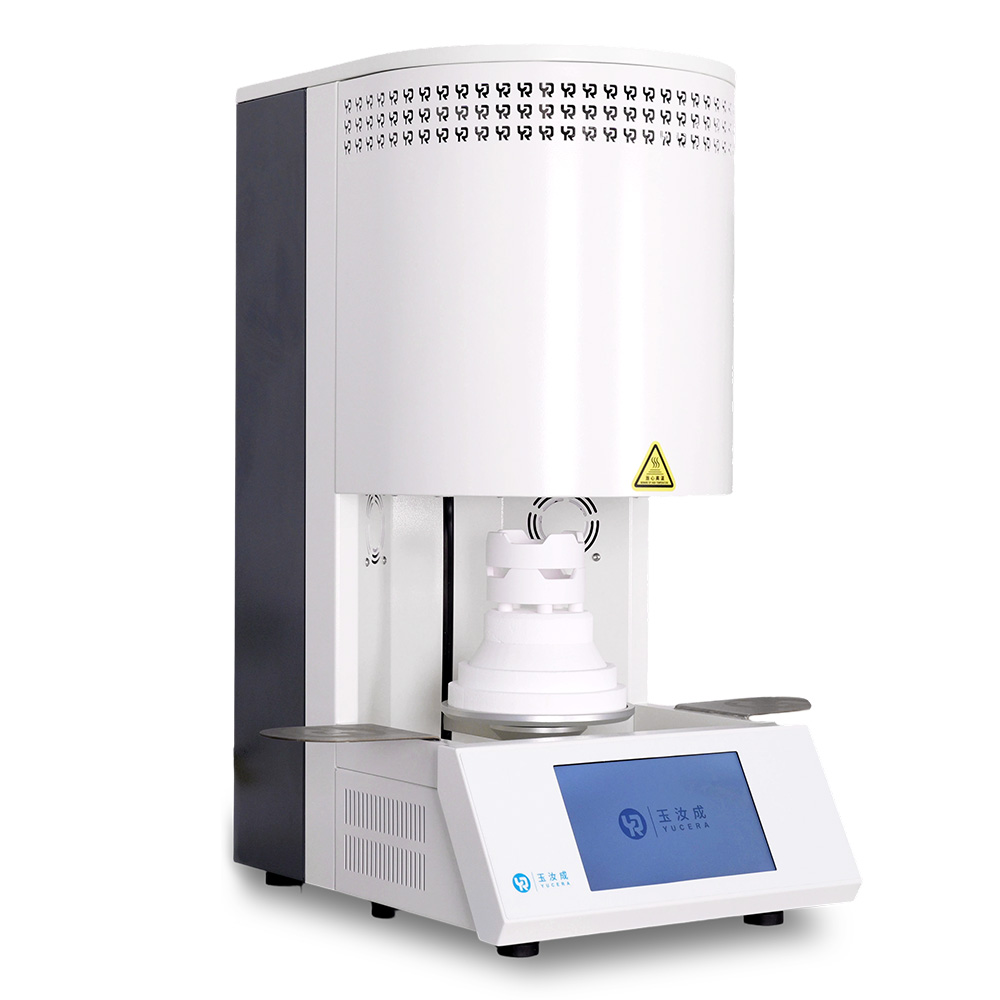
40-min cycle for 60 crowns, dual-layer crucible and 200°C/min heating.
learn more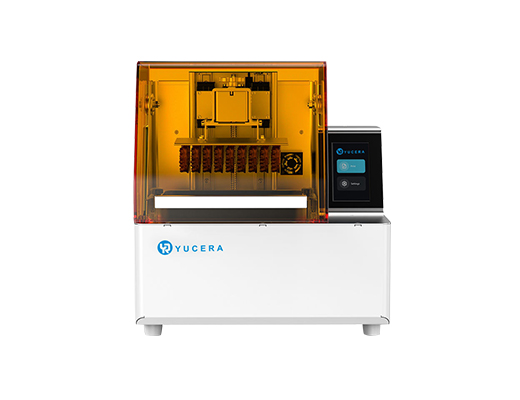
High-speed LCD printer for guides, temporaries, models with 8K resolution.
learn more


2025-12-08
2026-01-16
2025-10-21


