


 中 文
中 文
How to Choose Dental CAD/CAM Equipment: Guide Based on Full Workflow for Clinics and Labs
2025-12-25
2026-07-29
With the rapid development of digital dentistry, dental laboratories worldwide are gradually transitioning from traditional restoration methods to advanced CAD/CAM workflows. Among various dental materials, zirconia dental restorations have become one of the most widely used solutions due to their excellent strength, biocompatibility, and esthetic potential.
While zirconia adoption has become mature in many developed dental markets, some regions, including parts of Africa, are still in the early stages of zirconia and CAD/CAM technology adoption. Understanding the differences between natural teeth and zirconia restorations helps dental professionals better select materials and improve restoration outcomes.
Natural teeth are complex biological structures composed of enamel, dentin, and dental pulp. Enamel provides hardness and translucency, dentin supports the tooth structure and absorbs chewing forces, while dental pulp provides sensory functions through nerves and blood vessels.
In contrast, zirconia dental crowns are manufactured from yttria-stabilized zirconium dioxide (Y-TZP), a high-performance ceramic material. Zirconia contains no biological tissues and has no sensory or self-repair capability, but it provides excellent fracture resistance, chemical stability, and biocompatibility.
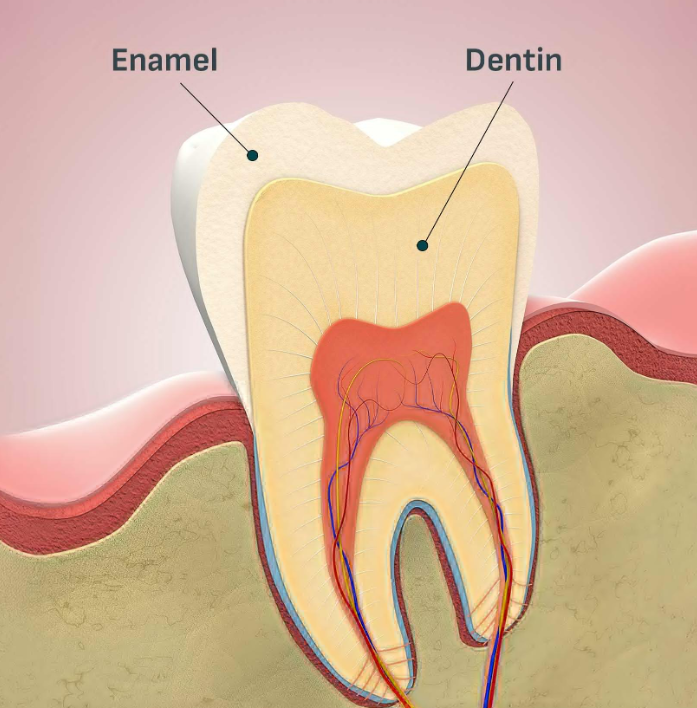
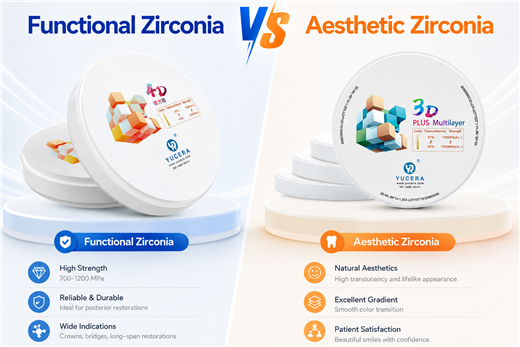
Natural teeth achieve durability through the balance between enamel hardness and dentin elasticity. Zirconia restorations rely on engineered ceramic strength, offering high flexural strength and resistance to crack propagation. Depending on the material composition, modern zirconia blocks can provide strength levels suitable for crowns, bridges, and full-arch restorations.
Natural teeth have unique optical characteristics, including translucency, fluorescence, and opalescence. Modern multilayer zirconia blocks simulate these effects through controlled translucency and color gradients, providing more natural-looking dental restorations.
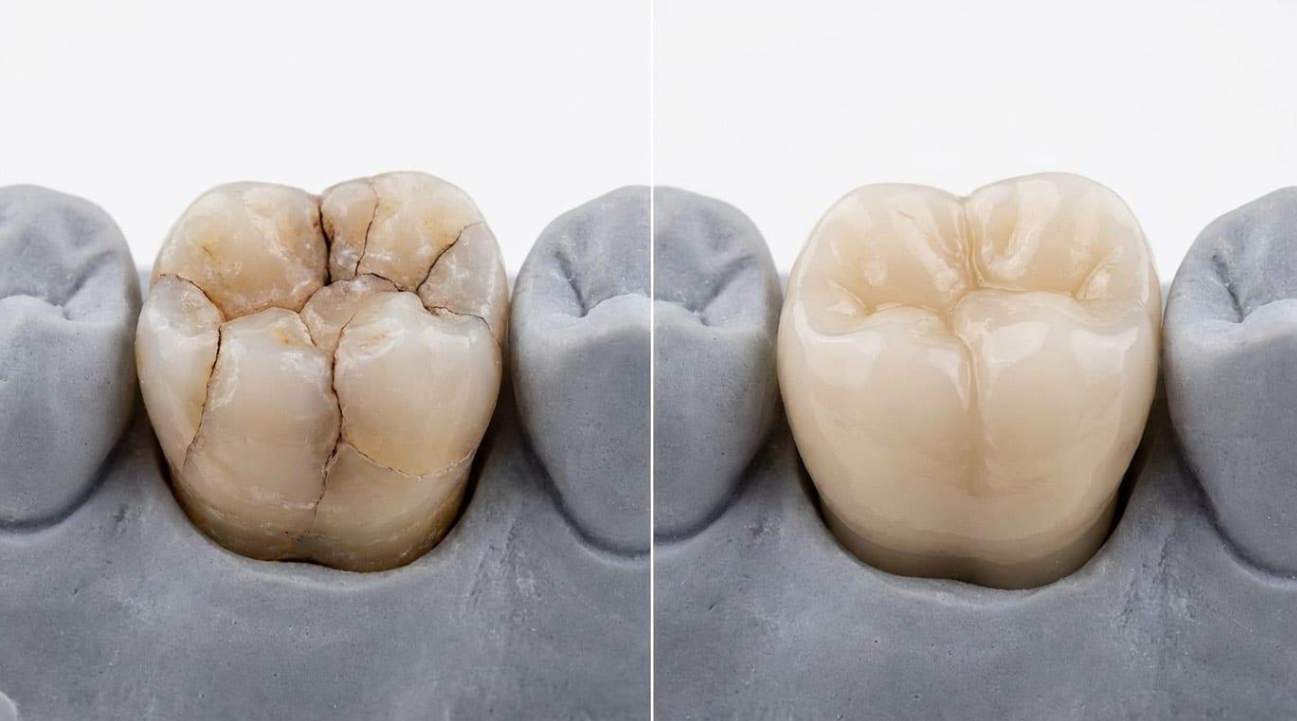
Natural teeth can adapt through periodontal ligament response, while zirconia provides a stable and highly wear-resistant surface. Proper polishing and occlusal adjustment are essential to achieve balanced performance.
Unlike natural teeth, zirconia restorations do not contain nerves or blood vessels. They cannot sense temperature or pain but offer excellent biocompatibility and long-term stability.
Natural teeth can function for decades with proper care, while zirconia restorations provide predictable long-term performance through accurate CAD/CAM design, high-quality sintering, and proper clinical management.
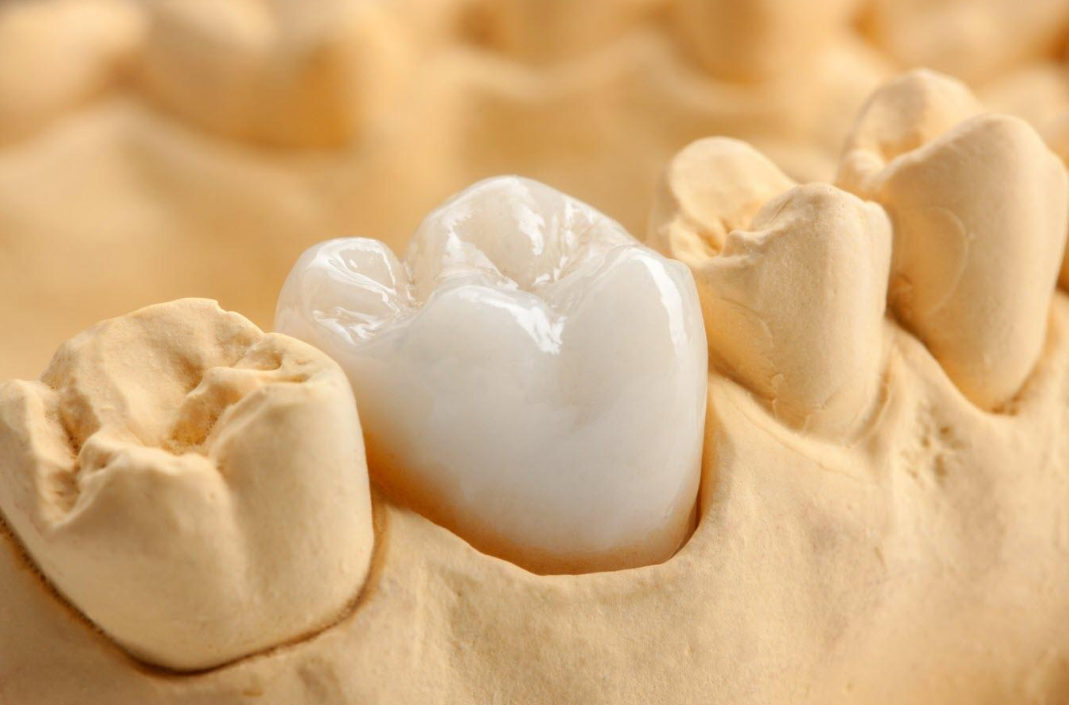
Zirconia does not replace the biological functions of natural teeth, but it successfully reproduces many important characteristics, including strength, stability, and appearance. As digital dentistry continues to expand globally, zirconia blocks and CAD/CAM dental solutions will play an increasingly important role in improving dental restoration quality worldwide.

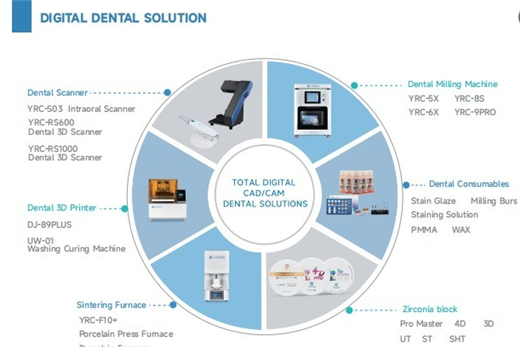
Dry & wet milling for zirconia, PMMA, wax with auto tool changer.
learn more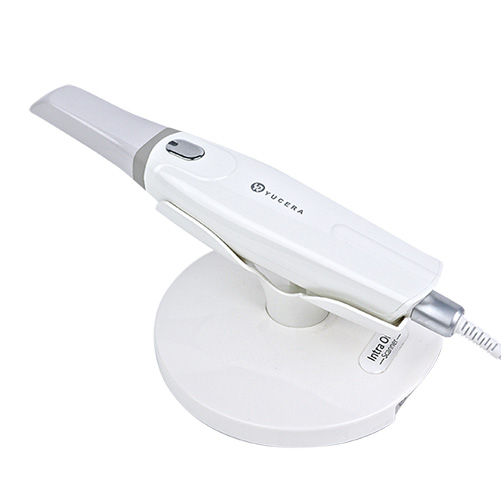
High-precision 3D scanning, AI calibration, full-arch accuracy.
learn more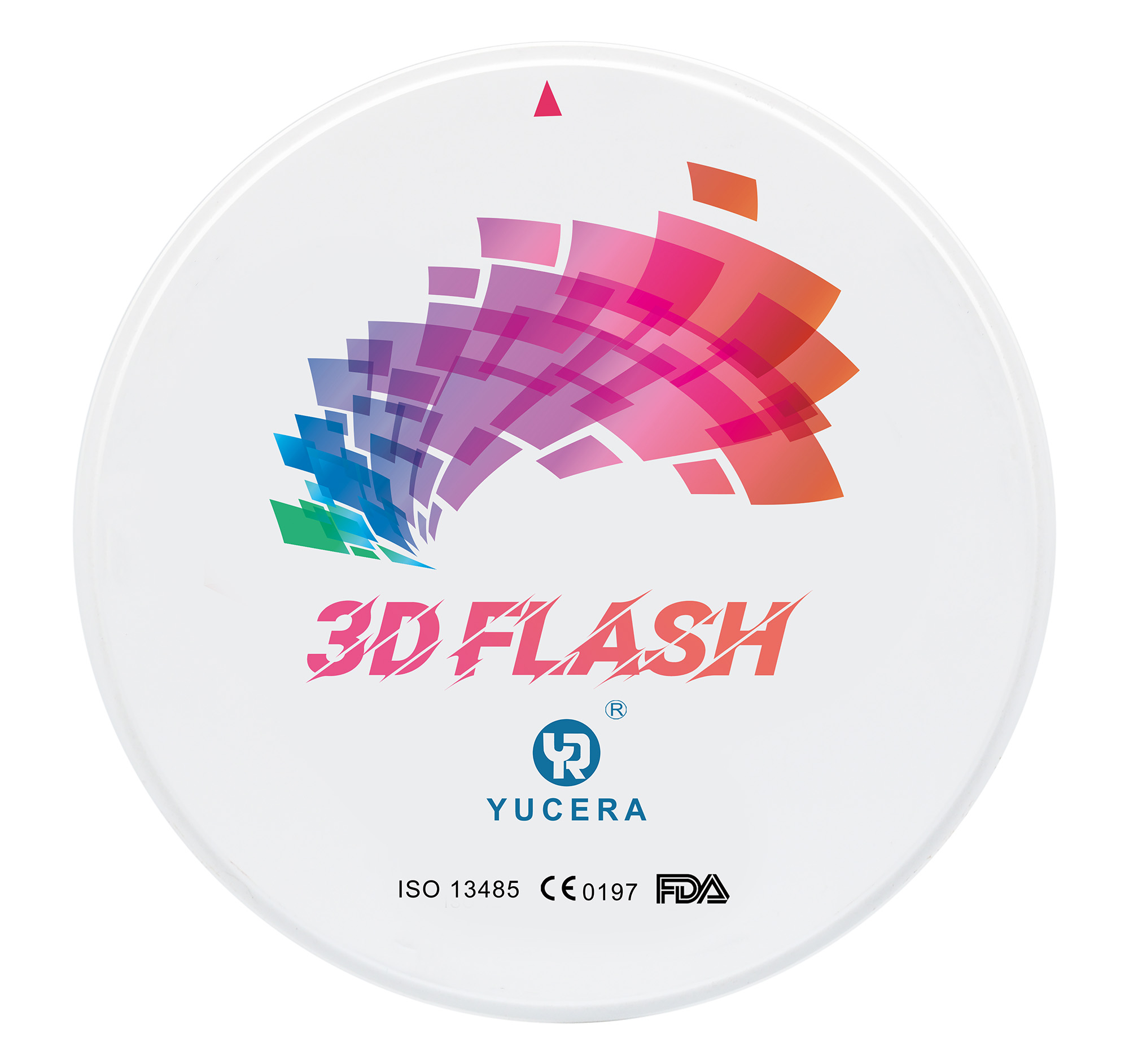
40-min full sintering with 57% incisal translucency and 1050 MPa strength.
learn more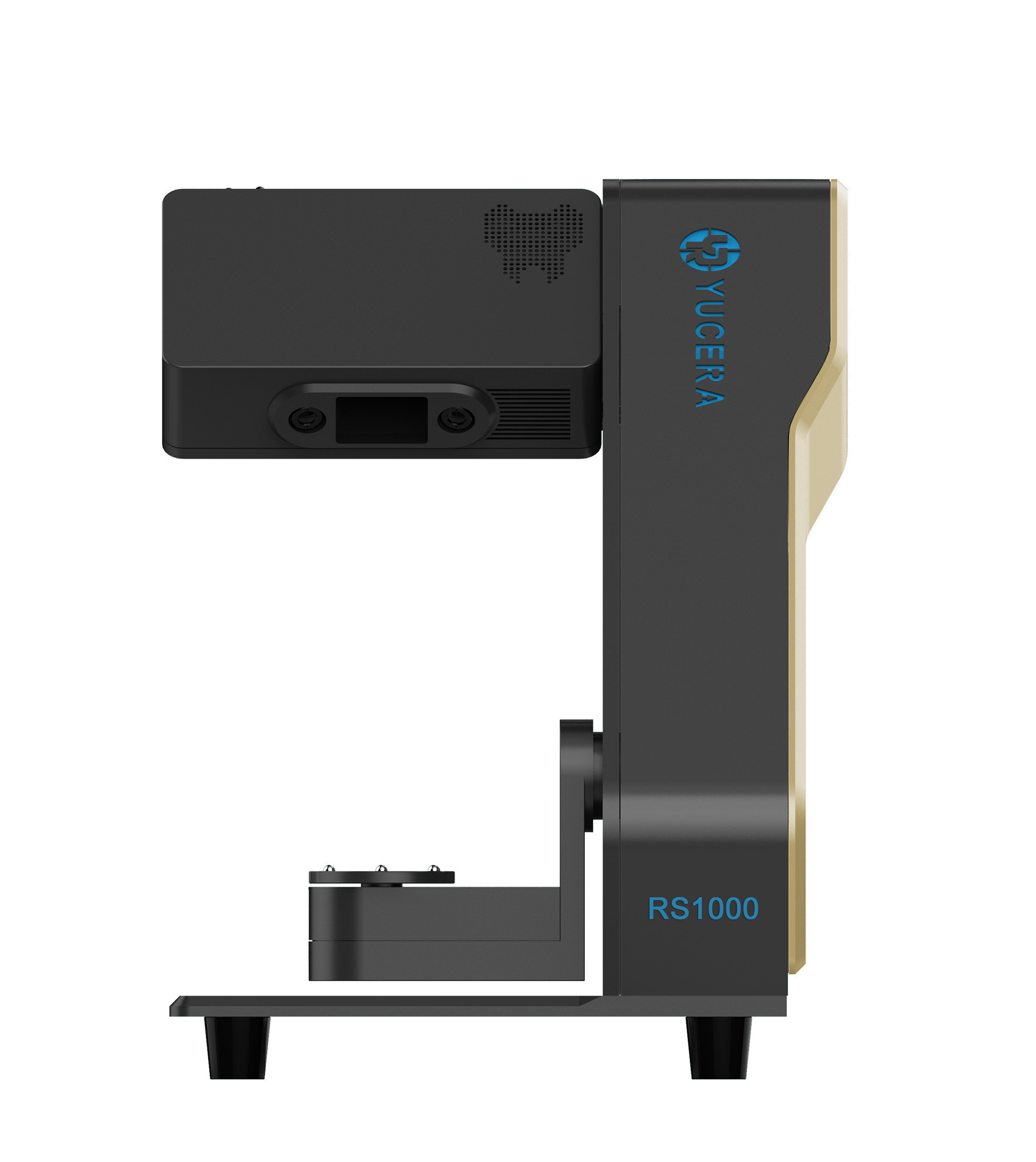
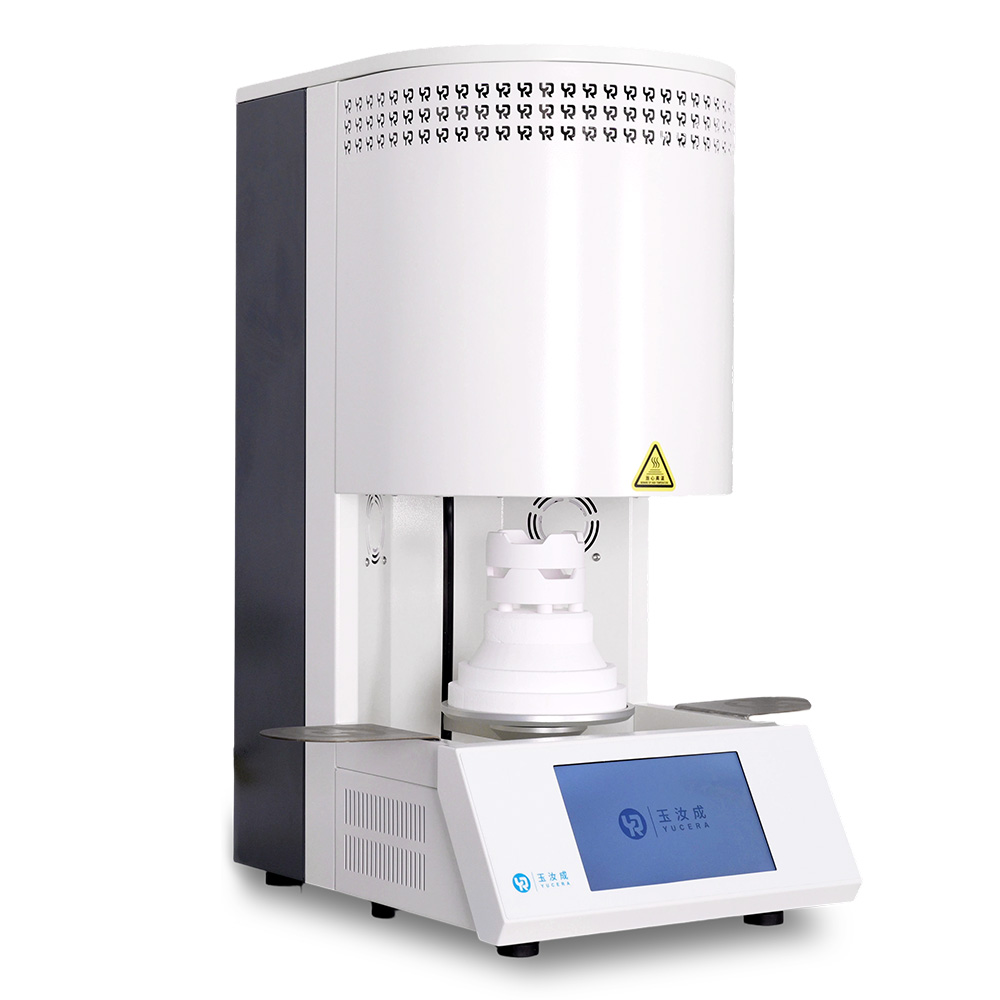
40-min cycle for 60 crowns, dual-layer crucible and 200°C/min heating.
learn more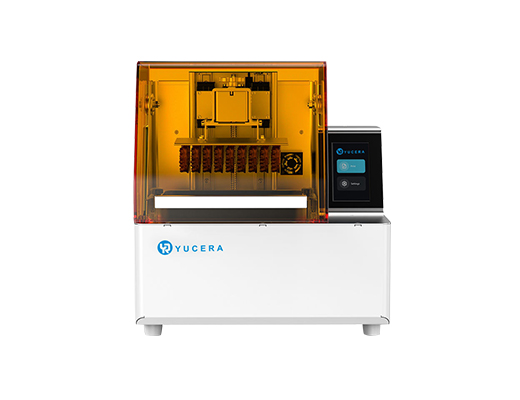
High-speed LCD printer for guides, temporaries, models with 8K resolution.
learn more


2025-12-25
2025-12-19
2026-06-01


