中 文
中 文
Should We Ignore Dental Problems or Should We Pay Attention to Them?
2025-03-24
2026-01-25
Digital dentistry has revolutionized restorative workflows, with desktop scanners playing a central role in capturing precise 3D models for zirconia and composite restorations. In Eastern Europe, where dental labs in countries like Poland, Hungary, Romania, and the Czech Republic are rapidly adopting CAD/CAM technologies, optimizing scanning practices for these materials ensures high accuracy, reduced remakes, and improved patient satisfaction. This article outlines best practices for scanning zirconia and composites using desktop scanners, supported by real-world data on accuracy and regional trends.
The European dental market, valued at over €7 billion in 2023, is growing at a CAGR of 5-6% through 2030, with Eastern Europe leading in cost-effective innovations. Zirconia restorations dominate due to their strength (over 1000 MPa) and aesthetics, while composites offer flexibility for minimally invasive procedures. Desktop scanners, which digitize gypsum models or impressions, provide superior precision compared to intraoral alternatives, with trueness errors as low as 10-30 μm in controlled lab environments.
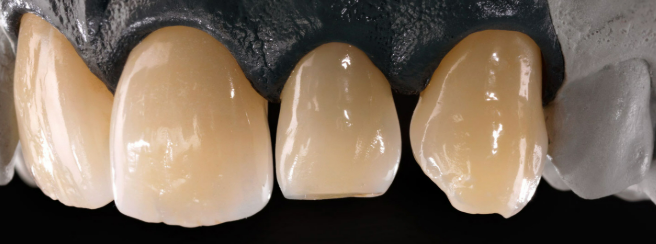
Desktop scanners use optical technologies like structured light or laser to create detailed 3D digital casts from physical models. They excel in lab settings, offering high resolution for complex restorations. In Eastern European labs, these devices integrate with CAD software for designing crowns, bridges, and inlays from zirconia or composites.
Accuracy is measured by trueness (closeness to actual dimensions) and precision (repeatability). Studies show desktop scanners achieve trueness of 20-40 μm for zirconia and 15-35 μm for composites, outperforming intraoral scanners in full-arch cases. Factors influencing accuracy include material optical properties, model preparation, and environmental conditions.
In Eastern Europe, EU regulations like MDR 2017/745 ensure device compliance, promoting safe adoption. Dental tourism in Hungary and Poland drives demand for efficient scanning, with labs processing high volumes of zirconia crowns for international patients.
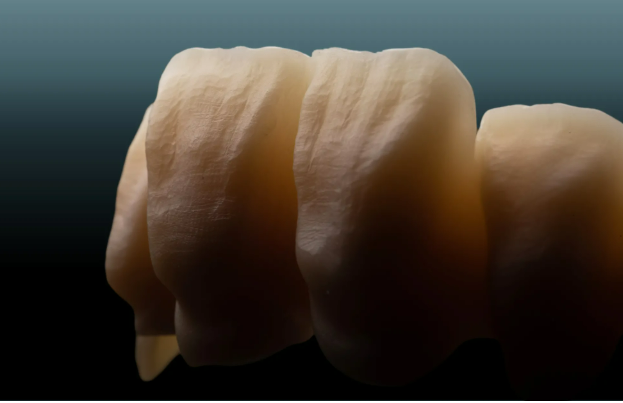
Zirconia, prized for its durability and translucency, presents unique scanning challenges due to its reflective surface. Best practices focus on minimizing distortions for optimal fit.
Eastern European labs report 15-20% fewer remakes with these practices, aligning with EU growth in zirconia usage, projected at 6-8% CAGR through 2031.
Composites, used for fillings and veneers, have varied translucency affecting scan data. Desktop scanners handle these well in controlled settings.
In Eastern Europe, composites are growing at 7-8% annually, driven by minimally invasive trends in Poland and the Czech Republic.
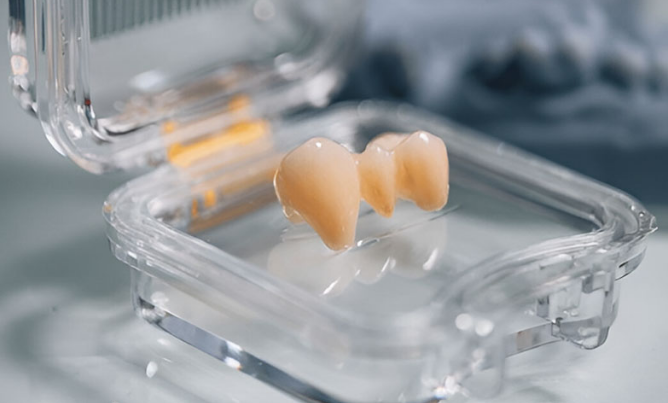
For restorations combining materials, scan zirconia bases first, then overlays. This ensures alignment, with overall accuracy of 25-40 μm. Labs in Budapest and Warsaw use this for esthetic crowns, reducing chair time by 30-40%.
Eastern Europe's dental sector grows at 6-8% CAGR, fueled by EU funding and tourism. In Poland, zirconia restorations rose 20% in five years; Hungary leads in composites for affordability. Challenges include initial costs, offset by 25-30% efficiency gains. Training aligns with ISO 13485, reducing errors by 40%.
Market data shows zirconia market at €700 million by 2033, with Eastern Europe at 15-20% share. Composites follow, valued at €168 million by 2035.
Common issues: surface reflections (solution: optimal angles), model instability (secure fixation), software mismatches (use compatible systems). In seismic areas like Romania, stable setups prevent shifts.
AI integration will automate scans, predicting errors with 90% accuracy. By 2030, 50-60% of Eastern European labs will use advanced desktop scanners, supporting sustainability with reduced waste.
Optimizing desktop scanners for zirconia and composites in Eastern Europe enhances precision, efficiency, and care quality. By following these practices, labs in Poland, Hungary, Romania, and the Czech Republic can lead in digital dentistry, meeting global demands.

Dry & wet milling for zirconia, PMMA, wax with auto tool changer.
learn more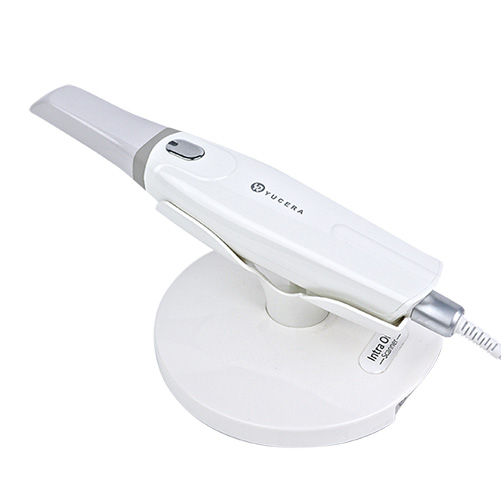
High-precision 3D scanning, AI calibration, full-arch accuracy.
learn more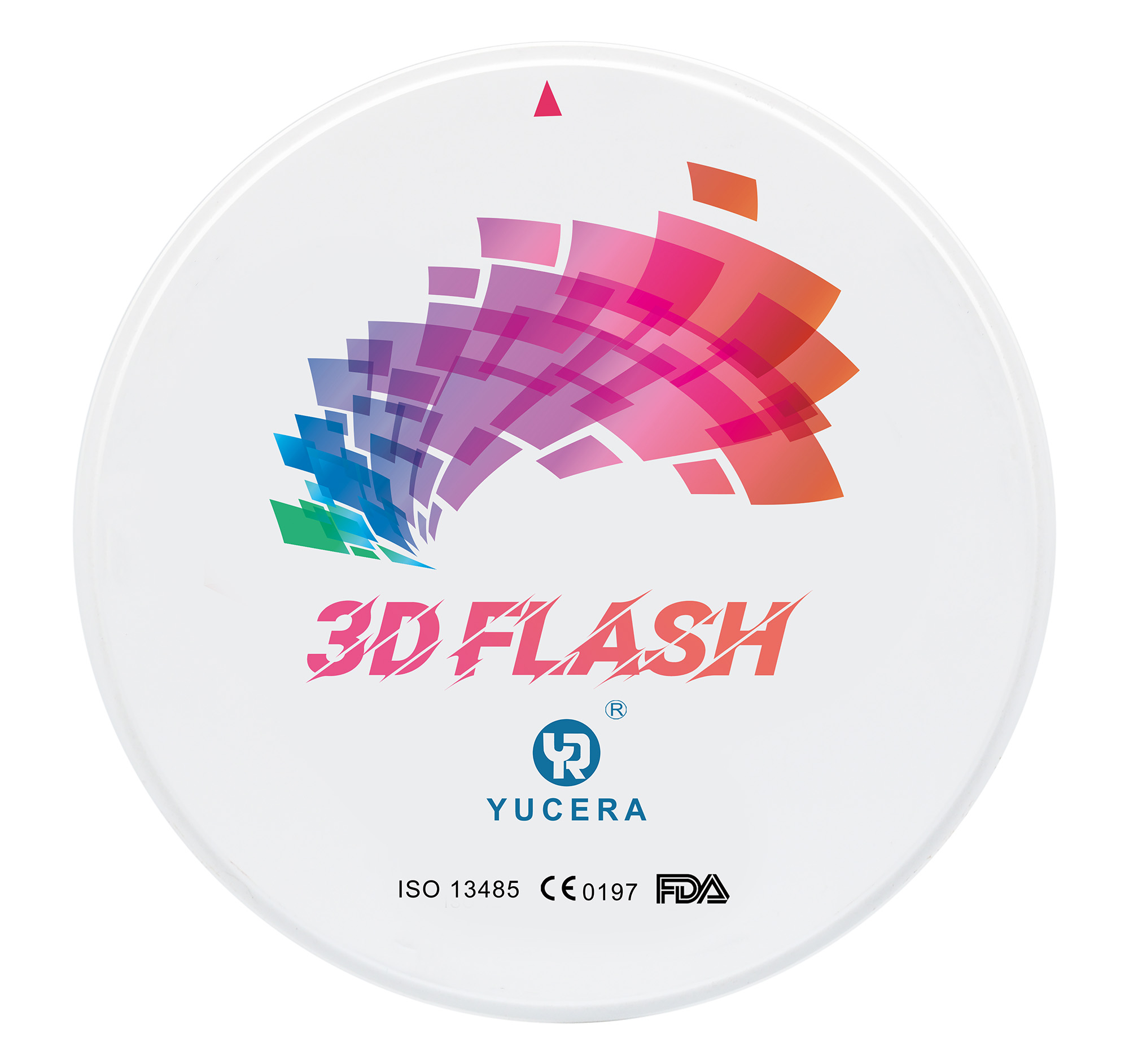
40-min full sintering with 57% incisal translucency and 1050 MPa strength.
learn more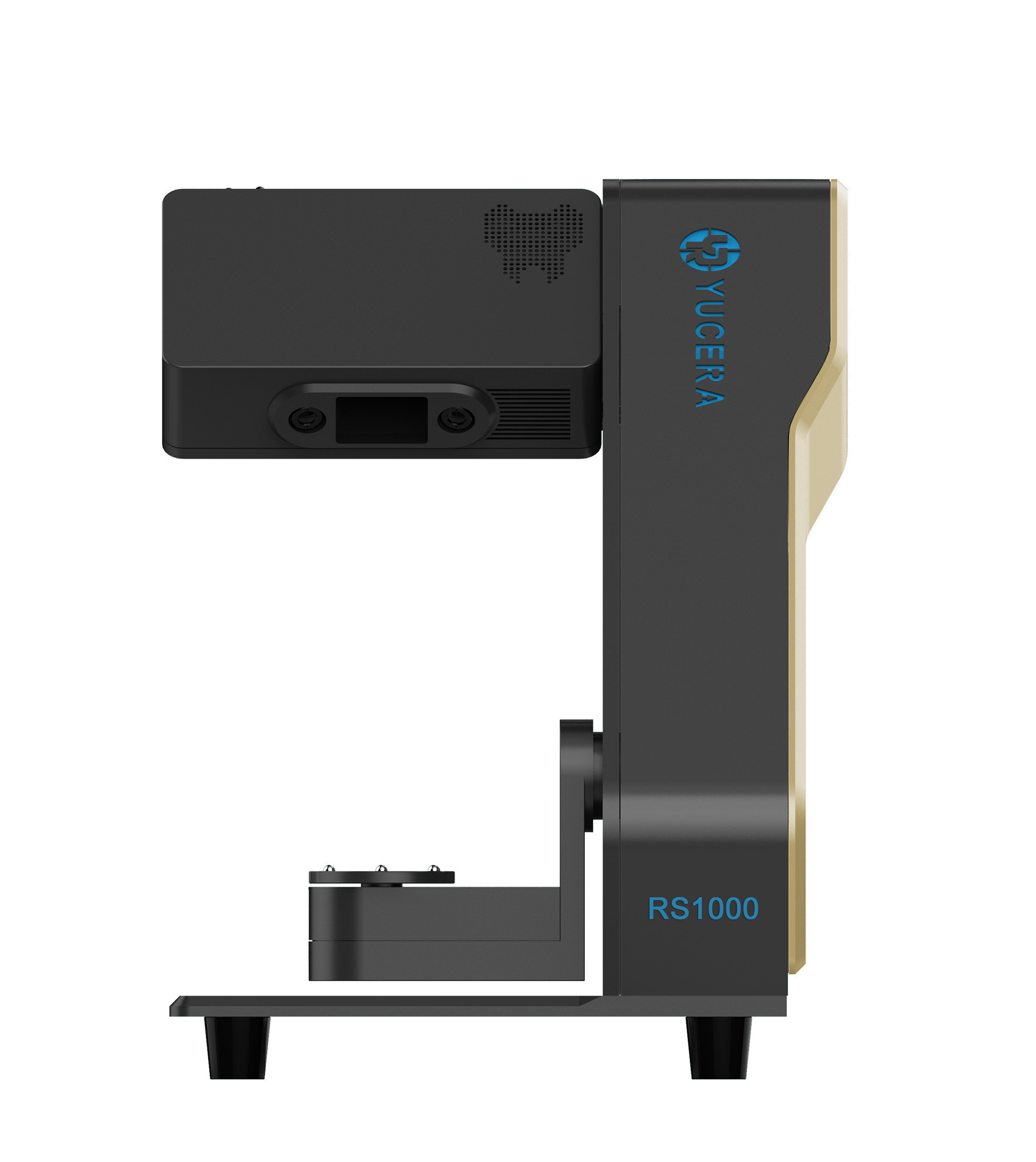
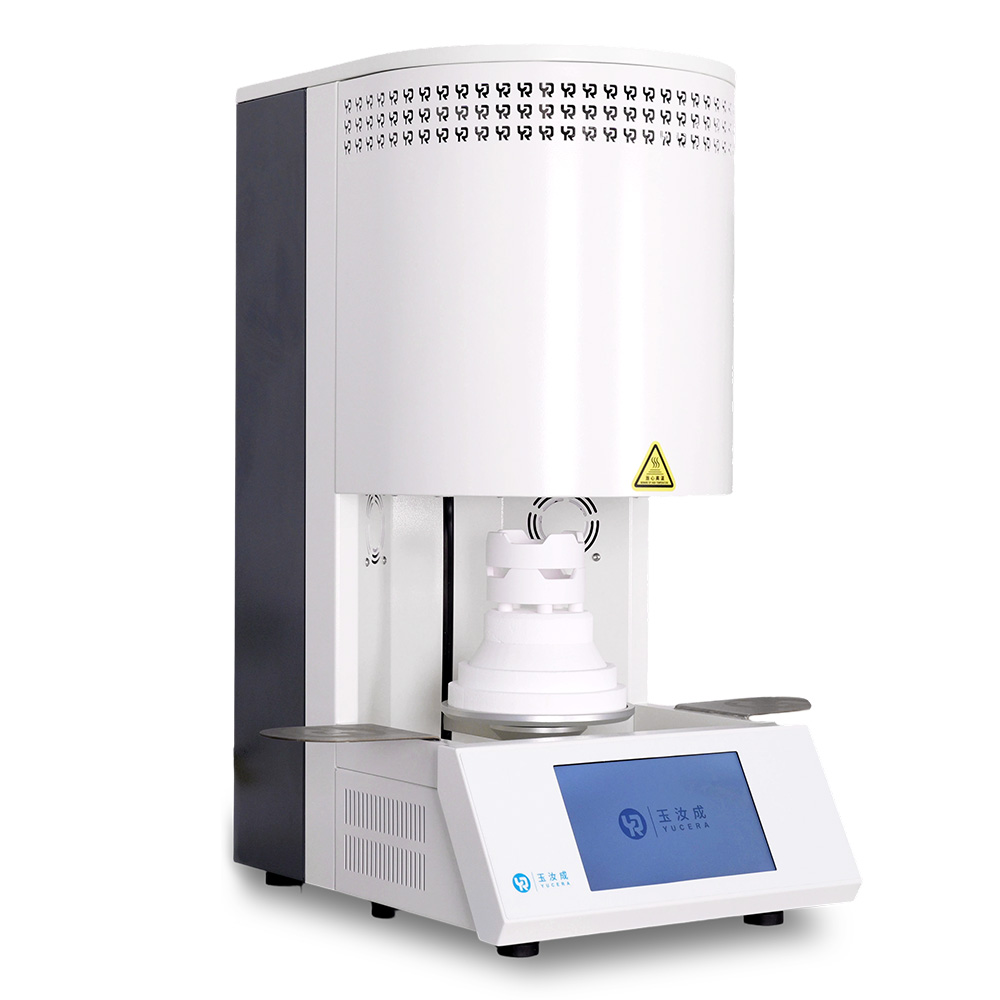
40-min cycle for 60 crowns, dual-layer crucible and 200°C/min heating.
learn more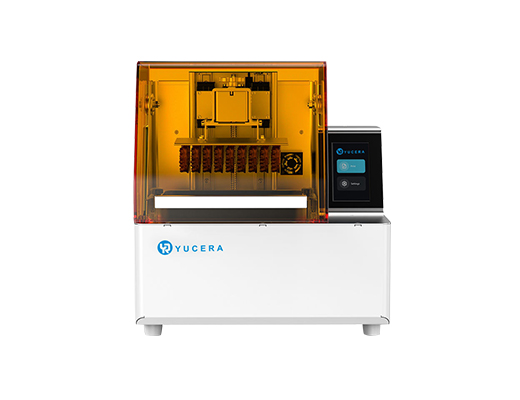
High-speed LCD printer for guides, temporaries, models with 8K resolution.
learn more