中 文
中 文

Zirconia blocks Selection Guide
2024-07-09
2026-07-23
If you are sourcing dental CAD/CAM materials or researching digital dentistry, you have probably encountered three common terms: zirconia block, zirconia disc, and zirconia blank. At first glance, they may appear to describe different products. In reality, they usually refer to the same type of presintered dental zirconia used for CAD/CAM milling.
The difference lies primarily in regional terminology, product shape, manufacturing conventions, and application context, rather than in the material itself.
Understanding these naming conventions helps dental laboratories, clinics, distributors, and purchasing teams communicate more effectively and avoid ordering incompatible products.
Unlike standardized scientific terminology, commercial names often evolve according to market preferences.
Manufacturers, distributors, CAD/CAM equipment suppliers, and dental professionals in different countries may describe the same product using different words.
Generally speaking:
These terms frequently appear interchangeably in product catalogs, online marketplaces, technical manuals, and search engines.
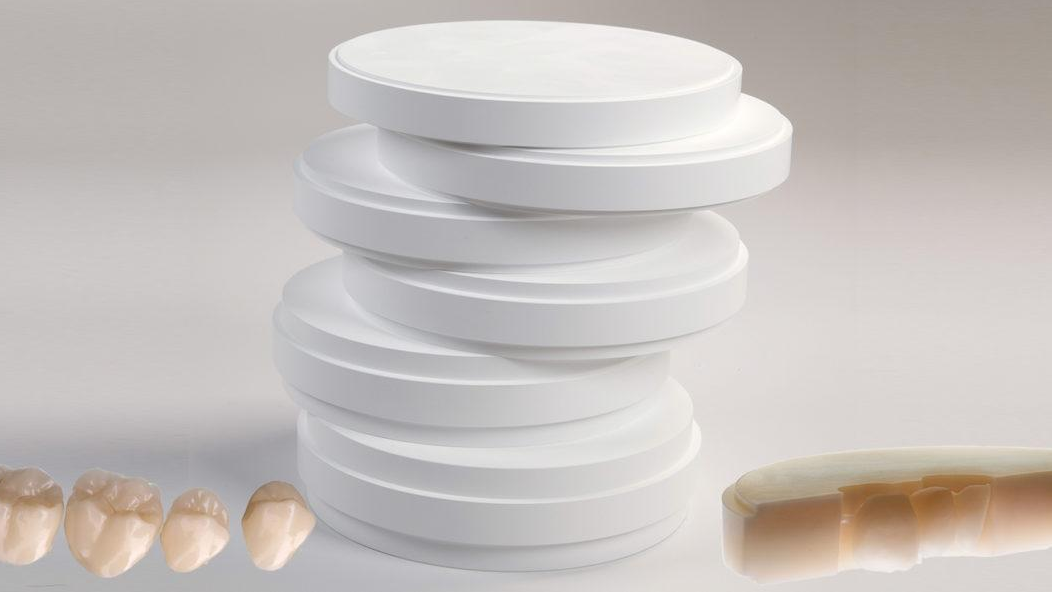
A zirconia block is a presintered ceramic material manufactured primarily from yttria-stabilized zirconium dioxide (Y-TZP). It is designed for CAD/CAM milling before undergoing final sintering.
Depending on the application, zirconia blocks are available in multiple translucency levels, strength grades, colors, and multilayer structures.
Typical restorations include:
Although "block" suggests a rectangular shape, the dental industry commonly uses this term for both rectangular chairside blocks and round laboratory discs.
The term zirconia disc specifically describes the round format used in most laboratory milling systems.
Most open CAD/CAM systems accept discs with a diameter of approximately 98 mm, while some systems use proprietary dimensions.
The disc format allows technicians to nest multiple restorations efficiently, improving material utilization and production efficiency.
Typical disc thicknesses include:
The material inside the disc is identical to what many suppliers market as a zirconia block.
In manufacturing, the word blank simply means an unfinished workpiece.
A zirconia blank has already been pressed, partially sintered, and machined into a standardized CAD/CAM format but has not yet been milled into a dental restoration.
After milling, the restoration undergoes coloring (if required), sintering, finishing, polishing, and glazing before clinical delivery.
For this reason, engineers and manufacturers frequently use "blank," while distributors and dentists more often use "block" or "disc."
No.
In most commercial products, these three terms describe exactly the same ceramic material.
The actual performance depends on factors such as:
The product name itself does not determine these properties.
Different markets tend to favor different terminology.
| Region | Common Term |
|---|---|
| North America | Zirconia Block |
| Europe | Zirconia Disc |
| Manufacturing Industry | Zirconia Blank |
| CAD/CAM Equipment Manuals | Disc or Blank |
| Online B2B Platforms | Block, Disc, and Blank are all common |
Understanding these preferences can improve product listings and international communication.
Yes, but only in terms of equipment compatibility.
Dental CAD/CAM systems generally use two formats:
Chairside milling units often require small rectangular blocks designed for single restorations.
Laboratory milling machines usually process large circular discs that accommodate multiple restorations in one milling cycle.
Before purchasing zirconia, always confirm:
For website optimization, it is beneficial to include all three terms naturally because users search differently depending on their background.
Examples include:
Covering these variations improves visibility for informational and commercial searches.
False. Strength depends on the zirconia formulation and manufacturing quality, not the name.
Incorrect. "Blank" simply refers to the premachined state before milling.
Only partially true. The terminology may overlap, but the physical dimensions must match your milling system.
When purchasing dental zirconia, focus on technical specifications rather than product names.
Key considerations include:
These factors have a far greater impact on restoration performance than whether the product is labeled as a block, disc, or blank.
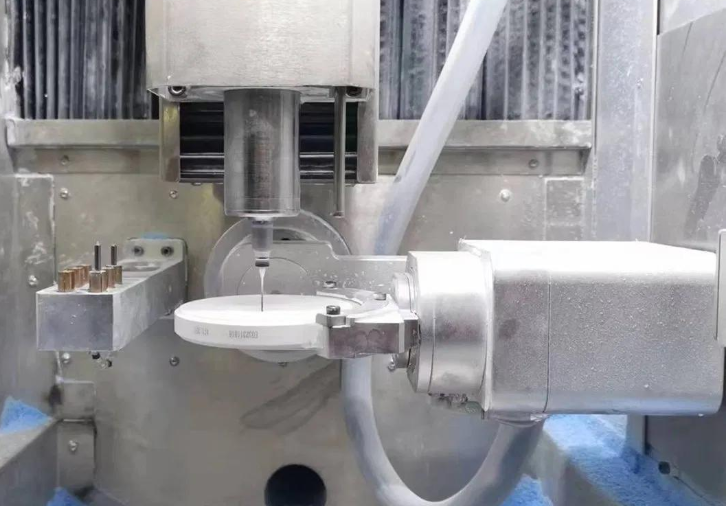
In most cases, yes. The terms usually describe the same presintered CAD/CAM zirconia material, with "disc" emphasizing its round laboratory format.
"Blank" is an engineering term for an unfinished workpiece that will be milled into a final restoration.
No. While 98 mm is the most common diameter for open laboratory systems, some milling systems use proprietary sizes or holder designs.
Using all three terms naturally throughout product pages and blog content helps capture a wider range of search intent.
Although zirconia block, zirconia disc, and zirconia blank may appear to represent different dental materials, they generally describe the same presintered zirconia used in CAD/CAM workflows. The differences are largely based on terminology, product format, and industry convention rather than material composition.
For dental laboratories, clinics, and distributors, the most important purchasing criteria are compatibility with the milling system, mechanical performance, translucency, and intended clinical indications—not the specific name printed on the package.
By understanding these naming conventions, buyers can communicate more clearly with suppliers, avoid specification errors, and make more informed decisions when selecting zirconia materials for digital dentistry.

Dry & wet milling for zirconia, PMMA, wax with auto tool changer.
learn more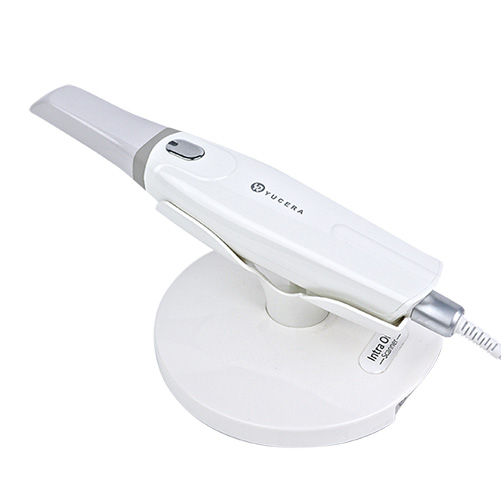
High-precision 3D scanning, AI calibration, full-arch accuracy.
learn more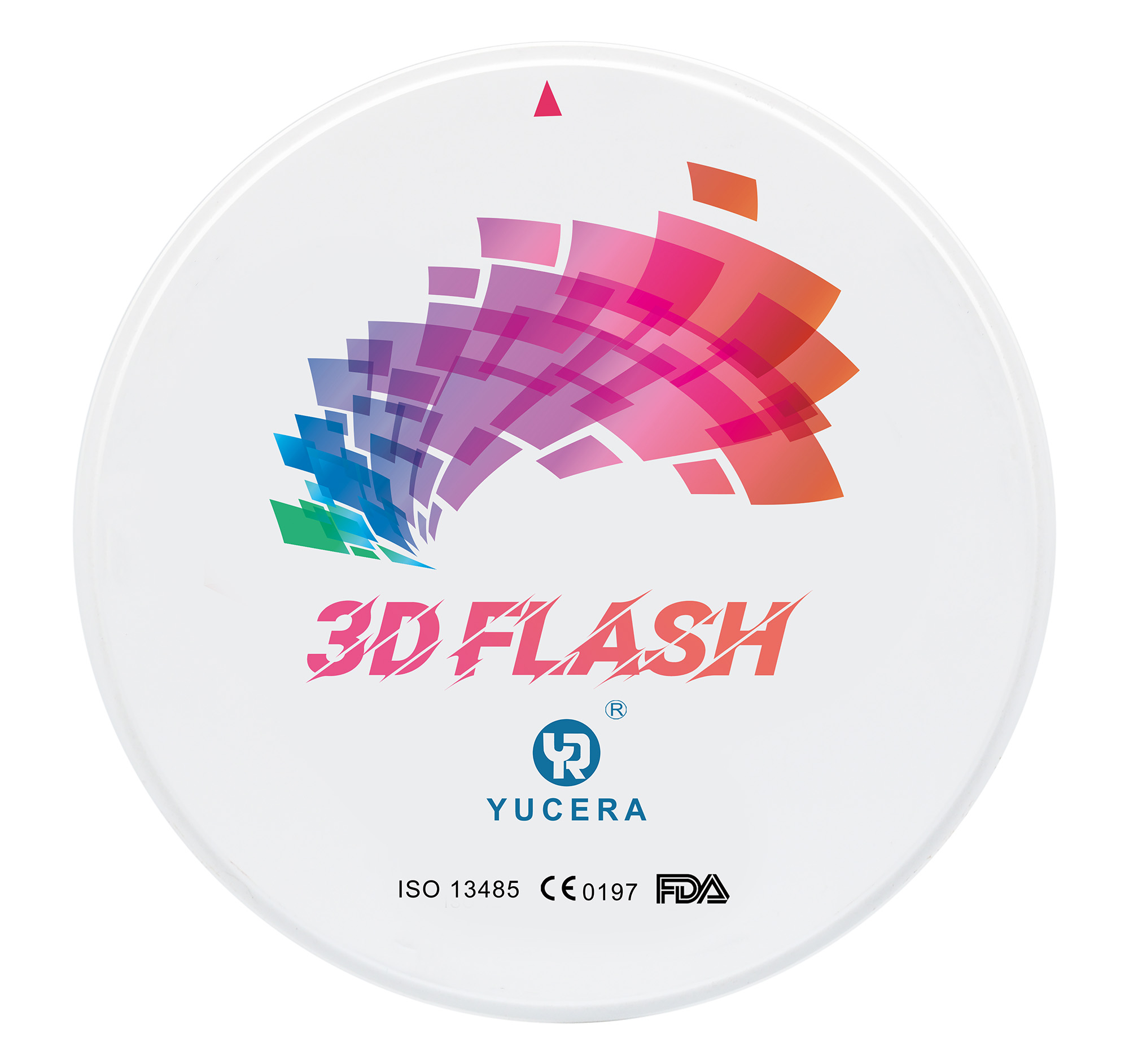
40-min full sintering with 57% incisal translucency and 1050 MPa strength.
learn more
40-min cycle for 60 crowns, dual-layer crucible and 200°C/min heating.
learn more
High-speed LCD printer for guides, temporaries, models with 8K resolution.
learn more