


 中 文
中 文
2026 Europe CAD/CAM Dust Market: Prices, Supply Chain, Green Innovation & Procurement Strategies for Labs & Clinics
2026-03-26
2026-07-13
A dental zirconia block may look identical from one batch to the next, but its real quality is decided long before it ever reaches a dental lab. Strength, hardness, and density are the three physical properties that determine how a zirconia restoration will perform in the mouth — and each one has to be measured with dedicated equipment, not estimated by eye.
This article breaks down the three core instruments used to test the fundamental quality of dental zirconia blocks: the electronic universal testing machine, the Vickers hardness tester, and the density balance machine. Together, these tools form the baseline quality-control process that every zirconia block should pass before it is approved for use.
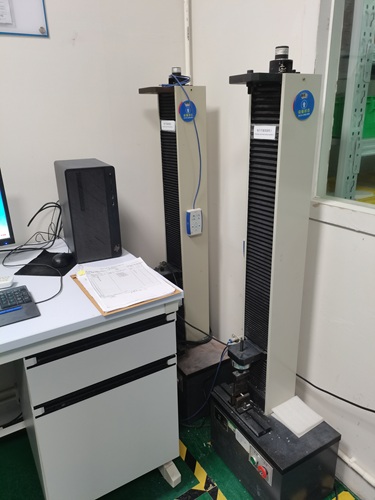
The electronic universal testing machine is used to measure the flexural strength of a sintered zirconia block — its ability to resist bending and fracture under load.
During testing, a sintered zirconia bar sample is placed across two supports, and the machine applies a steadily increasing force at the center point until the sample fractures. The recorded breaking force is converted into a flexural strength value, typically expressed in megapascals (MPa).
Why it matters: Flexural strength is one of the most important indicators of how a zirconia restoration will hold up long-term — especially for multi-unit bridges, full-arch frameworks, and posterior crowns that face high chewing forces. A block with inconsistent or low flexural strength increases the risk of chipping, cracking, or clinical failure after placement. Testing every batch on the electronic universal testing machine ensures the strength of the material stays within a consistent, predictable range.
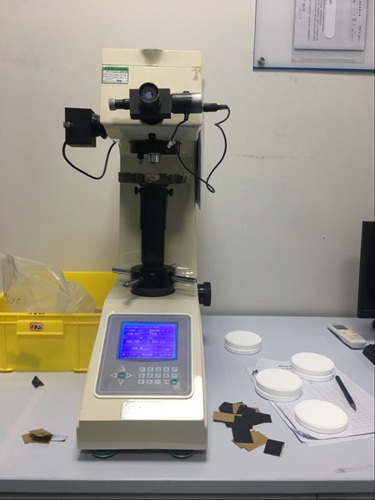
The Vickers hardness tester measures the surface hardness of the sintered zirconia by pressing a small diamond indenter into the material's surface under a controlled load and measuring the size of the resulting indentation.
The smaller the indentation for a given load, the harder the material. This value is recorded as the Vickers Hardness Number (HV), giving an objective, repeatable measurement of the material's resistance to surface deformation and wear.
Why it matters: Hardness directly affects how a zirconia restoration wears against opposing natural teeth, how well it resists surface scratching during function, and how it responds to grinding, polishing, and milling. A block that is too soft may wear unevenly over time; one that is inconsistently hard from batch to batch can make chairside adjustment and milling behavior unpredictable for technicians. The Vickers hardness test gives a precise, quantifiable way to confirm this property batch after batch.
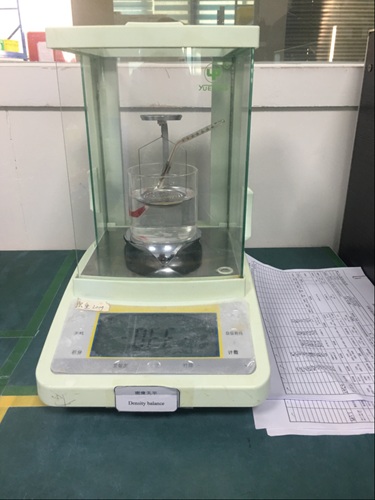
The density balance machine determines the sintered density of a zirconia block using the Archimedes principle — weighing the sample in air and then in a liquid of known density to calculate its actual mass-to-volume ratio.
Fully sintered zirconia should reach a density very close to its theoretical maximum. Any gap between the measured and theoretical density can point to internal porosity — tiny voids left inside the material during sintering.
Why it matters: Density is closely tied to both strength and translucency. A block with lower-than-expected density often contains microscopic pores that weaken the material and can also disrupt light transmission, affecting the final esthetic result. Measuring density on every batch confirms that the sintering process was complete and consistent, and that no hidden porosity is compromising the block's mechanical properties.
No single measurement tells the whole story of zirconia quality. Flexural strength shows how the material resists failure under force. Hardness shows how it behaves at the surface, under wear and adjustment. Density shows whether the sintering process itself was fully and evenly completed. Together, these three instruments form a baseline quality-control checkpoint that a zirconia block should pass before it is considered ready for dental use.
Reliable zirconia isn't defined by appearance — it's defined by what can be measured. The electronic universal testing machine, the Vickers hardness tester, and the density balance machine each test a different, essential property of a sintered zirconia block: strength, hardness, and density. Understanding what these instruments measure — and why each result matters — gives dental professionals a clearer picture of what separates a dependable zirconia block from an inconsistent one.

Dry & wet milling for zirconia, PMMA, wax with auto tool changer.
learn more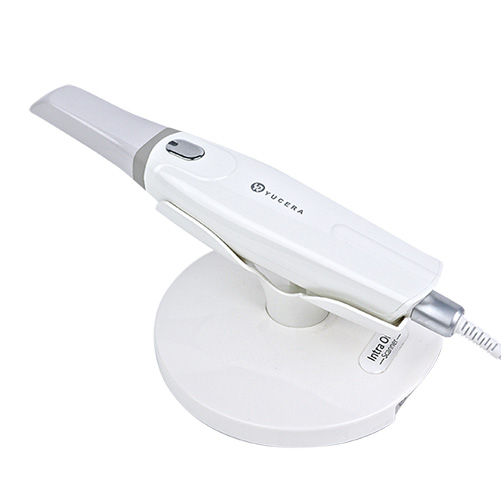
High-precision 3D scanning, AI calibration, full-arch accuracy.
learn more
40-min full sintering with 57% incisal translucency and 1050 MPa strength.
learn more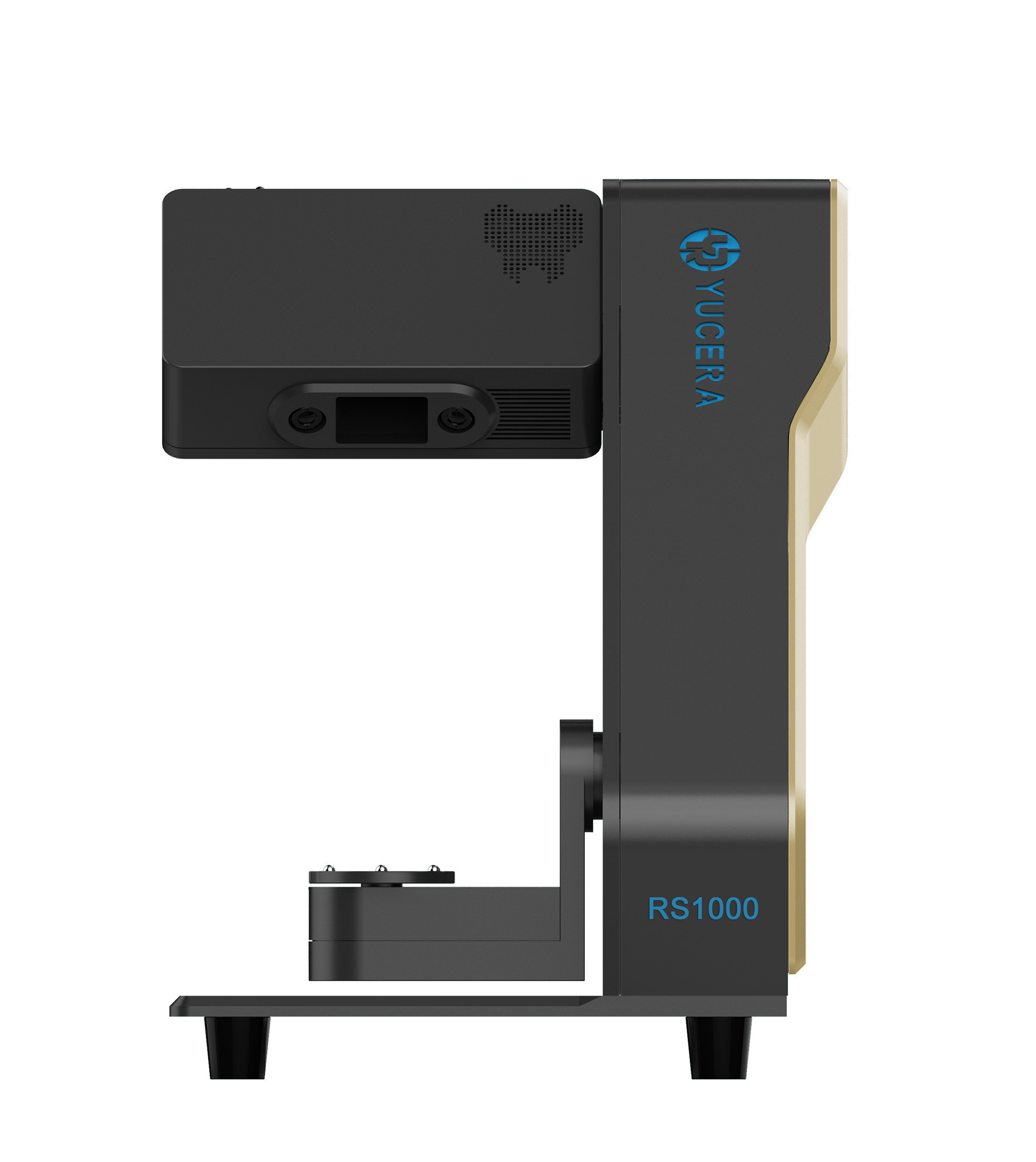
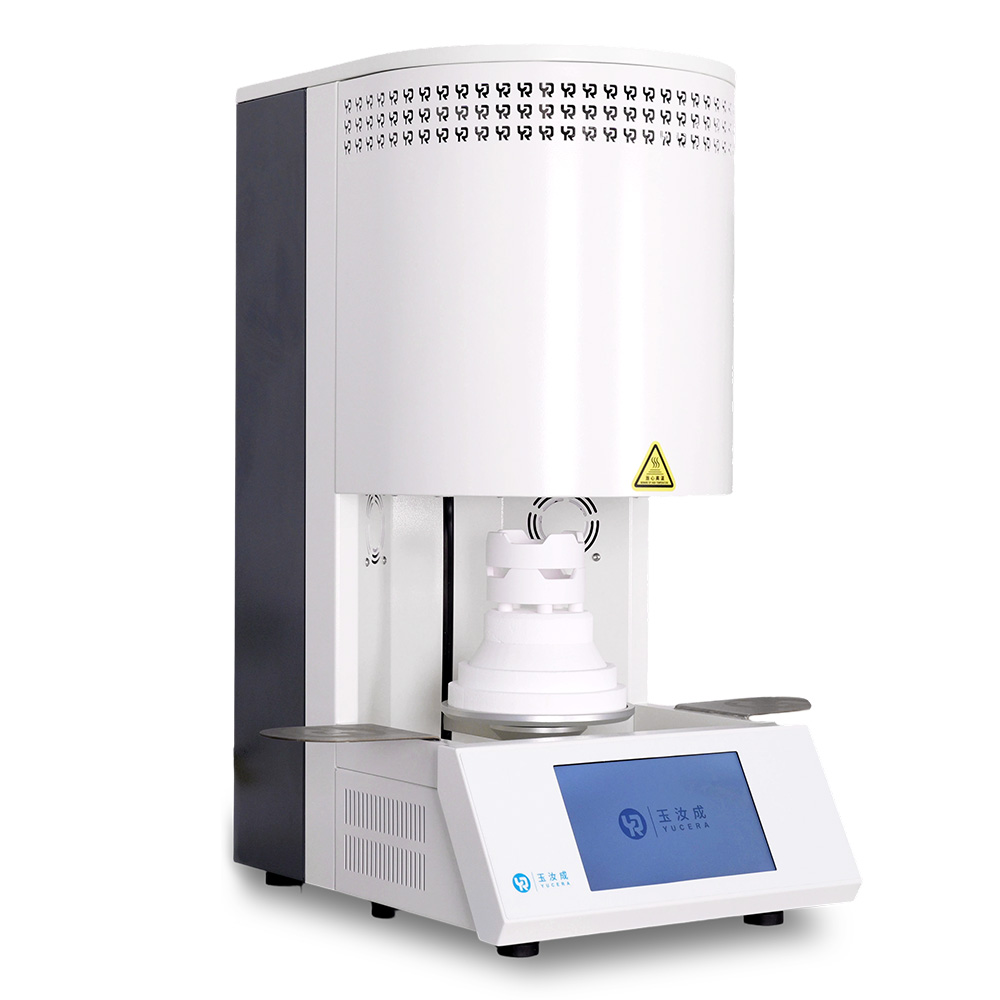
40-min cycle for 60 crowns, dual-layer crucible and 200°C/min heating.
learn more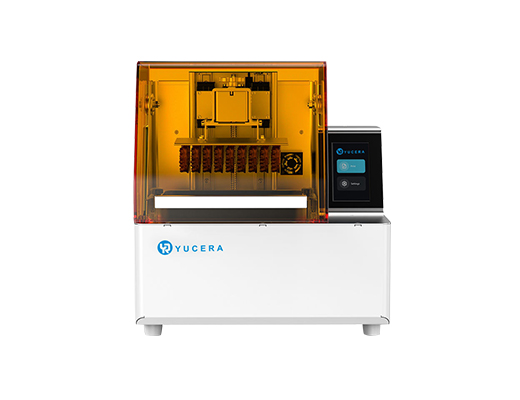
High-speed LCD printer for guides, temporaries, models with 8K resolution.
learn more


2026-03-26

2025-11-07
2026-01-19


