中 文
中 文

Top 3 Materials for Dental 3D Printing
2024-12-28
2026-07-07
As digital dentistry continues to evolve, zirconia has become one of the most widely used materials for crowns, bridges, implant restorations, and full-arch prostheses. Its exceptional strength, biocompatibility, and esthetic performance make it a preferred choice for both dental laboratories and clinicians.
However, producing high-quality zirconia restorations involves much more than precision milling. The sintering stage is equally critical because it determines the restoration's final density, strength, dimensional accuracy, translucency, and long-term clinical performance.
Among the many components involved in the sintering process, zirconia beads are often overlooked. Although small in size, they play an essential role in supporting restorations during firing, improving heat distribution, reducing deformation, and maintaining dimensional stability throughout high-temperature sintering.
This article explains why zirconia beads are used in dental sintering furnaces, how they work, and how they contribute to consistent, high-quality zirconia restorations.
Zirconia beads are small, high-density ceramic spheres manufactured from stabilized zirconium oxide.
They are specifically designed to withstand repeated exposure to temperatures exceeding 1,500°C while maintaining excellent thermal stability and chemical inertness.
Unlike metal supports, zirconia beads have a thermal expansion behavior similar to zirconia restorations. This compatibility helps minimize thermal stress during heating and cooling cycles.
Typical characteristics include:
These properties make zirconia beads ideal accessories for modern dental sintering furnaces.
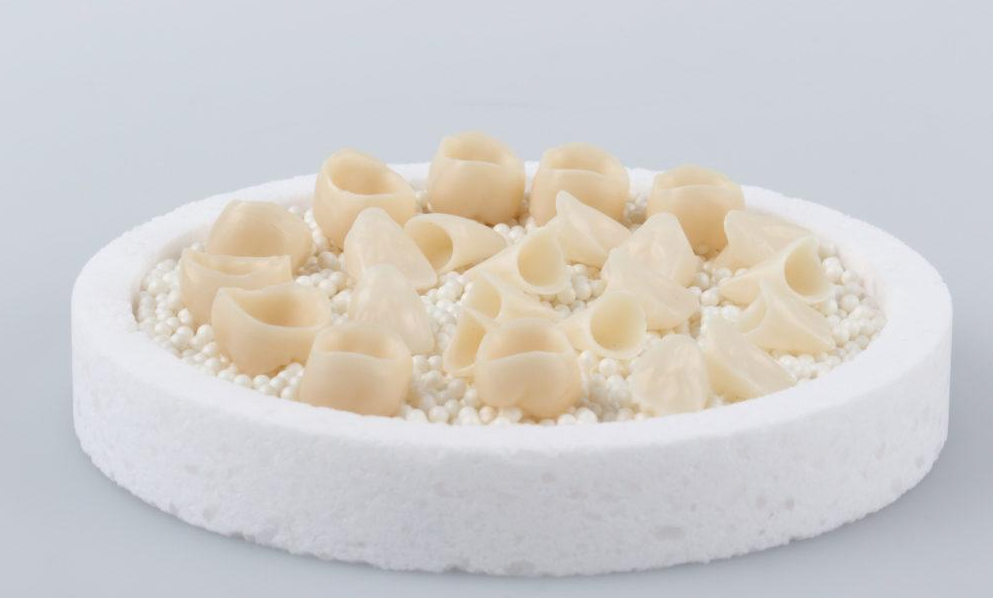
Uniform heating is essential for successful zirconia sintering.
When restorations are placed directly on a flat sintering tray, certain areas may experience uneven heat transfer, especially around the contact surfaces.
Zirconia beads create multiple small contact points between the restoration and the tray, allowing heat to circulate more evenly around the entire restoration.
Benefits include:
During sintering, zirconia shrinks approximately 20–25% by volume (the exact value depends on the material and manufacturer specifications).
Long-span bridges, thin veneers, and implant restorations are particularly susceptible to deformation if they are not properly supported.
Zirconia beads provide distributed support while allowing the restoration to shrink naturally.
This significantly reduces:
As a result, restorations maintain their designed anatomy and marginal accuracy.
Direct contact between restorations and sintering trays may leave pressure points or localized marks after firing.
Because zirconia beads only touch the restoration at small points, contact areas are minimized.
This helps preserve:
Less post-sintering adjustment is required, improving production efficiency.
Complex restorations often have irregular shapes and varying wall thicknesses.
Using zirconia beads allows technicians to position restorations more securely during firing.
Stable positioning prevents movement caused by vibration, thermal expansion, or accidental shifting inside the furnace.
This is particularly important for:
Zirconia beads are commonly used for:
Provide stable support while minimizing contact with occlusal surfaces.
Reduce bending and deformation across long spans.
Maintain accurate geometry during high-temperature sintering.
Support ultra-thin restorations while reducing fracture risk.
Improve stability during large-scale shrinkage.
For dental laboratories, consistency is just as important as quality.
Using zirconia beads helps laboratories achieve:
More consistent sintering reduces dimensional errors.
Improved support minimizes distortion.
Fewer contact marks mean less finishing work.
Uniform heating improves repeatability.
Technicians spend less time correcting post-sintering issues.
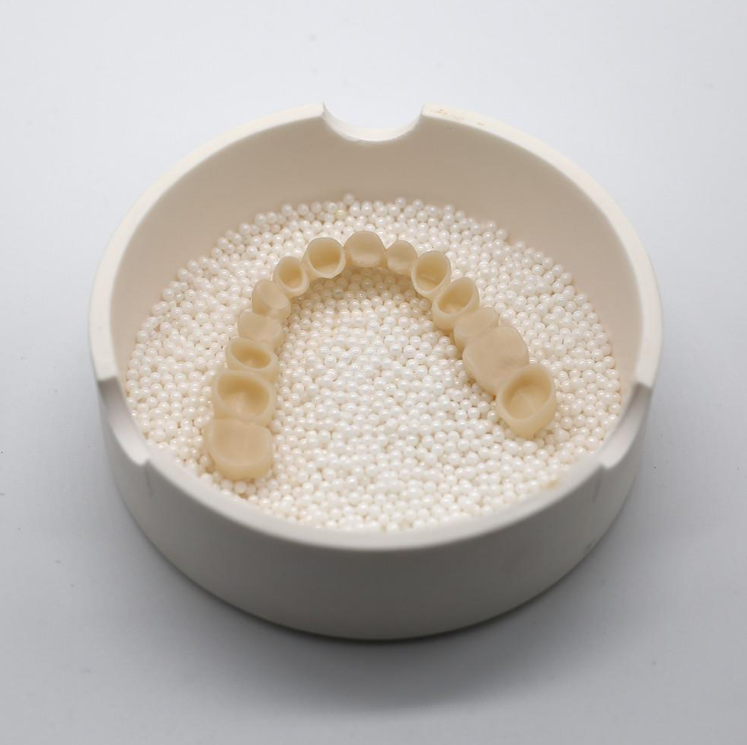
To maximize performance, laboratories should follow several best practices:
Routine maintenance helps preserve both furnace performance and restoration quality.
Not all zirconia beads offer the same performance.
When selecting sintering beads, dental laboratories should consider:
High-quality zirconia beads contribute to more stable firing conditions and greater production consistency over time.
As digital workflows continue to advance, dental laboratories are seeking greater efficiency without compromising restoration quality.
Modern sintering technologies—including intelligent temperature control, rapid sintering programs, and optimized support systems—are helping laboratories produce increasingly accurate restorations.
Although zirconia beads may appear to be a small accessory, they play an important role in achieving predictable results. By improving heat distribution, reducing deformation, and supporting restorations throughout the firing process, they contribute significantly to the overall success of zirconia manufacturing.
Successful zirconia restorations depend not only on advanced CAD/CAM systems and premium zirconia materials but also on every stage of the manufacturing process.
Zirconia beads provide reliable support during high-temperature sintering, helping improve heat distribution, reduce distortion, minimize contact marks, and maintain restoration stability.
For dental laboratories focused on producing consistent, high-quality zirconia restorations, incorporating zirconia beads into the sintering workflow is a simple yet highly effective way to enhance manufacturing precision and long-term clinical outcomes.

Dry & wet milling for zirconia, PMMA, wax with auto tool changer.
learn more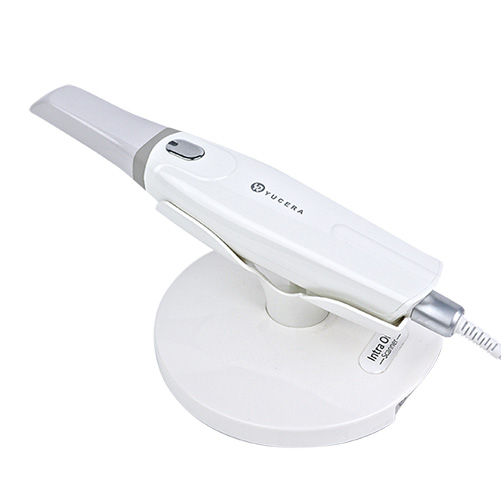
High-precision 3D scanning, AI calibration, full-arch accuracy.
learn more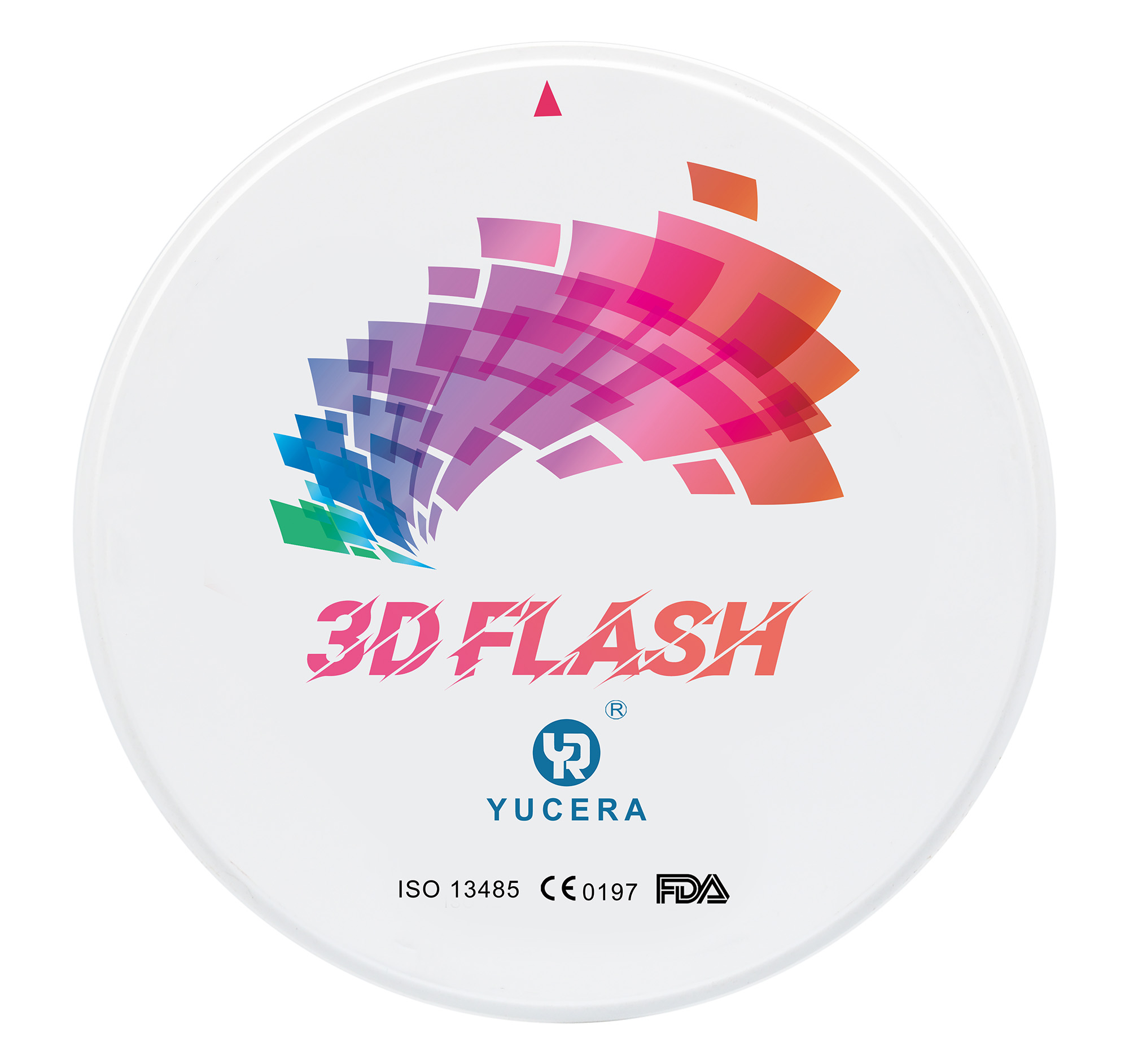
40-min full sintering with 57% incisal translucency and 1050 MPa strength.
learn more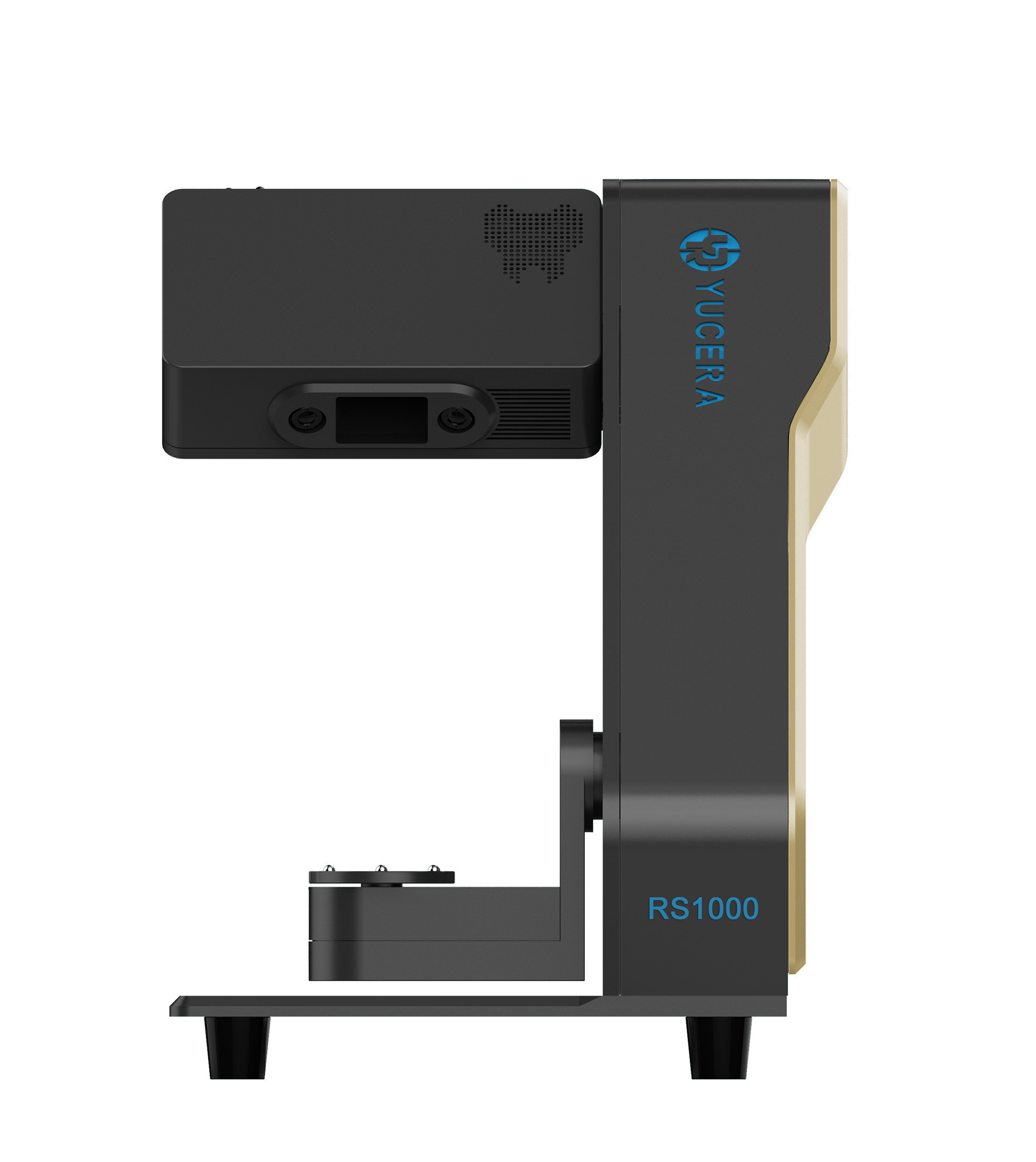
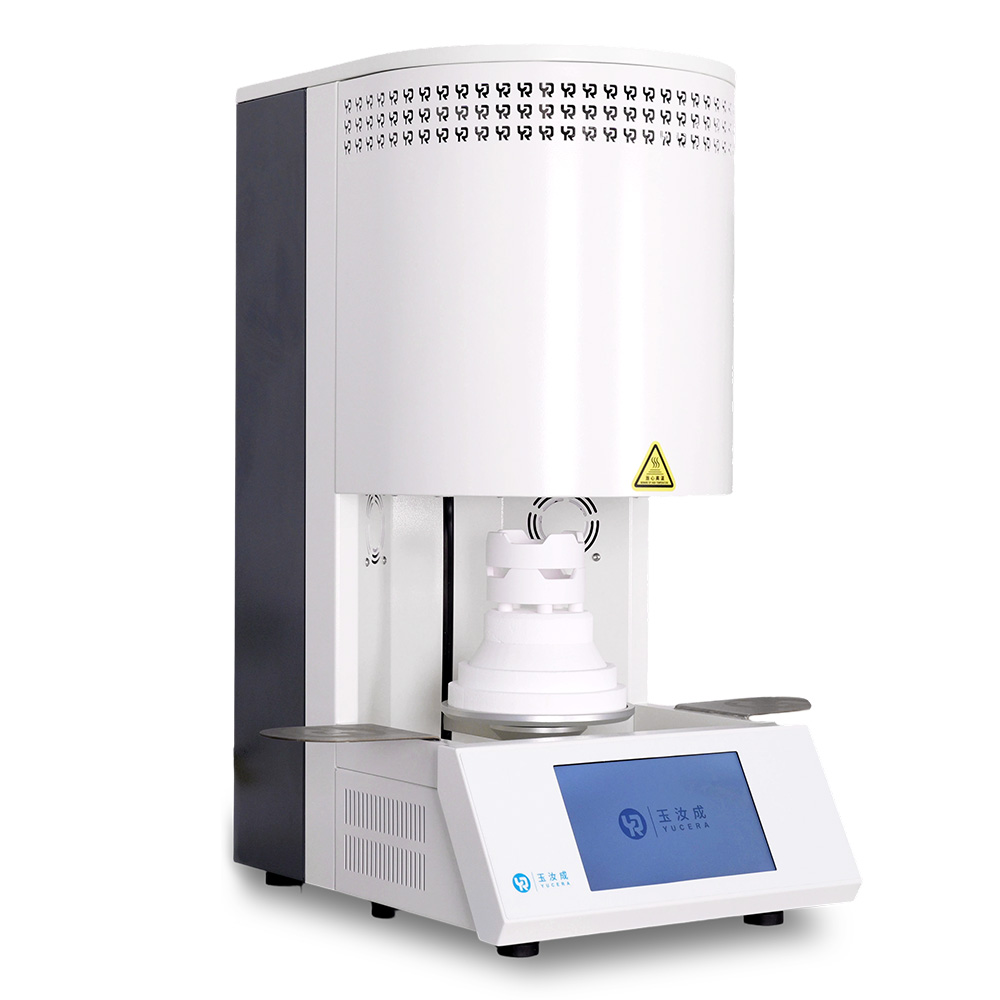
40-min cycle for 60 crowns, dual-layer crucible and 200°C/min heating.
learn more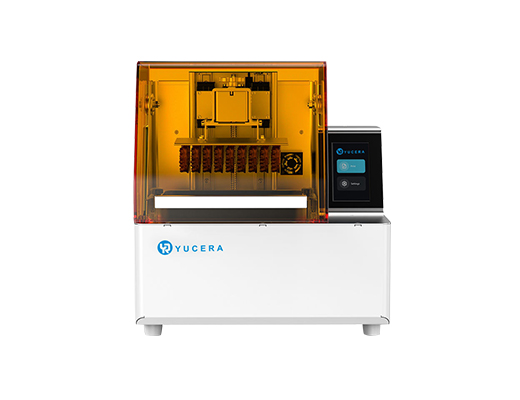
High-speed LCD printer for guides, temporaries, models with 8K resolution.
learn more