中 文
中 文
What is the average price for dental implant surgery in Mexico
2025-04-21
2026-07-26
The dental industry in Africa is gradually entering a new stage of development. As more dental laboratories explore digital workflows, traditional manual fabrication methods are being complemented by advanced CAD/CAM technologies.
Among the materials used in digital dentistry, PMMA (Polymethyl Methacrylate) has become an important material for dental laboratories due to its excellent machinability, aesthetic performance, and versatility.
Although zirconia is widely recognized for permanent dental restorations, PMMA plays a different but equally important role in modern dental workflows, especially for temporary restorations, denture applications, and diagnostic procedures.
For African dental laboratories looking to improve efficiency and expand their digital capabilities, understanding the value of PMMA is an important step toward modernization.
PMMA (Polymethyl Methacrylate) is a biocompatible acrylic resin widely used in dental applications.
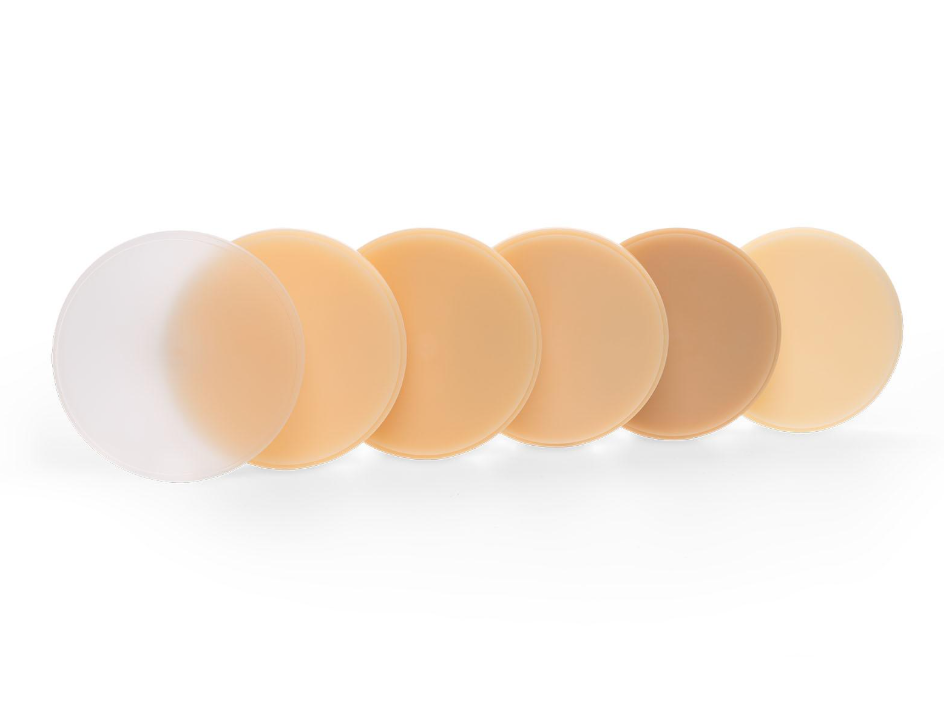
In modern CAD/CAM dentistry, PMMA is commonly produced as pre-polymerized discs that can be precisely milled using dental milling machines.
Compared with traditional acrylic processing methods, CAD/CAM PMMA discs provide:
Through digital scanning, CAD design, and milling technology, dental laboratories can produce PMMA restorations with predictable results.
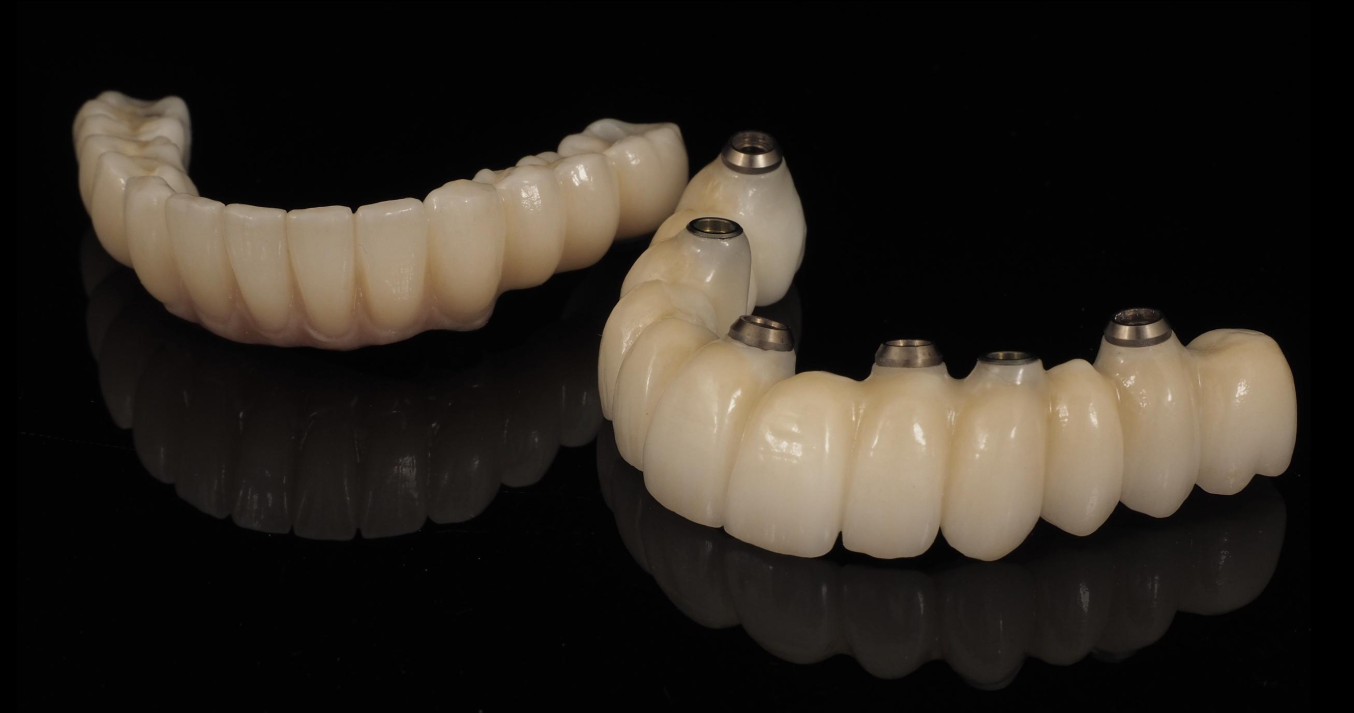
One of the most common applications of PMMA is the production of temporary crowns and bridges.
During complex dental treatments, temporary restorations protect prepared teeth before the final restoration is completed.
PMMA provides several advantages:
For dental laboratories, PMMA allows technicians to quickly manufacture reliable provisional restorations while maintaining workflow efficiency.
PMMA has a long history in denture fabrication because of its lightweight structure, biocompatibility, and aesthetic properties.
With CAD/CAM technology, dental laboratories can use PMMA discs to manufacture:
Compared with conventional manual fabrication, digital PMMA processing improves consistency and reduces production variation.
Before producing a final restoration, dentists often need to evaluate:
PMMA is widely used for diagnostic restorations and try-in models because it is:
This allows dental professionals to verify treatment plans before moving to final materials such as zirconia or lithium disilicate.
One of the biggest advantages of PMMA is its compatibility with digital dental production.
A typical workflow includes:
Intraoral Scan → CAD Design → PMMA Milling → Adjustment and Polishing
Compared with harder ceramic materials, PMMA is easier to process, which helps dental laboratories achieve:
This makes PMMA an ideal material for laboratories beginning their transition toward digital dentistry.
In many African regions, dental laboratories are gradually upgrading from traditional manufacturing methods toward digital production.
PMMA offers an accessible starting point because it requires:
For laboratories developing digital capabilities, PMMA can serve as an important material during the transition from conventional workflows to advanced dental manufacturing.
By combining PMMA materials with digital scanners, milling machines, and design software, laboratories can improve productivity and provide more consistent restoration solutions.
The future development of dental laboratories will depend not only on advanced equipment but also on selecting the right materials for different clinical applications.
While zirconia remains a preferred choice for permanent high-strength restorations, PMMA continues to provide essential value in:
As CAD/CAM dentistry continues to expand across Africa, PMMA will remain an important material helping dental laboratories improve efficiency, accuracy, and service quality.
PMMA is more than a temporary dental material. It is an important component of modern digital dentistry, connecting traditional dental laboratory experience with advanced CAD/CAM manufacturing.
For African dental laboratories entering the digital era, understanding and applying PMMA technology can create new opportunities for improving workflow efficiency and expanding restoration capabilities.

Dry & wet milling for zirconia, PMMA, wax with auto tool changer.
learn more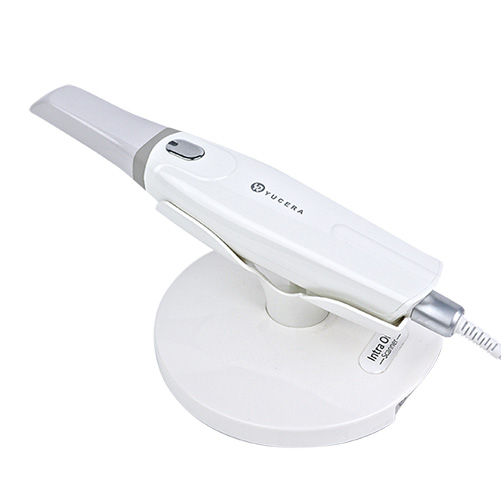
High-precision 3D scanning, AI calibration, full-arch accuracy.
learn more
40-min full sintering with 57% incisal translucency and 1050 MPa strength.
learn more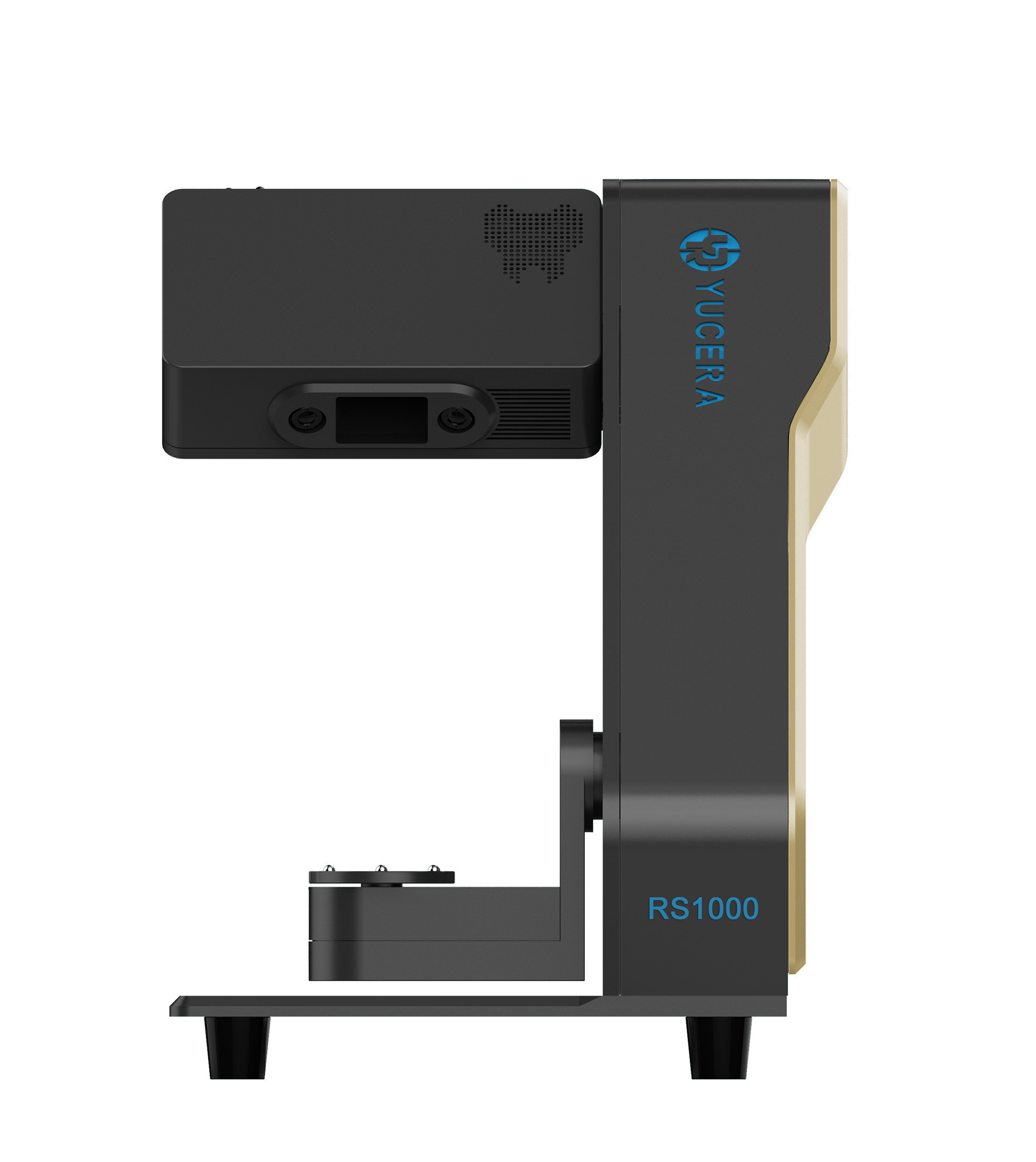
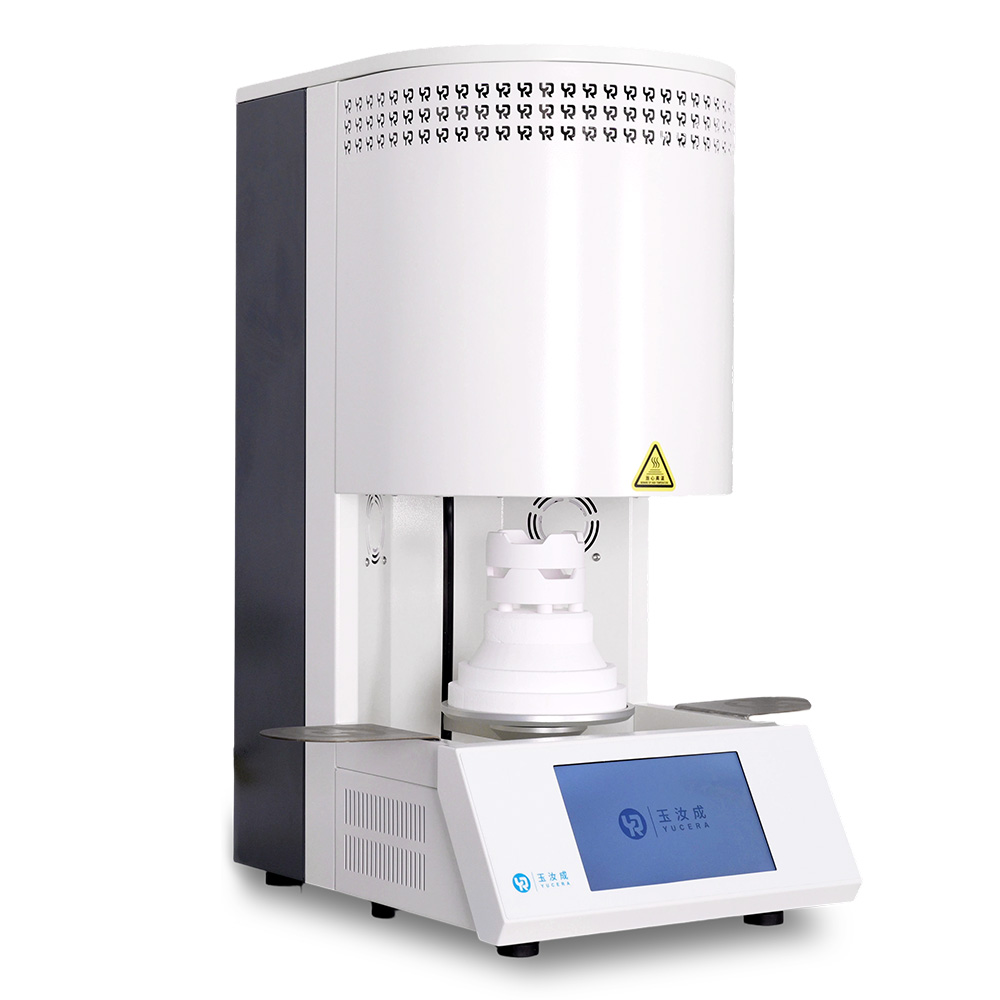
40-min cycle for 60 crowns, dual-layer crucible and 200°C/min heating.
learn more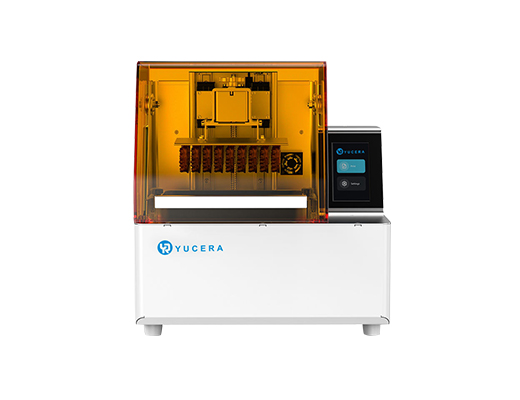
High-speed LCD printer for guides, temporaries, models with 8K resolution.
learn more