


 中 文
中 文
Low Noise + High Efficiency: 2026 Golden Standard for CAD/CAM Vacuums in European Clinics & Labs (≤60dB + VFD)
2026-03-24
2026-07-24
Dental zirconia blocks have become one of the most widely used materials in modern CAD/CAM dentistry. From single crowns and bridges to implant restorations and full-arch prostheses, zirconia combines excellent mechanical strength with increasingly natural esthetics.
Although many clinicians and dental technicians work with zirconia every day, a common question remains:
What exactly is a dental zirconia block made of?
The answer is more than simply "zirconium oxide." Modern dental zirconia is an advanced engineering ceramic whose composition, particle size, stabilizing oxides, manufacturing process, and sintering technology all influence its final performance.
This article explains the material composition of dental zirconia blocks, how they are manufactured, and why these factors matter for long-term clinical success.
Dental zirconia is a high-performance ceramic primarily composed of zirconium dioxide (ZrO₂).
Pure zirconium dioxide exists naturally in the mineral zircon (ZrSiO₄). Through industrial refining, zirconium compounds are purified and converted into ultra-high-purity zirconium dioxide powder suitable for medical applications.
Because pure zirconia undergoes structural changes at different temperatures, it is not stable enough for dental restorations. To improve its mechanical stability, manufacturers add stabilizing oxides—most commonly yttrium oxide (Y₂O₃).
The resulting material is known as yttria-stabilized zirconia, which offers exceptional strength and fracture resistance.
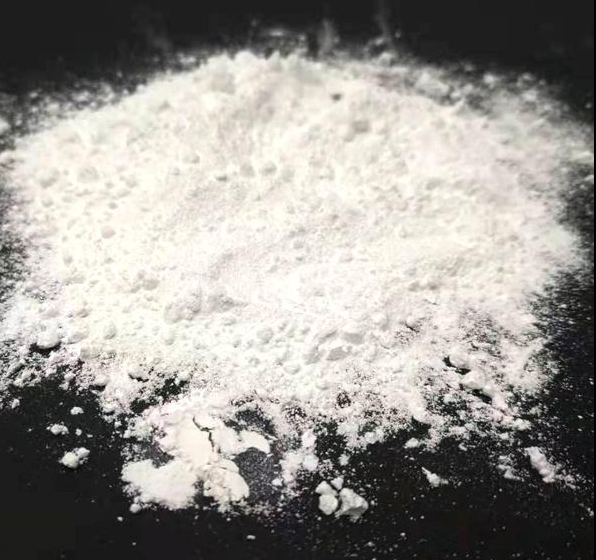
Although formulations vary among manufacturers, a typical dental zirconia block contains:
| Component | Typical Function |
|---|---|
| Zirconium dioxide (ZrO₂) | Primary ceramic matrix providing strength and biocompatibility |
| Yttrium oxide (Y₂O₃) | Stabilizes the crystal structure and controls translucency |
| Hafnium oxide (HfO₂) | Naturally accompanies zirconium and contributes to stability |
| Aluminum oxide (Al₂O₃) | Improves aging resistance and grain boundary strength (usually present in small amounts) |
| Trace oxides | Used to optimize processing or coloration depending on the product |
High-quality dental zirconia typically contains more than 94–95% zirconium dioxide, while the remaining percentage consists of stabilizers and trace additives.
One of the most important ingredients in modern zirconia is yttrium oxide, often referred to as yttria.
Without yttria, zirconia would experience phase transformations during cooling, leading to cracking and poor long-term stability.
By stabilizing the crystal structure, yttria enables zirconia to maintain its excellent mechanical properties at room temperature.
The amount of yttria also influences optical properties:
This is why different zirconia products are recommended for posterior crowns, anterior restorations, or full-contour bridges.
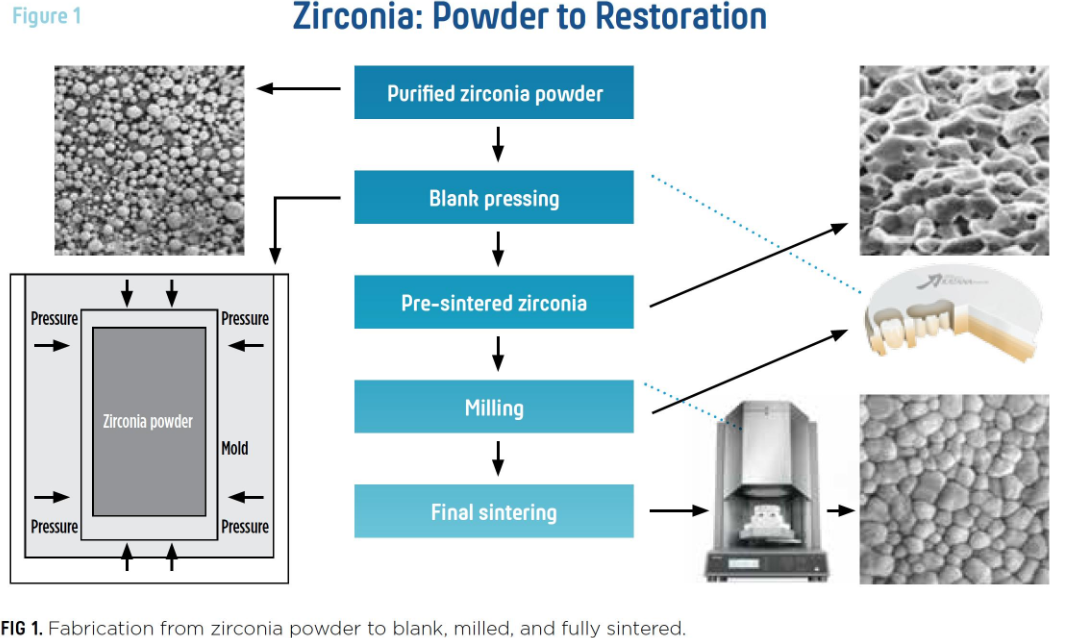
The manufacturing process is highly controlled to ensure consistency and precision.
Ultra-fine zirconia powder is blended with yttria and other additives. Uniform particle distribution is critical for achieving consistent density and sintering behavior.
Binders and processing agents are added to improve flowability and facilitate pressing.
The powder is compressed under high pressure to form a dense green body with uniform density throughout the block.
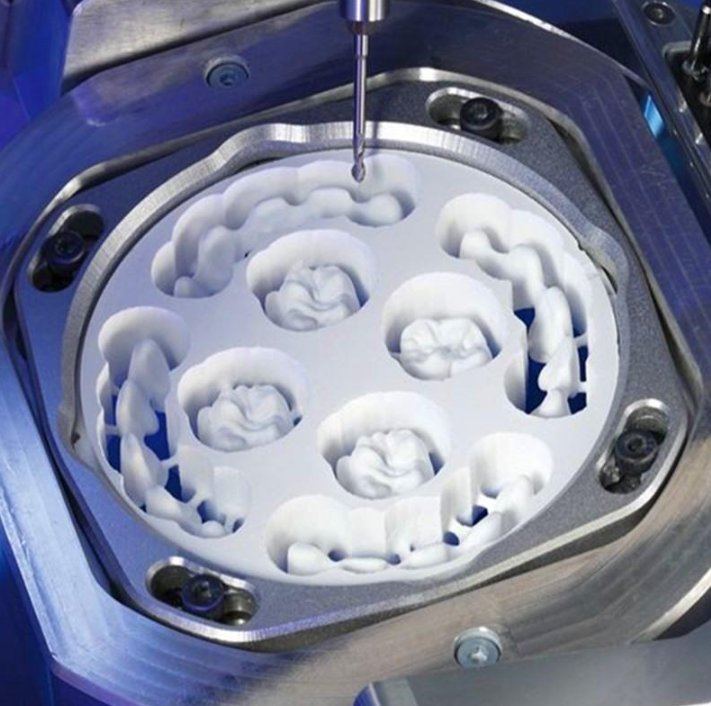
The pressed block is heated to an intermediate temperature. At this stage, the material becomes rigid enough for machining while remaining soft enough for efficient CAD/CAM milling.
The pre-sintered body is machined into standardized disc or block dimensions with accurate tolerances for compatibility with milling systems.
For pre-colored or multilayer zirconia, coloring oxides are incorporated during manufacturing or through controlled infiltration processes.
Finished blocks undergo inspections for density, dimensions, shade consistency, and structural integrity before packaging.
Pure zirconium dioxide is naturally white.
Natural tooth shades are achieved by introducing carefully controlled coloring oxides during manufacturing or through infiltration techniques before final sintering.
Multilayer zirconia blocks combine multiple shade layers and translucency gradients to mimic the optical characteristics of natural teeth.
Unlike glass ceramics, zirconia is a polycrystalline ceramic.
Its microstructure consists of densely packed zirconia crystals with virtually no glass phase.
This structure contributes to:
However, the absence of a glass phase also means zirconia cannot be etched with hydrofluoric acid in the same way as silica-based ceramics.
Modern dental zirconia offers a combination of mechanical and biological advantages.
Typical properties include:
These characteristics make zirconia one of the most versatile materials in digital dentistry.
Yes.
Dental zirconia is considered highly biocompatible and has been used successfully in restorative dentistry for many years.
Because it is metal-free, zirconia avoids concerns related to metal corrosion or allergic reactions associated with certain metallic alloys.
It also demonstrates excellent chemical stability under normal oral conditions.
Absolutely.
Small differences in composition and manufacturing quality can significantly influence:
For this reason, dental professionals should evaluate technical specifications and manufacturing consistency rather than focusing solely on product appearance.
Yes. Zirconium is derived from naturally occurring zircon minerals, which are refined into high-purity zirconium dioxide suitable for medical use.
Although zirconium is a metallic element, zirconium dioxide is a ceramic oxide. Dental zirconia is therefore considered a metal-free restorative material.
Yttria stabilizes the crystal structure, improving mechanical strength, fracture resistance, and long-term durability while allowing manufacturers to balance translucency and strength.
Yes. The amount of yttria, grain size, coloring technology, and multilayer design all affect translucency, shade gradients, and the final appearance of restorations.
A dental zirconia block is far more than a simple ceramic material. It is an advanced engineering product composed primarily of high-purity zirconium dioxide, enhanced with yttrium oxide and other carefully controlled additives to achieve exceptional strength, biocompatibility, and esthetics.
From powder preparation and isostatic pressing to pre-sintering and precision machining, every manufacturing step influences the final performance of the material. Understanding what a zirconia block is made of helps dental laboratories, clinicians, and distributors make informed decisions when selecting CAD/CAM materials for different clinical applications.

Dry & wet milling for zirconia, PMMA, wax with auto tool changer.
learn more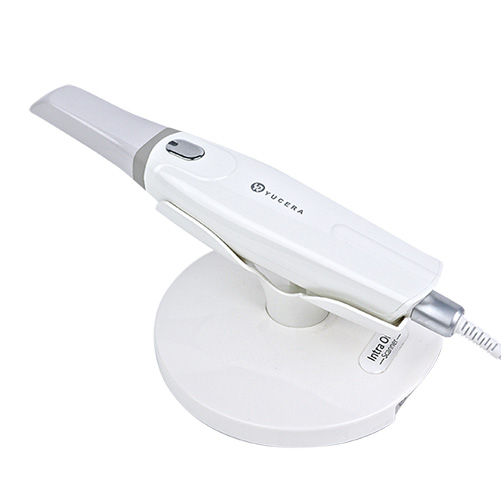
High-precision 3D scanning, AI calibration, full-arch accuracy.
learn more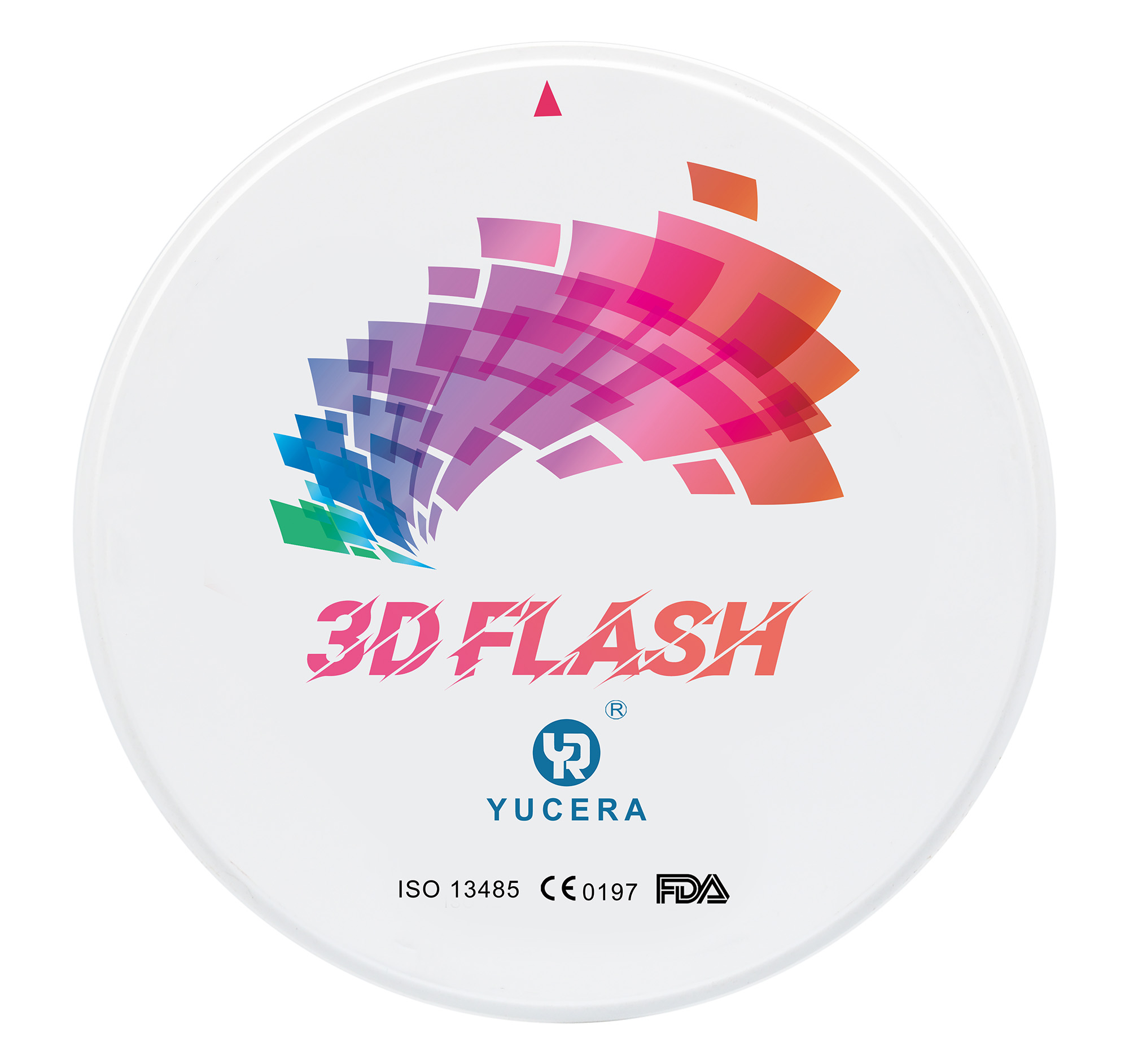
40-min full sintering with 57% incisal translucency and 1050 MPa strength.
learn more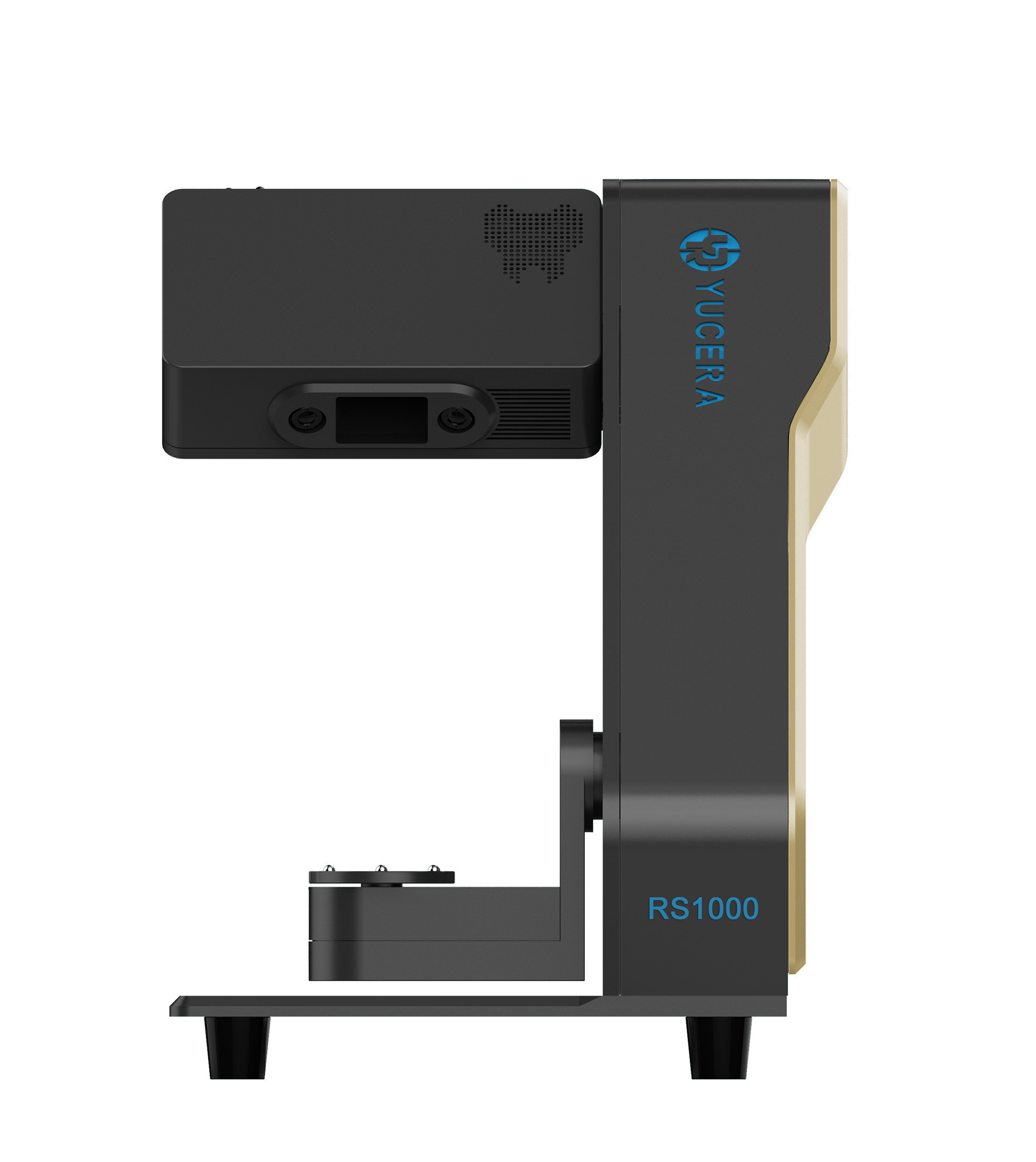
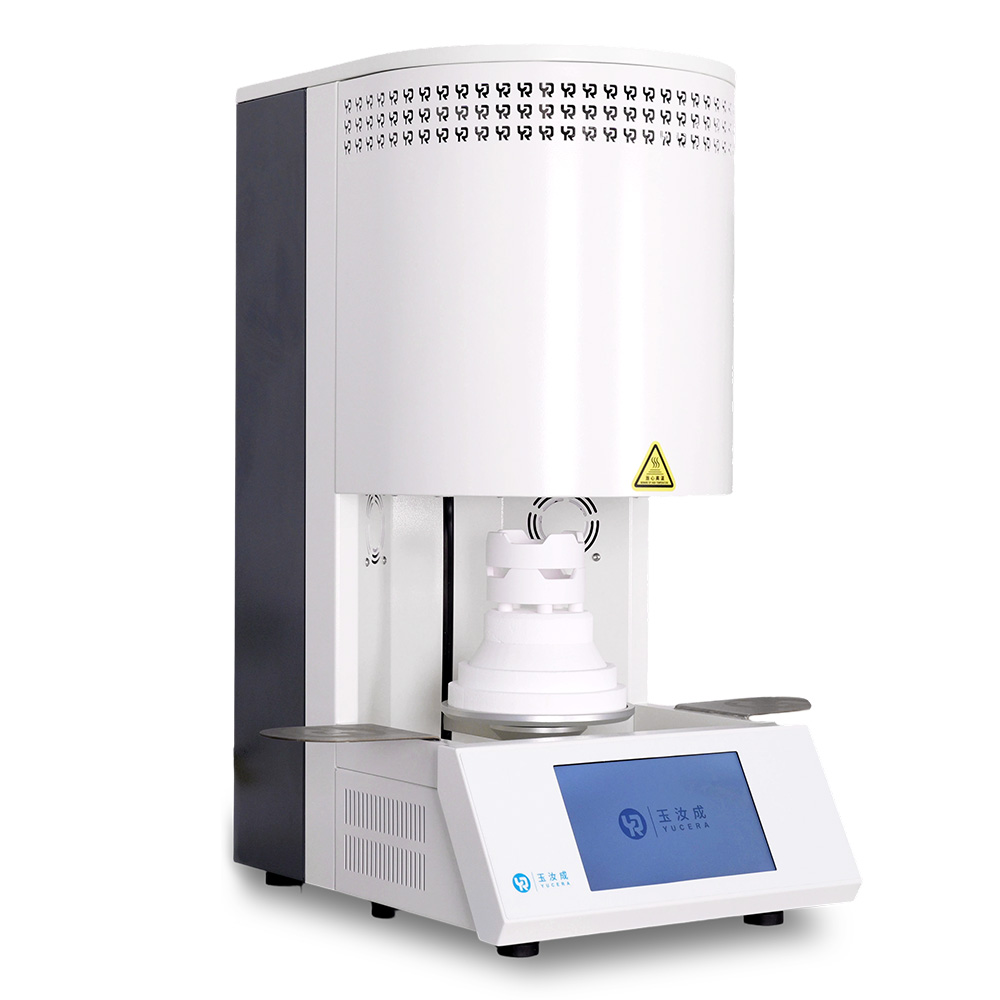
40-min cycle for 60 crowns, dual-layer crucible and 200°C/min heating.
learn more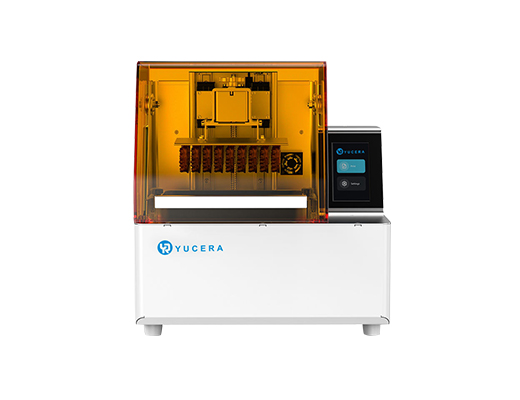
High-speed LCD printer for guides, temporaries, models with 8K resolution.
learn more


2026-03-24

2024-10-21
2026-05-21


