


 中 文
中 文
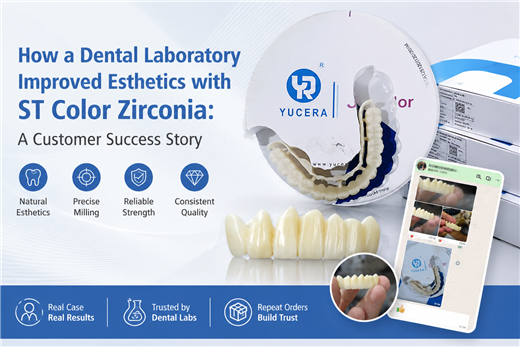
How a Dental Laboratory Improved Esthetics with ST Color Zirconia: A Customer Success Story
2026-07-03
2026-07-28
With the continuous development of digital dentistry, more dental laboratories worldwide are moving from traditional restoration methods toward CAD/CAM dental workflows. Among various restorative materials, dental zirconia blocks have become one of the most important materials for manufacturing high-quality dental restorations.
For dental professionals who are exploring digital dentistry solutions, understanding the composition and advantages of zirconia is essential. This guide explains what a dental zirconia block is, what materials it contains, and why zirconia has become widely used for crowns, bridges, and other dental restorations.
A dental zirconia block is a high-performance ceramic material mainly composed of zirconium dioxide (ZrO₂). In dentistry, zirconia is usually stabilized with other oxide materials to improve its mechanical properties and long-term stability.
The most commonly used dental zirconia material is:
Y-TZP refers to yttria-stabilized tetragonal zirconia polycrystal, which is widely applied in modern dental restorations.
Its main components include:
Zirconium dioxide is the primary component of dental zirconia.
It provides:
The stable ceramic structure allows zirconia restorations to withstand significant chewing forces during long-term oral use.
Yttrium oxide is added as a stabilizer to control the crystal structure of zirconia.
Its main function is to:
This stabilization process is the key reason why dental zirconia has much higher strength compared with traditional ceramics.
Small amounts of additional oxide components may be added to optimize zirconia properties, including:
With advanced manufacturing technology, modern multilayer zirconia blocks can achieve different levels of strength and translucency within one disc, allowing dental laboratories to produce more natural-looking restorations.
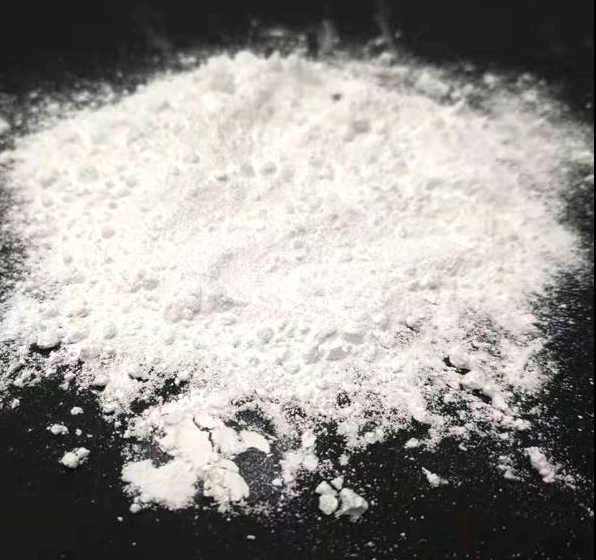
The popularity of zirconia in dentistry is mainly based on its combination of strength, biocompatibility, and esthetic performance.
One of the biggest advantages of zirconia is its excellent mechanical performance.
Compared with many traditional dental ceramics, zirconia provides:
Depending on the zirconia composition, different materials can provide different strength levels:
This makes zirconia a versatile material for different clinical applications.
Dental zirconia is considered a highly biocompatible ceramic material.
It offers:
Because of these advantages, zirconia is widely used for:
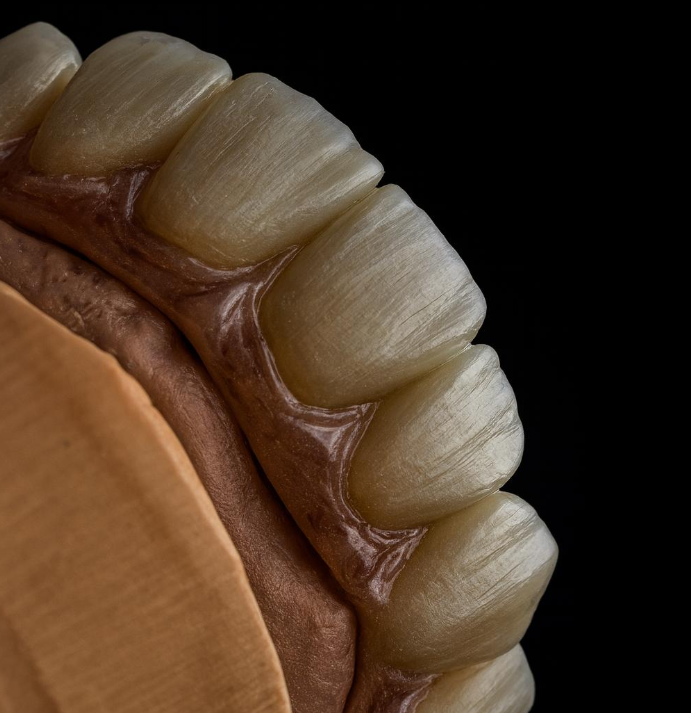
Early zirconia materials were mainly focused on strength, but modern zirconia technology has significantly improved optical performance.
Today’s zirconia blocks can achieve more natural appearances through:
These technologies help simulate the natural transition of human teeth from cervical areas to incisal edges.
Zirconia is especially suitable for modern digital dentistry because it can be accurately processed through:
Digital Scan → CAD Design → Milling → Sintering → Final Restoration
Dental laboratories can use zirconia blocks with:
to produce precise and consistent restorations.
A dental zirconia block is more than just a ceramic material. It is a key component of modern CAD/CAM dentistry, combining advanced material science with digital manufacturing technology.
With its high strength, excellent biocompatibility, and improved esthetic performance, zirconia has become an important solution for dental laboratories seeking reliable and long-lasting restoration materials.
For African dental professionals, understanding zirconia technology is an important step toward exploring the future of digital dental restoration.

Dry & wet milling for zirconia, PMMA, wax with auto tool changer.
learn more
High-precision 3D scanning, AI calibration, full-arch accuracy.
learn more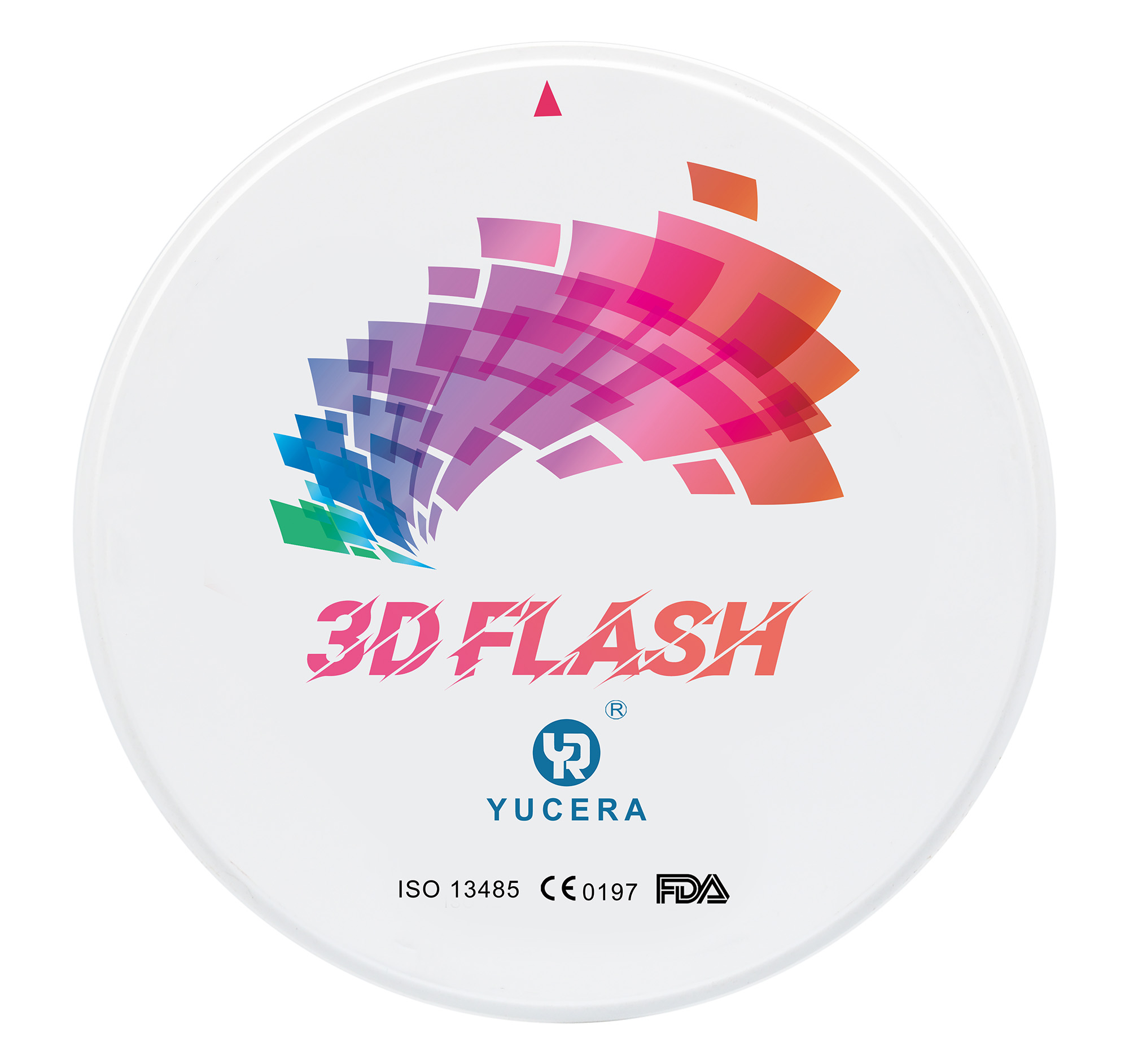
40-min full sintering with 57% incisal translucency and 1050 MPa strength.
learn more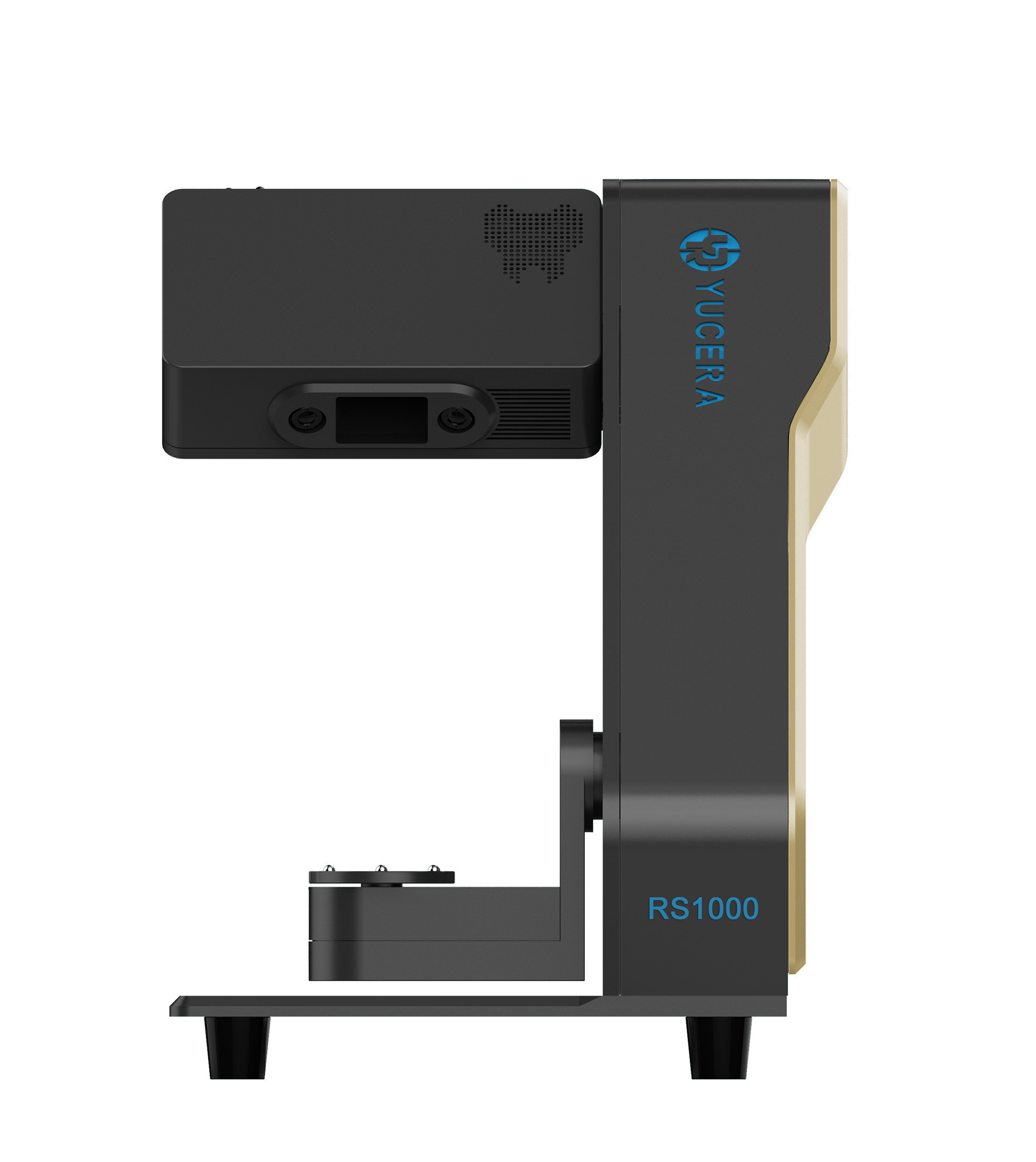
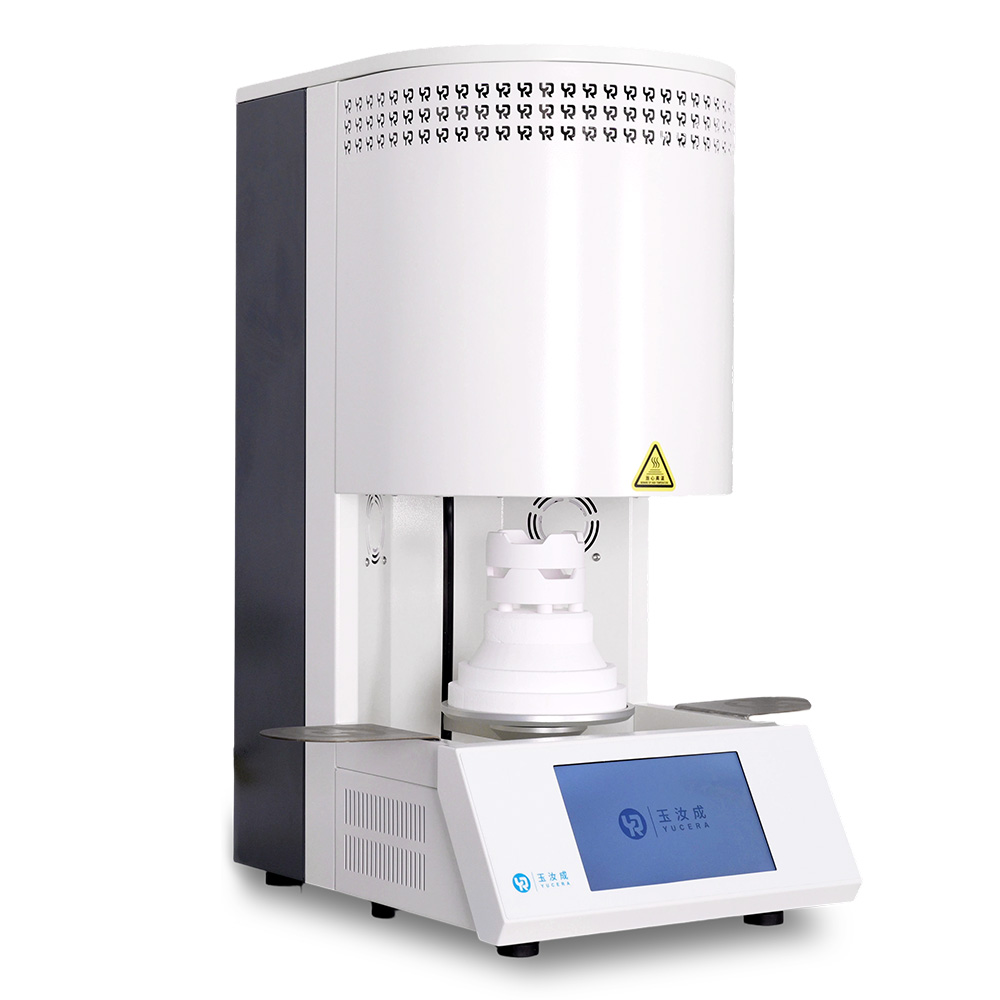
40-min cycle for 60 crowns, dual-layer crucible and 200°C/min heating.
learn more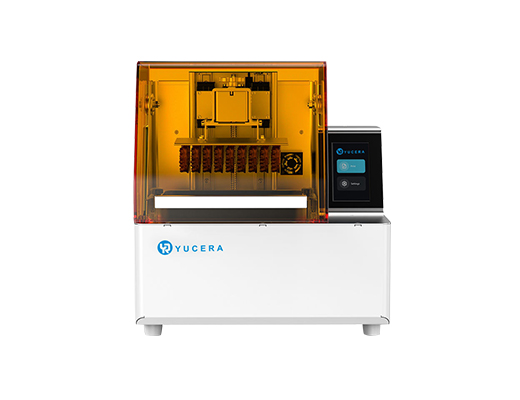
High-speed LCD printer for guides, temporaries, models with 8K resolution.
learn more


