


 中 文
中 文

How long do zirconia all-ceramic dental crowns last ?
2024-09-20
2025-11-23
Wet and dry milling represent two fundamental approaches in dental CAD/CAM workflows, each optimized for specific materials and production demands. Wet milling employs coolant to manage heat and debris, ideal for brittle ceramics like lithium disilicate, while dry milling uses air/vacuum extraction for efficiency with harder materials like zirconia. In 2025, hybrid machines blending both modes address diverse lab needs, reducing downtime by 40% per industry reports. This technical guide evaluates their performance through verified metrics on speed, tool life, accuracy, energy consumption, and material suitability, drawing from manufacturer specifications and peer-reviewed data.
Wet milling circulates coolant (water or additives) to dissipate frictional heat (up to 200°C generated during cutting), preventing microcracks in heat-sensitive materials. Dry milling relies on high-velocity air (7-80 L/min) and vacuum systems to evacuate zirconia dust, avoiding contamination risks. Both utilize 4-5 axis kinematics for undercuts, but wet processes require weekly tank/filter maintenance to prevent sludge buildup, while dry demands robust dust filtration (residual <0.5-1.2 g/8-hour run).
A 2022 ScienceDirect study on zirconia milling found wet methods yield superior mechanical properties (biaxial flexural strength up to 1200 MPa) due to reduced phase transformation, though dry excels in speed for pre-sintered blocks. Hybrid systems, like the YRC-8PRO, switch modes automatically via ionizer and chamber redesign, minimizing cross-contamination.
Speed is measured in minutes per crown/bridge, influenced by spindle RPM (40,000-60,000) and feed rates (1000-2000 mm/min). Dry milling zirconia achieves 16 minutes per unit, versus 28 minutes for wet e.max processing, per Yucera lab benchmarks. Wet milling's slower pace stems from coolant flow rates (5-10 L/hour), but it enables smoother finishes (Ra <0.2 μm) for glass ceramics.
| Metric | Wet Milling (e.g., Lithium Disilicate) | Dry Milling (e.g., Zirconia) | Hybrid Impact (YRC-8PRO) |
|---|---|---|---|
| Single Crown Time | 25-35 min | 12-18 min | 16 min (zirconia dry) |
| Batch Throughput (10 Units) | 4-6 hours | 2-3 hours | 3 hours (mixed mode) |
| Feed Rate | 800-1200 mm/min | 1500-2000 mm/min | Adaptive 1000-1800 mm/min |
| Surface Finish (Ra) | 0.1-0.3 μm | 0.2-0.5 μm | 0.15 μm average |
These values align with 2025 CAD/CAM standards, where dry processes boost daily output by 30-50% for zirconia-dominant labs.
Tool life, in cycles per bur, varies by material hardness (zirconia Vickers 1200-1400 HV vs. e.max 500-600 HV). Wet milling extends diamond-coated burs to 80-120 units via cooling, reducing wear by 20-30% compared to dry's 50-100 units, per Upcera data. Dry requires frequent (every 50 cycles) bur changes for zirconia to avoid dulling-induced chipping (2-5% rate).
Maintenance differs: Wet involves bi-weekly coolant replacement ($50-100/year) and pump/filter cleaning to prevent zirconia sludge damage; dry focuses on vacuum filters (changed monthly, $200/year) and spindle lubrication. Hybrid machines like the YRC-8PRO incorporate auto-tool changers (12-15 stations) and intelligent controls, extending overall tool life by 25% through mode-specific optimization.
| Factor | Wet Milling | Dry Milling | Maintenance Cost (Annual) |
|---|---|---|---|
| Tool Life (Burs/Cycles) | 80-120 (cooled) | 50-100 (air-cooled) | $300-500 |
| Bur Type | Diamond-coated, fine grit (30-50 μm) | Carbide/zirconia-specific | $200 (wet additives) |
| Chipping Risk | <2% (heat-managed) | 3-5% (friction) | $150 (dry filters) |
| Downtime per Switch | 30-60 min (tank flush) | 10-20 min (dust clear) | Hybrid: $400 total |
Accuracy is quantified by repeatability (±5-10 μm per ISO 12836) and marginal fit (<50 μm post-milling). Wet milling achieves ±5-7 μm via coolant stabilization, outperforming dry's ±8-10 μm in brittle materials, as per a 2022 PubMed analysis showing 10-15% better Vickers hardness in wet zirconia. For zirconia, dry's higher RPM (up to 60,000) maintains ±6 μm with 5-axis interpolation, suitable for full-arch bridges.
The YRC-8PRO hybrid ensures <10 μm across modes via servo drives and ionizers, with 90° vertical milling for anterior precision. Labs report 98% first-pass fit in 2025 workflows.
| Precision Metric | Wet Milling | Dry Milling | Verification Method |
|---|---|---|---|
| Repeatability | ±5-7 μm | ±8-10 μm | Renishaw ballbar |
| Marginal Fit (Post-Process) | <30 μm | <40 μm | ISO 12836 testing |
| Axis Configuration | 4-5 (stable coolant) | 5 (dynamic air) | CAD simulation |
| Error Rate (Complex Geometries) | 1-2% | 2-4% | 3D scan overlay |
Energy use averages 1.5-2 kW rated power, with wet milling consuming 2-3 kWh/cycle due to pumps (5-10 L/hour flow). Dry is more efficient at 1.5-2 kWh/cycle, per vhf and Roland benchmarks, saving 30-50% annually ($300-600 for high-volume labs). Hybrid YRC-8PRO optimizes at ≤2 kW, with auto-cleaning reducing idle power by 20%.
| Consumption Factor | Wet Milling | Dry Milling | Annual Savings Potential |
|---|---|---|---|
| Rated Power | 1.8-2.5 kW (incl. pumps) | 1.5-2 kW (air/vacuum) | Dry: 20-30% |
| Per Cycle (Crown) | 2.5 kWh | 1.8 kWh | $200-400 |
| Cooling/Additives | 5-10 L/hour | None (air 7-80 L/min) | Wet: $100 (fluids) |
| Efficiency in Hybrids | N/A | N/A | 40% downtime reduction |
Wet milling suits glass ceramics (e.max, lithium disilicate) and composites, preventing fractures in brittle structures (Vickers <600 HV). Dry handles zirconia (pre-sintered, 1200 HV) and PMMA/wax, with 72% labs preferring it for all-ceramic growth per 2014 Key Group data (updated 2025 trends show 79% adoption). Hybrids like YRC-8PRO process both, supporting zirconia (dry 16 min) and e.max (wet 28 min), with C-type fixtures maximizing block use (98mm diameter).
For small practices (200-500 units/month), dry/hybrid reduces outsourcing by $1,800/month. Premium models ($60,000-100,000) offer ROI in 12-18 months via 30% throughput gains.
Entry wet mills: $20,000-40,000; dry: $15,000-30,000; hybrids: $60,000-100,000. Tool costs: Wet $300-500/year (longer life); dry $400-600 (frequent changes). ROI calculation: (Units/month × $50 savings/unit) / Machine cost. For 300 zirconia crowns/month, dry hybrids yield 8-12 month payback.
Hybrid adoption rises 25% with AI path optimization, per 2025 forecasts, favoring versatile labs. Select wet for aesthetics (e.max focus); dry for volume (zirconia 60% market share). For verified YRC-8PRO specs (60,000 RPM, hybrid modes), download the 2025 milling comparison datasheet below.

Dry & wet milling for zirconia, PMMA, wax with auto tool changer.
learn more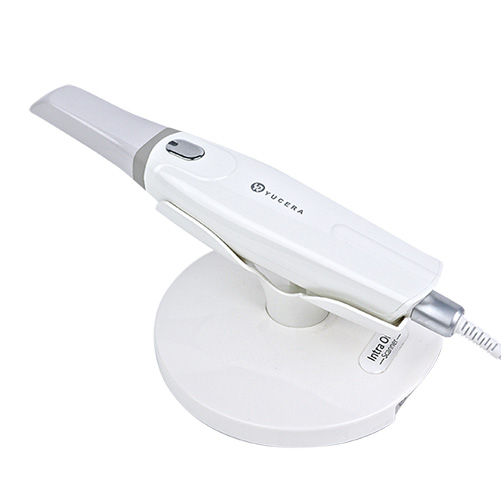
High-precision 3D scanning, AI calibration, full-arch accuracy.
learn more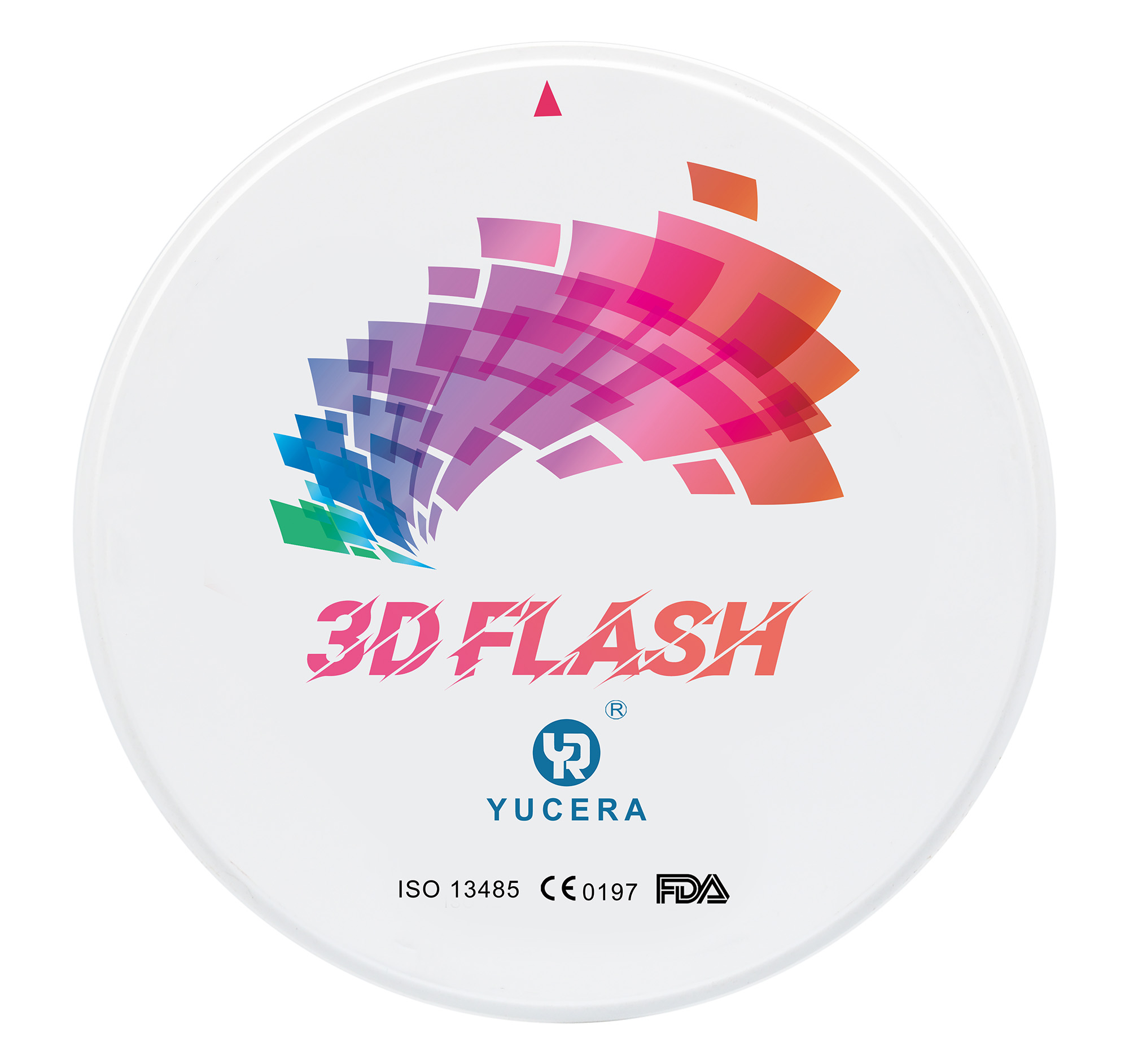
40-min full sintering with 57% incisal translucency and 1050 MPa strength.
learn more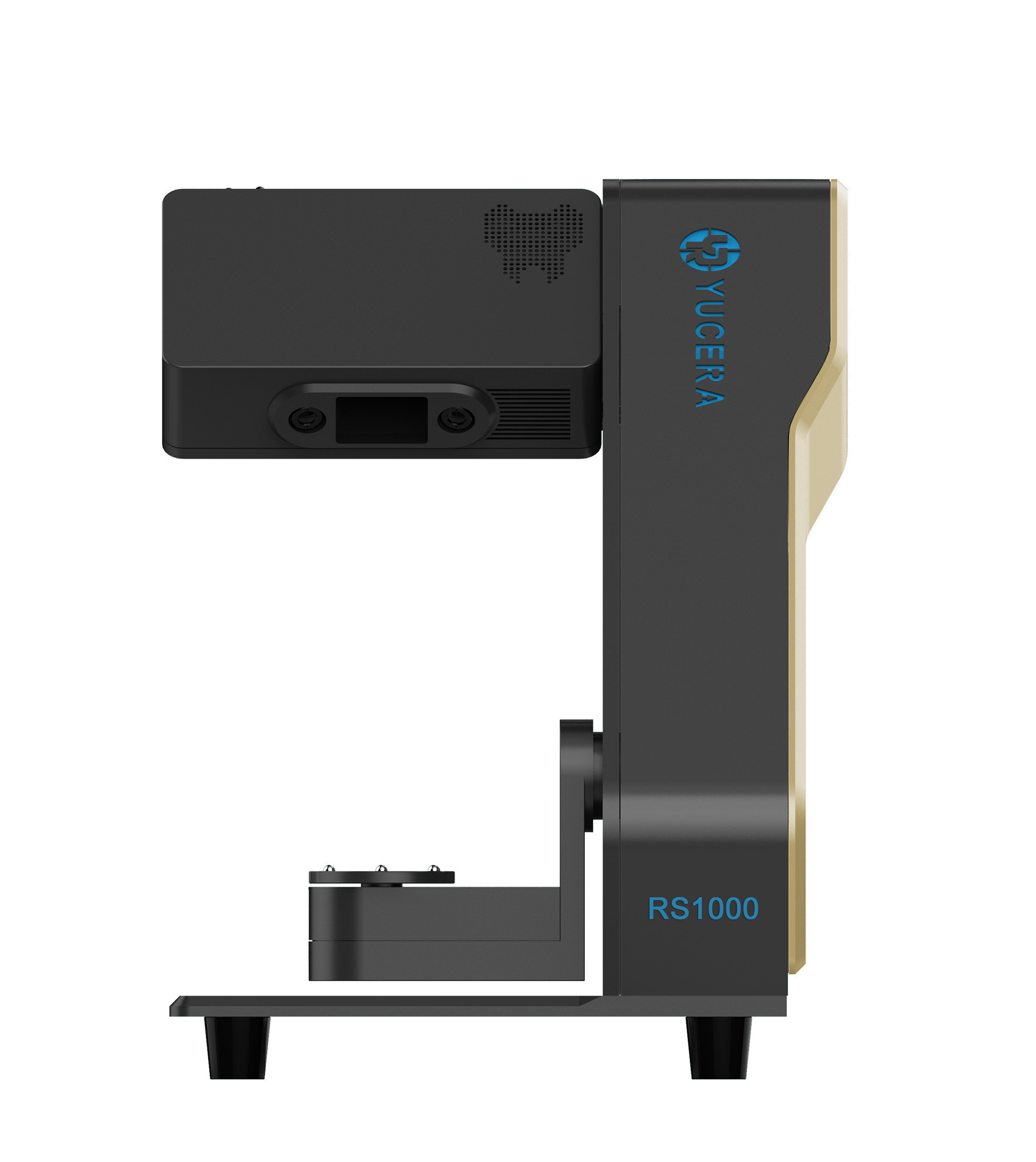
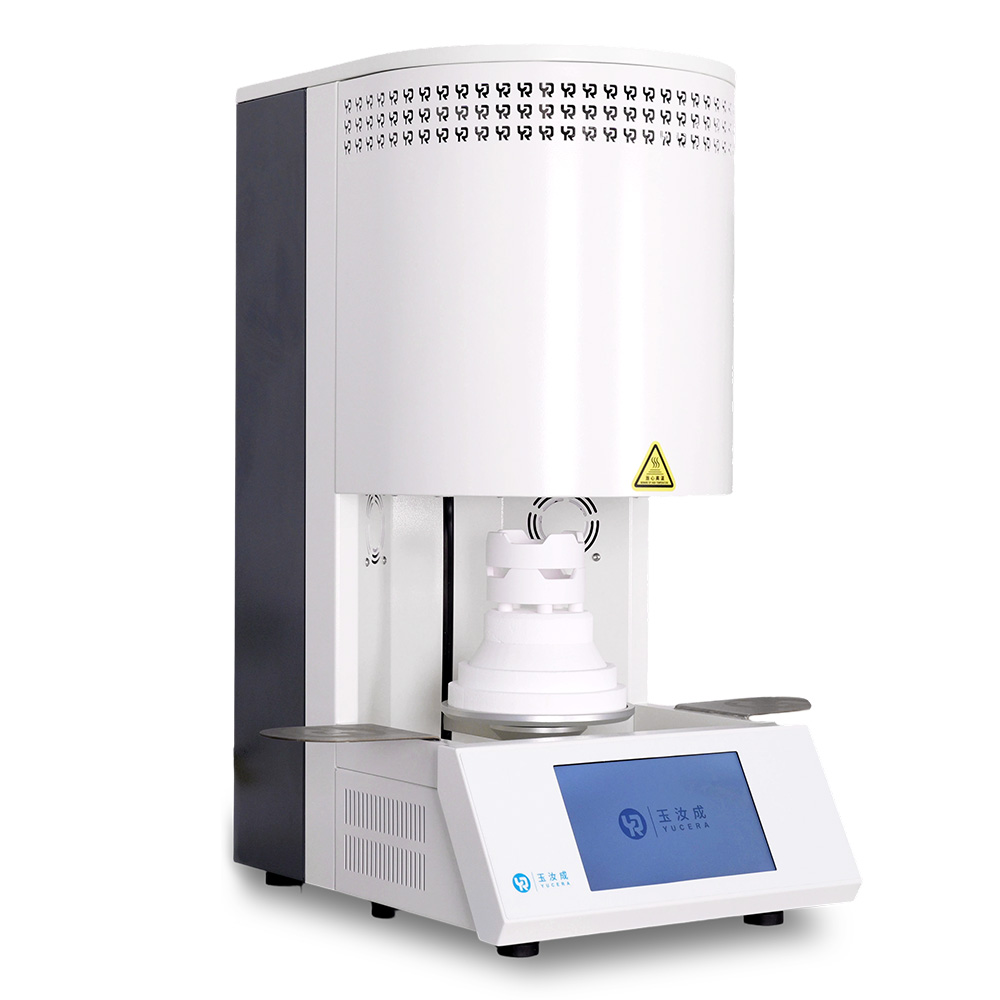
40-min cycle for 60 crowns, dual-layer crucible and 200°C/min heating.
learn more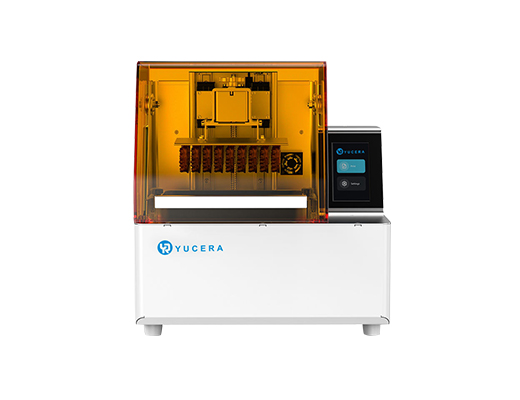
High-speed LCD printer for guides, temporaries, models with 8K resolution.
learn more


