


 中 文
中 文
How to Integrate CAD/CAM with Dental 3D Printing for UK Dental Labs 2026 – Hybrid Workflows Guide
2026-02-24
2026-01-26
Digital dentistry advances sustainability by minimizing resource use and emissions. Desktop dental scanners, benchtop devices that digitize gypsum models, impressions, and articulators into precise 3D files for CAD/CAM workflows, exemplify this shift. In Eastern Europe—Poland, Hungary, Romania, and the Czech Republic—clinics and labs adopt these energy-efficient tools to lower power consumption, cut waste, and reduce carbon footprints amid EU regulations and dental tourism growth.
The dental sector contributes notably to healthcare's environmental impact. Global healthcare systems generate about 4.4% of worldwide greenhouse gas emissions, with dentistry involved through energy use, travel, procurement, and waste. In primary dental care, building energy accounts for approximately 15% of the carbon footprint, while one NHS England study attributes 64.5% of dental service emissions to travel (staff and patients), 19% to procurement, and 15.3% to energy. Dental labs add further impact: the carbon footprint per prosthesis averages around 2.9 kg CO₂e, driven by staff travel (43.6%), procurement (27.8%), energy consumption (25%), waste (3.3%), and water (0.1%). Water use in an average practice reaches about 33,000 liters annually in comparable regions, highlighting efficiency needs.
Eastern Europe's dental market grows through EU alignment, digital investments, and tourism. Countries like Poland and Hungary serve international patients seeking affordable restorations, where quick, low-impact processes provide competitive edges. However, southern and eastern Europe face economic constraints and varying environmental regulations, making local sustainability initiatives essential. Desktop scanners address these by enabling low-energy digitization that supports greener workflows.
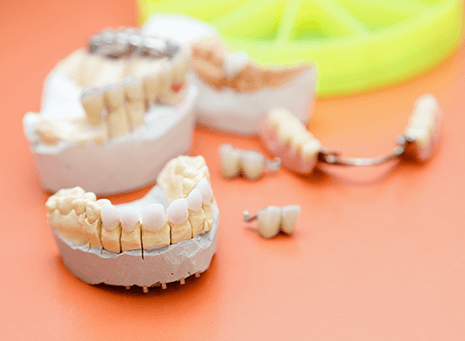
Desktop dental scanners employ optical technologies—structured light or laser—to capture high-resolution 3D data from physical models in controlled lab settings. Typical power draw during operation ranges 150-190 W, comparable to or lower than many household appliances, with standby modes dropping to 20-35 W. This efficiency exceeds traditional lab processes like model pouring, trimming, or repeated physical handling, which involve indirect energy for materials preparation and storage.
Modern scanners feature energy-saving designs: automatic standby, efficient LEDs or blue light sources, and optimized scanning cycles completing full arches or multiple dies in minutes. Integration with CAD/CAM reduces reliance on physical shipments—digital files transmit instantly—cutting transport-related emissions. In labs, this minimizes repeated physical model fabrication for adjustments, conserving energy and materials.
Compared to conventional workflows, digital scanning reduces material waste by up to 30% in some analyses and eliminates transport emissions for physical models. One comparative study on implant-supported prostheses shows fully digital processes (leveraging scanned data) yield slightly lower emissions (e.g., 31.8-34.5 kg CO₂e per unit versus higher in semi-digital) than methods relying more on physical steps, with major sources being high-energy processes like sintering; scanning itself adds minimal overhead due to low wattage.
In Eastern European contexts, where power grids vary and costs matter, low-power scanners help clinics and labs optimize electricity use while maintaining precision (trueness often 10-30 μm for high-end systems).
Desktop scanners drive low-energy transformation through multiple channels:
These benefits prove particularly valuable in Eastern Europe, where dental tourism demands efficient, cost-effective, and increasingly eco-conscious services. Clinics in Warsaw or Budapest using hybrid workflows (conventional impressions digitized via desktop scanners) maintain flexibility for sensitive patients while gaining sustainability advantages.
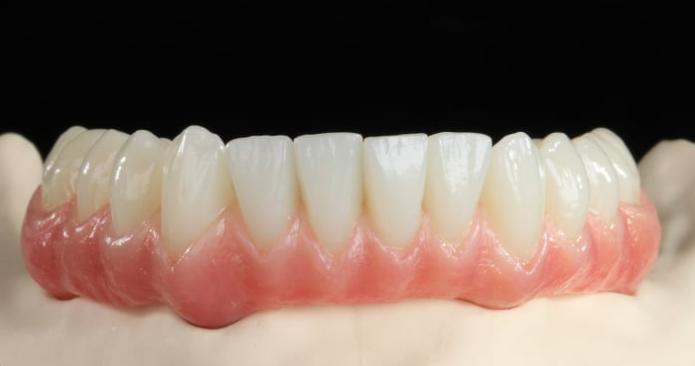
Eastern Europe accelerates digital adoption, supported by EU funding, training, and economic recovery. Desktop scanners suit labs serving private practices, offering strong ROI through productivity and lower operational energy.
In Poland, labs in major cities integrate scanning for restorative and implant cases to meet local and tourist demand efficiently. Hungary leverages it in Budapest for rapid, low-impact prosthetics. Romania and the Czech Republic see private sector growth in hybrid models competing with Western standards.
Market trends show rising lab scanner use alongside intraoral options, driven by restorative needs. Energy-efficient models appeal amid rising electricity costs and EU ecodesign directives promoting lower consumption. Initial investment pays back via reduced waste, fewer remakes, and energy savings. User-friendly software eases transition in smaller facilities common in the region.
Challenges include upfront costs and training, offset by long-term savings and grants in EU-aligned countries. Regulatory frameworks like the Medical Device Regulation (MDR 2017/745) ensure safety while encouraging efficient devices; energy labeling and ecodesign standards apply to equipment, favoring low-power scanners.
A typical sustainable workflow:
This process ensures high accuracy, fewer errors, and lower overall energy/material footprint. Features like multi-die scanning and occlusion integration enhance efficiency without added power draw.
Studies confirm desktop scanners' reliability for full-arch and implant workflows, supporting predictable, low-impact outcomes.
Advancements promise greater sustainability: faster scans with lower energy, AI for optimized alignment, and better integration with energy-efficient milling/sintering units. IoT monitoring could track and minimize power use further.
In Eastern Europe, economic growth, tourism expansion (projected significant in countries like Hungary and Poland), and stricter EU green regulations will drive adoption. By 2030, more labs may achieve substantial emission reductions through digital tools. Hybrid renewable-powered labs (solar-assisted) could amplify savings.
Sustainability also includes broader practices: recycling scanner components, choosing durable models, and combining with teledentistry to further cut travel emissions.
Sustainable desktop dental scanners embody the low-energy transformation in Eastern European dentistry. Their efficient operation (low wattage, minimal standby draw), combined with digital workflow benefits—waste reduction up to 30%, lower transport and remake emissions, and indirect travel footprint cuts—help labs and clinics in Poland, Hungary, Romania, the Czech Republic, and beyond meet environmental goals while maintaining high-quality care.
Amid challenges like regulatory variation and economic pressures, these tools offer practical, scalable solutions aligned with EU standards and regional needs. Embracing them advances greener dentistry, reduces the sector's contribution to global emissions, and supports sustainable growth in a patient-centered, efficient manner.

Dry & wet milling for zirconia, PMMA, wax with auto tool changer.
learn more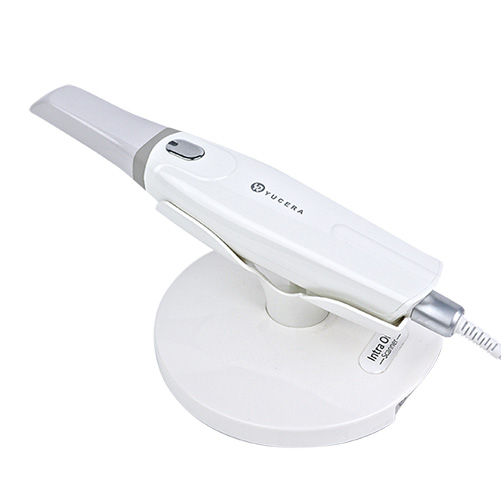
High-precision 3D scanning, AI calibration, full-arch accuracy.
learn more
40-min full sintering with 57% incisal translucency and 1050 MPa strength.
learn more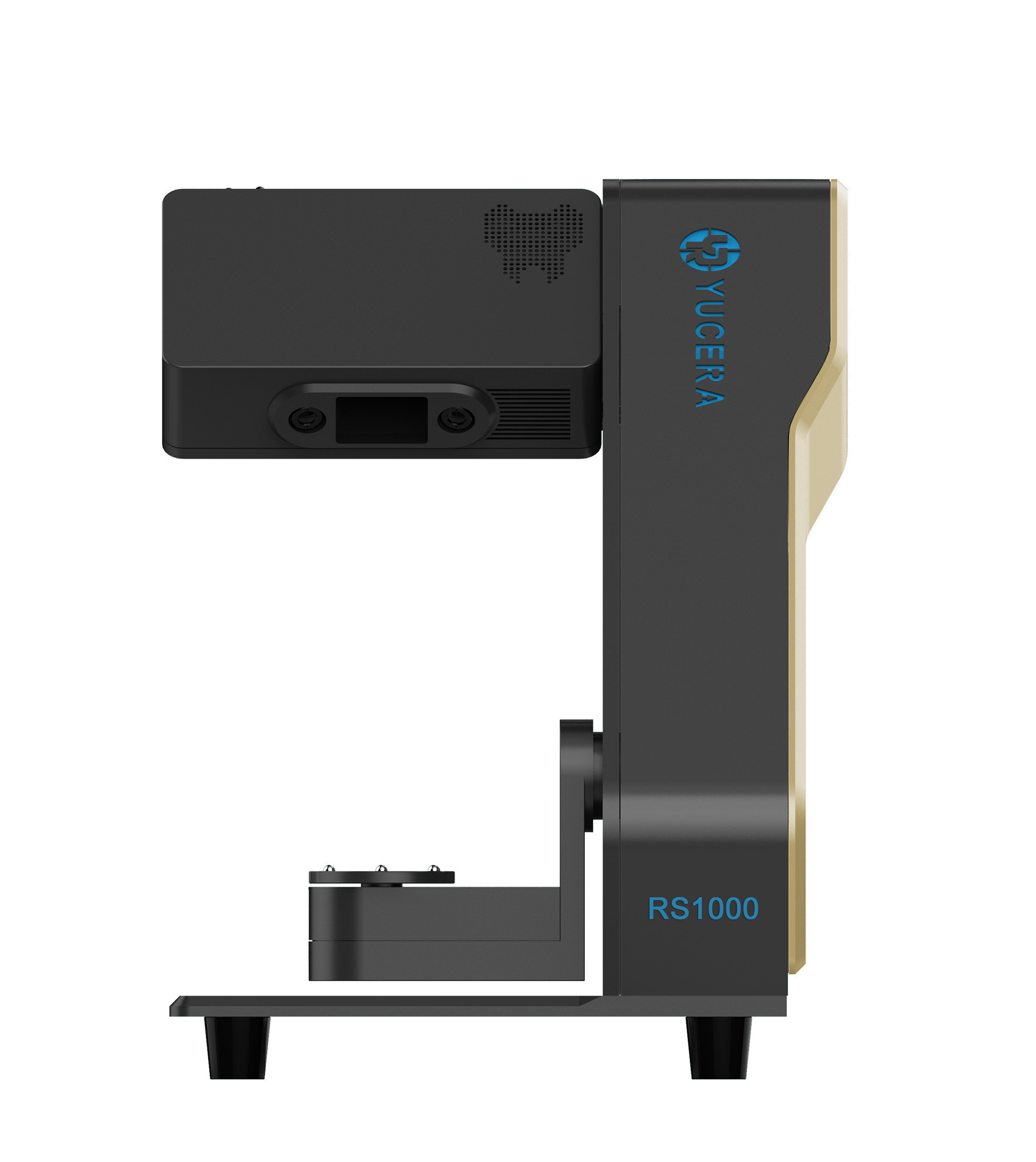
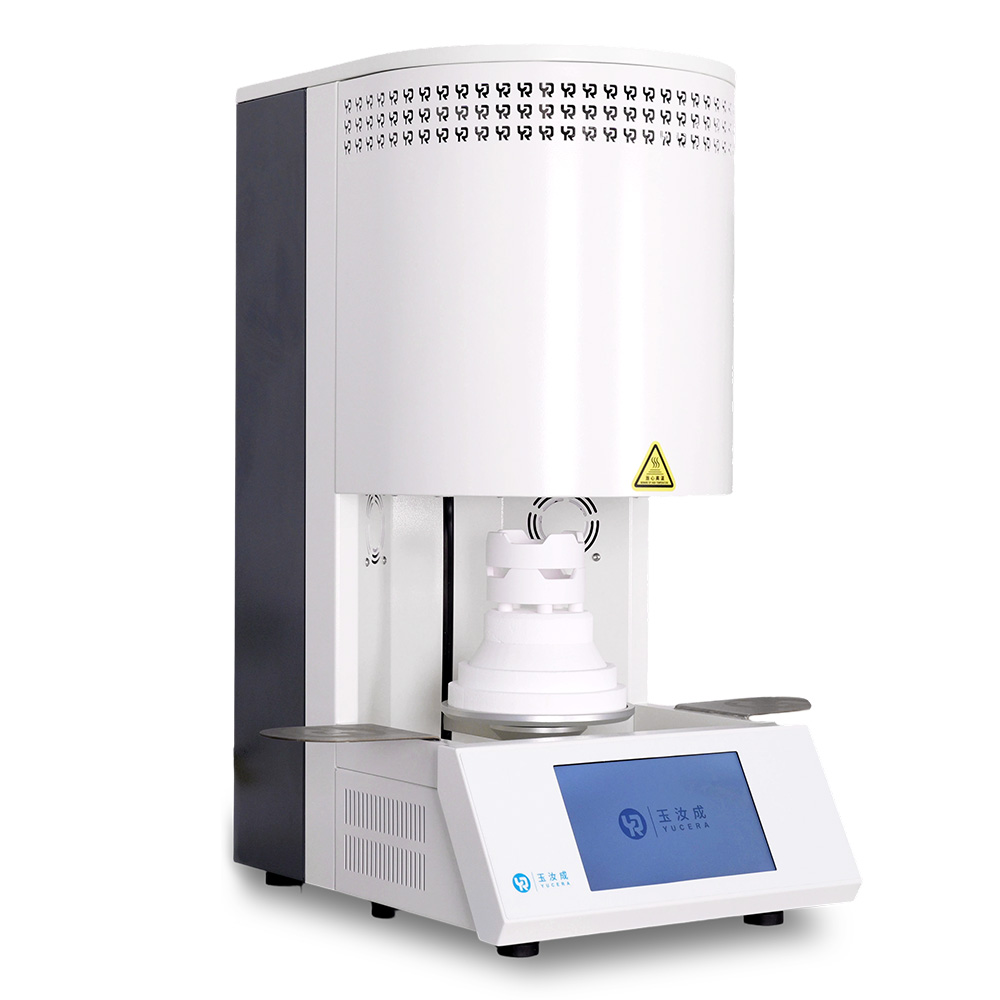
40-min cycle for 60 crowns, dual-layer crucible and 200°C/min heating.
learn more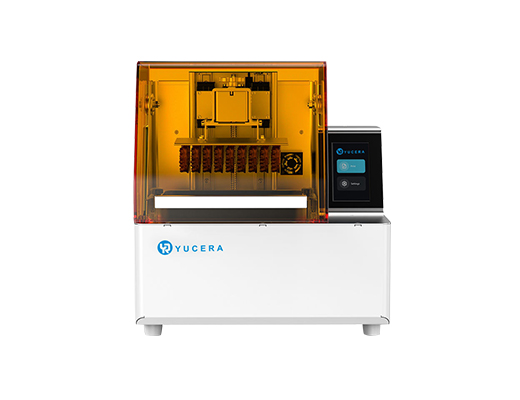
High-speed LCD printer for guides, temporaries, models with 8K resolution.
learn more


2026-02-24
2026-02-15

2025-10-30


