中 文
中 文

How to Train Dental Staff on CAD/CAM Equipment: South American Market-Specific Guidelines 2026 – Brazil, Argentina, Chile
2026-02-21
2026-01-22
The field of restorative dentistry has witnessed a remarkable shift toward aesthetics, with patients demanding restorations that mimic natural teeth in color, translucency, and overall appearance. In Eastern Europe, sintering furnaces have emerged as key enablers of this transformation, particularly through their role in processing high-translucency zirconia. These devices densify milled zirconia at high temperatures, optimizing optical properties like light transmission and shade matching while preserving mechanical strength. Countries such as Poland, Hungary, Romania, and the Czech Republic are experiencing rapid adoption of advanced sintering technologies, fueled by digital workflows, dental tourism, and growing patient expectations for lifelike results.
Zirconia, composed primarily of zirconium dioxide stabilized with yttria, has evolved from opaque frameworks to monolithic, high-translucency variants suitable for anterior and posterior restorations. Sintering furnaces heat pre-sintered zirconia to 1450–1600°C, fusing particles to achieve densities exceeding 99%, enhancing fracture toughness and biocompatibility. Modern furnaces support controlled atmospheres and precise ramps, minimizing defects that could compromise aesthetics, such as porosity or discoloration.
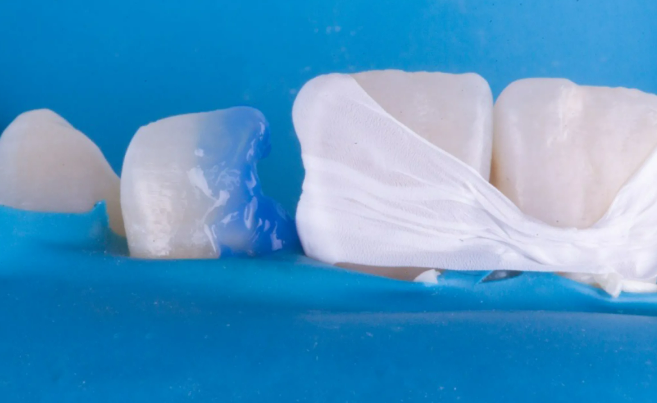
High-translucency zirconia, often with 4–6 mol% yttria, allows greater light passage, creating opalescent effects similar to natural enamel. Studies show that optimized sintering improves translucency by promoting uniform grain sizes (around 0.5–0.7 μm) and increasing cubic phase content, which scatters light less than tetragonal phases. Fast sintering protocols, reducing cycles from hours to 10–60 minutes, maintain or even enhance these properties in many cases, with some research indicating higher translucency in super-speed sintered samples due to controlled grain growth prevention.
In systematic reviews, speed and high-speed sintering show comparable flexural strengths (often >900 MPa) to conventional methods, while optical parameters like translucency parameter (TP) remain clinically acceptable. For multilayered zirconia, sintering preserves gradient effects, delivering seamless shade transitions from dentin-like opacity to incisal translucency up to 57%. This enables monolithic crowns without veneering, reducing chipping risks and simplifying production.
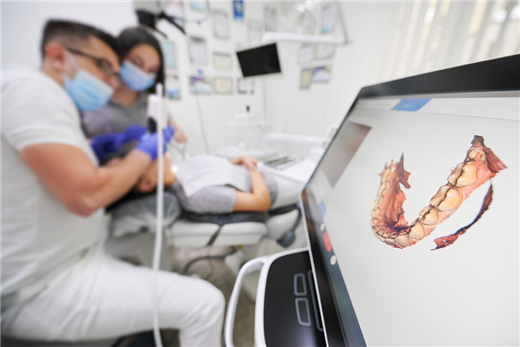
Eastern European clinics integrate these furnaces into chairside CAD/CAM systems, allowing digital scans, milling, and on-site sintering. This supports single-visit treatments, appealing to local patients and medical tourists from Western Europe seeking affordable, aesthetic care.
Eastern Europe's dental sector grows at 15–20% annually in zirconia adoption, driven by EU-funded infrastructure upgrades and digital dentistry training. In Poland and Hungary, urban centers like Warsaw and Budapest lead, with labs reporting 25% increases in anterior veneer and bridge requests emphasizing natural gradients. Romania and the Czech Republic follow, benefiting from cost-effective innovations that align with rising disposable incomes and aesthetic awareness.
Dental tourism amplifies this trend, as patients prioritize metal-free, lifelike restorations. Zirconia crowns offer superior biocompatibility, avoiding allergies associated with metal-ceramics, while high-translucency variants match natural tooth fluorescence. Market projections indicate the European restorative sector's 6–8% CAGR through 2030, with Eastern Europe excelling in efficient, patient-centered solutions.
Sintering furnaces contribute by enabling precise control over optical outcomes. Controlled heating prevents undesirable color shifts, while glazing options at lower temperatures add smooth, glossy finishes. Post-sintering polishing further enhances surface quality, reducing plaque accumulation and improving longevity.
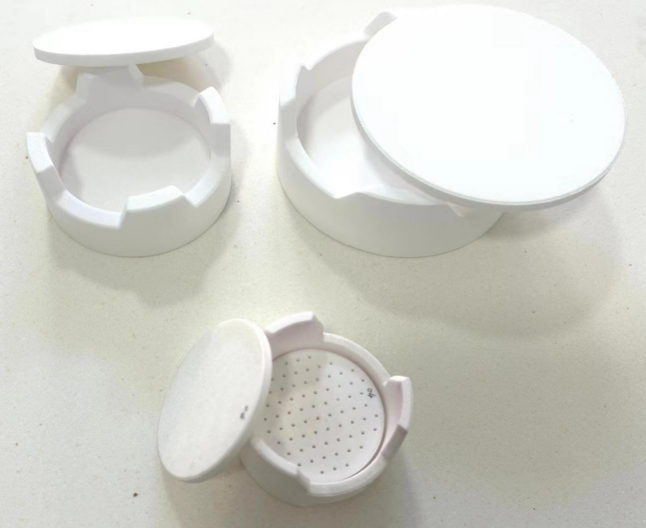
Sintering furnaces elevate aesthetics through several mechanisms:
In Eastern Europe, these advantages address regional needs: shorter wait times in private clinics, high aesthetic demands from tourism, and compliance with EU standards for biocompatibility and performance.
The process begins with intraoral scanning and CAD design, followed by milling from pre-sintered zirconia blocks oversized to account for 20% shrinkage. The milled restoration enters the sintering furnace for densification. Fast protocols use rapid ramps (up to 100°C/min) and short dwells at peak temperature, followed by controlled cooling to avoid cracks.
Precise temperature management (±5°C) is crucial for optical consistency. Vacuum or low-oxygen environments reduce oxidation, preserving translucency. Post-sintering, glazing or polishing finalizes the aesthetic surface.
In Eastern European practices, user-friendly furnaces with programmable cycles suit varying clinic sizes, from Budapest labs to rural Romanian facilities.
While fast sintering occasionally reduces translucency slightly in some materials due to pore effects, advancements in furnace design mitigate this. Ongoing research focuses on AI-optimized cycles for predictable aesthetics.
By 2030, projections suggest 50–60% of Eastern European clinics will adopt full digital workflows with integrated sintering, driven by sustainability (energy-efficient models) and innovations like hybrid glazing-sintering units.
Sintering furnaces are catalyzing the rise of superior dental aesthetics in Eastern Europe by unlocking zirconia's full potential for natural-looking, durable restorations. Through precise processing of high-translucency materials, they enable lifelike crowns and bridges that meet modern patient demands. In Poland, Hungary, Romania, the Czech Republic, and beyond, this technology empowers clinics to deliver efficient, high-quality care, solidifying the region's position in global aesthetic dentistry.

Dry & wet milling for zirconia, PMMA, wax with auto tool changer.
learn more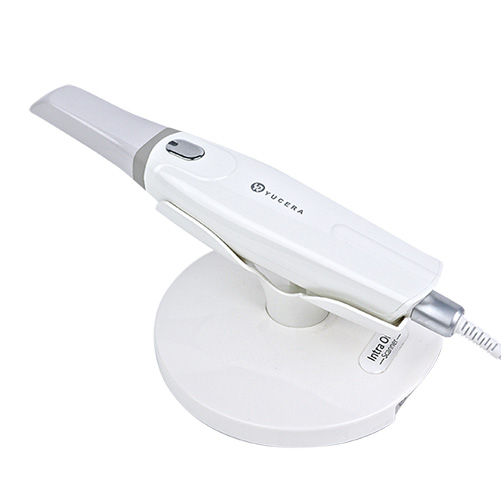
High-precision 3D scanning, AI calibration, full-arch accuracy.
learn more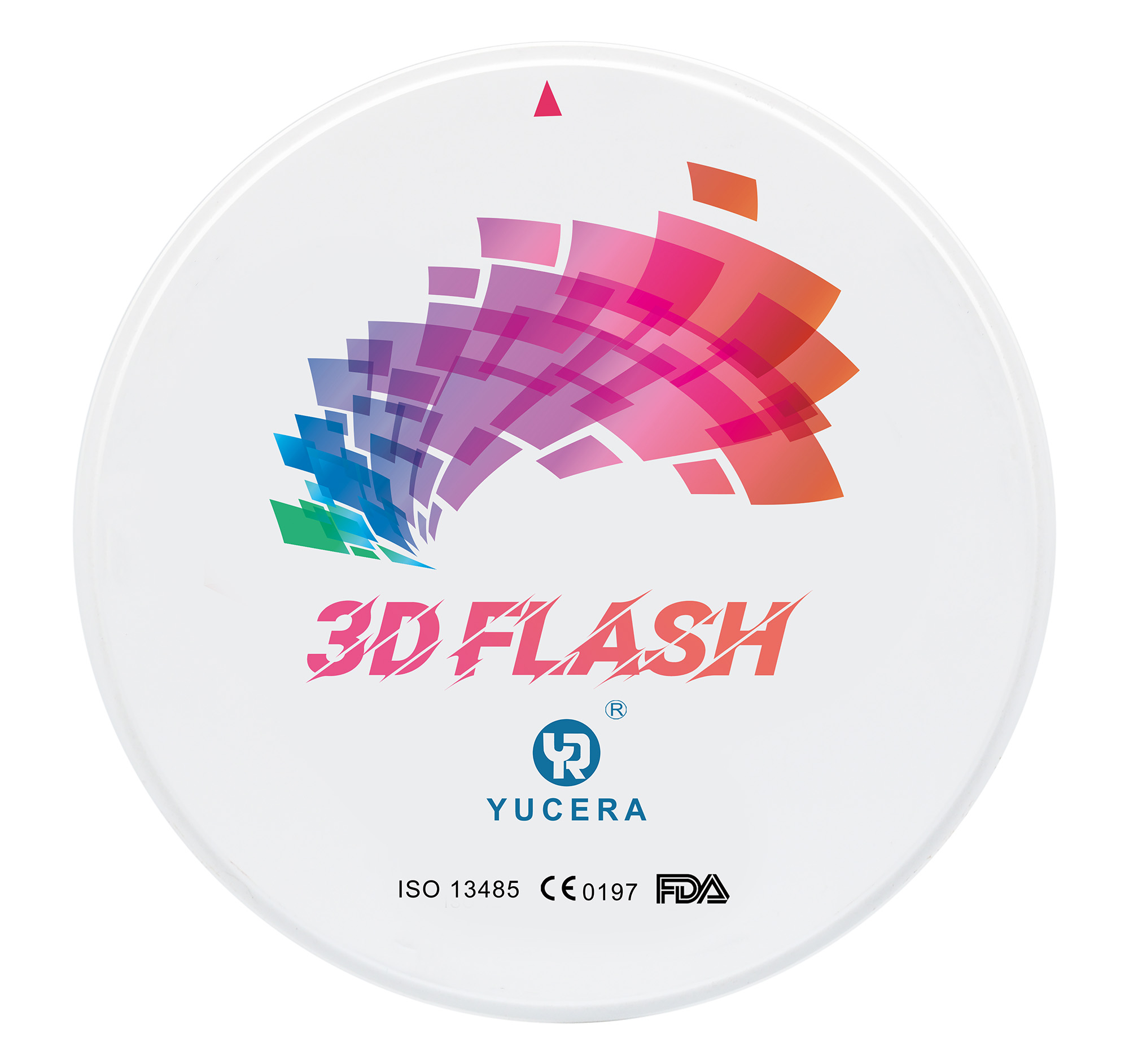
40-min full sintering with 57% incisal translucency and 1050 MPa strength.
learn more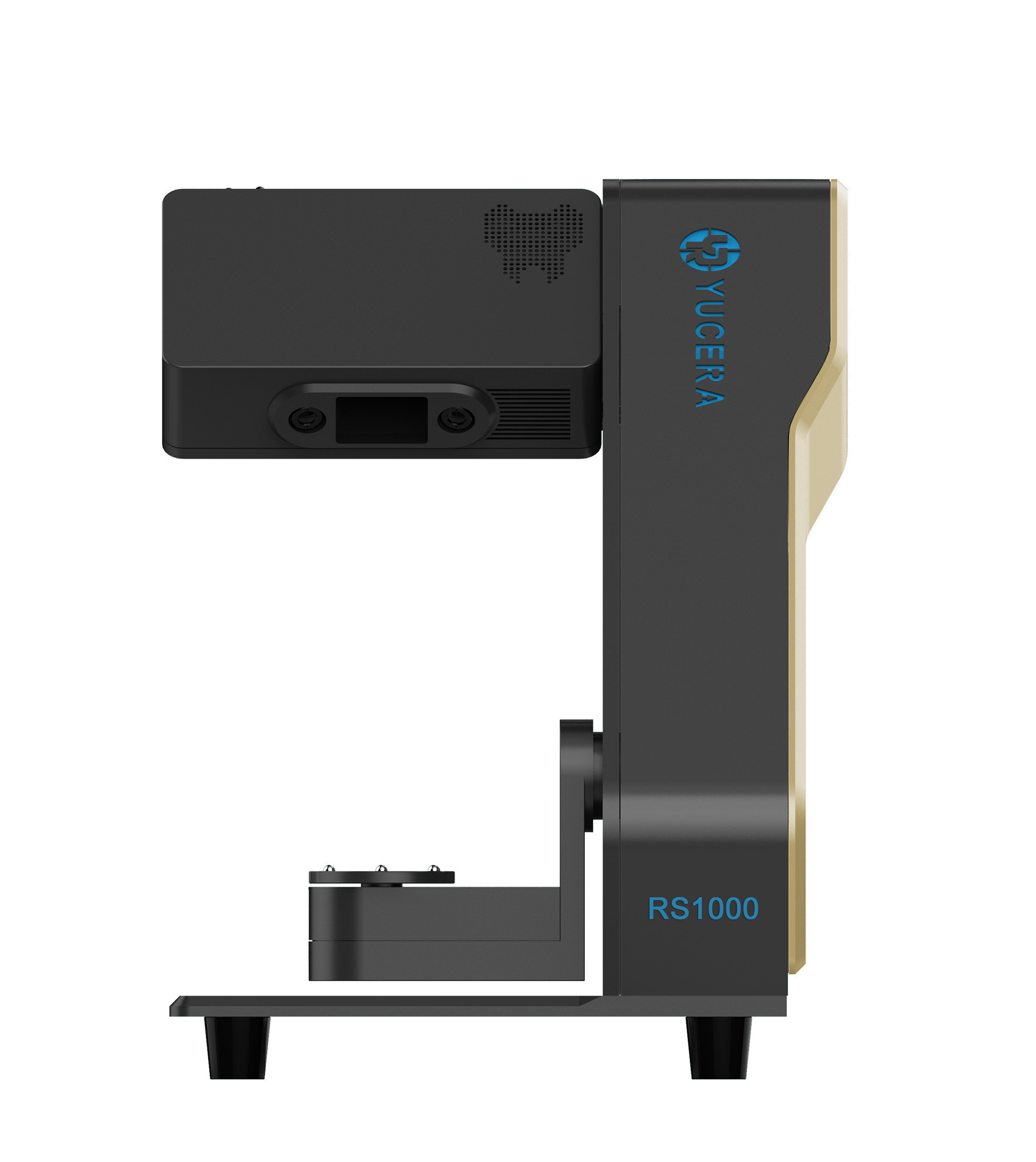
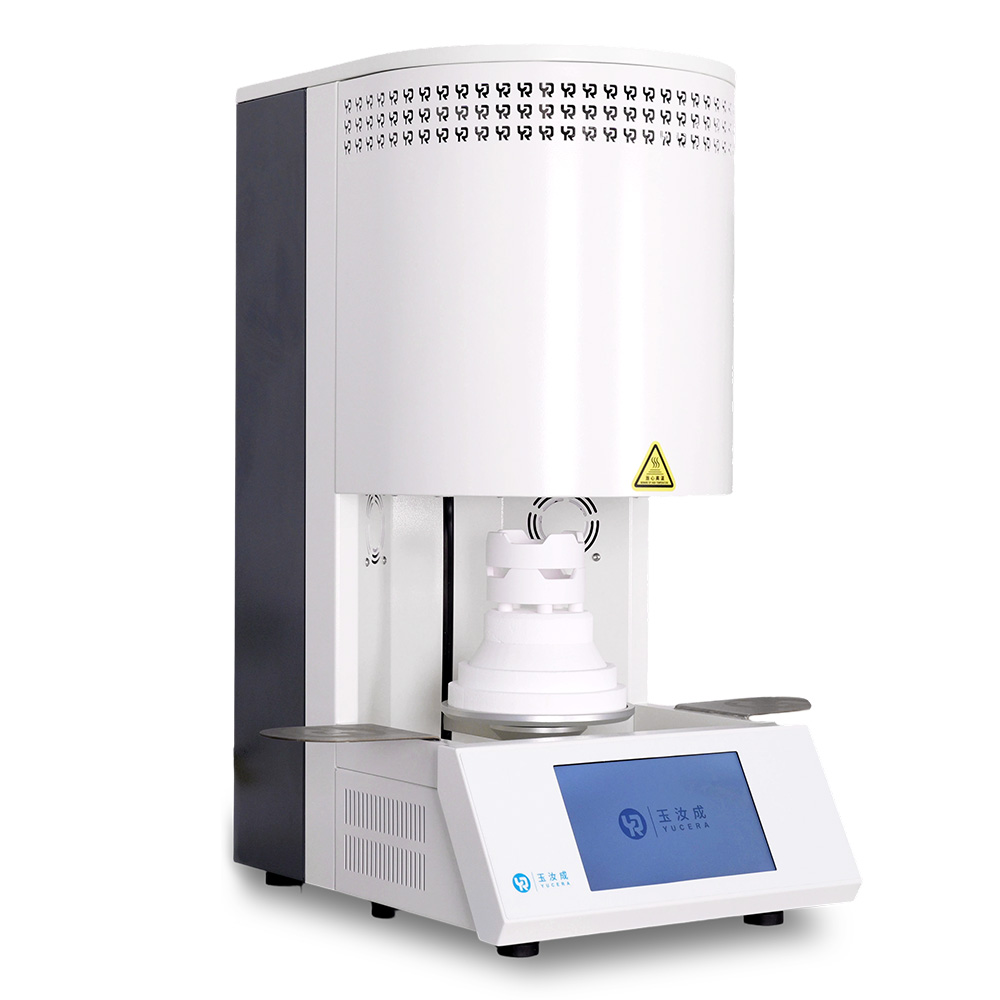
40-min cycle for 60 crowns, dual-layer crucible and 200°C/min heating.
learn more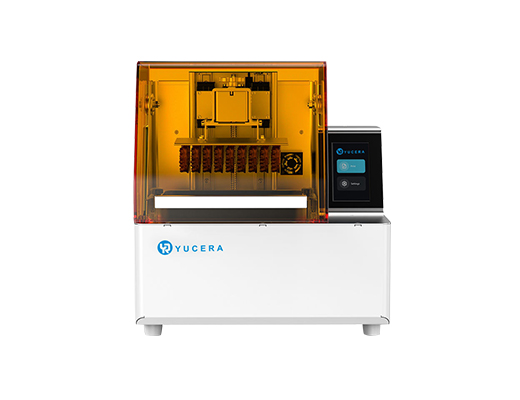
High-speed LCD printer for guides, temporaries, models with 8K resolution.
learn more