中 文
中 文
How to Choose Dental CAD/CAM Equipment: Guide Based on Full Workflow for Clinics and Labs
2025-12-25
2026-01-04
In Brazil's rapidly growing dental market, zirconia-based restorations have become the go-to choice for fixed prosthetics, accounting for over 65% of all fixed restorations as of recent market analyses. With increasing demand for metal-free, durable, and natural-looking solutions, the debate between single-layer (monolithic) zirconia and multilayer (gradient) zirconia has intensified, particularly in aesthetic-focused cases like anterior crowns, veneers, and smile makeovers.
This article examines the key differences, clinical preferences, and market trends in Brazil for 2026, where digital workflows, CAD/CAM adoption, and patient demands for superior aesthetics drive material choices.
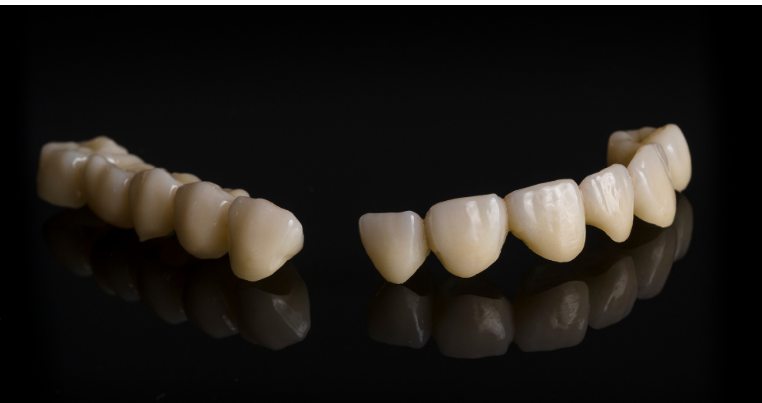
Single-layer (monolithic) zirconia is fabricated from a uniform block of zirconium dioxide. It offers exceptional mechanical properties, with flexural strength often exceeding 900–1200 MPa, making it highly resistant to fracture and ideal for high-load areas. Early versions were more opaque, but advancements in high-translucency formulations have improved optical performance, allowing monolithic restorations to be used more broadly, including in visible zones with staining techniques.
Multilayer (gradient) zirconia, also known as multilayer or gradient zirconia, features built-in variations in translucency, color, and strength across layers within a single disc or block. The incisal edge mimics natural enamel translucency, while the cervical area provides opacity similar to dentin. This gradient closely replicates natural tooth structure without additional porcelain layering, reducing production time while enhancing aesthetics.
Global trends show multilayer zirconia's rise due to improved formulations, but monolithic remains dominant for reliability.
Brazil's dental market emphasizes aesthetics, driven by a growing middle class, cosmetic dentistry boom in urban centers like São Paulo and Rio de Janeiro, and high patient expectations for natural-looking smiles. Zirconia restorations dominate fixed prosthetics, with crowns leading applications (around 55% share in related markets).
In cosmetic restorations, multilayer gradient zirconia has gained significant traction in anterior cases. Its ability to achieve natural gradients without porcelain reduces chipping risks while delivering superior translucency. Brazilian practitioners increasingly favor multilayer for smile designs, veneers, and anterior crowns, where aesthetics outweigh raw strength.
However, single-layer monolithic zirconia retains strong preference in posterior and high-load scenarios. It is the go-to for bruxism-prone patients and long-span bridges, where fracture resistance is critical. Market data indicates a shift toward monolithic in cost-sensitive or durability-focused cases, but multilayer leads in pure aesthetic demand.
The expansion of digital dentistry—scanners, CAD/CAM milling, and 3D printing—supports both, but multilayer benefits most from gradient technology that simplifies digital design. Brazil's market growth aligns with Latin America's overall rise, fueled by awareness of metal-free options and CAD/CAM adoption.
Patient preferences play a key role: Brazilians value natural appearance in visible areas, pushing multilayer adoption in cosmetic clinics. For posterior or functional restorations, monolithic's robustness wins.
In 2026, multilayer gradient zirconia emerges as the favorite for Brazil's aesthetic restoration market, especially anterior crowns, veneers, and smile rehabilitations. Its natural gradient, enhanced translucency, and efficient monolithic production (no extra layering) align perfectly with cosmetic demands.
Monolithic single-layer zirconia holds firm in posterior, functional, and high-strength applications, where durability trumps subtle aesthetics.
Many Brazilian professionals combine both: multilayer for visible zones and monolithic for load-bearing areas. As technology advances, high-translucency multilayer options continue narrowing the gap, making them increasingly versatile.
Brazil's cosmetic dentistry market favors multilayer gradient zirconia for aesthetic excellence in 2026, while single-layer monolithic remains unbeatable for strength and reliability. The choice depends on case specifics—location, patient habits, and priorities.
As zirconia evolves, both types support Brazil's digital transformation, delivering biocompatible, durable, and beautiful results. Dentists adopting the right material enhance patient satisfaction and practice growth in this dynamic market.

Dry & wet milling for zirconia, PMMA, wax with auto tool changer.
learn more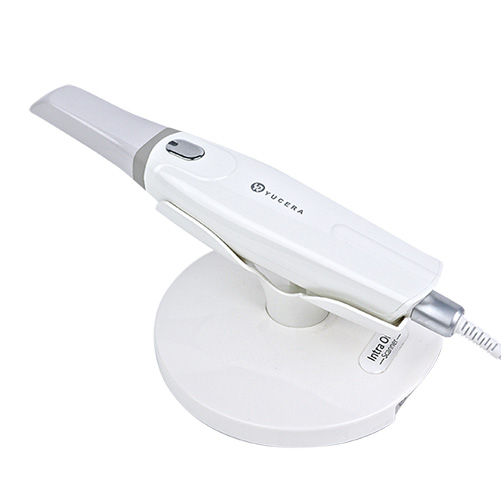
High-precision 3D scanning, AI calibration, full-arch accuracy.
learn more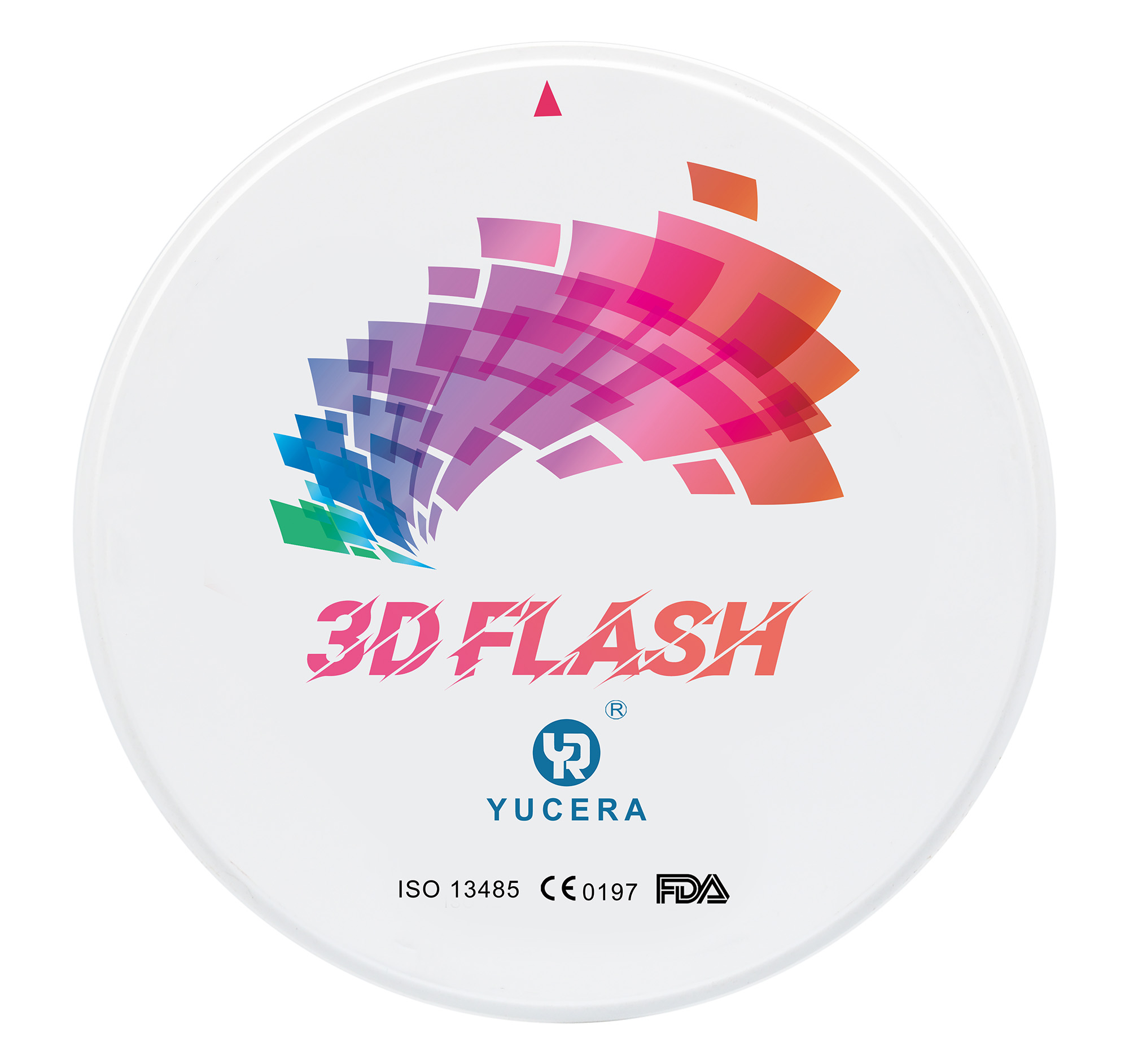
40-min full sintering with 57% incisal translucency and 1050 MPa strength.
learn more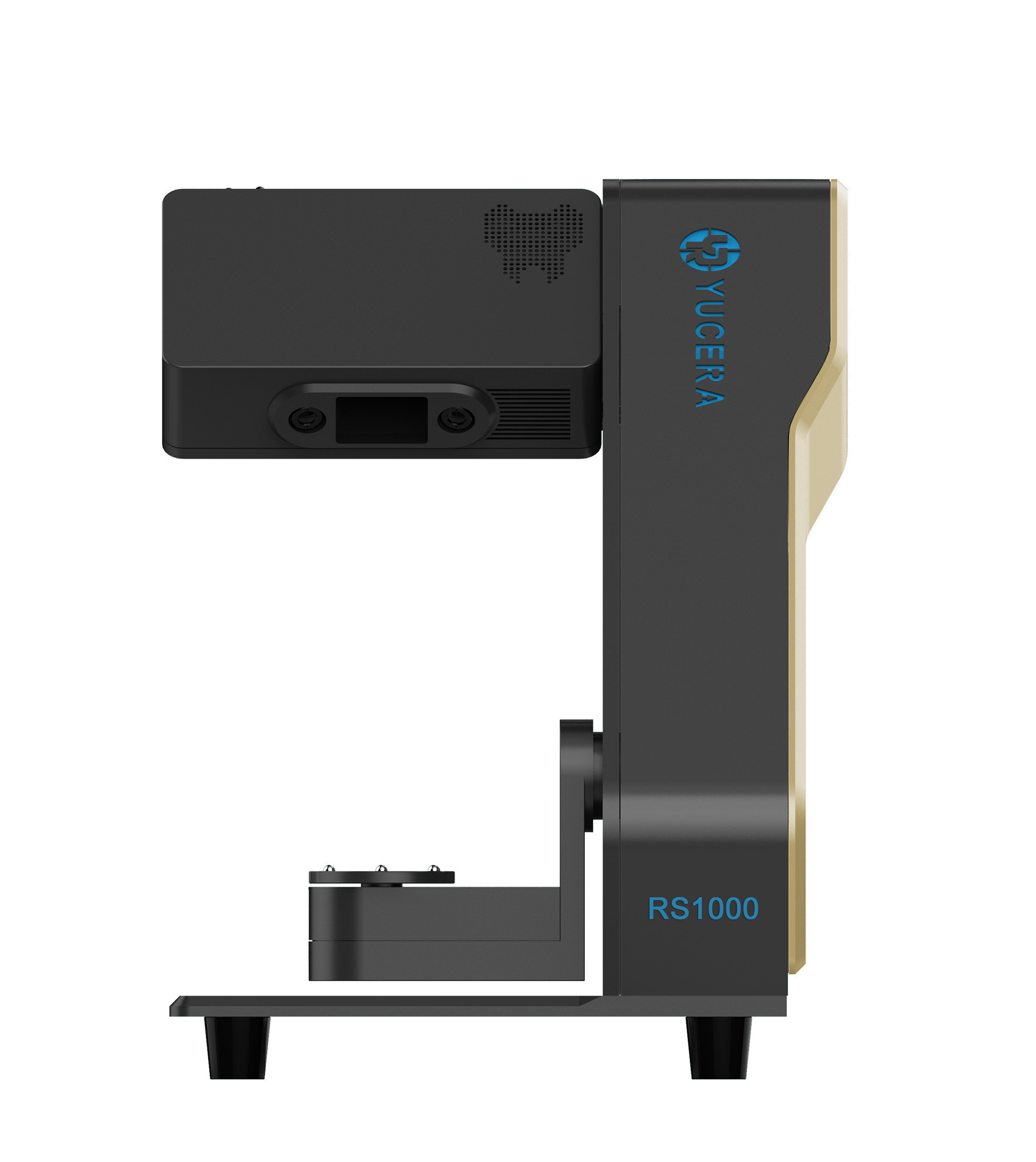
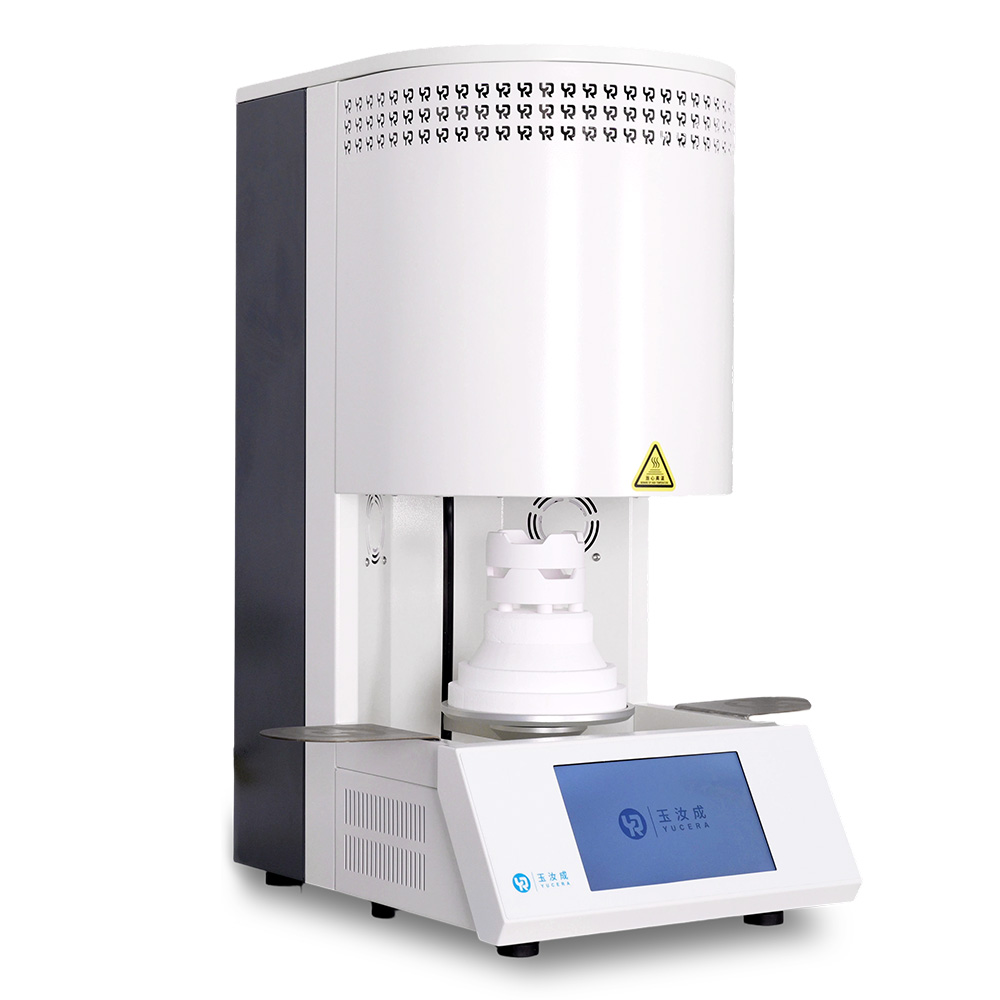
40-min cycle for 60 crowns, dual-layer crucible and 200°C/min heating.
learn more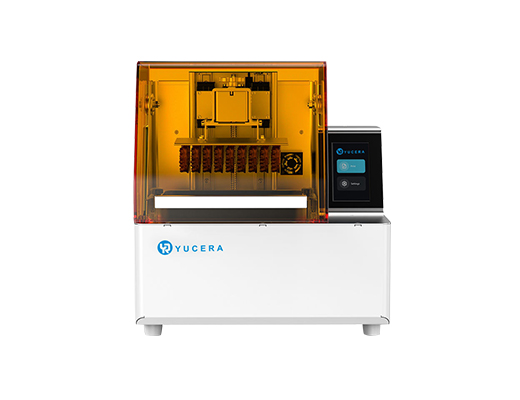
High-speed LCD printer for guides, temporaries, models with 8K resolution.
learn more