中 文
中 文

What are the market trends for dental carving and milling machines
2024-12-01
2026-04-24
Veneers are among the most delicate cosmetic dental restorations, requiring micron-level precision to ensure a perfect fit and aesthetic quality. Dental laboratories face challenges in milling these ultra-thin restorations, especially when working with hard zirconia, softer PMMA, or composite resins with varying properties. Minor deviations in tool movement or machine stability can result in margin errors, surface imperfections, or misfit restorations.
Stable 5-axis dental milling machines address these challenges, offering consistent high-precision milling while supporting multi-material workflows. This article provides a technical analysis of these systems and explains how they enhance lab performance.
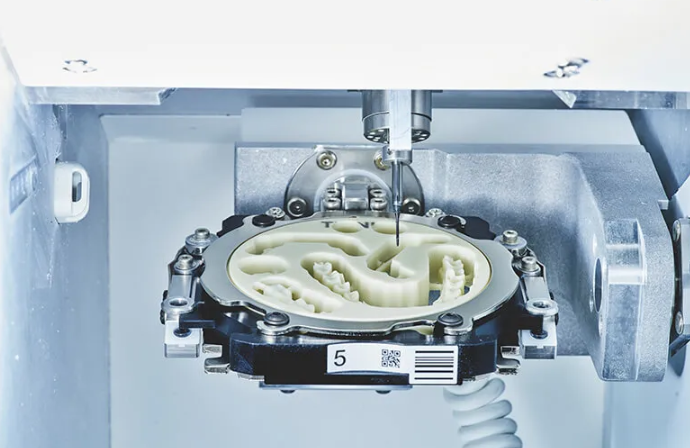
Different materials behave differently during milling:
Veneers are extremely thin, often 0.3–0.7 mm at margins, with complex occlusal and surface contours. Maintaining dimensional accuracy requires micron-level precision and stability in machine operation.
Traditional machines often require manual tool changes or separate setups for different materials. Each interruption slows down production and increases the risk of errors.
The five-axis design enables tools to move along multiple axes simultaneously, replicating the curved surfaces and thin margins of veneers. This ensures uniform milling even for complex geometries.
Modern systems provide positioning accuracy within 0.008 mm and repeatability around 0.005 mm, ensuring consistent veneer thickness and smooth surfaces. Micron-level control minimizes rework and enhances patient outcomes.
Automatic tool magazines allow uninterrupted milling of multiple restorations or materials, reducing downtime and operator intervention. A typical 10-slot magazine supports various burs needed for different veneer shapes and materials.
High-precision 5-axis mills handle zirconia, PMMA, wax, and composite resins. Labs can process different veneers sequentially or simultaneously without reconfiguring the machine, improving efficiency.
Machines with a footprint around 53 × 65 × 75 cm and weight approximately 102 kg offer minimal vibration and structural stability. This design ensures dimensional consistency and surface finish quality during long milling cycles.
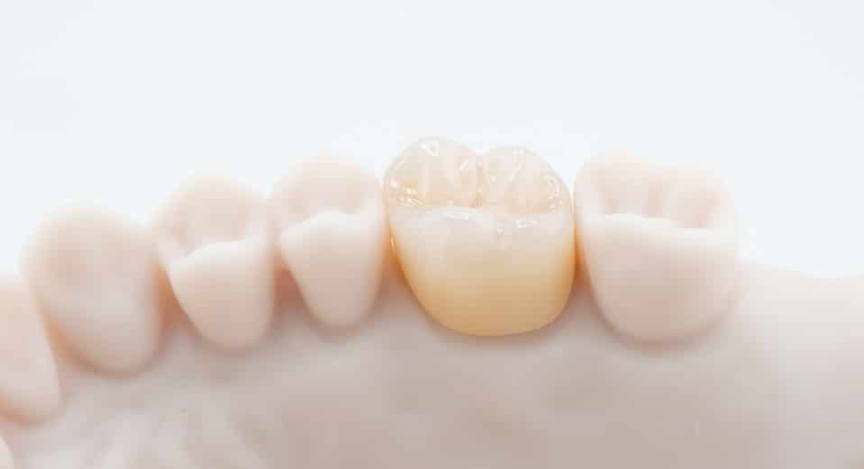
Digital designs from CAD software can be transferred directly to the milling machine. Preloaded material-specific milling parameters optimize tool paths, spindle speed, and feed rate, reducing manual errors and ensuring precision.
Multi-part setups and automated tool changes allow labs to produce several veneers in a single session, maximizing throughput while maintaining high quality.
Saving optimized parameters for each material ensures consistent results across multiple batches and types of veneers. This reduces variability and enhances lab efficiency.
Post-milling inspection ensures each veneer meets dimensional, aesthetic, and surface standards. Stable 5-axis systems minimize the need for adjustments, saving labor and materials.
A dental lab producing 120 veneers per week implemented a stable 5-axis milling workflow:
Result: High consistency, reduced rework, and improved lab throughput.
Investing in stable 5-axis milling machines enables dental laboratories to meet increasing cosmetic dentistry demands. Multi-material capability, high precision, and workflow automation allow labs to maintain competitiveness and consistently deliver high-quality veneers.

Dry & wet milling for zirconia, PMMA, wax with auto tool changer.
learn more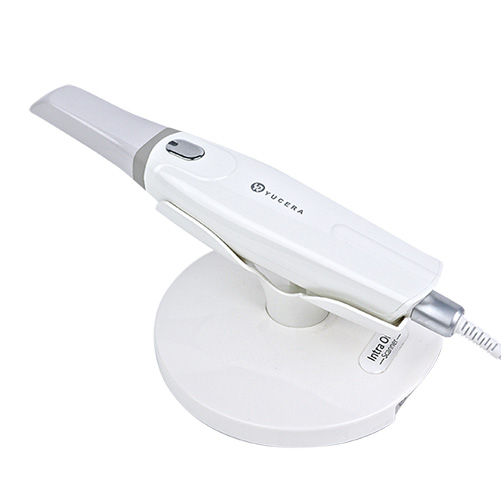
High-precision 3D scanning, AI calibration, full-arch accuracy.
learn more
40-min full sintering with 57% incisal translucency and 1050 MPa strength.
learn more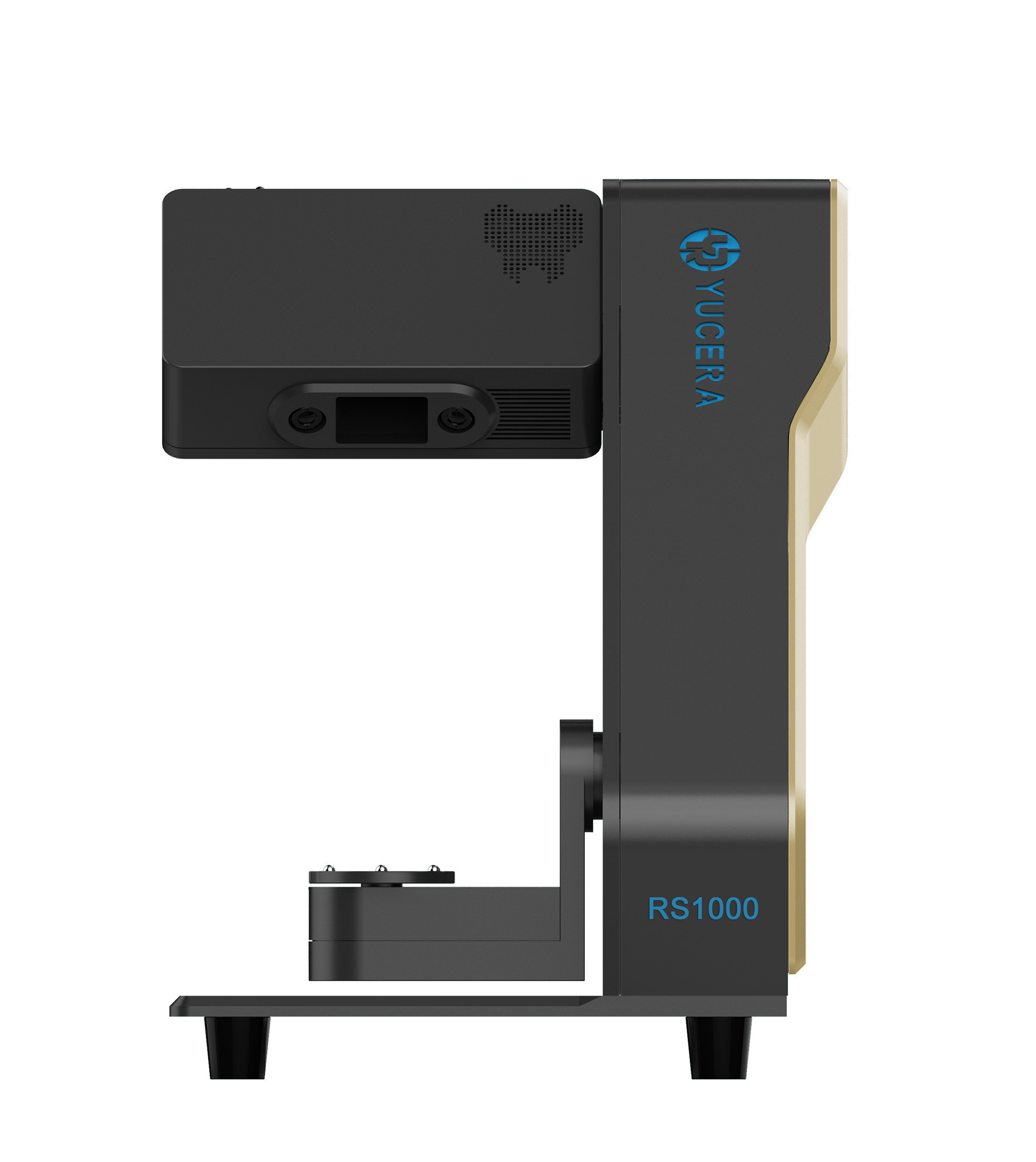
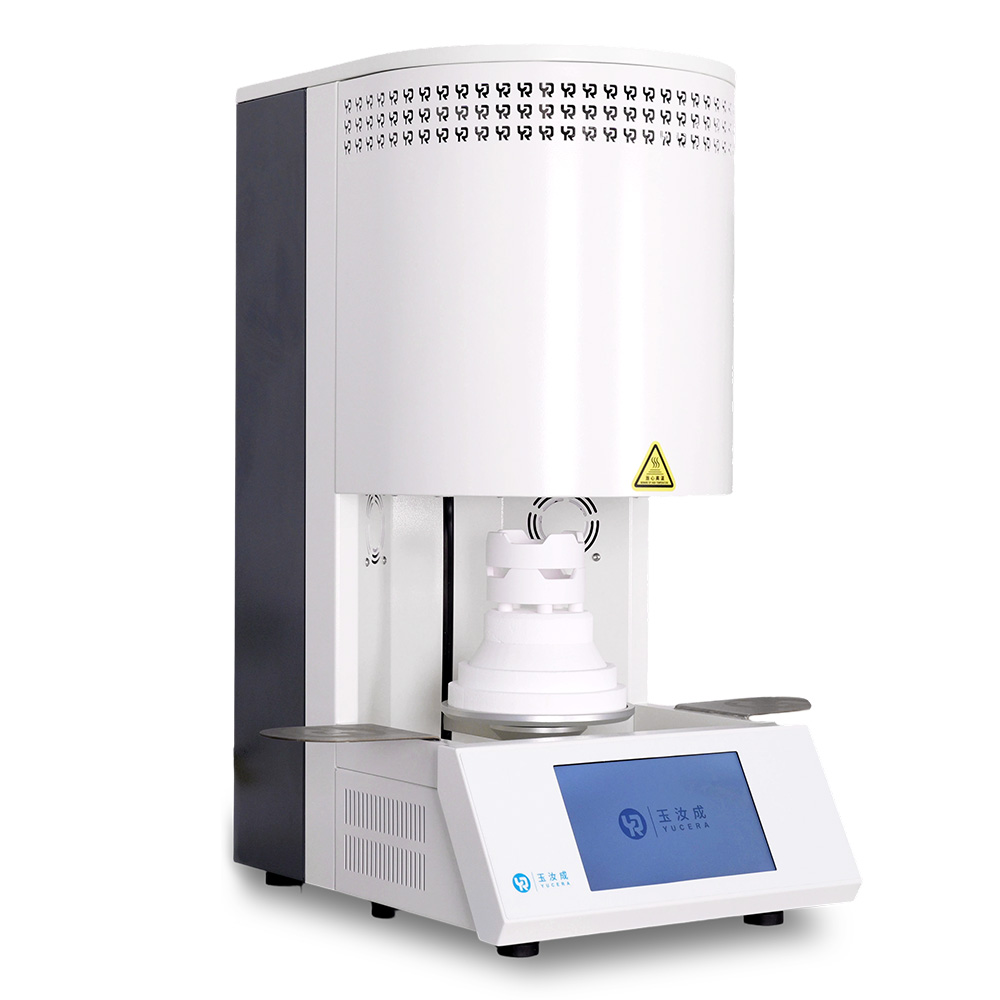
40-min cycle for 60 crowns, dual-layer crucible and 200°C/min heating.
learn more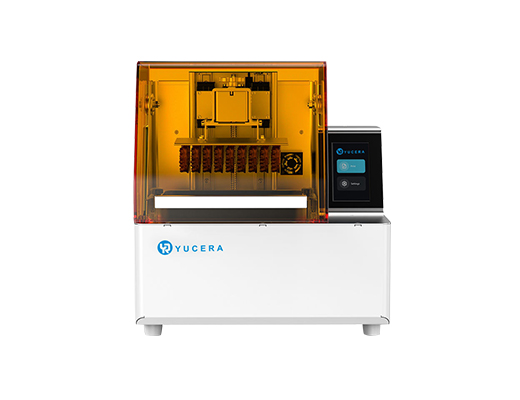
High-speed LCD printer for guides, temporaries, models with 8K resolution.
learn more