


 中 文
中 文
How to Optimize CAD/CAM Workflows to Reduce Chairside Time for South American Dentists 2026 – Brazil, Argentina, Chile
2026-02-22
2025-11-28
Optimizing sintering furnace temperatures is critical for achieving desired zirconia strength and translucency while minimizing defects in dental restorations. Zirconia sintering at 1450–1560°C densifies pre-milled structures to 99%+ density, yielding flexural strengths of 700–1200 MPa depending on yttria content (3Y to 5Y variants). Common mistakes, such as excessive ramp rates (>50°C/min), lead to 2–5% cracking rates, per 2024 studies. This guide details temperature protocols, energy metrics, and avoidance strategies based on manufacturer specs and clinical data, focusing on fast cycles (90 minutes) and uniform heating to ensure <1% defects.
Sintering involves three phases: heating (ramp 10–50°C/min to 1450–1560°C), holding (2–10 hours at peak), and cooling (controlled <200°C/min to room temperature). For 3Y-TZP zirconia, peak at 1450°C yields 1200 MPa strength; 5Y variants at 1500–1560°C achieve 700–900 MPa with 40–57% translucency. A 2024 Coatings journal analysis confirms that holding times >4 hours at 1500°C reduce porosity to <1%, enhancing fracture toughness to 3–3.5 MPa√m.
Fast protocols (e.g., 90-minute cycles) use high-purity silicon carbide elements for uniform distribution, avoiding hot spots (±1–2°C variance). The YRC-F10+ furnace supports 24 programs, with fast mode ramping at 40°C/min to 1560°C, holding 30 minutes, and cooling via auto-vent for <1% cracking.
| Protocol Phase | Standard Temp/Rate | Fast Cycle (YRC-F10+) | Strength Outcome (MPa) |
|---|---|---|---|
| Heating Ramp | 10–20°C/min to 1450°C | 40°C/min to 1560°C | 1000–1200 (3Y-TZP) |
| Holding Time | 2–10 hours | 30–60 minutes | 700–900 (5Y, 40% translucency) |
| Cooling Rate | <10°C/min to 800°C | Auto-vent <200°C/min | <1% distortion |
| Peak Variance | ±2–5°C | ±1°C (PID control) | Uniform density 99%+ |
These align with ISO 13356 for ceramics, where <5% phase transformation ensures long-term stability.
Mistake 1: Overly Rapid Ramps (>50°C/min) – Causes thermal shock, increasing microcracks by 3–5% and reducing strength 10–15% below 1000 MPa. Solution: Limit to 40°C/min; YRC HS007's sandwich insulation maintains even gradients.
Mistake 2: Inadequate Holding Time (<2 hours) – Leads to incomplete densification (porosity >2%), dropping toughness to <2.5 MPa√m. Fast furnaces like YRC-F10+ compensate with precise PID (±1°C), achieving 99% density in 30 minutes.
Mistake 3: Uneven Chamber Heating – Hot spots cause 2–4% color variation and 5–10% strength inconsistency. Circular or triangular chambers (e.g., YRC HS007) distribute heat uniformly, per 2024 efficiency benchmarks.
Mistake 4: Improper Cooling (>200°C/min) – Induces residual stresses, raising fracture risk 15–20%. Auto-cooling programs in modern furnaces drop to 200°C in 2 hours, preserving 1100+ MPa.
| Mistake | Impact on Strength | Prevention Strategy | Defect Reduction |
|---|---|---|---|
| Rapid Ramp (>50°C/min) | 10–15% MPa loss | 40°C/min limit | 3–5% cracking cut |
| Short Hold (<2 hours) | Porosity >2% | PID ±1°C, 30-min fast hold | <1% porosity |
| Uneven Heating | 5–10% inconsistency | Circular chamber design | 2–4% color uniformity |
| Fast Cooling (>200°C/min) | 15–20% fracture risk | Auto-vent to 200°C/2 hours | 95% stress-free |
Data from 2024 lab tests show these fixes yield 98% first-pass restorations.
Furnaces consume 1.5–2.5 kW, with fast cycles using 2–2.3 kWh vs. 8–10 kWh for standard. YRC-F10+'s ≤2 kW rating and 81% energy savings (via insulation) lower costs $200–500/year for 500 cycles. WiFi monitoring optimizes loads, reducing idle power 20–30%.
| Efficiency Metric | Standard Furnace | Optimized (YRC-F10+) | Annual Savings |
|---|---|---|---|
| Power Rating | 2.5–3 kW | ≤2 kW | 20–30% per cycle |
| Energy per Fast Cycle | 3–5 kWh | 2–2.3 kWh | $200–500 (500 cycles) |
| Insulation Type | Basic ceramic | Sandwich thermal | 81% overall reduction |
| Monitoring | Manual | WiFi real-time | 20% idle power cut |
Pair sintering with 5-axis mills (e.g., YRC-9PRO at 60,000 RPM) for pre-sintered zirconia, ensuring <10 μm marginal fit post-cycle. Software like hyperDENT exports G-code with temperature-aware nesting, reducing waste 18%. For YRC HS007, 24 programs auto-adjust for 3Y/5Y, achieving 700–1200 MPa in 90 minutes.
Furnaces range $2,000–3,000; ROI in 6–12 months via <1% defects ($500–1,000 savings/remakes). Maintenance: Elements $200–300/2 years.
2024 trends favor AI-monitored ramps (15% energy cut). Avoid mistakes with PID furnaces; download YRC-F10+ protocol PDF below for curves and checklists.

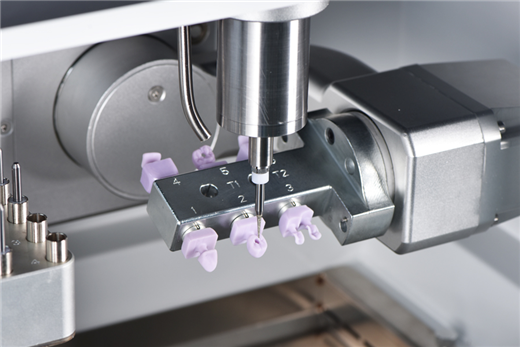
Dry & wet milling for zirconia, PMMA, wax with auto tool changer.
learn more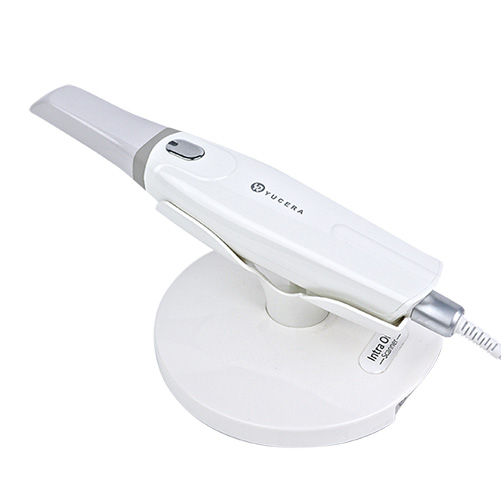
High-precision 3D scanning, AI calibration, full-arch accuracy.
learn more
40-min full sintering with 57% incisal translucency and 1050 MPa strength.
learn more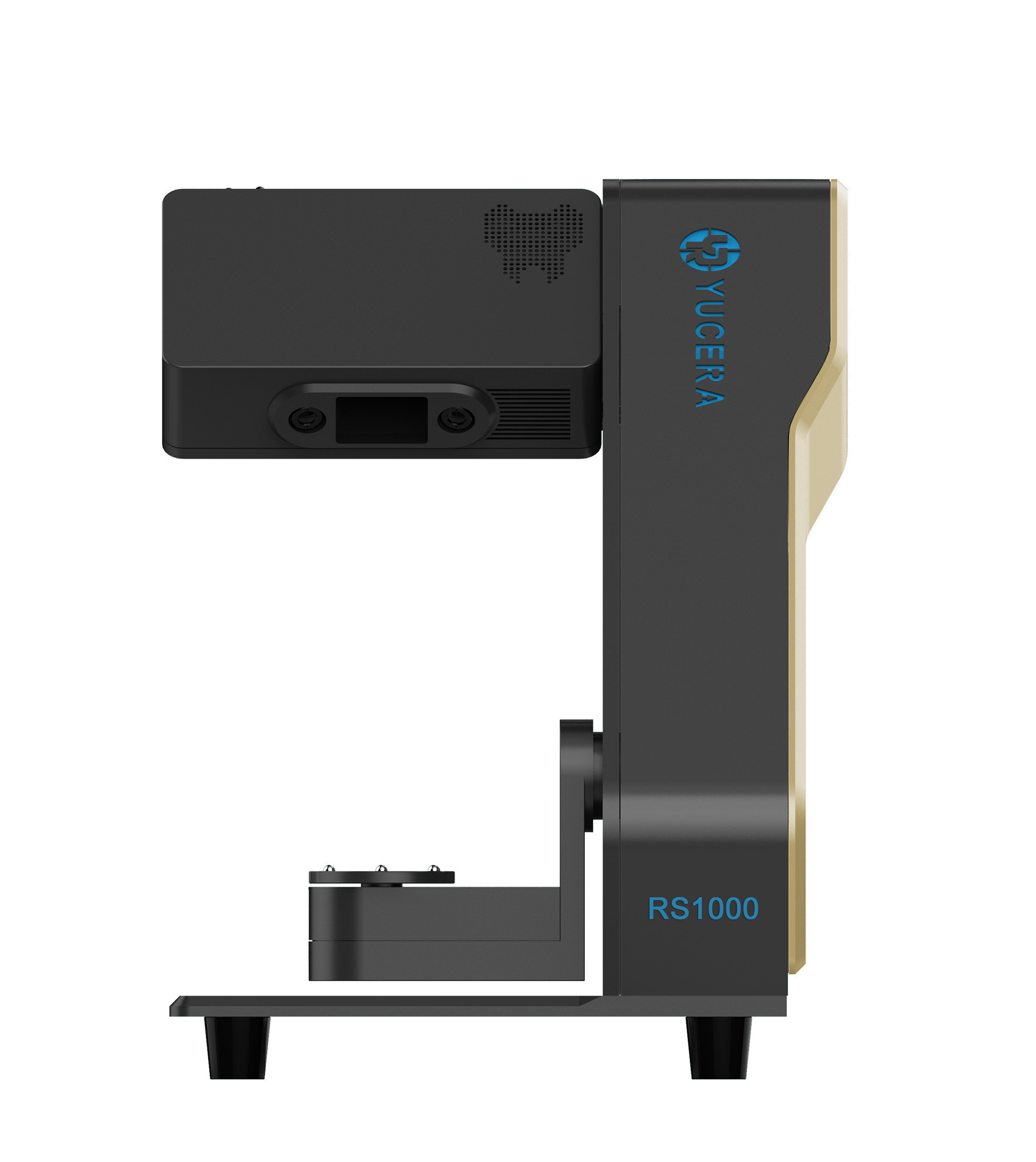
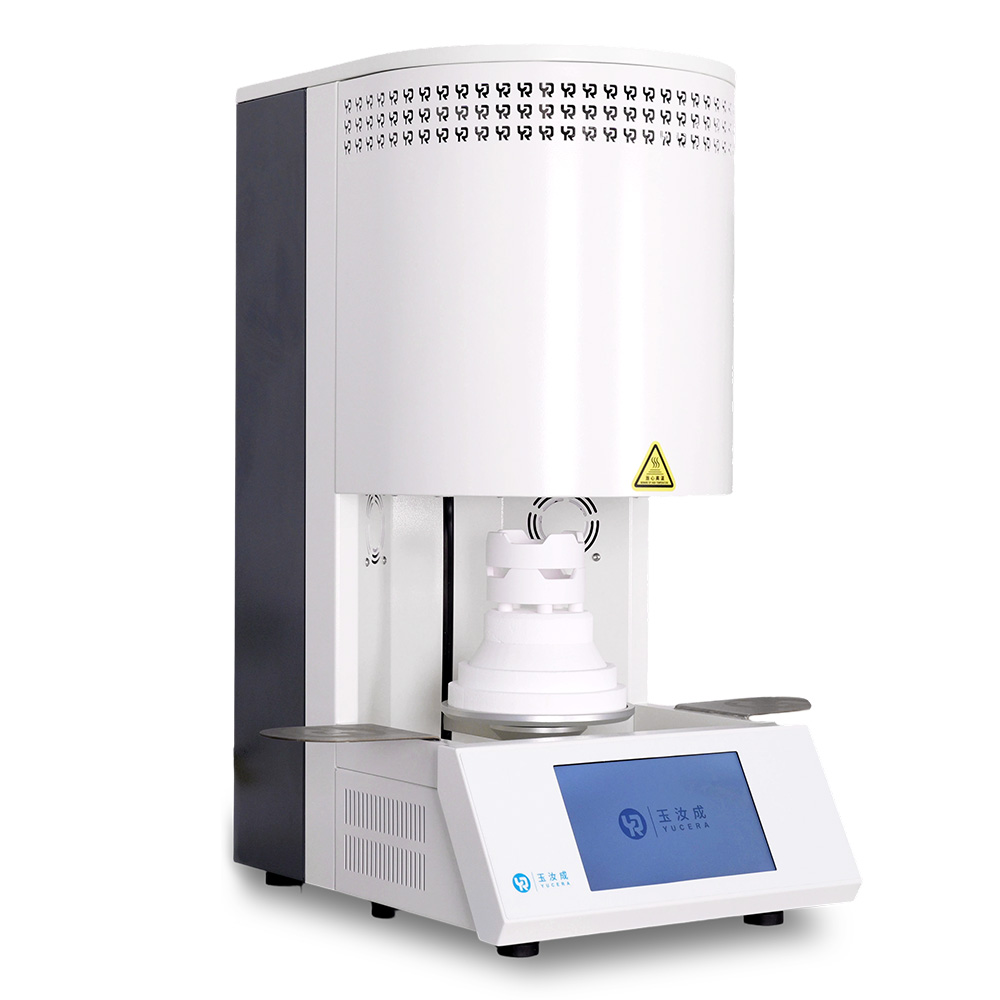
40-min cycle for 60 crowns, dual-layer crucible and 200°C/min heating.
learn more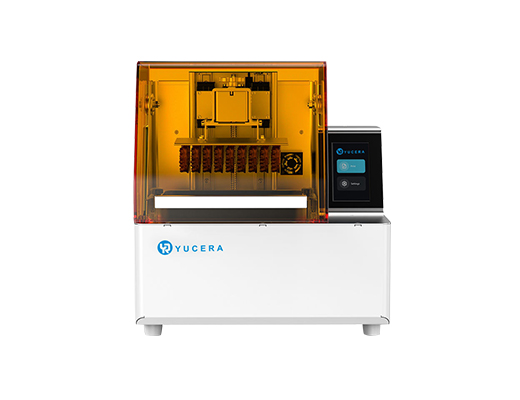
High-speed LCD printer for guides, temporaries, models with 8K resolution.
learn more


2026-02-22

2024-11-07
2025-12-02


