Intraoral Scanning + CAD/CAM 2026: Zero Wax-Up Digital Workflow for Zirconia Restorations – Scan to Delivery in One Visit

2026-03-30


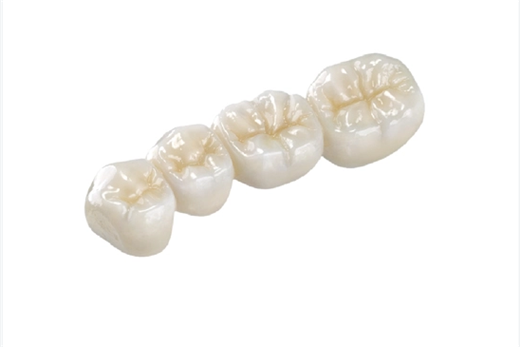
In 2026, the full digital workflow—powered by high-precision intraoral scanning and CAD/CAM technology—has revolutionized zirconia restorations. The zero wax-up process eliminates traditional physical models, wax patterns, and casting, delivering monolithic zirconia crowns directly from digital scan to milled and sintered restoration. This approach offers superior accuracy, dramatically reduced chair time, enhanced patient comfort, and predictable esthetics with survival rates exceeding 98%. This evidence-based guide details the streamlined protocol, clinical data, and best practices for single-tooth and short-span zirconia restorations.

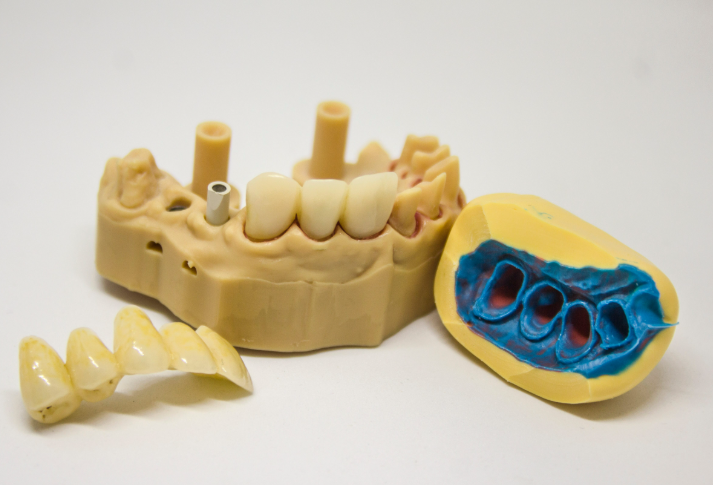
The shift to complete digital dentistry addresses longstanding limitations of analog techniques: distortion in impressions, multiple appointments, and material waste. Modern intraoral scanners capture full-arch data with trueness and precision rivaling or surpassing conventional methods, feeding seamless CAD design and chairside or lab milling of high-strength zirconia.
Step-by-Step Zero Wax-Up Digital Workflow

The entire process—from preparation to final delivery—can often be completed in one or two visits, with same-day milling options available.
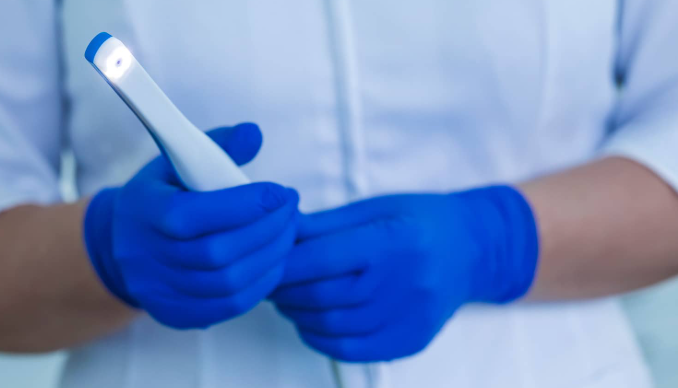
  1. Tooth Preparation & Intraoral Scanning Minimal-prep guidelines for zirconia (1.0–1.5 mm occlusal reduction, 0.5–1.0 mm axial) ensure adequate material thickness. An intraoral scanner records the prepared tooth, opposing arch, and bite in under 2 minutes. Advanced stitching algorithms produce a high-resolution STL file with marginal gaps typically under 50 μm—superior to conventional polyvinyl siloxane impressions (digital marginal gap: 45.8 ± 6.7 μm vs conventional: 61.3 ± 7.5 μm).
  2. CAD Design (Digital “Zero Wax-Up”) CAD software imports the scan and automatically proposes the crown anatomy using virtual libraries. Clinicians fine-tune occlusion, contacts, and emergence profile in minutes—no physical wax-up required. AI-assisted tools optimize anatomy for monolithic zirconia, balancing strength (900–1200 MPa) with high-translucency esthetics. Design validation against the digital model ensures passive fit before milling.
  3. CAM Milling & Sintering The design exports to a 5-axis mill that fabricates the pre-sintered zirconia block in 10–20 minutes (chairside) or lab. Post-milling, the crown is sintered at ~1500°C for full densification, achieving final strength and shade. Monolithic design eliminates veneering chipping risks.
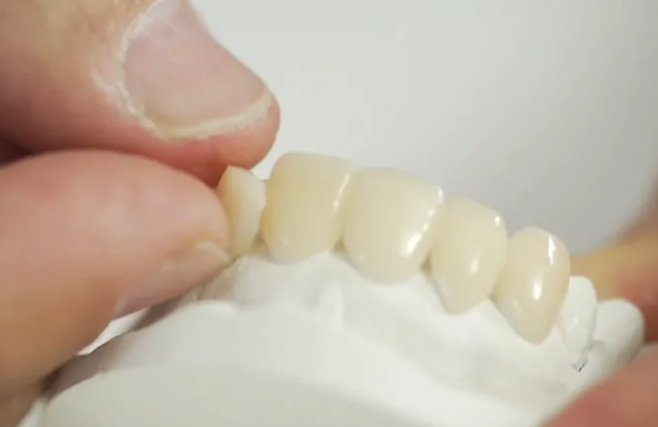
  4. Try-In, Adjustment & Delivery The sintered crown seats with minimal or zero adjustment in 93% of cases when using a fully digital protocol. Cementation uses resin-modified glass ionomer or self-adhesive resin. Final polishing or glazing enhances esthetics and wear resistance.

Clinical Accuracy, Performance & Survival Data (2025–2026 Evidence)

Recent meta-analyses and in-vitro/in-vivo studies confirm the reliability of the zero wax-up digital pathway:

  • Accuracy & Fit: Digital impressions achieve clinically acceptable marginal and internal gaps (43–85 μm), often outperforming conventional techniques. Passive fit for multi-unit restorations remains within 60–150 μm tolerance.
  • Survival Rates: Monolithic zirconia crowns fabricated via complete digital workflow demonstrate 98.5% success at 1 year with zero fractures in prospective cohorts. Longer-term data show sustained performance up to 7 years for single crowns.
  • Biological Outcomes: Comparable or lower marginal bone loss and peri-implant complications when used on implants; excellent soft-tissue response due to polished zirconia surfaces.
  • Patient-Reported Outcomes: Digital workflows score higher in comfort and satisfaction (trend MD +13.98 on PROMs scales), with reduced gag reflex and no impression material taste.

Subgroup analysis confirms superior results in posterior and anterior esthetic zones when high-translucency zirconia blocks are selected.

Advantages of the 2026 Full Digital Zirconia Workflow

  • Efficiency: One-visit crowns possible; lab turnaround reduced by 50–70%.
  • Precision & Predictability: Eliminates analog distortions; repeatable designs with AI support.
  • Esthetics & Durability: Monolithic high-translucency zirconia mimics natural dentition while resisting fracture under 500 N loads.
  • Sustainability: Less material waste and fewer physical models.
  • Patient-Centered: Shorter appointments, immediate feedback via digital mock-ups.

Case Selection & Best Practices for Optimal Outcomes

Ideal Indications:

  • Single posterior crowns or premolars requiring strength and efficiency.
  • Anterior restorations with high-translucency zirconia for esthetics.
  • Implant-supported single units (scan bodies ensure precise transfer).

Contraindications & Tips:

  • Deep subgingival margins (consider hybrid scan + retraction cord).
  • Severe bruxism (opt for higher-opacity zirconia or add occlusal guards).
  • Ensure scanner calibration and proper soft-tissue management for full-arch accuracy.

Digital occlusal analysis and facial scanning integration further enhance anterior results. Train staff on scan paths and software to maximize trueness in posterior regions.
Emerging Trends in 2026

Faster chairside mills, AI-driven automatic design, and bioactive zirconia surfaces promise even shorter workflows and improved integration. Hybrid two-piece options for implants expand indications while maintaining the zero wax-up core.

Conclusion

The 2026 intraoral scanning + CAD/CAM zero wax-up workflow has made monolithic zirconia restorations faster, more accurate, and more patient-friendly than ever. With proven marginal fit under 50 μm, time savings, and survival rates above 98%, this fully digital process sets the new standard for predictable, esthetic single-tooth dentistry. By adopting these protocols—precise scanning, intelligent CAD design, and efficient milling—clinicians deliver superior outcomes while future-proofing their practice.


Featured products

8PRO All-in-One Milling Machine

Dry & wet milling for zirconia, PMMA, wax with auto tool changer.

learn more
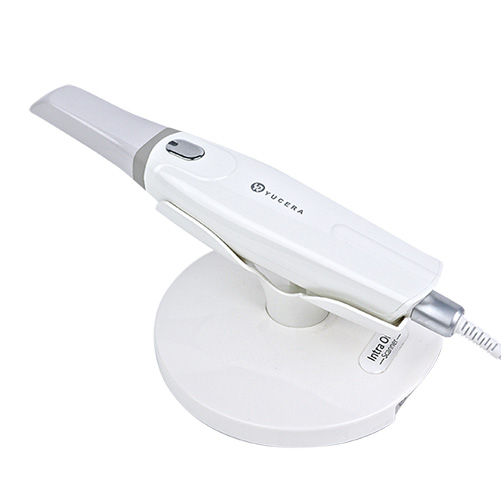
YRC-S03 Intraoral Scanner

High-precision 3D scanning, AI calibration, full-arch accuracy.

learn more
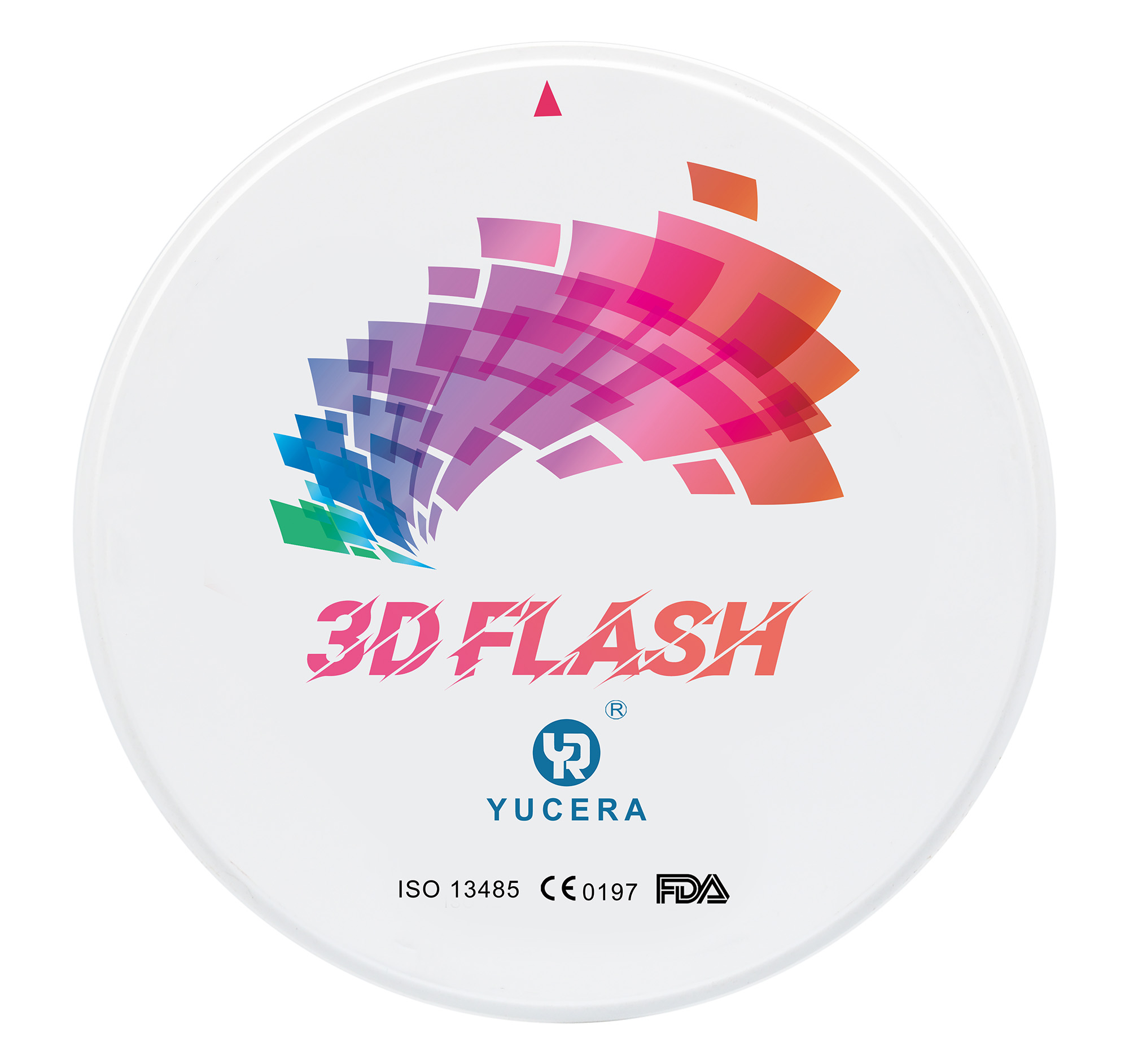
3D Flash Zirconia Block

40-min full sintering with 57% incisal translucency and 1050 MPa strength.

learn more
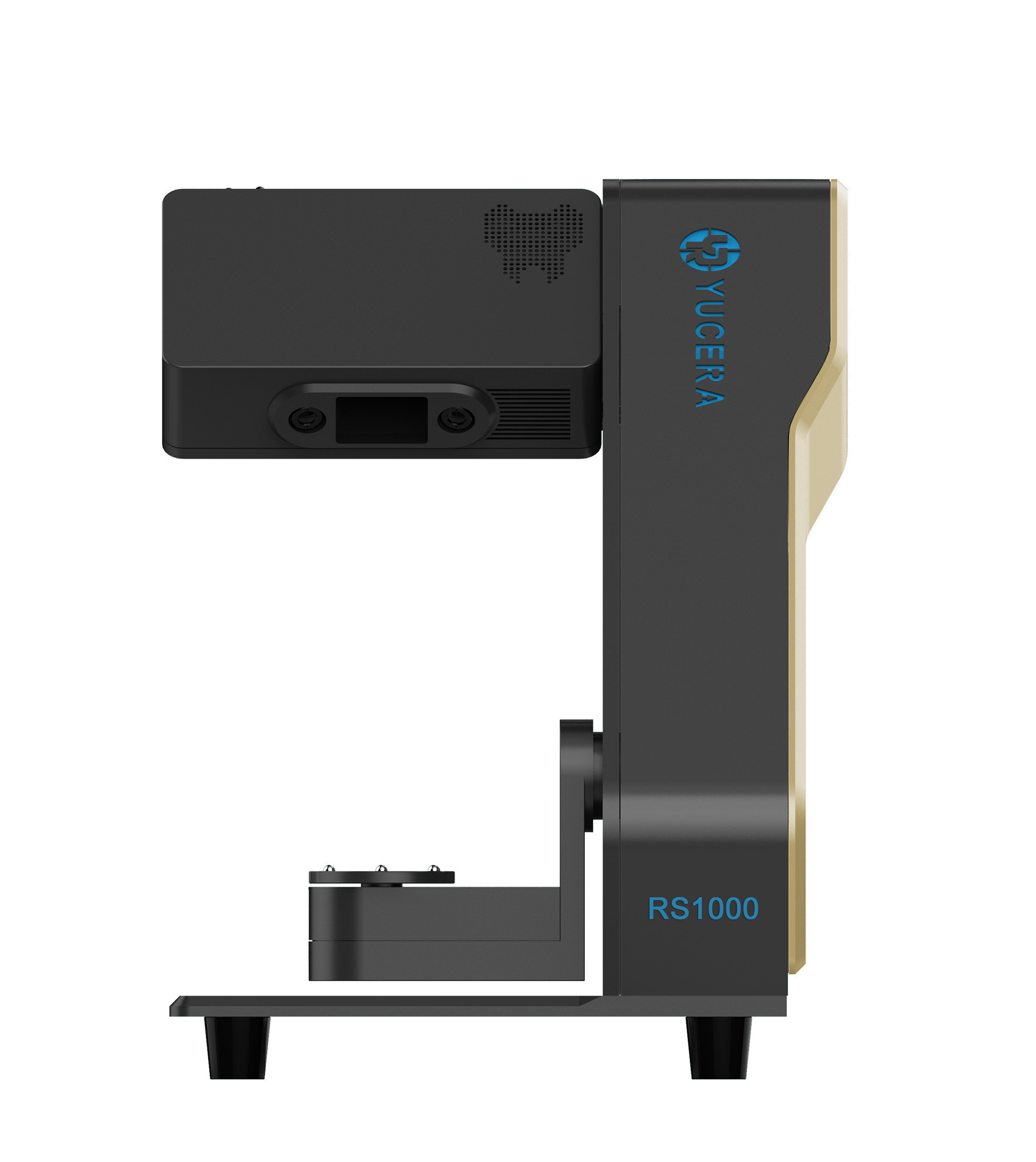
RS1000 Dental Lab Scanner

Ultra-fast 5-micron accuracy scanner with open STL export.

learn more

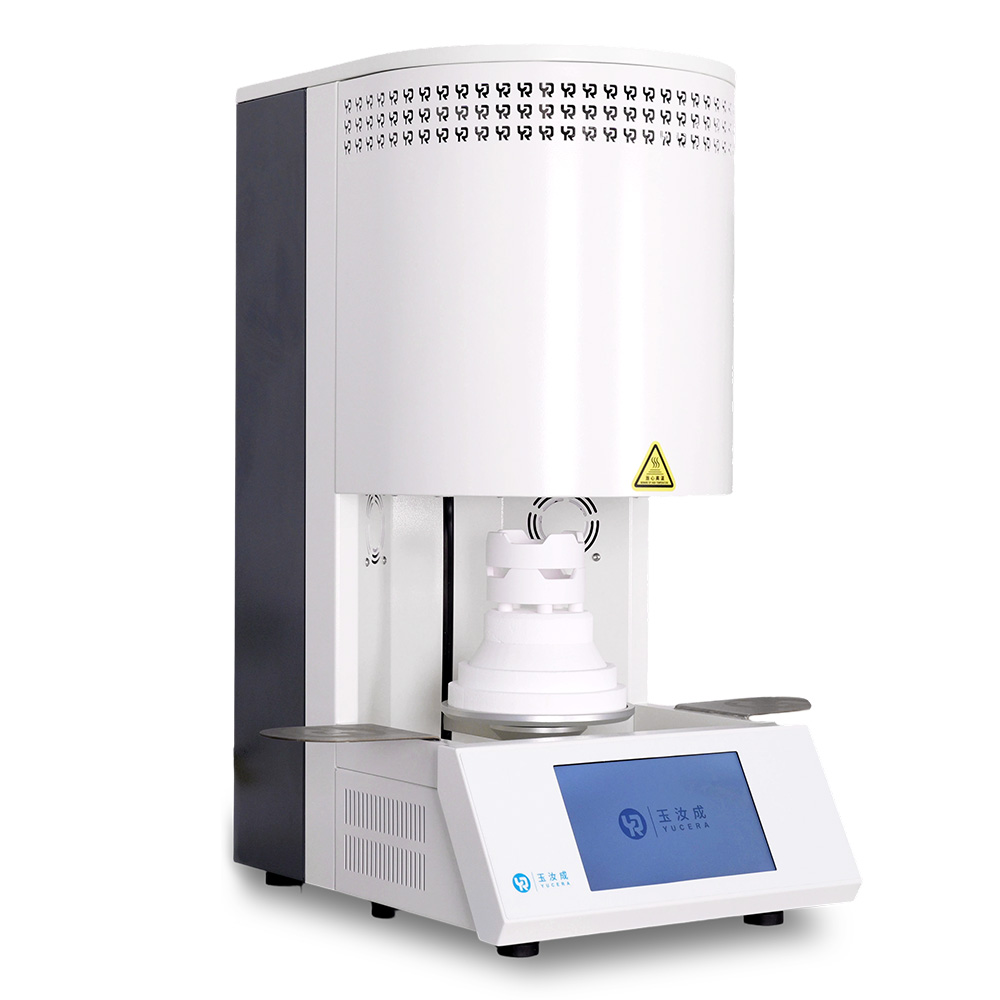
YRC-HS007 Rapid Sintering Furnace

40-min cycle for 60 crowns, dual-layer crucible and 200°C/min heating.

learn more
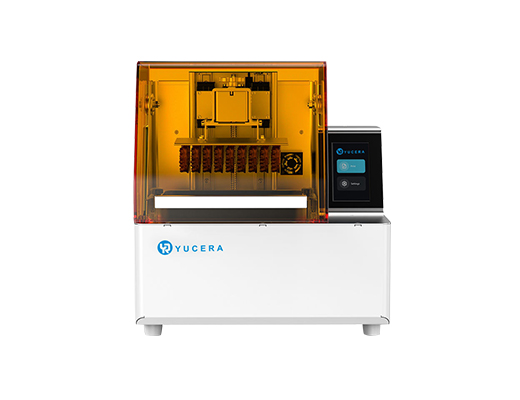
DJ89Plus Dental 3D Printer

High-speed LCD printer for guides, temporaries, models with 8K resolution.

learn more

More to read

Contact us
×
* Required field
Direct Call
+86 18929399126
Thanks
Your info had been submitted.