中 文
中 文

Dominican Dental Professional Shares Positive Experience with YRC-S05 Intraoral Scanner
2026-08-18
2026-05-20
As digital dentistry continues evolving, more dental clinics are investing in chairside CAD/CAM workflows to improve treatment efficiency, restoration turnaround time, and patient experience.
However, for many small and mid-sized dental practices, building a complete digital workflow remains a major financial challenge.
One of the biggest investment problems clinics face today is the traditional requirement to purchase:
This dual-machine setup often creates:
For dental clinics evaluating long-term digital investments, working with an experienced dental instruments supplier can also play an important role in equipment selection, workflow planning, and future scalability.
As a result, more practices are now exploring hybrid dry and wet milling systems that combine multiple workflows into a single machine platform.
This article explains why dual-machine setups can become expensive for growing practices and how hybrid milling systems may help simplify operations while potentially reducing equipment investment.
In conventional CAD/CAM workflows, clinics often operate separate systems for:
This approach exists because different restorative materials require different machining environments.
Dry milling is commonly used for:
Dry processing is widely preferred for zirconia because it:
Wet milling is commonly required for:
Wet processing helps:
While specialized systems can support dedicated workflows, maintaining two separate milling machines may create significant financial and operational pressure for smaller practices.
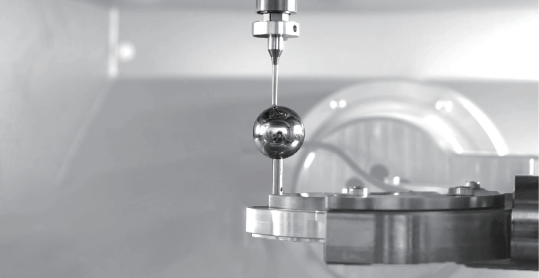
Many clinics initially focus only on equipment purchase price. However, long-term operational costs are often more significant.
Running separate dry and wet milling systems may require:
Over time, practices may also face:
For smaller dental practices, these hidden costs may gradually reduce workflow efficiency and overall return on investment.
The dental industry in the United States is rapidly transitioning toward:
At the same time, many growing clinics still operate with:
In these environments, workflow flexibility becomes increasingly important.
Modern practices need equipment capable of:
Many growing clinics also rely on a trusted dental instruments supplier to identify CAD/CAM solutions that balance performance, flexibility, and long-term workflow scalability.
This is one reason hybrid milling systems are becoming increasingly attractive for expanding practices.
A hybrid dental milling machine combines:
within one integrated system.
Instead of operating two separate machines, clinics can process multiple restorative indications through a more streamlined workflow platform.
Hybrid systems typically support:
This flexibility allows clinics to simplify workflow management while improving equipment utilization.
For many practices, hybrid workflows help reduce operational complexity without limiting restorative capabilities.
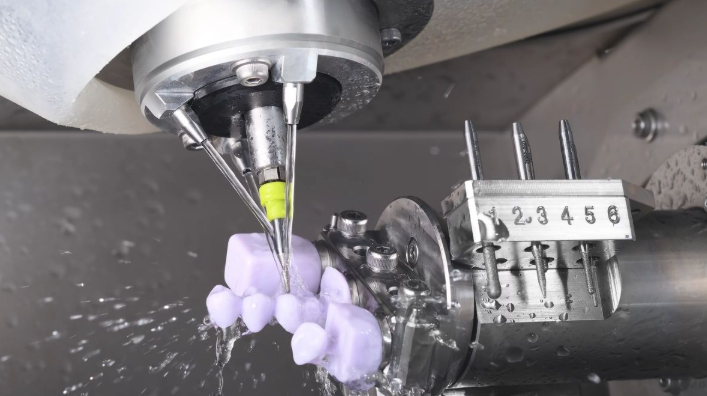
The YRC-8PRO is designed to support both dry and wet milling workflows within one compact CAD/CAM system.
This integrated approach helps simplify:
By supporting multiple material indications within one platform, practices can improve operational flexibility while reducing the need for duplicate systems.
For growing clinics handling various restorative cases, this type of workflow integration may improve long-term efficiency and scalability.
One of the biggest advantages of hybrid milling workflows is the ability to consolidate equipment infrastructure.
Instead of investing in:
clinics may simplify operations through one integrated milling platform.
This may help reduce:
Depending on workflow structure and production volume, some practices may potentially reduce total equipment investment compared with maintaining two independent milling systems.
The actual savings vary depending on:
However, workflow consolidation remains one of the major advantages driving interest in hybrid dental milling systems.
Clinical space is increasingly valuable, especially in urban dental environments.
Traditional dual-machine setups often require:
For smaller practices, limited workspace may restrict future expansion.
Hybrid systems help reduce equipment footprint by combining multiple processing capabilities into one platform.
This allows clinics to:
Compact digital workflows are becoming especially important for practices adopting chairside CAD/CAM dentistry.
Managing multiple systems can increase operational complexity.
Separate machines may require:
For growing clinics managing staffing shortages or operational expansion, complex workflows may reduce overall efficiency.
Integrated hybrid systems help simplify:
This is particularly valuable for practices seeking scalable digital workflows without significantly increasing staffing demands.
Patient expectations are changing rapidly.
Modern patients increasingly expect:
Hybrid milling systems help clinics support same-day restorative dentistry by allowing practices to process multiple restorative materials internally.
This may help practices:
As digital dentistry continues evolving, workflow speed and flexibility are becoming increasingly important competitive advantages.
Hybrid dry and wet milling systems are especially suitable for:
For practices planning long-term digital growth, selecting scalable equipment through a professional dental instruments supplier may help improve both operational efficiency and investment planning.
Lower upfront cost does not always lead to lower long-term operating cost.
Poor compatibility between systems may reduce operational efficiency.
Dual-machine setups often require more clinical space than expected.
Clinics should evaluate whether their equipment strategy can support future growth.
Another common mistake is selecting equipment without consulting a qualified dental instruments supplier, which may lead to workflow mismatches or unnecessary investment.
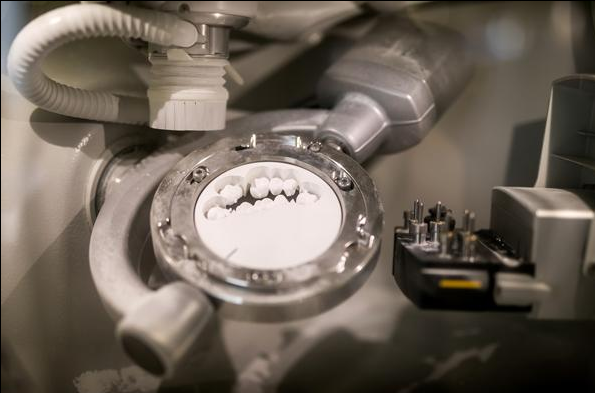
Modern dentistry is increasingly moving toward:
As practices continue adopting chairside CAD/CAM systems, workflow flexibility and operational efficiency will become increasingly important.
Hybrid dry and wet milling systems reflect this transition toward more adaptable and scalable digital dentistry.
For many growing practices, workflow simplification is becoming just as important as milling capability itself.
For small and mid-sized dental clinics, operating separate dry and wet milling systems can create significant financial and operational pressure.
Hybrid milling workflows help simplify digital dentistry by supporting multiple restorative materials within one integrated platform. This approach may help practices:
Whether clinics are building a new digital workflow or upgrading an existing setup, selecting the right equipment—and partnering with a reliable dental instruments supplier—can help support more efficient, scalable, and cost-effective digital dentistry.

Dry & wet milling for zirconia, PMMA, wax with auto tool changer.
learn more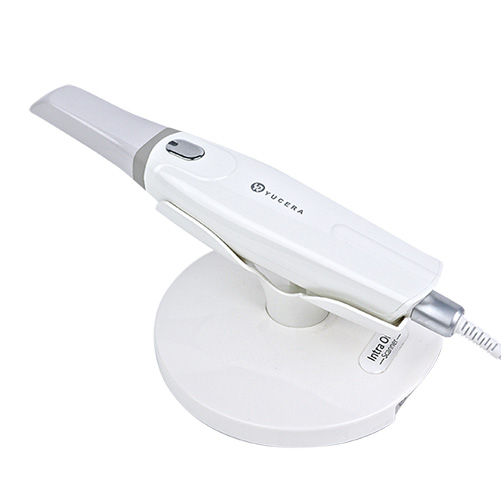
High-precision 3D scanning, AI calibration, full-arch accuracy.
learn more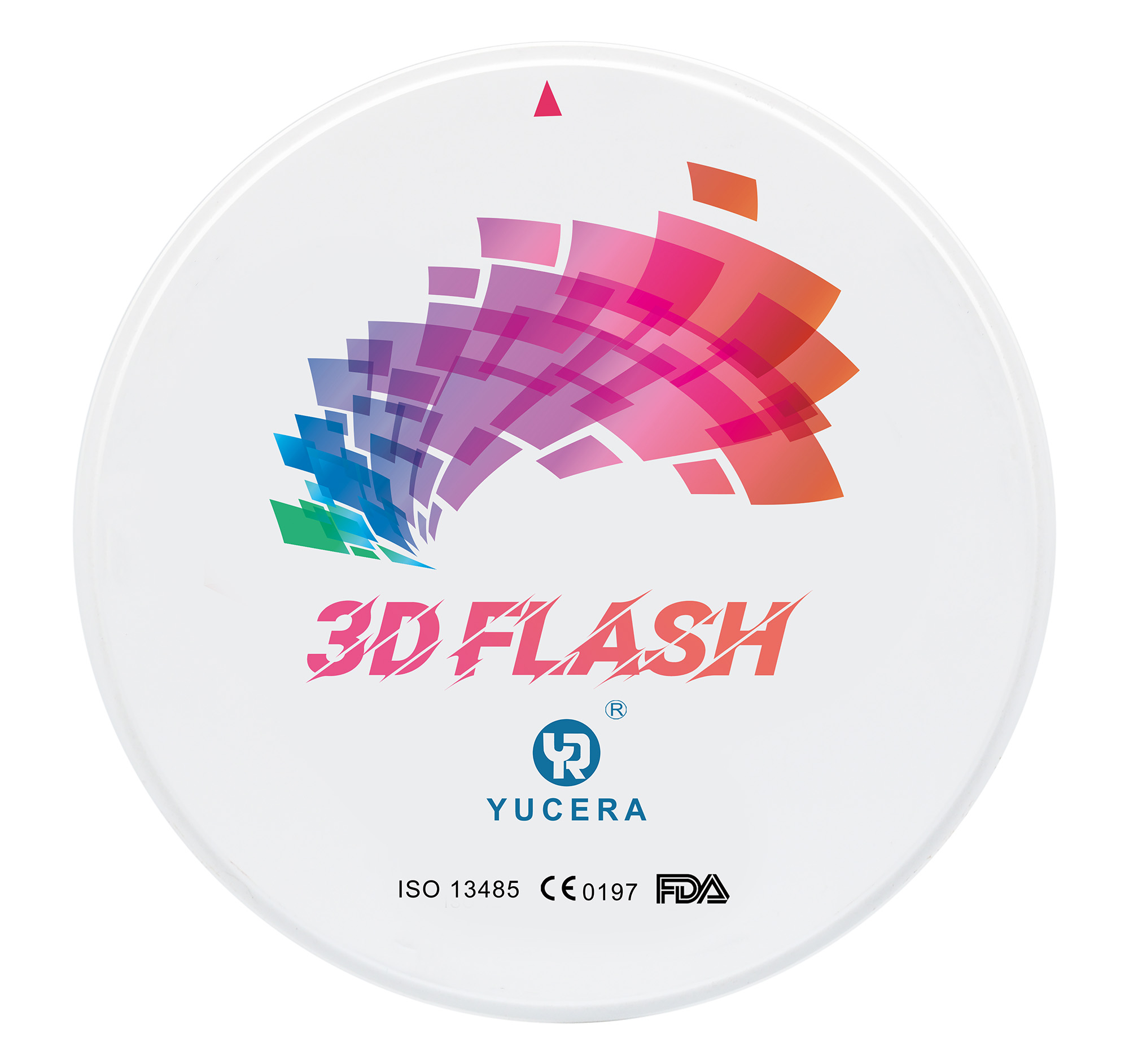
40-min full sintering with 57% incisal translucency and 1050 MPa strength.
learn more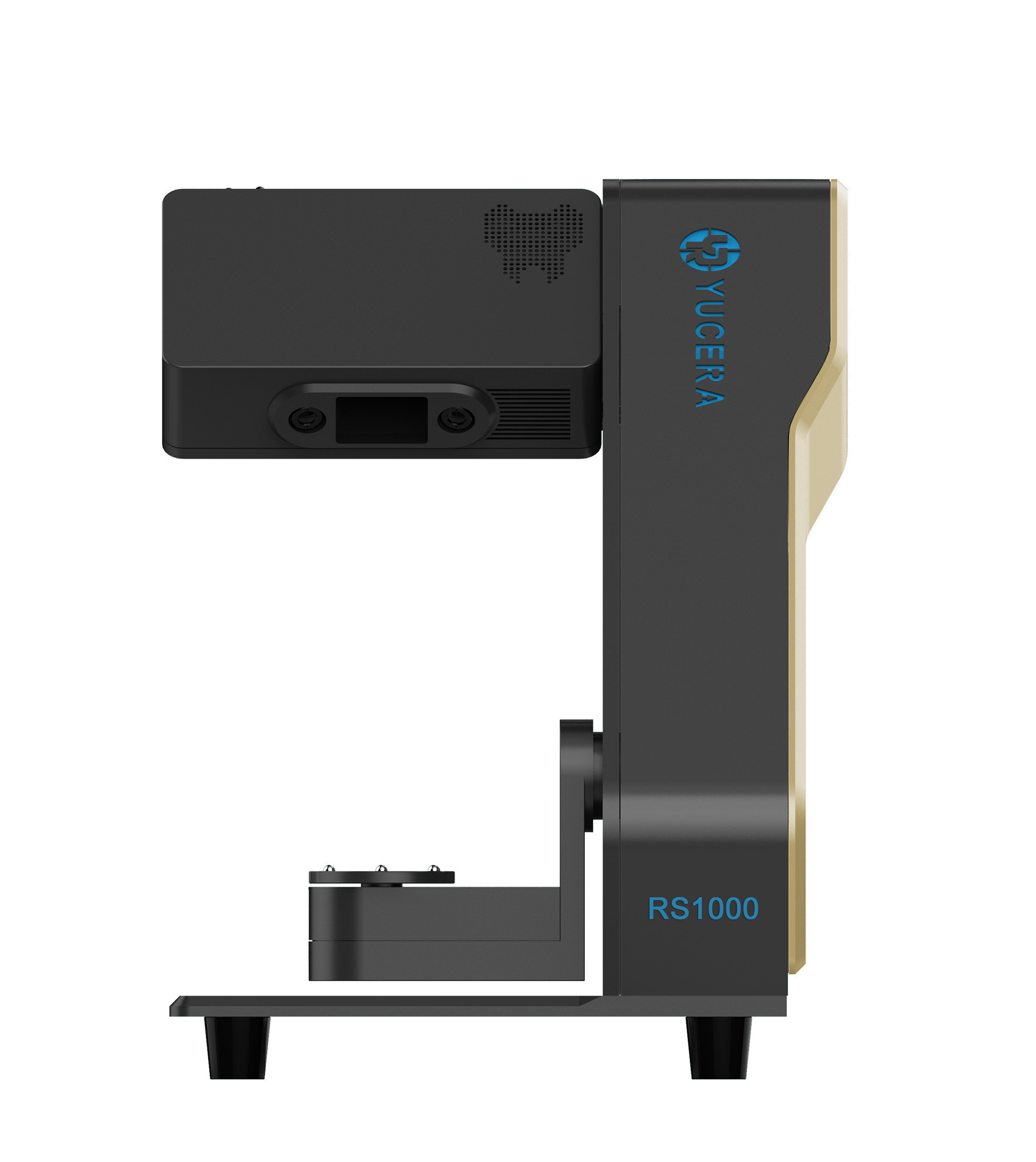
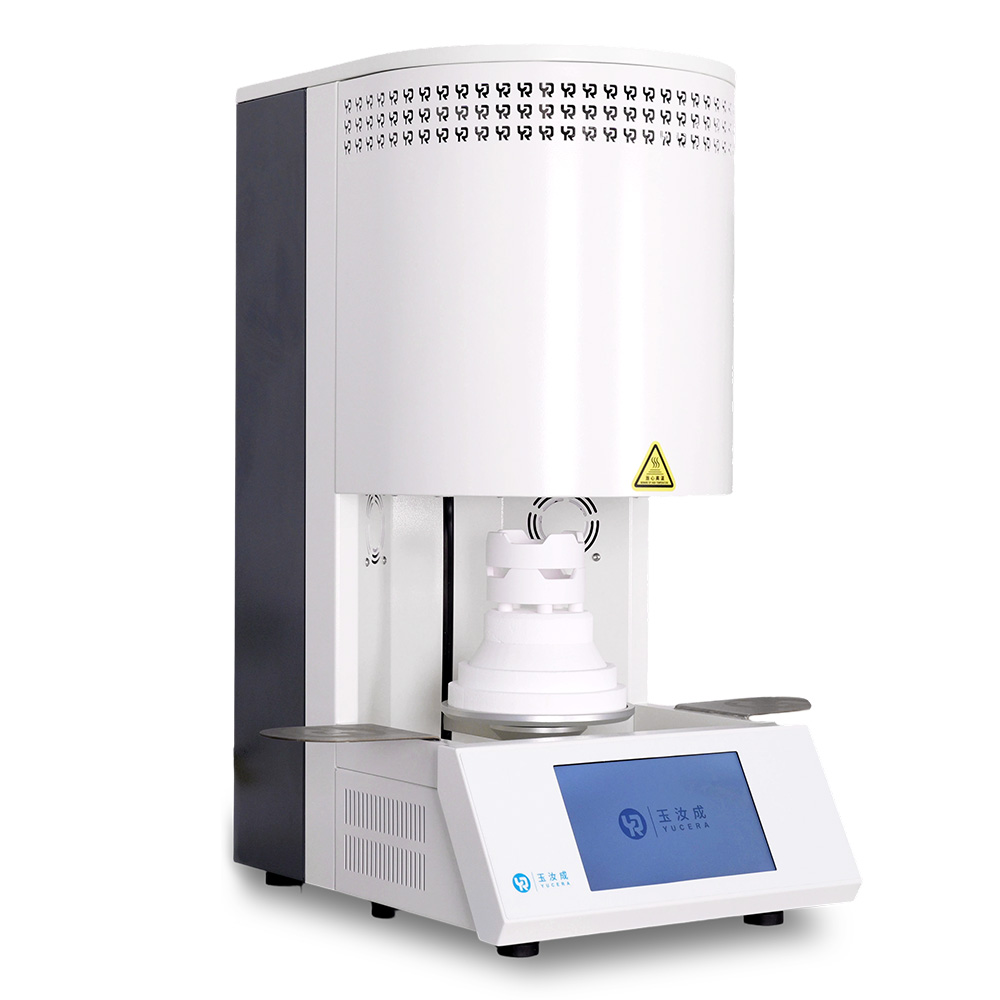
40-min cycle for 60 crowns, dual-layer crucible and 200°C/min heating.
learn more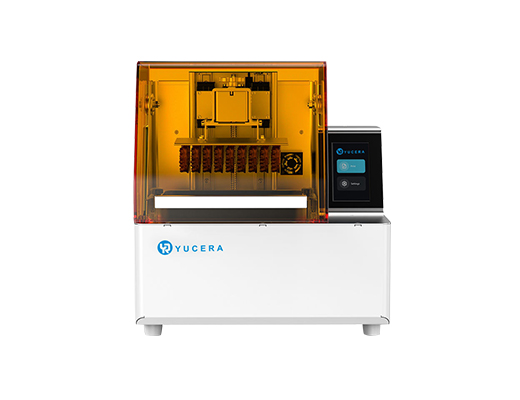
High-speed LCD printer for guides, temporaries, models with 8K resolution.
learn more