中 文
中 文

How Do You Ensure the Comfort and Stability of Your Denture?
2024-11-08
2026-06-26
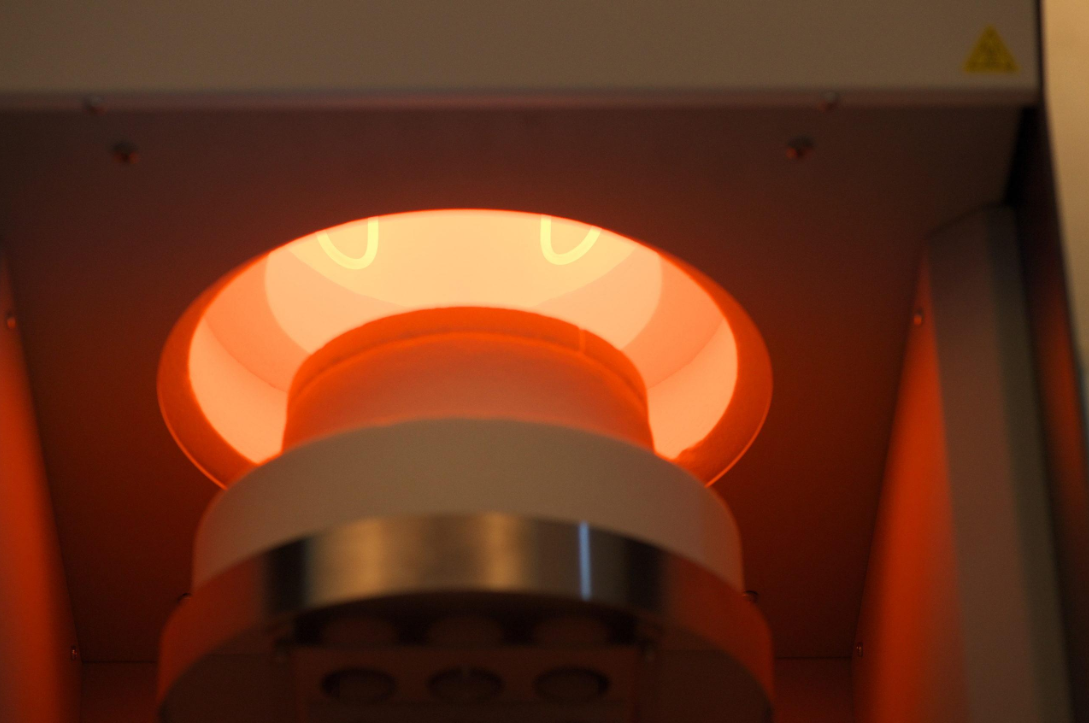
The YRC HS007 dental sintering furnace is designed for high-efficiency zirconia sintering within modern CAD/CAM workflows. As a fast sintering system, it combines rapid heating capability with stable thermal control, making it suitable for dental laboratories with high production demands.
This technical FAQ provides detailed answers to common operational questions, including temperature deviation, environmental requirements, heating rates, installation standards, and maintenance guidelines.
When the sintering temperature is set to 1200°C, the actual chamber working temperature is approximately 1210°C.
This is due to a factory pre-calibration offset of +10°C, which is applied to optimize sintering performance and ensure consistent zirconia densification results.
If users prefer to eliminate this deviation, the system allows manual adjustment through the “Temperature Compensation” setting, where entering -10°C will synchronize the displayed and actual temperature.
The recommended ambient operating range for HS007 is:
15°C – 35°C
This range represents the optimal environment for electronic stability and long-term equipment performance.
If the environment exceeds or falls below this range:
In severe cases, moisture infiltration may lead to short-circuit risk on the PCB system.
Continuous operation in high humidity environments may cause:
Proper laboratory climate control is strongly recommended to ensure long-term reliability.
The HS007 furnace supports two heating stages:
This dual-stage heating design ensures both efficiency and thermal stability during zirconia phase transformation.
Although the system supports a maximum of 200°C/min, this rate is primarily designed for compatibility with a wide range of zirconia materials.
In practical applications:
Therefore, a recommended operating rate of 100°C/min is advised for balanced performance and durability.
For safe operation of the HS007 furnace, the electrical installation requires:
4 mm² copper wiring
This specification ensures:
Proper grounding and professional installation are strongly recommended.
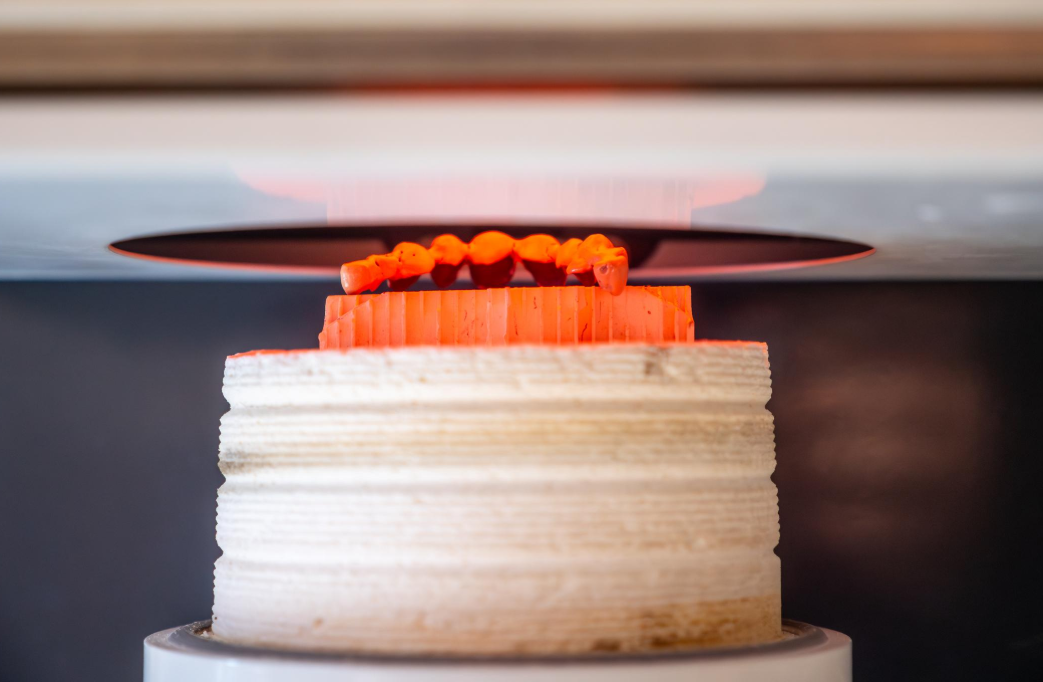
The silicon molybdenum heating rods are covered under:
3 months or 100 firing cycles warranty
Whichever condition is reached first applies.
This consumable classification is standard for high-temperature dental furnaces due to natural wear during repeated thermal cycling.
The HS007 furnace is covered by:
12-month warranty for the main unit
Consumable components are excluded from warranty coverage, including:
This ensures clarity in maintenance and replacement responsibilities.
When operating in slow sintering mode, the heating rate must not be lower than:
10°C/min
Operating below this threshold may lead to:
Maintaining a minimum controlled rate ensures stable oxidation film behavior and consistent thermal performance.
The YRC HS007 dental sintering furnace is engineered for both high-speed and controlled slow sintering applications. Proper understanding of temperature calibration, heating rate limitations, environmental conditions, and electrical requirements is essential for maximizing performance and extending equipment lifespan.
By following these technical guidelines, dental laboratories can ensure stable zirconia sintering results, improved workflow efficiency, and long-term equipment reliability.

Dry & wet milling for zirconia, PMMA, wax with auto tool changer.
learn more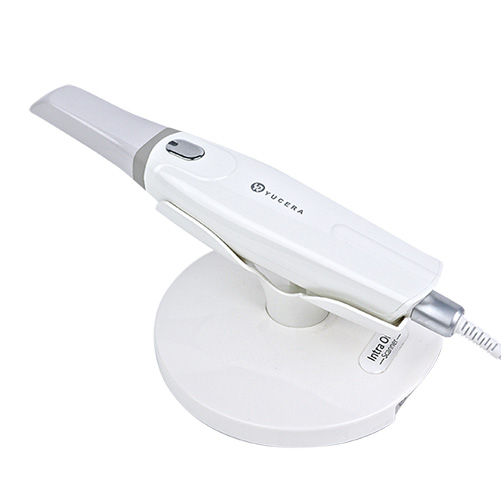
High-precision 3D scanning, AI calibration, full-arch accuracy.
learn more
40-min full sintering with 57% incisal translucency and 1050 MPa strength.
learn more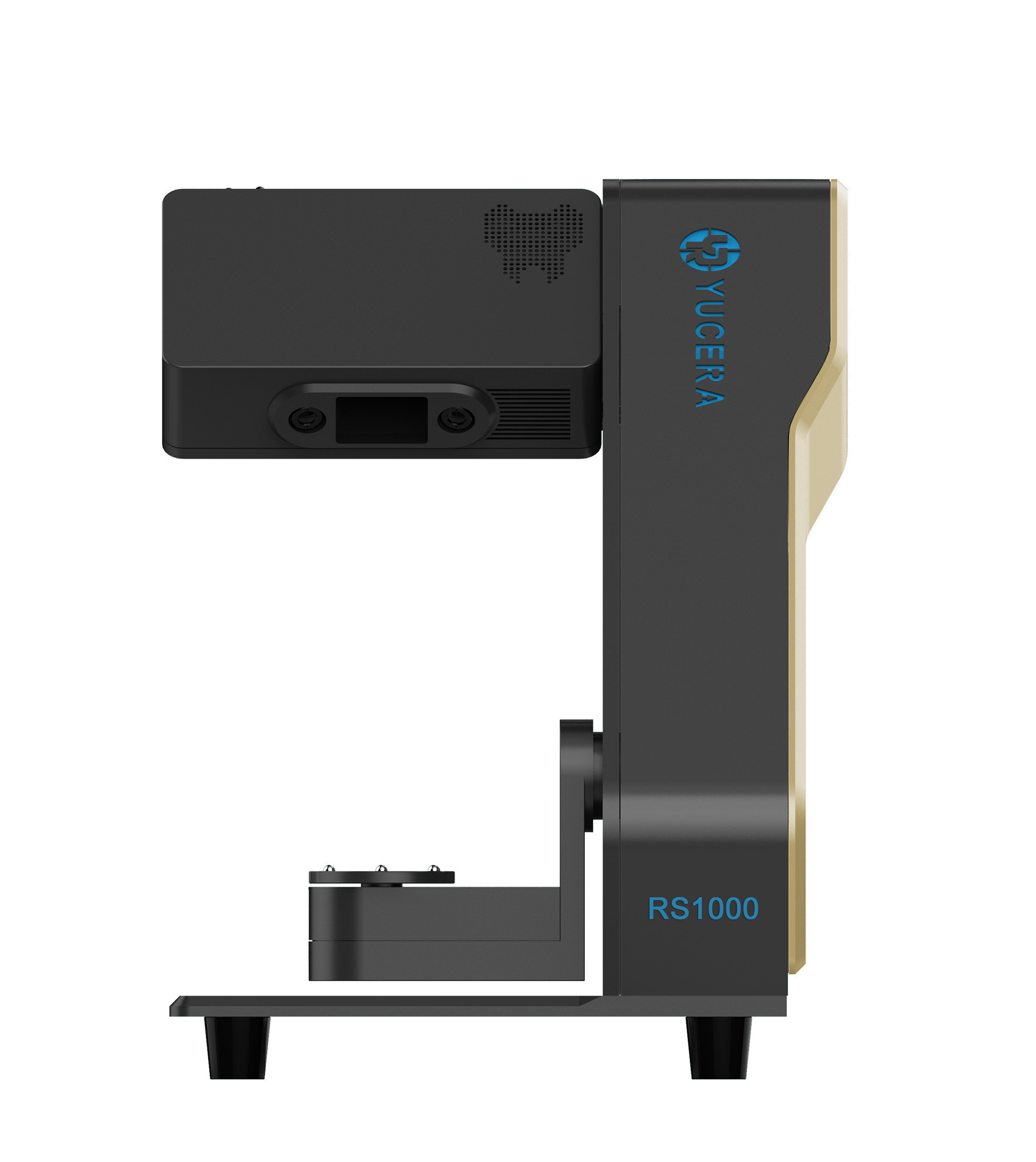
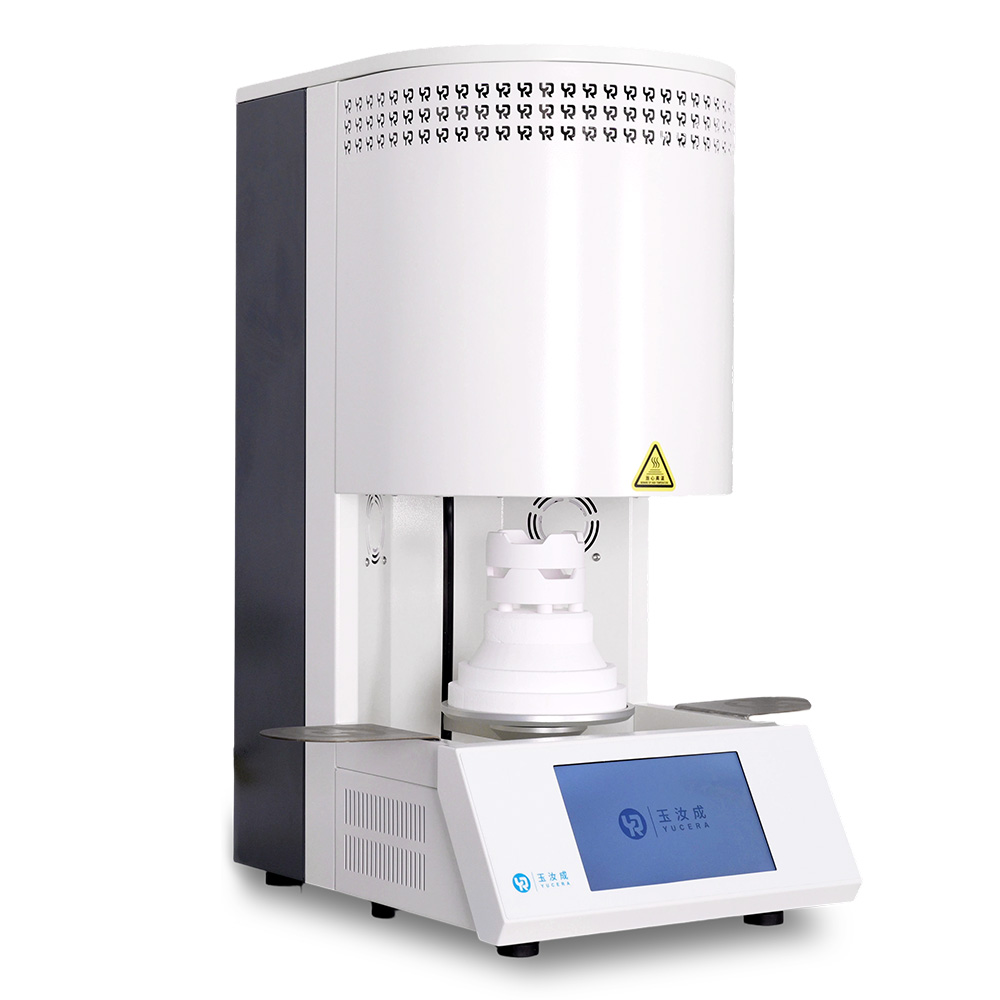
40-min cycle for 60 crowns, dual-layer crucible and 200°C/min heating.
learn more
High-speed LCD printer for guides, temporaries, models with 8K resolution.
learn more