中 文
中 文

Best CAD CAM Milling Machines for High Precision Dentistry
2024-07-04
2026-05-19
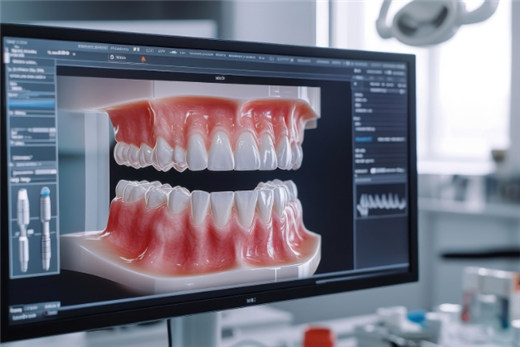
Digital dentistry is rapidly changing how modern dental practices operate. As patient expectations continue rising and treatment workflows become increasingly digital, more clinics are investing in advanced scan equipment to improve efficiency, accuracy, and patient experience.
For growing dental practices, choosing the right scan machine is no longer simply a technology upgrade—it has become an important business decision that directly affects workflow productivity, restoration quality, patient satisfaction, and long-term practice growth.
However, selecting the right scan equipment can be challenging. Many practices focus only on price or basic specifications while overlooking critical factors such as workflow compatibility, scanning efficiency, ease of use, and long-term scalability.
This guide explains the most important factors dental practices should consider when choosing digital scan equipment and how the right scanning workflow can support long-term clinical growth.
Traditional impression methods have been widely used for decades, but they often create challenges for both clinicians and patients.
Common problems with traditional impressions include:
As dental practices grow and patient volume increases, these inefficiencies become more difficult to manage.
Modern scan equipment helps practices transition toward a fully digital workflow by improving:
Today, digital scanning is becoming an essential part of restorative dentistry, implant workflows, orthodontics, and preventive care.
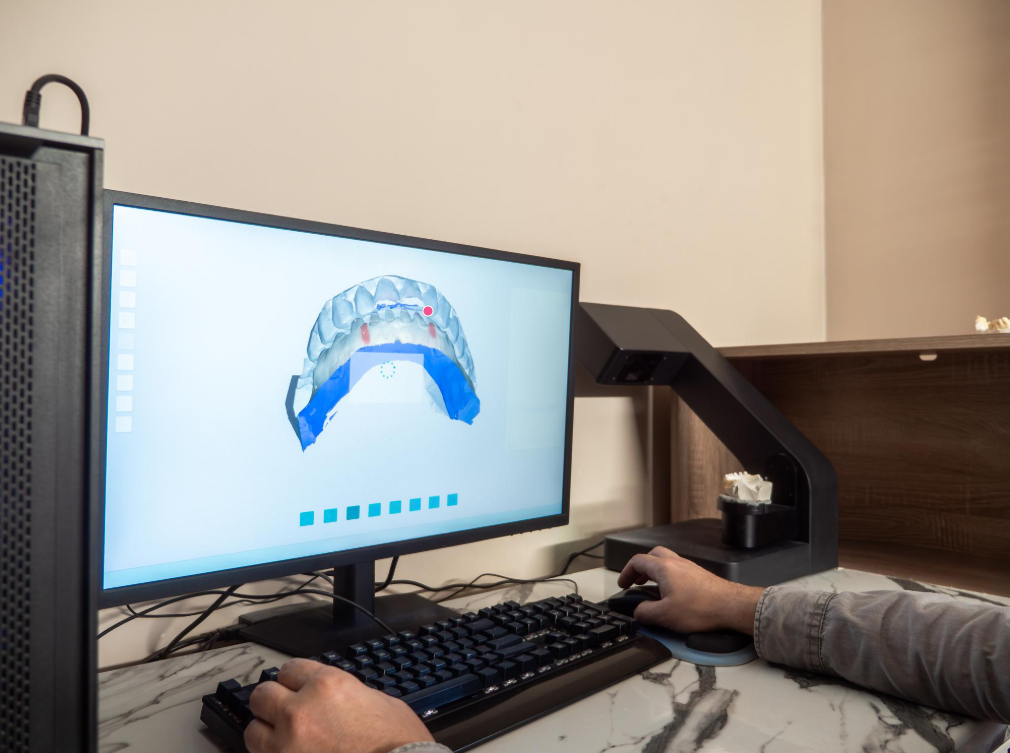
The dental industry in the United States is experiencing rapid digital transformation. More practices are adopting:
As a result, digital scan equipment is becoming central to daily practice operations.
For growing clinics, digital scanning helps reduce operational bottlenecks by:
Practices that delay digital adoption may eventually face challenges competing with more efficient digital clinics.
Not all scan machines are designed for the same clinical environment. Growing practices should evaluate scanning systems based on long-term workflow requirements rather than short-term purchasing cost alone.
Accuracy is one of the most important considerations when selecting scan equipment.
High scan accuracy directly affects:
Inaccurate digital impressions may lead to:
Modern digital scanning systems designed for restorative dentistry typically focus on capturing highly detailed intraoral data for improved restoration consistency.
For practices performing crown, bridge, implant, or full-mouth rehabilitation cases, reliable scan precision is essential for maintaining clinical quality.
As patient volume increases, chairside efficiency becomes increasingly important.
Slow scanning workflows may:
Fast scan equipment helps practices:
Many modern intraoral scanning systems now support rapid full-mouth scanning to simplify daily clinical operations.
For growing practices, scanning speed directly impacts long-term operational efficiency.
One of the most common mistakes practices make is underestimating the importance of usability.
Complex systems often require:
Easy-to-use scan equipment allows:
This becomes especially important for practices experiencing staffing shortages or team expansion.
User-friendly scanning systems help clinics scale digital workflows more effectively.
A scan machine should not operate independently from the rest of the clinic’s workflow.
Practices should evaluate whether scan equipment integrates smoothly with:
Poor compatibility may lead to:
Digital workflow integration has become increasingly important as practices expand restorative and implant treatment capabilities.
For many clinics, open and flexible workflow compatibility is now a major purchasing consideration.
Patient expectations in dentistry are evolving rapidly.
Today’s patients increasingly value:
Traditional impression materials often cause:
Digital scan equipment helps improve patient experience by:
Improved patient experience may also contribute to:
For growing practices, patient satisfaction plays an important role in long-term business growth.
Digital impressions have become increasingly important in restorative workflows because they improve communication between clinics and laboratories.
Accurate scan data helps reduce:
Digital scanning also improves:
As restorative dentistry becomes more digitally integrated, reliable scan equipment becomes essential for maintaining predictable treatment outcomes.
Artificial intelligence is becoming increasingly common in digital dentistry workflows.
Modern AI-assisted scan systems may help:
AI-driven scanning technologies are helping practices improve scanning consistency while reducing operational complexity.
For growing practices managing higher patient volumes, intelligent workflow support can improve both efficiency and staff productivity.
Lower-cost systems may not provide long-term workflow stability or scalability.
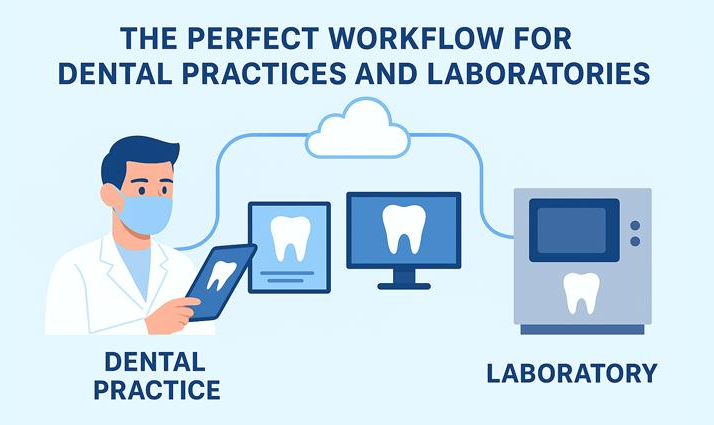
Compatibility with laboratories and CAD/CAM systems is essential for efficient case management.
Complex systems may reduce operational efficiency during implementation.
Practices should evaluate real clinical workflow needs rather than focusing only on promotional features.
As practices expand, scalable digital workflows become increasingly important.
Digital workflows help growing practices:
As digital dentistry continues evolving, modern scan equipment is becoming a foundational tool for competitive practice development.
Practices adopting efficient digital workflows today are better positioned for future growth and technological integration.
When selecting scan equipment, growing dental practices should prioritize:
The best scanning workflow is not necessarily the most complex system, but the one that integrates smoothly into daily clinical operations while supporting long-term efficiency and treatment quality.
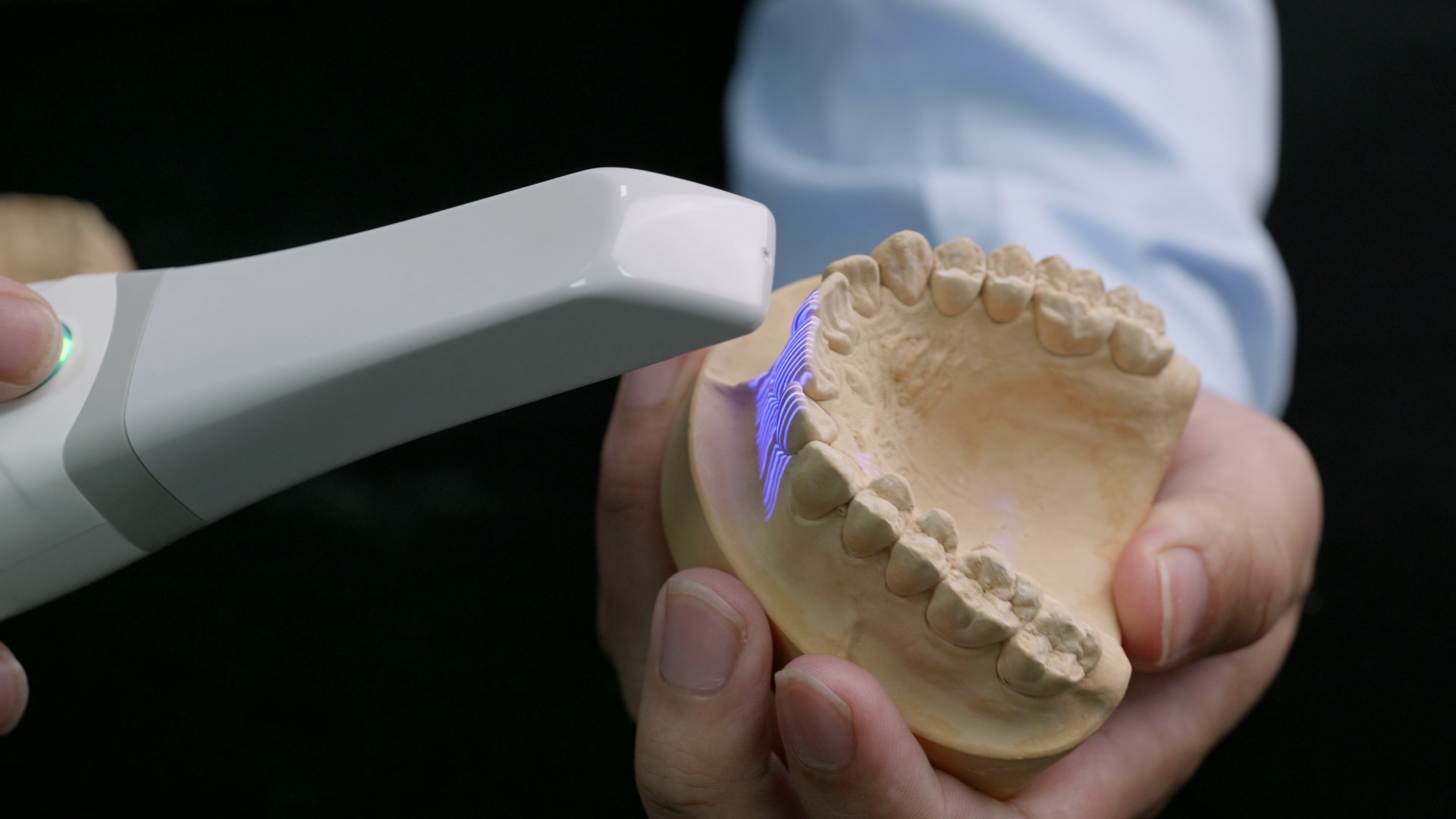
Choosing the right scan equipment is one of the most important decisions a growing dental practice can make.
Modern digital workflows are transforming restorative dentistry, implant treatment, orthodontics, and patient communication. Reliable scan machines help practices improve efficiency, reduce remakes, enhance patient experience, and support long-term business growth.
As digital dentistry continues advancing, practices that invest in efficient and scalable scanning workflows will be better prepared for the future of modern dental care.

Dry & wet milling for zirconia, PMMA, wax with auto tool changer.
learn more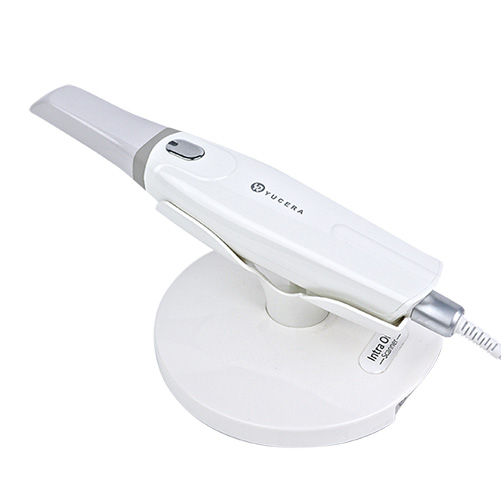
High-precision 3D scanning, AI calibration, full-arch accuracy.
learn more
40-min full sintering with 57% incisal translucency and 1050 MPa strength.
learn more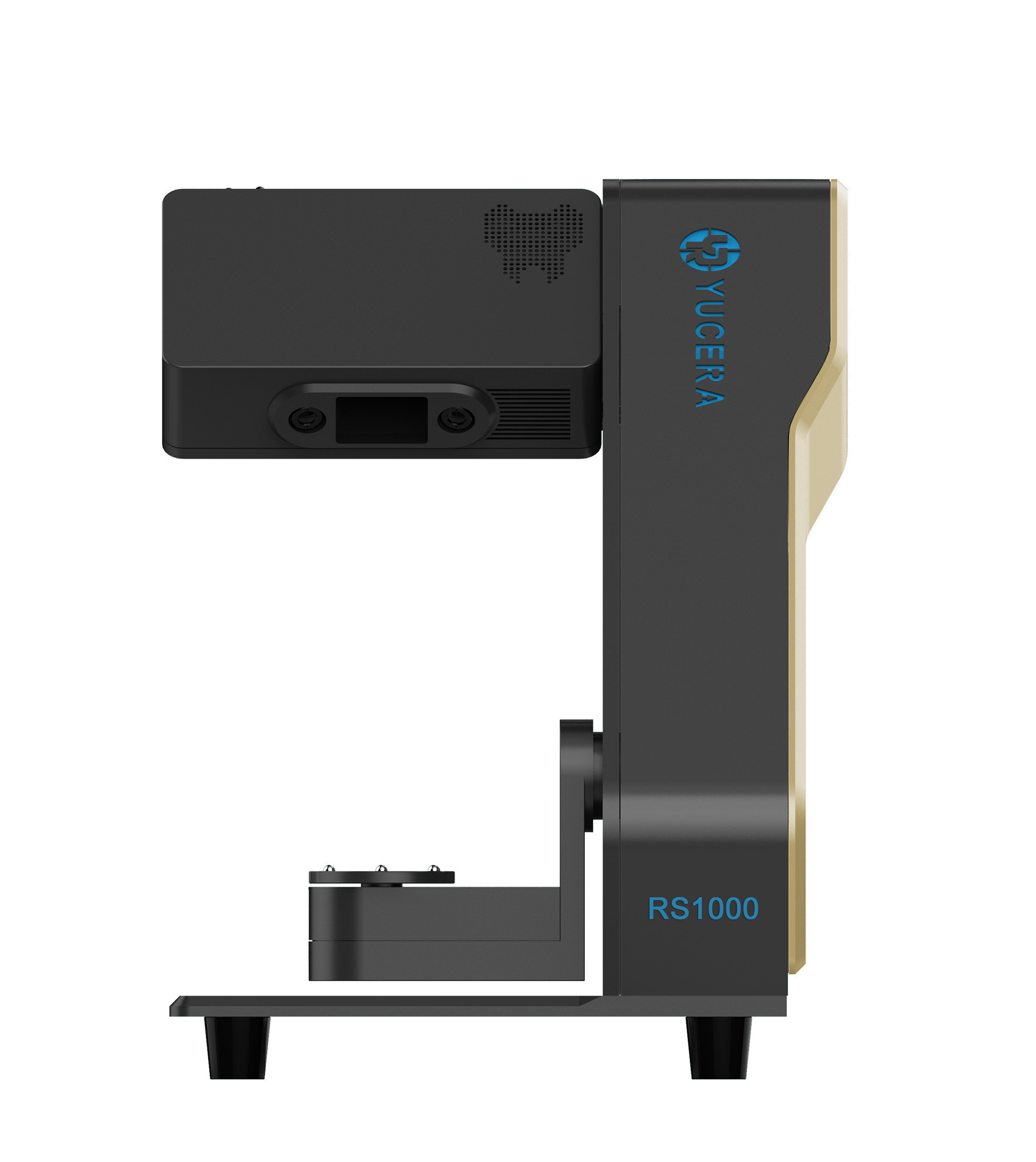
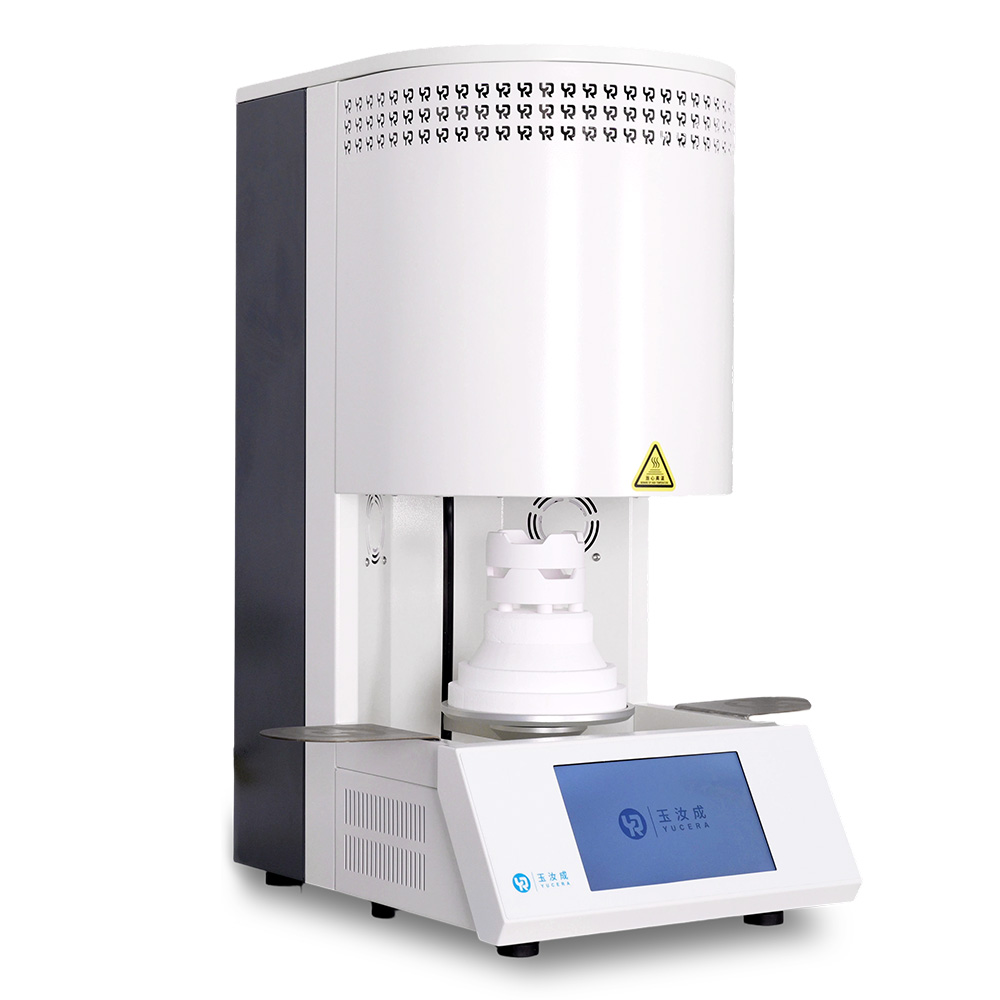
40-min cycle for 60 crowns, dual-layer crucible and 200°C/min heating.
learn more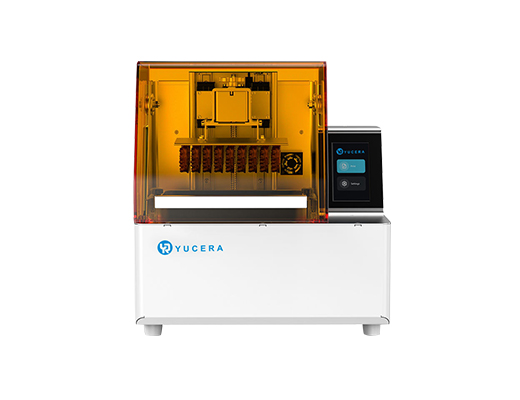
High-speed LCD printer for guides, temporaries, models with 8K resolution.
learn more