中 文
中 文
Why Understanding Dental Materials Is Crucial For Every Dentist
2025-04-13
2026-07-01
In modern CAD/CAM dentistry, milling burs play a critical role in determining the accuracy, surface quality, and efficiency of dental restorations. Whether producing zirconia crowns, PMMA temporary restorations, or wax patterns, the choice of milling burs directly affects machining performance and final restoration quality.
Selecting the right milling bur is not only a technical decision but also an essential factor in optimizing laboratory productivity and reducing tool wear.
This guide explains the different types of dental milling burs, their applications, and how to choose the right tool for different materials and workflows.
Dental milling burs are precision cutting tools used in CAD/CAM milling machines to shape dental materials into restorations such as crowns, bridges, inlays, and implant structures.
They are designed to operate at high speeds with extreme accuracy, removing material layer by layer according to a digital design.
In dental laboratories, milling burs are used for processing:
Each material requires a specific type of bur to ensure optimal performance and minimize tool damage.
The performance of a CAD/CAM system depends heavily on the compatibility between the milling machine, material, and cutting tool.
Using the wrong milling bur can lead to:
On the other hand, correct bur selection improves:
Therefore, understanding bur selection is essential for every dental technician and laboratory.
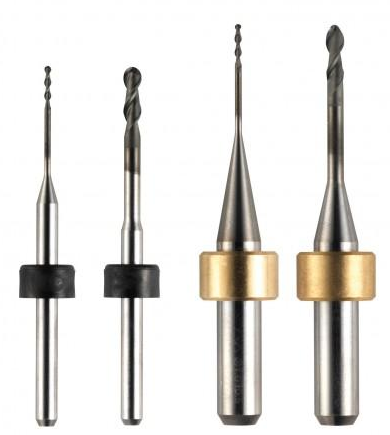
Dental milling burs are generally categorized based on material composition and application.
Diamond-coated burs are commonly used for hard materials such as zirconia. The diamond coating provides high abrasion resistance and allows precise cutting of extremely hard surfaces.
Key features:
These burs are essential in zirconia restoration workflows where accuracy and edge stability are critical.
Carbide burs are widely used for softer materials such as PMMA and wax. They provide sharp cutting edges and smooth surface finishing.
Key features:
Carbide burs are commonly used in producing temporary restorations and diagnostic models.
Some milling systems use advanced alloy-based burs designed for extended durability and high-speed machining.
Key features:
These are often used in high-volume dental laboratories.
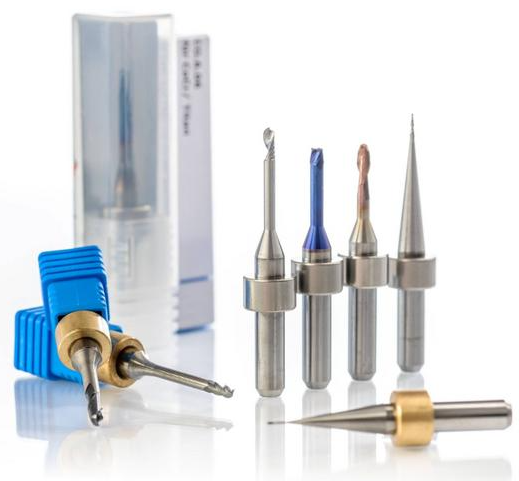
One of the most important factors in bur selection is the type of dental material being processed.
Zirconia is one of the hardest materials used in dentistry and requires highly durable cutting tools.
Recommended burs:
Key considerations:
Zirconia burs must maintain edge stability to ensure marginal accuracy and prevent chipping.
PMMA is a softer acrylic material commonly used for temporary restorations.
Recommended burs:
Key considerations:
PMMA milling requires balance between speed and surface quality.
Wax is a highly soft material used primarily for pattern making and casting.
Recommended burs:
Key considerations:
Wax milling focuses on shape accuracy rather than durability.
Milling strategy also affects bur selection and performance.
Used primarily for zirconia materials.
Advantages:
Burs used:
Commonly used for PMMA and metal materials.
Advantages:
Burs used:
When selecting milling burs, dental technicians should consider several technical and operational factors.
Harder materials require stronger, wear-resistant burs.
Different CAD/CAM systems require specific bur types and dimensions.
Incorrect speed settings can cause tool breakage or poor surface quality.
Diamond or carbide coatings significantly affect performance.
Longer-lasting burs reduce production cost in high-volume labs.
Many milling issues in dental laboratories are caused by incorrect bur usage.
Common mistakes include:
Avoiding these mistakes significantly improves restoration quality and reduces production costs.
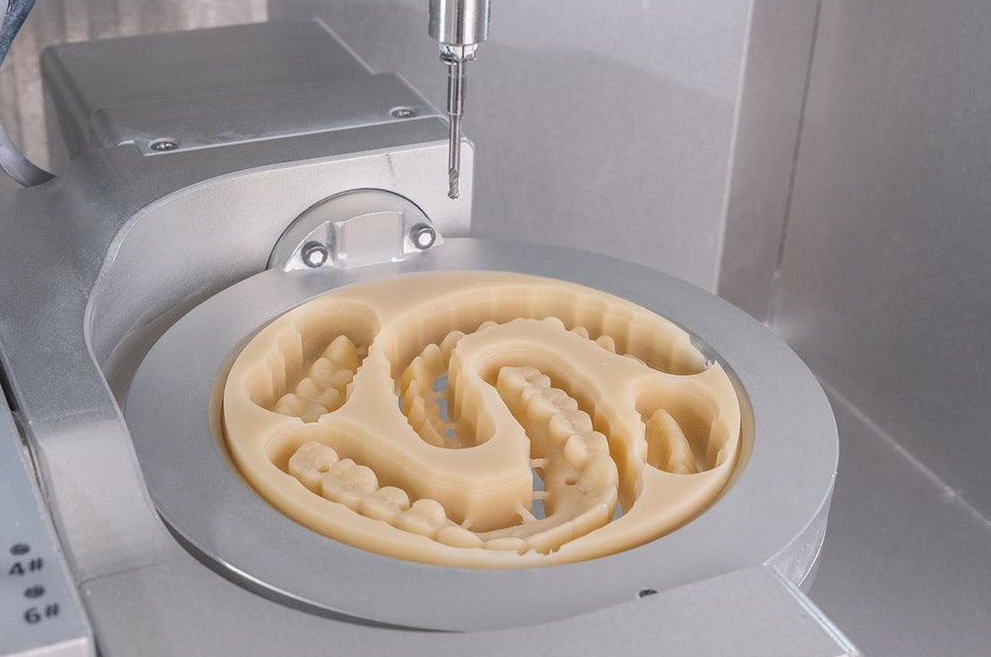
Proper maintenance of milling burs is essential for consistent performance.
Best practices include:
Good maintenance extends tool lifespan and ensures stable milling results.
Dental milling burs are a fundamental component of CAD/CAM dentistry. The correct selection of burs directly impacts precision, efficiency, and overall restoration quality.
Understanding the differences between materials such as zirconia, PMMA, and wax allows dental laboratories to optimize their workflows and reduce operational errors.
In modern digital dentistry, success is not only determined by software and machines, but also by selecting the right cutting tools for each material and application.

Dry & wet milling for zirconia, PMMA, wax with auto tool changer.
learn more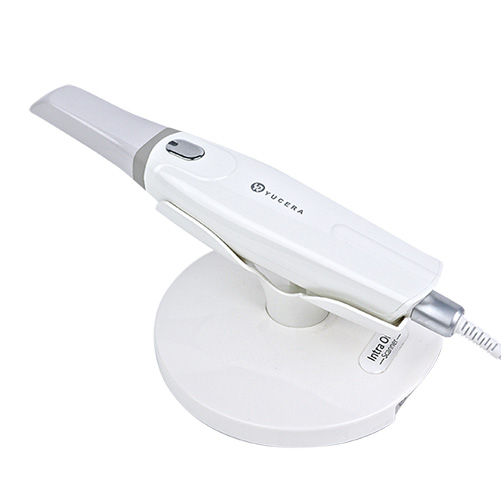
High-precision 3D scanning, AI calibration, full-arch accuracy.
learn more
40-min full sintering with 57% incisal translucency and 1050 MPa strength.
learn more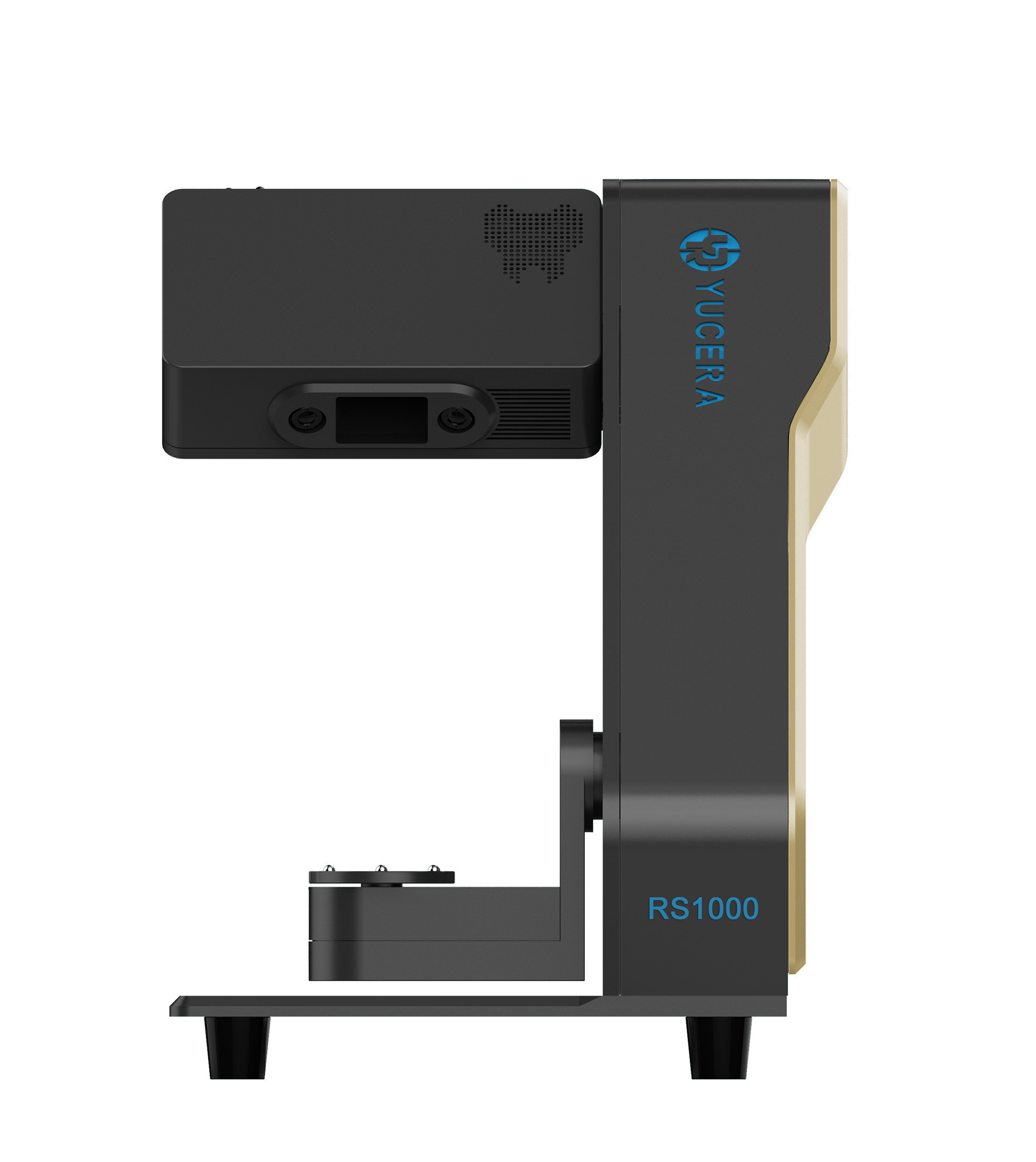
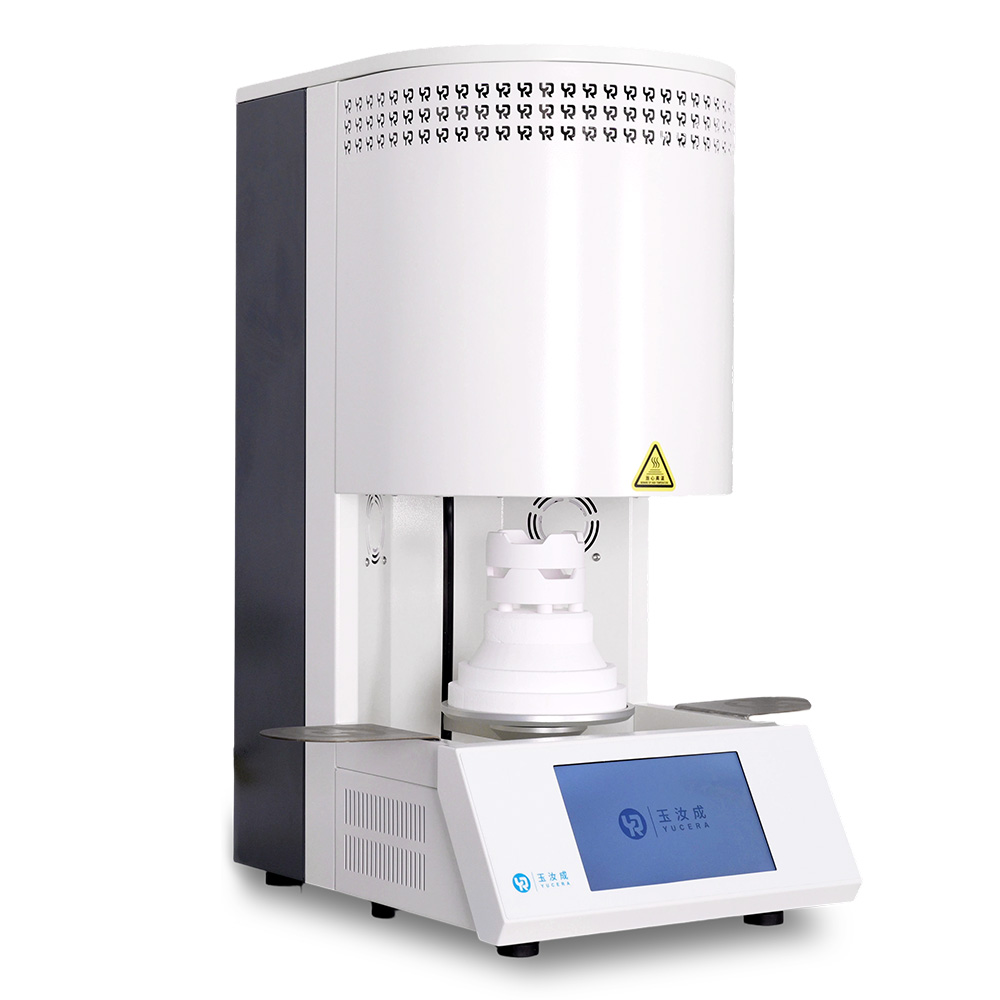
40-min cycle for 60 crowns, dual-layer crucible and 200°C/min heating.
learn more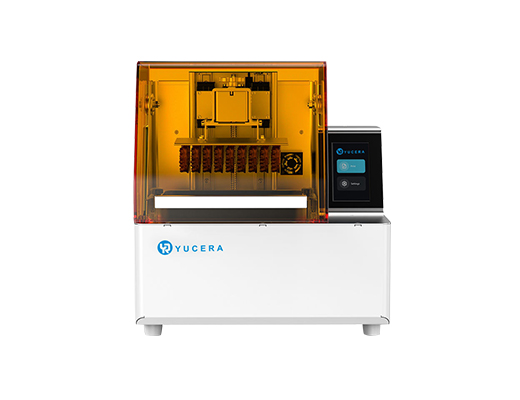
High-speed LCD printer for guides, temporaries, models with 8K resolution.
learn more