中 文
中 文

Why Must You Purchase a Dedicated Air Compressor for CAD/CAM Systems?
2024-11-26
2026-05-17
In modern digital dentistry, milling performance depends on far more than just the milling machine itself. One of the most overlooked—but critically important—factors in restoration quality is the selection of the right dental milling bur.
Today’s dental laboratories work with a wide range of restorative materials, including zirconia, PMMA, wax, and metal. Each material behaves differently during machining and places unique demands on cutting tools. As a result, choosing the correct dental burs has become an essential part of achieving stable restoration quality and efficient CAD/CAM production.
Whether laboratories are focused on precision crown margins, smooth restoration surfaces, or long-term milling efficiency, selecting the appropriate burs for dentistry directly affects:
This guide explains how different materials influence bur performance and how dental laboratories can select the right dental milling bur for every milling application.
In digital dentistry, dental burs are precision cutting tools designed for CAD/CAM milling systems. Unlike conventional handpiece burs used chairside, CAD/CAM dental burs operate under high-speed rotational forces and continuous machining cycles.
During milling, burs must withstand:
Different burs for dentistry are engineered for different restorative materials. A bur optimized for PMMA or wax may not provide enough wear resistance for zirconia, while metal milling requires even greater cutting strength and thermal stability.
Using the wrong bur may lead to:
For dental laboratories seeking stable and repeatable results, proper bur selection is one of the most important factors in CAD/CAM workflow optimization.
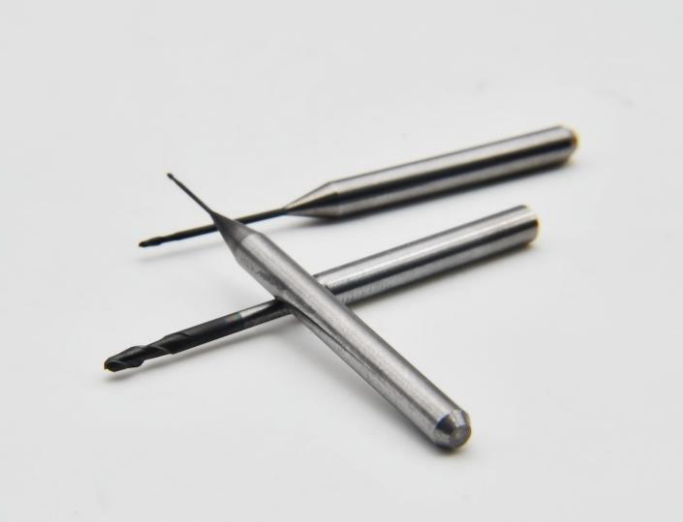
Different restorative materials respond very differently during machining. Understanding these differences is essential when selecting dental milling burs.
PMMA and wax are relatively soft materials that require:
For these materials, sharp cutting performance and clean finishing are more important than extreme wear resistance.
Zirconia is one of the hardest materials used in modern restorative dentistry. Milling zirconia requires:
As zirconia burs wear down, restoration quality may decline rapidly, especially in margin areas and internal fitting surfaces.
Metal milling creates significantly higher cutting loads and thermal stress compared to PMMA or zirconia. Metal milling burs require:
Without the proper dental burs, metal machining may result in unstable cutting and premature tool wear.
PMMA and wax restorations are widely used for temporary restorations, diagnostic models, and surgical guides. These materials require smooth machining and stable edge finishing.
The CRN dental milling bur is designed specifically for:
Under standard milling conditions, the CRN bur can mill approximately:
For laboratories processing PMMA and wax restorations daily, CRN burs help maintain stable surface quality while improving workflow consistency.
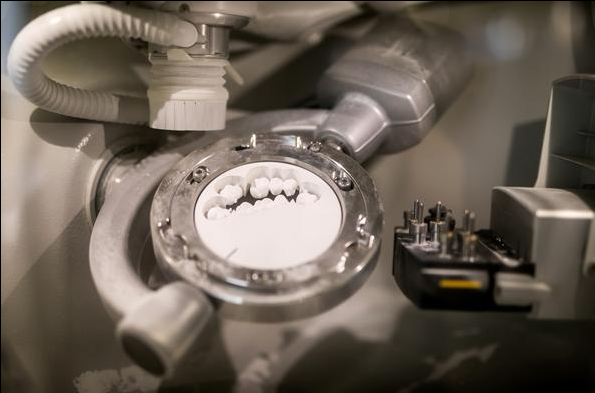
Metal remains one of the most challenging materials in CAD/CAM dentistry due to its hardness and cutting resistance.
The AL dental bur is engineered for:
Compared with zirconia or PMMA, metals generate:
Without proper burs for dentistry, metal milling may lead to:
The AL bur provides stronger cutting capability for demanding metal milling applications in dental laboratories.
Zirconia has become one of the most important materials in modern restorative dentistry because of its:
However, zirconia is also highly demanding on dental milling burs.
When selecting zirconia burs, laboratories should consider:
The NC zirconia milling bur is designed to balance cutting precision and operational lifespan.
For many laboratories, NC burs offer an effective balance between restoration quality and milling efficiency.
The DC dental milling bur is optimized for longer service life and stable production efficiency.
For high-volume CAD/CAM laboratories, longer-lasting dental burs can significantly improve workflow stability and operational efficiency.
The DLC zirconia milling bur focuses on maintaining controlled cutting behavior and stable restoration surfaces during zirconia processing.
For laboratories focused on detailed restoration reproduction, DLC burs help maintain stable milling consistency.
Bur wear is one of the most common hidden causes of restoration inaccuracy in CAD/CAM workflows.
As dental milling burs become worn:
In zirconia restorations, excessive bur wear may contribute to:
Monitoring bur condition regularly helps laboratories:
Replacing worn dental burs at the proper interval is essential for stable long-term milling performance.
Different materials require different cutting behaviors. Using the same bur universally often reduces both milling quality and tool lifespan.
Longer lifespan is important, but restoration precision and surface quality are equally critical.
Harder materials generate greater cutting resistance and require stronger wear-resistant burs.
Excessively worn burs may reduce restoration accuracy and increase machining stress.
High-volume laboratories often benefit from longer-life dental milling burs designed for continuous workflows.
| Material | Recommended Bur | Main Advantage | Approximate Capacity |
|---|---|---|---|
| PMMA/WAX | CRN | Smooth cutting & finishing | ≈120 crowns |
| Metal | AL | Strong cutting capability | Depends on application |
| Zirconia | NC | Precision milling | ≈200 crowns |
| Zirconia | DC | Extended lifespan | ≈400 crowns |
| Zirconia | DLC | Stable cutting performance | ≈120 crowns |
Selecting the appropriate dental burs helps laboratories:
In modern CAD/CAM workflows, tool performance directly influences overall laboratory productivity and restoration quality.
As digital dentistry continues evolving, selecting the correct burs for dentistry becomes increasingly important for maintaining competitive production standards.
Choosing the correct dental burs is one of the most important decisions in modern CAD/CAM dentistry. Different restorative materials require different cutting behaviors, wear resistance levels, and machining strategies.
From PMMA and wax to zirconia and metal, selecting the proper dental milling bur helps improve restoration quality, reduce remakes, and optimize laboratory efficiency.
For dental laboratories focused on precision, productivity, and long-term workflow stability, investing in the right burs for dentistry is an essential part of digital manufacturing success.

Dry & wet milling for zirconia, PMMA, wax with auto tool changer.
learn more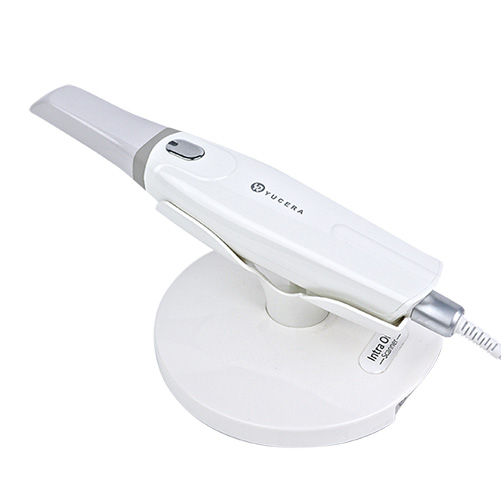
High-precision 3D scanning, AI calibration, full-arch accuracy.
learn more
40-min full sintering with 57% incisal translucency and 1050 MPa strength.
learn more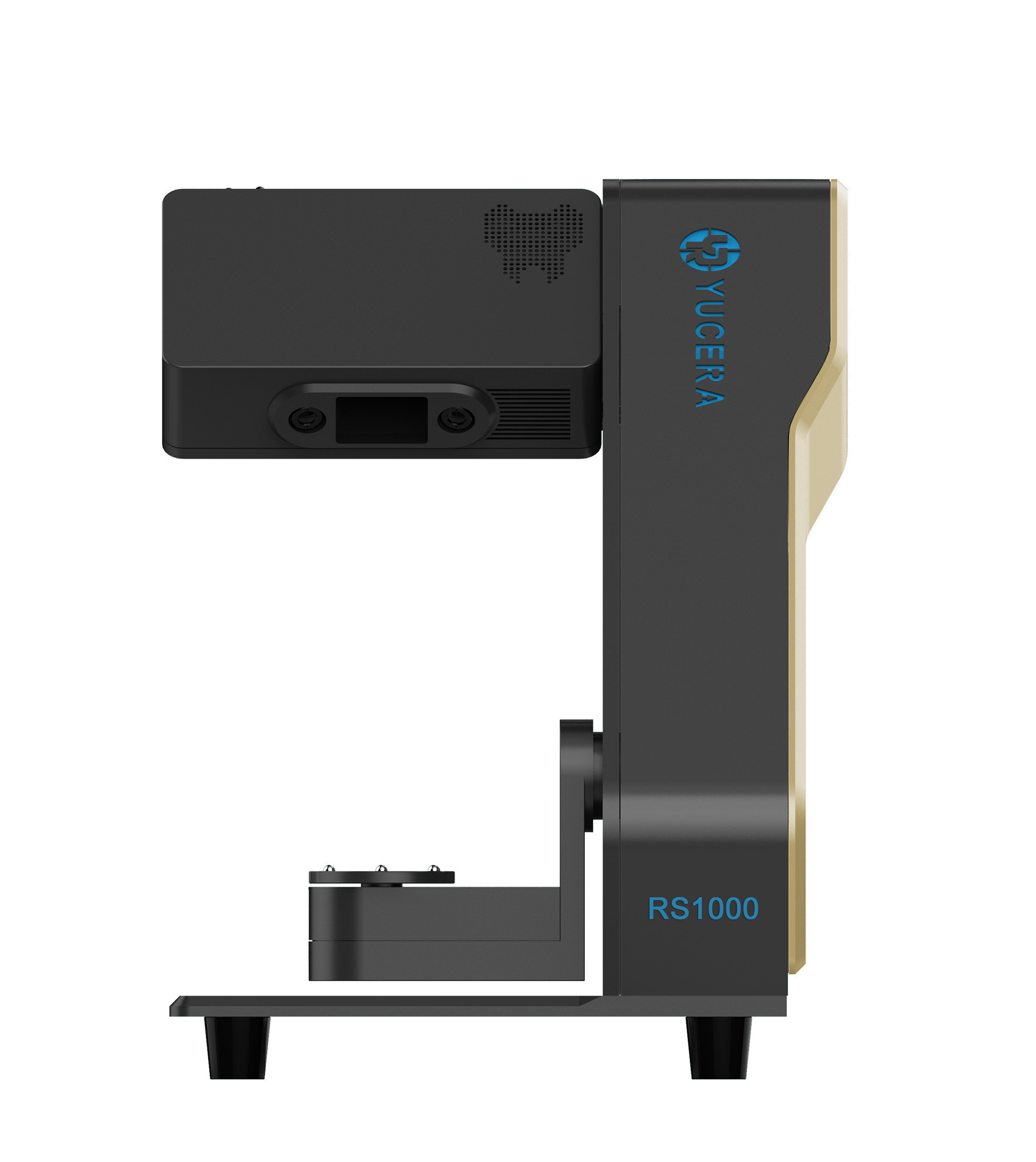
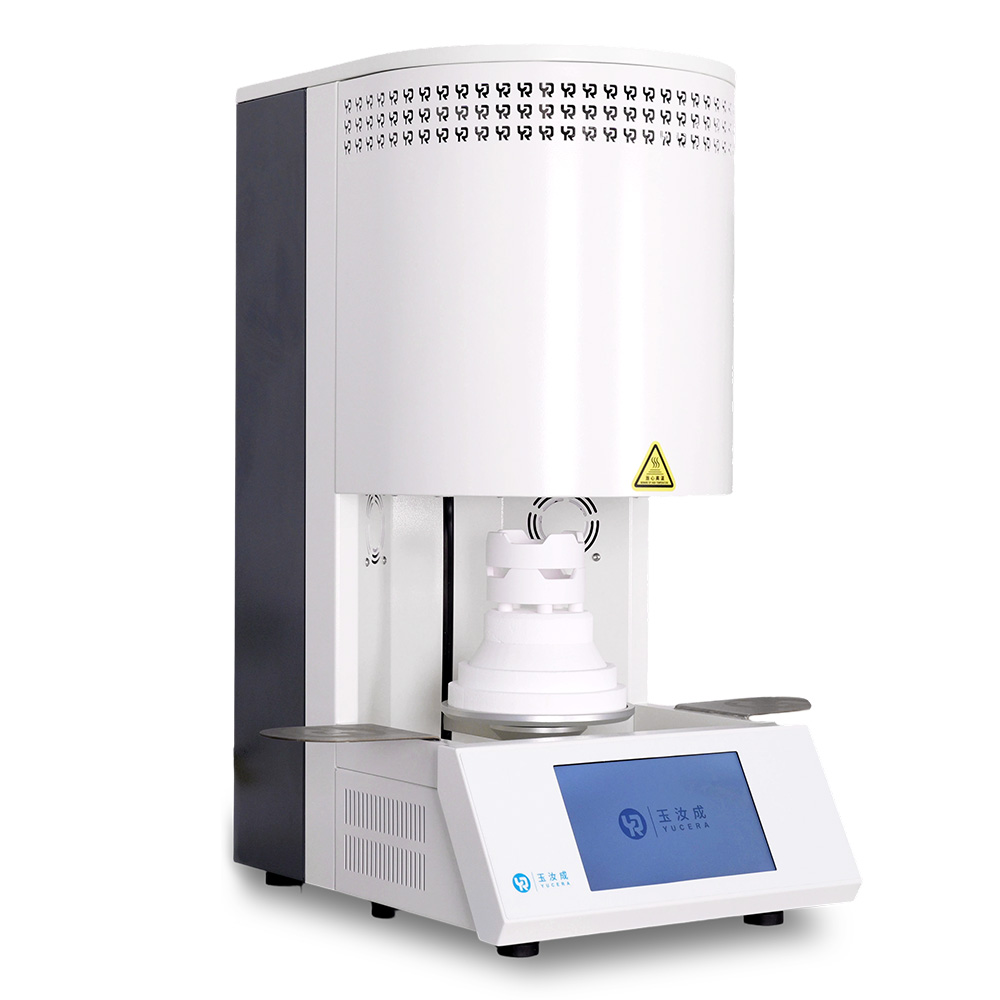
40-min cycle for 60 crowns, dual-layer crucible and 200°C/min heating.
learn more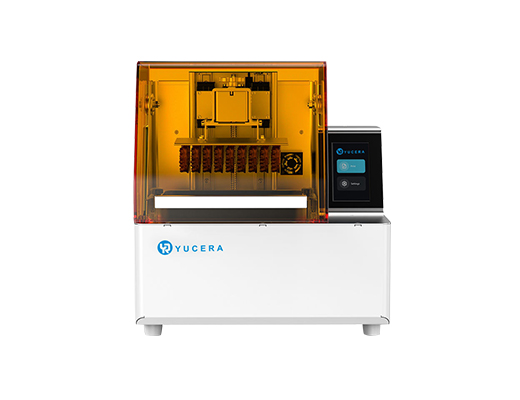
High-speed LCD printer for guides, temporaries, models with 8K resolution.
learn more