


 中 文
中 文
CAD/CAM Glass Ceramic for Dutch Dental Restorations: Aesthetic Advantages & Clinical Application Guide 2026
2026-03-03
2026-06-18
Each section will not only explain the technical parameters but also provide a clear comparison between dental clinics and dental laboratories, as both operate under different production demands, workflow priorities, and material requirements.
By understanding how these factors influence real-world machining performance, readers will be able to make more informed decisions when selecting a milling system that best fits their operational needs—whether for chairside clinical use or high-volume laboratory production.
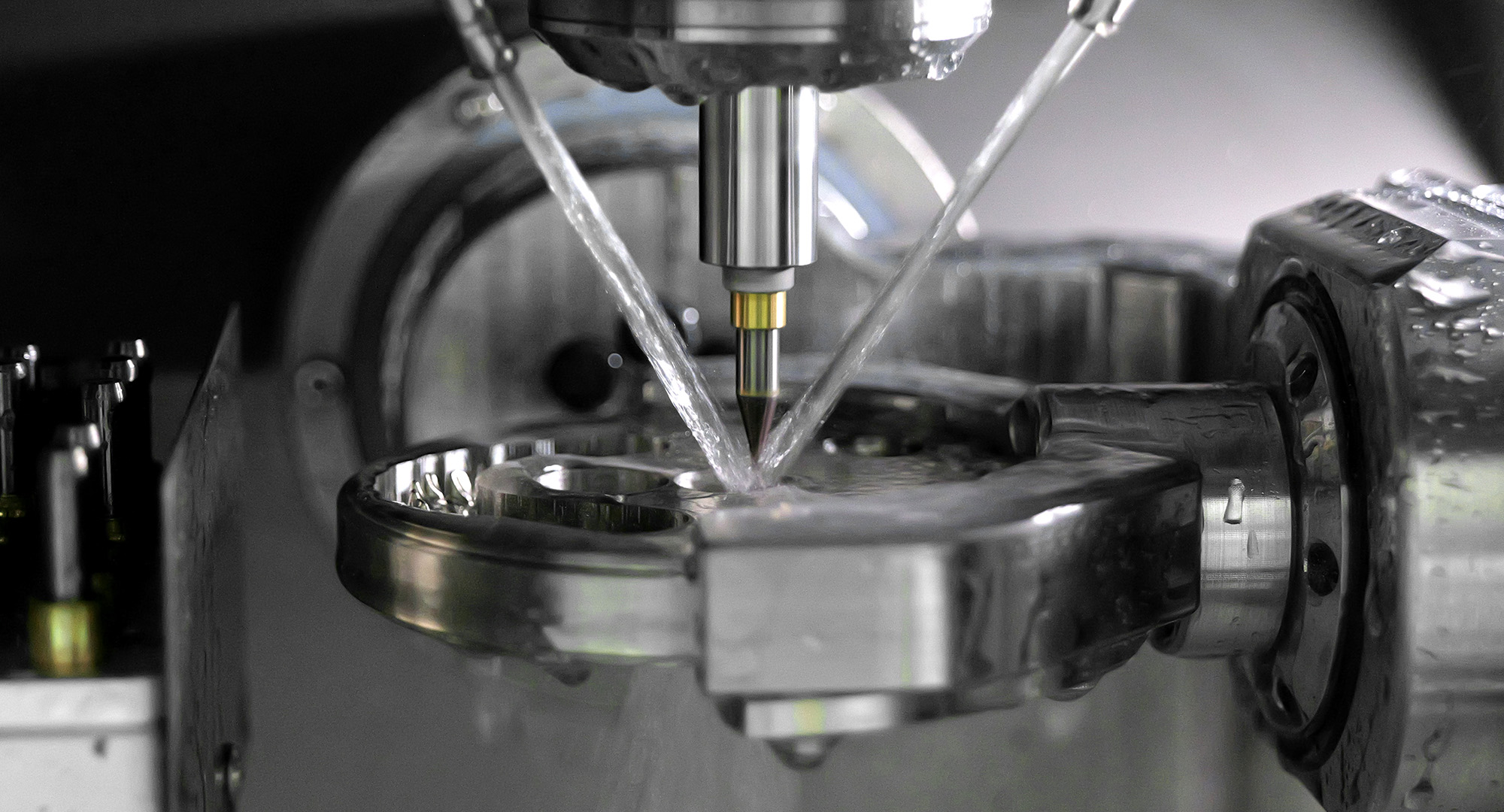
The spindle is one of the most critical components in a dental CAD CAM milling machine, as it directly determines cutting stability, material compatibility, and overall machining performance.
In general, spindle power defines how much resistance the machine can handle while maintaining stable cutting performance. In dental applications, this becomes especially important when processing materials such as zirconia, PMMA, wax, and PEEK.
Dental CAD CAM milling machines typically fall into three categories:
Spindle power affects:
However, higher spindle power does not always guarantee better results. In dental CAD CAM systems, precision, vibration control, and torque stability are often more important than raw power alone.
Dental clinics typically operate under chairside workflows where speed, simplicity, and single-tooth restorations are the primary focus.
In this environment, material selection is more commonly oriented toward glass ceramics (such as lithium disilicate) for high aesthetic anterior restorations, as they offer excellent translucency and are suitable for adhesive bonding protocols.
At the same time, monolithic zirconia is also widely used in clinics, particularly for posterior restorations where higher strength and durability are required.
200W – 800W
Glass ceramic restorations (e.g., anterior crowns, veneers)
Monolithic zirconia crowns (especially posterior cases)
PMMA temporary restorations
Fast turnaround, aesthetic performance, and simplified workflow for single-patient treatments.
800W – 1.2kW (standard range)
Stability + precision + production efficiency
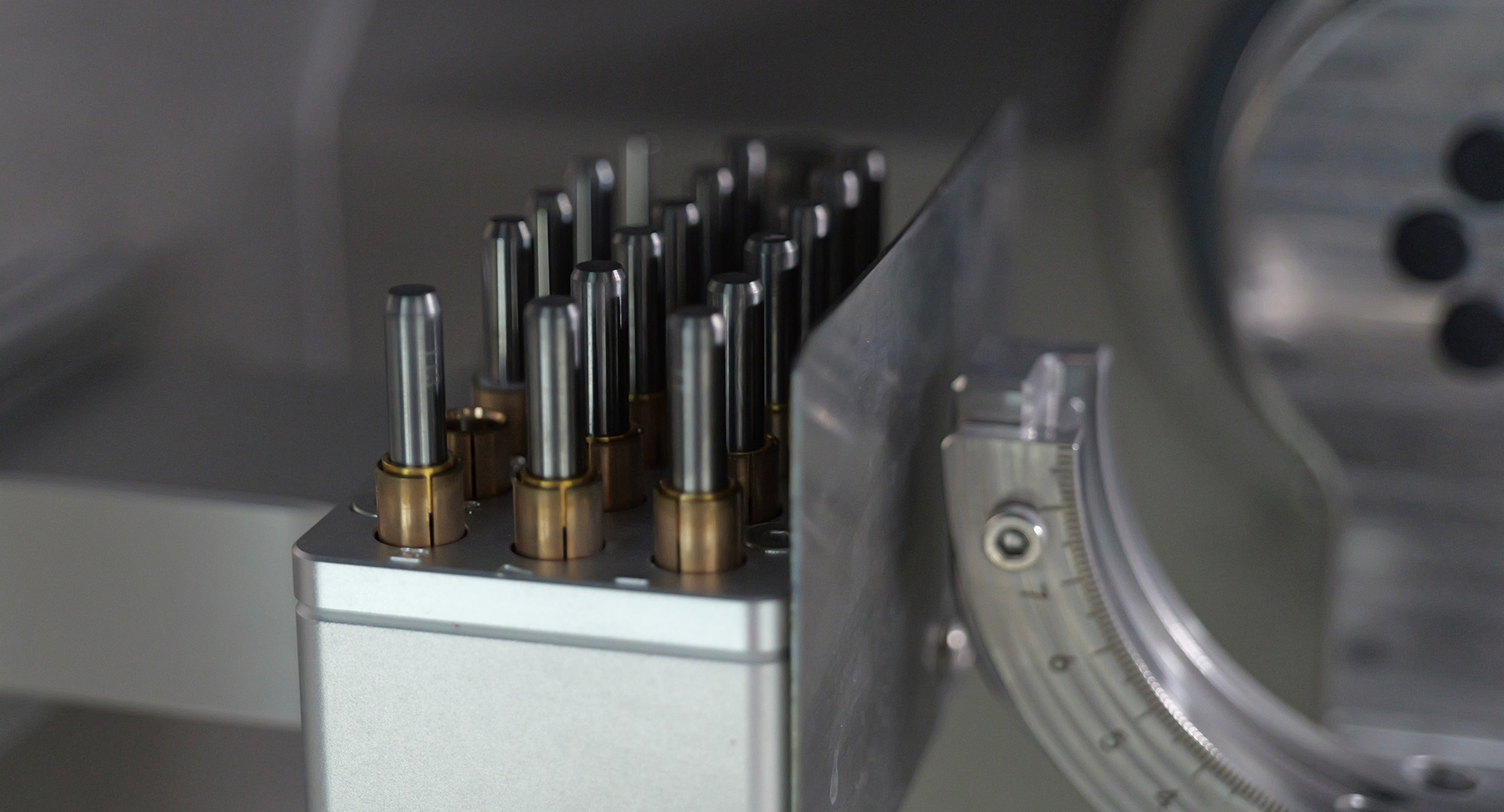
Spindle speed, measured in RPM (revolutions per minute), determines how fast the cutting tool rotates during the milling process. In dental CAD CAM systems, RPM plays a critical role in surface quality, cutting efficiency, and material performance.
Unlike industrial machining, dental milling requires a balance between speed and precision, especially when working with brittle materials such as zirconia or glass ceramics.
Global RPM Range in Dental CAD CAM Systems
Most modern dental CAD CAM machines operate in the medium-high RPM range to ensure stability and precision.
RPM directly affects:
In dental applications, higher RPM is not always better. The key is stability under load and vibration control.
In dental clinics, the priority is fast and predictable chairside restorations with minimal workflow complexity.
Clinics often process materials such as glass ceramics (lithium disilicate) for anterior aesthetic restorations and monolithic zirconia for posterior cases. These materials require different machining sensitivities, especially in terms of cutting stability and heat control.
20,000 – 80,000 RPM
Fast machining with stable performance for single-patient workflows.
Dental laboratories focus on batch production, consistency, and material versatility. Their milling systems must handle continuous operation and a wider range of materials.
60,000 – 100,000 RPM (optimal zone)
Stable high-speed operation with repeatable precision across large production batches.
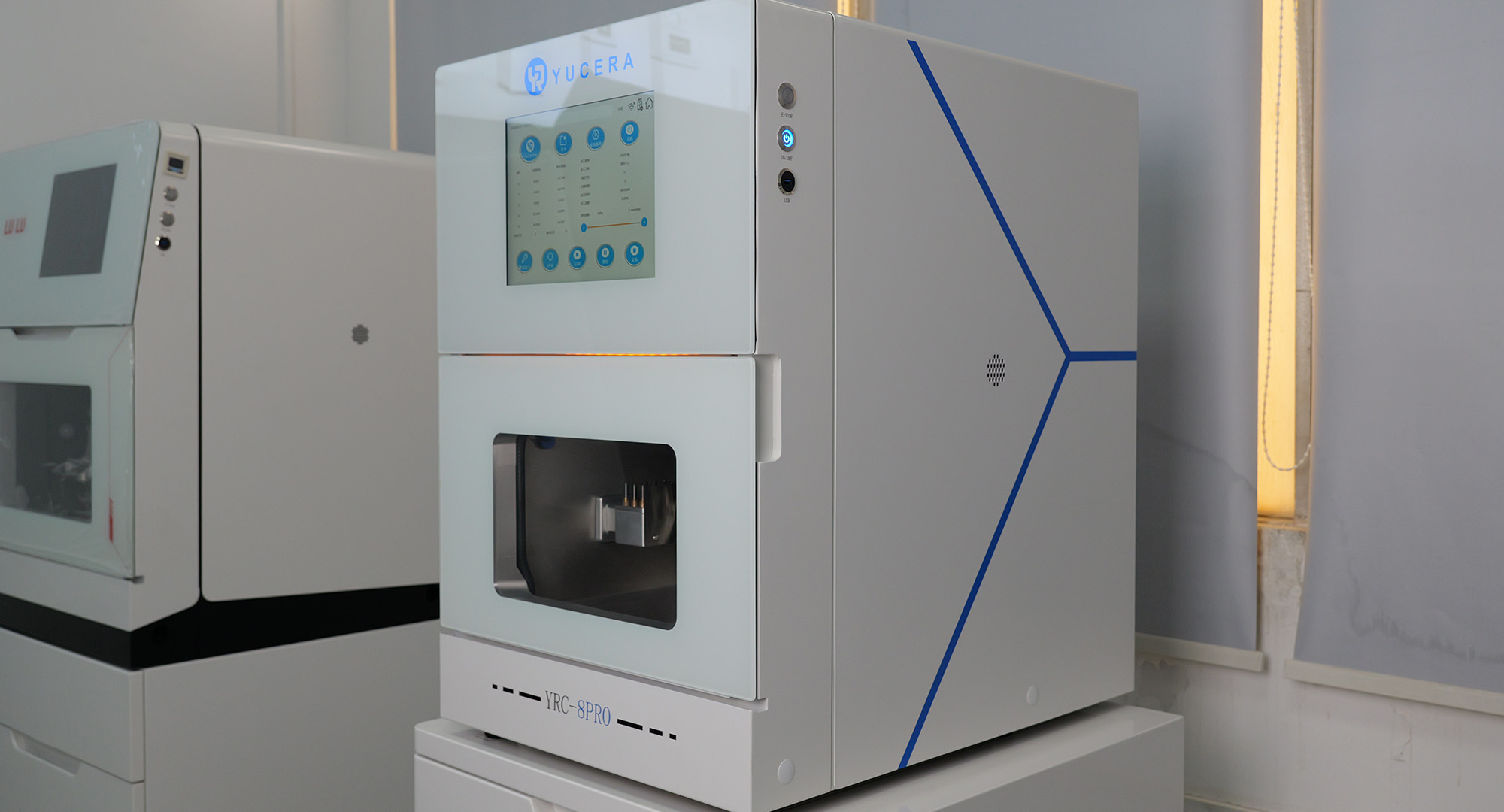
The number of axes in a dental milling machine determines how many directions the cutting tool and material can move. This directly affects the complexity of restorations that can be produced without repositioning.
In dental CAD CAM systems, axis configuration is one of the most important factors influencing accuracy and productivity.
3-axis machines move in linear directions only, without rotational flexibility.
Wax patterns
Basic PMMA restorations
❌ In modern dental CAD CAM workflows, 3-axis systems are mostly considered entry-level or outdated.
4-axis machines add rotational movement around one axis, improving flexibility compared to 3-axis systems.
Restricted geometry for complex restorations
Less efficient for bridges and full anatomical designs
machines are currently the global standard in dental CAD CAM manufacturing.
They combine linear and dual rotational movement, allowing full anatomical milling without repositioning.
Clinics prioritize compact systems and single-patient workflows. Simpler axis configurations are often sufficient for their production needs.
4-axis or compact systems
Simplicity, speed, and minimal operator intervention
Laboratories require high flexibility and precision for complex restorations and batch production.
systems (industry standard)
Accuracy, versatility, and production efficiency

Dry & wet milling for zirconia, PMMA, wax with auto tool changer.
learn more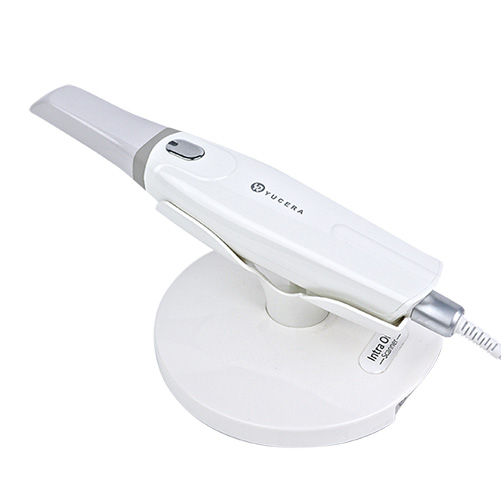
High-precision 3D scanning, AI calibration, full-arch accuracy.
learn more
40-min full sintering with 57% incisal translucency and 1050 MPa strength.
learn more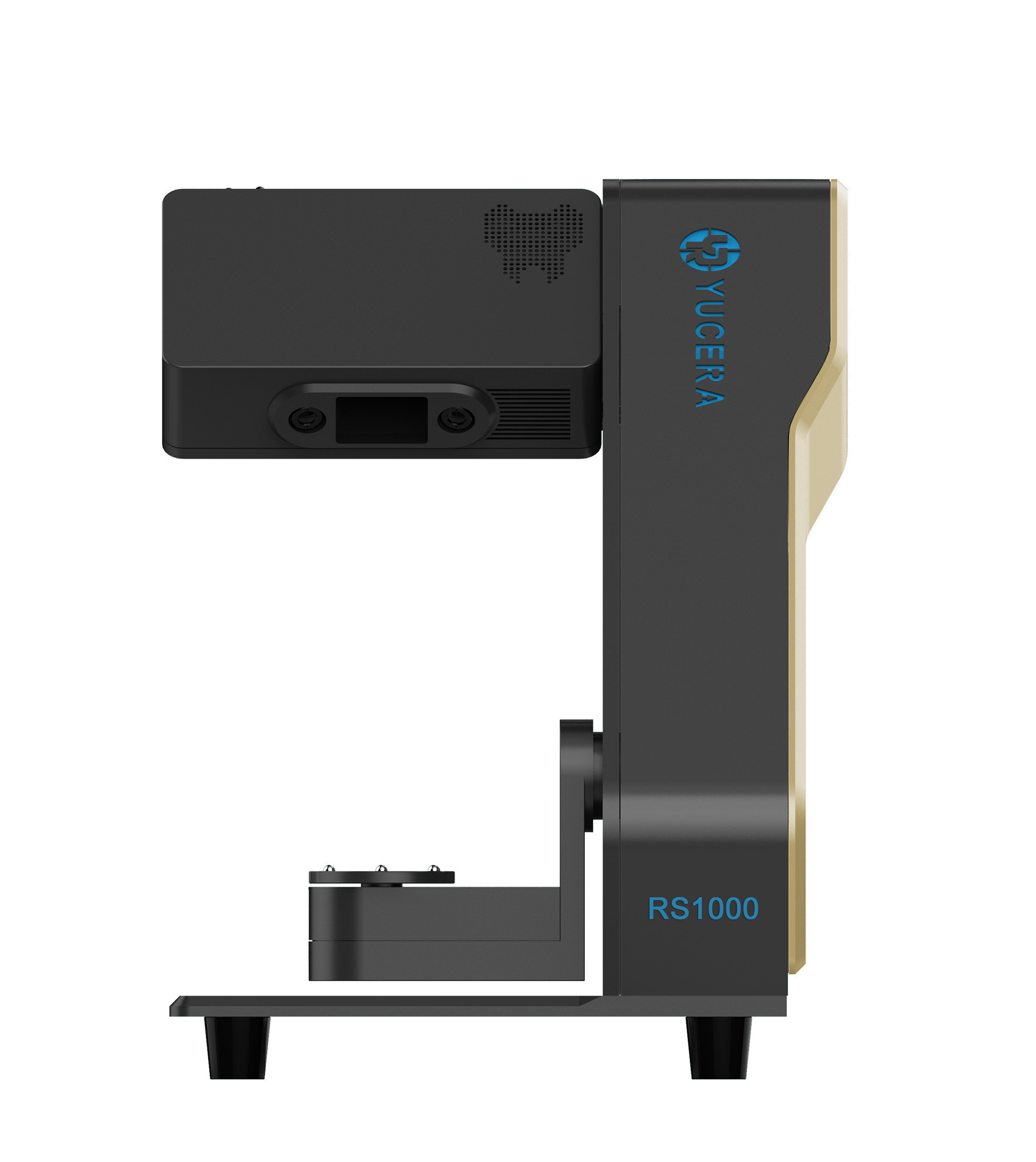
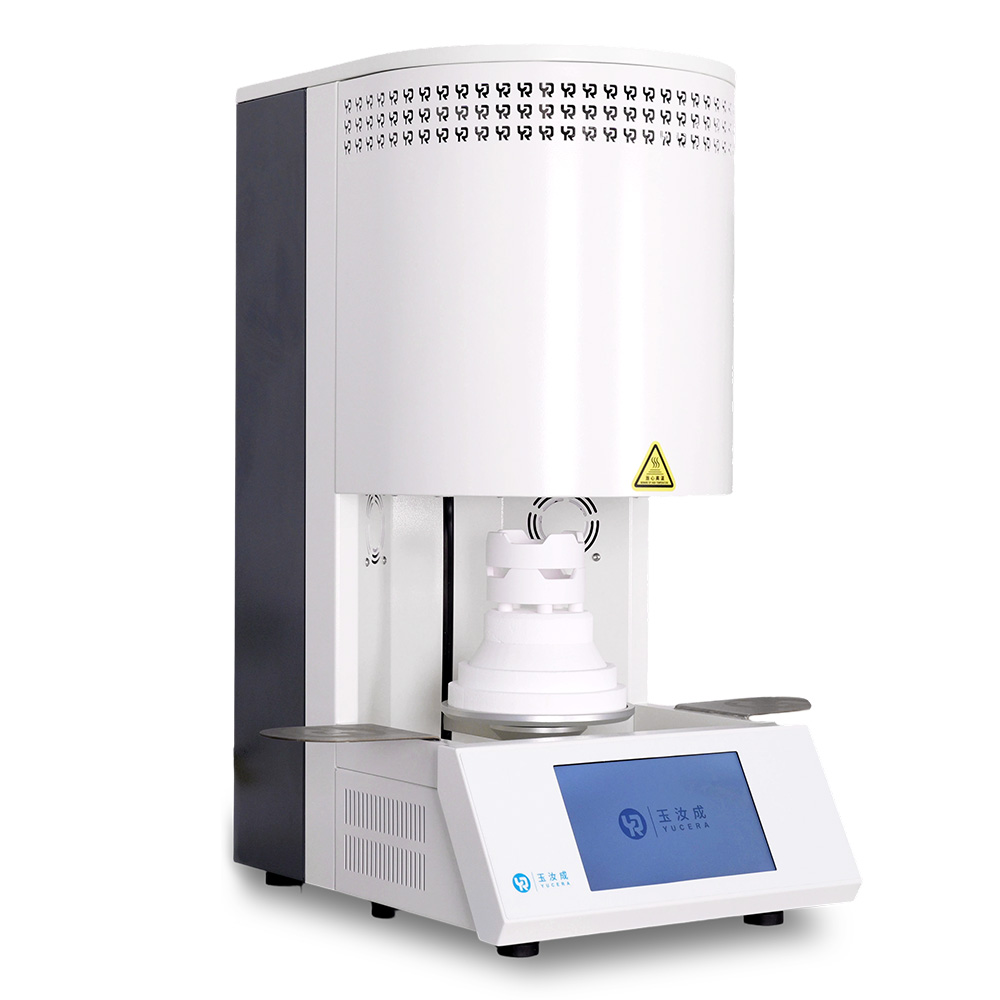
40-min cycle for 60 crowns, dual-layer crucible and 200°C/min heating.
learn more
High-speed LCD printer for guides, temporaries, models with 8K resolution.
learn more


2026-03-03

2025-12-15

2026-03-13


