中 文
中 文
North America Dental CAD/CAM Market Dominance: US and Canada Technological Leadership Analysis
2026-01-16
2026-01-03
Brazil's dental laboratory sector is undergoing rapid digital transformation, with small and medium-sized labs (typically 5–25 technicians) increasingly adopting CAD/CAM systems to stay competitive. As of 2026, Brazil's dental devices market is valued at approximately USD 275 million and projected to grow at a CAGR of 5.8% toward USD 365 million by the end of the decade. CAD/CAM adoption is a key driver, particularly in the Southeast region (São Paulo and Rio de Janeiro), where urban demand for faster, precise restorations pushes labs to modernize.
Traditional analog workflows rely on manual wax-ups, plaster models, porcelain layering, and extensive technician time—processes prone to human error, material overuse, and delays. CAD/CAM shifts production to digital design (CAD) and automated milling or 3D printing (CAM), delivering substantial savings in labor and materials for small-to-medium labs.

Brazil's dental labs face unique pressures: high caries prevalence, growing aesthetic demand, and competition from chairside systems in urban clinics. Small and medium labs, dominant in the interior and smaller cities, use CAD/CAM to compete by offering faster, lower-cost services to dentists.
Many adopt entry-level or mid-range milling units and scanners, often through financing or leasing, to minimize upfront costs. The digital dentistry market in Brazil, valued at around USD 462 million in recent years, continues growing at ~3% CAGR, with CAD/CAM devices and materials leading adoption.
Real benefits include:
Challenges remain: initial equipment costs, training needs, and reliable power/internet in some regions. However, government health initiatives and rising private insurance coverage support digital transitions, making CAD/CAM accessible even for smaller operations.
For small and medium dental laboratories in Brazil, CAD/CAM equipment represents a game-changing investment in 2026. By automating workflows, optimizing materials, and boosting efficiency, these labs achieve meaningful reductions in labor (up to 30%) and material costs while improving quality and speed. As digital adoption accelerates, Brazilian labs embracing CAD/CAM gain a clear competitive edge in a market prioritizing precision, aesthetics, and affordability.

Dry & wet milling for zirconia, PMMA, wax with auto tool changer.
learn more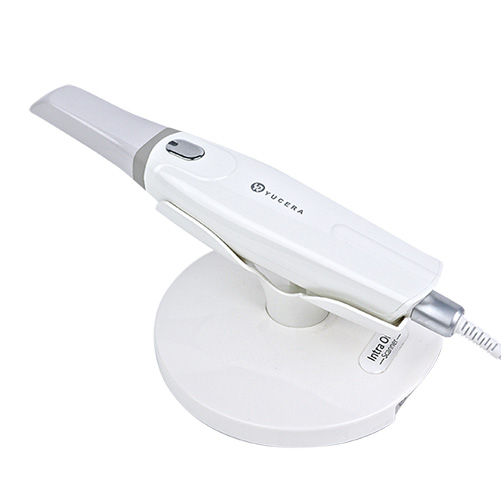
High-precision 3D scanning, AI calibration, full-arch accuracy.
learn more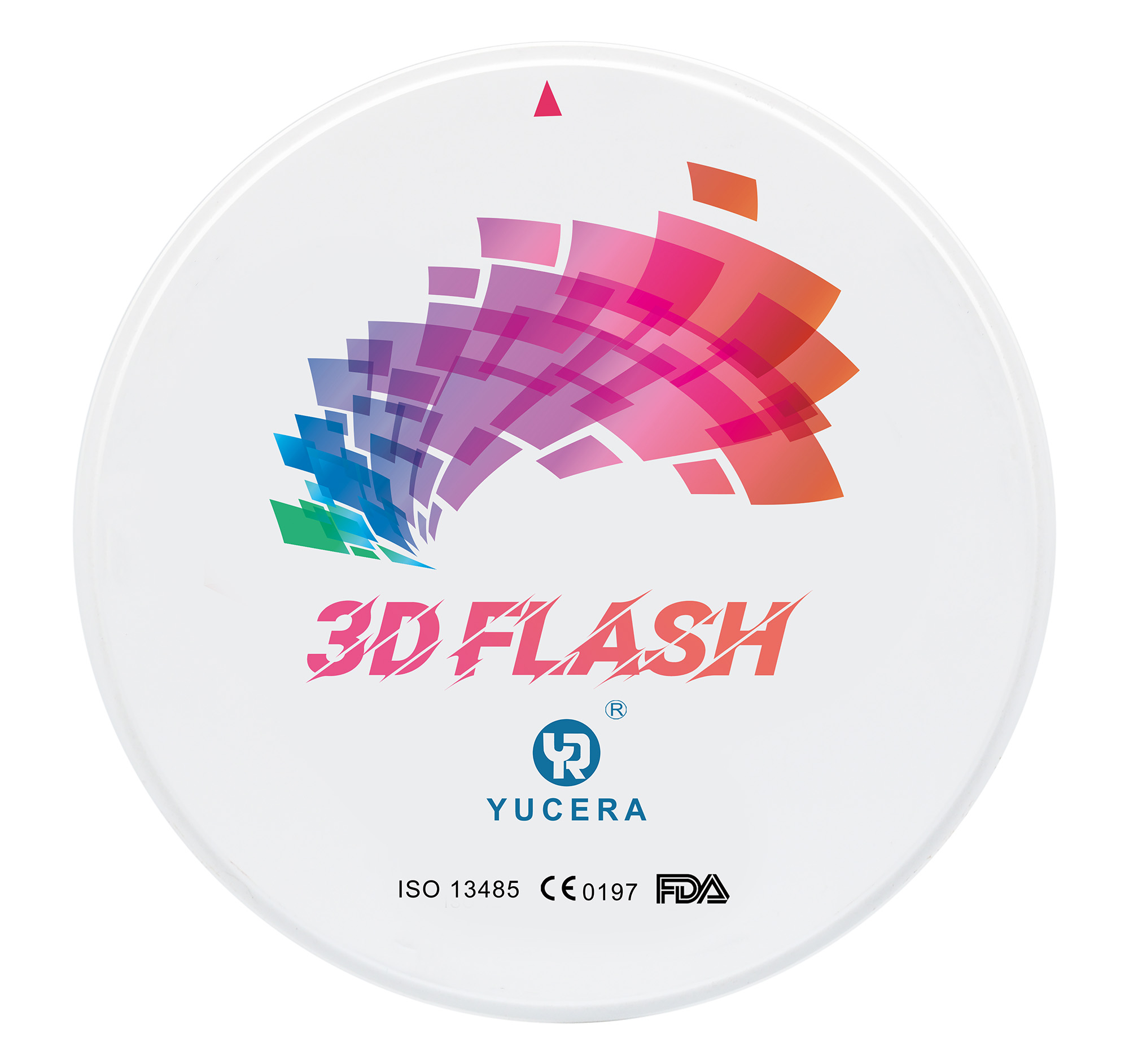
40-min full sintering with 57% incisal translucency and 1050 MPa strength.
learn more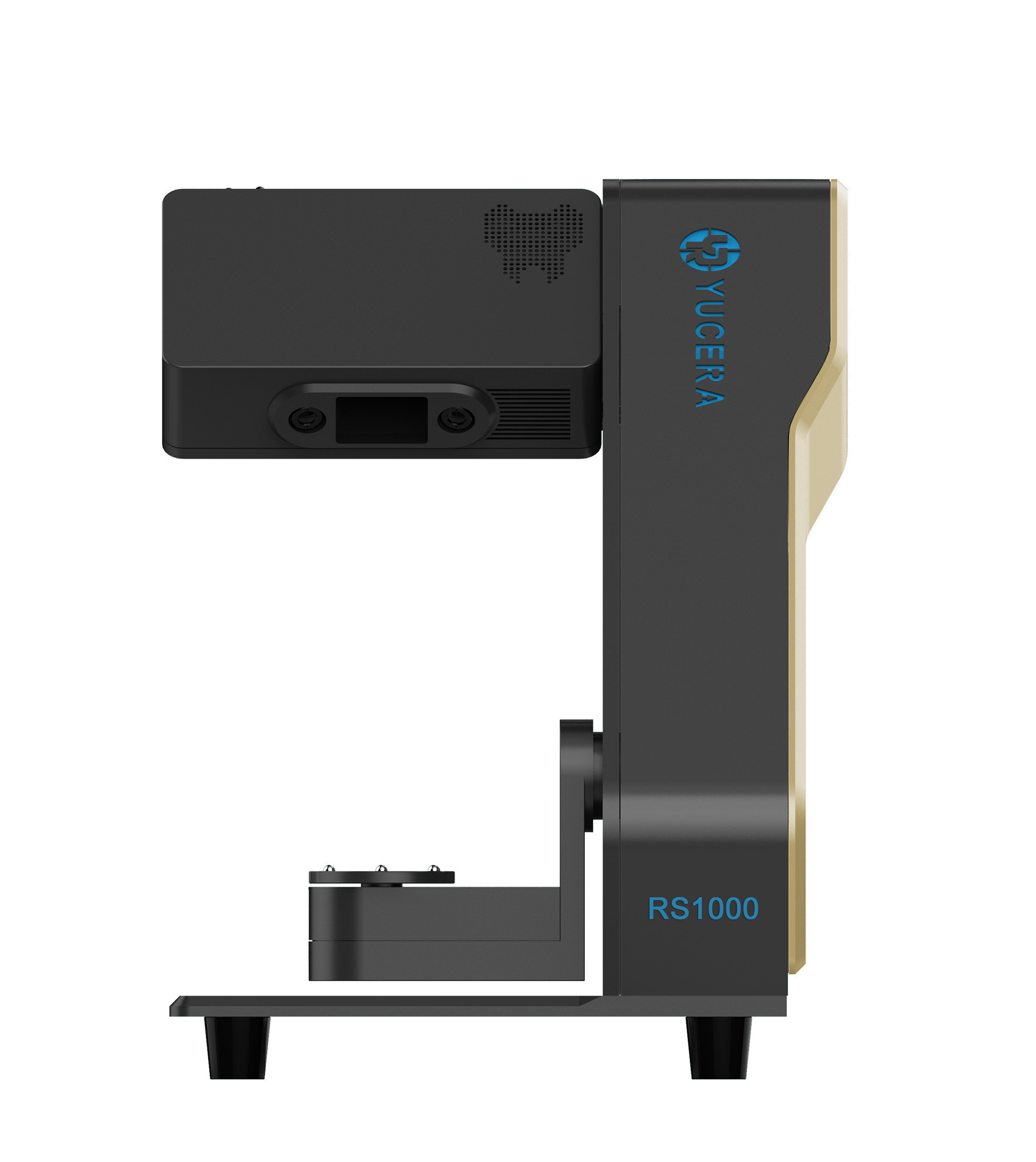
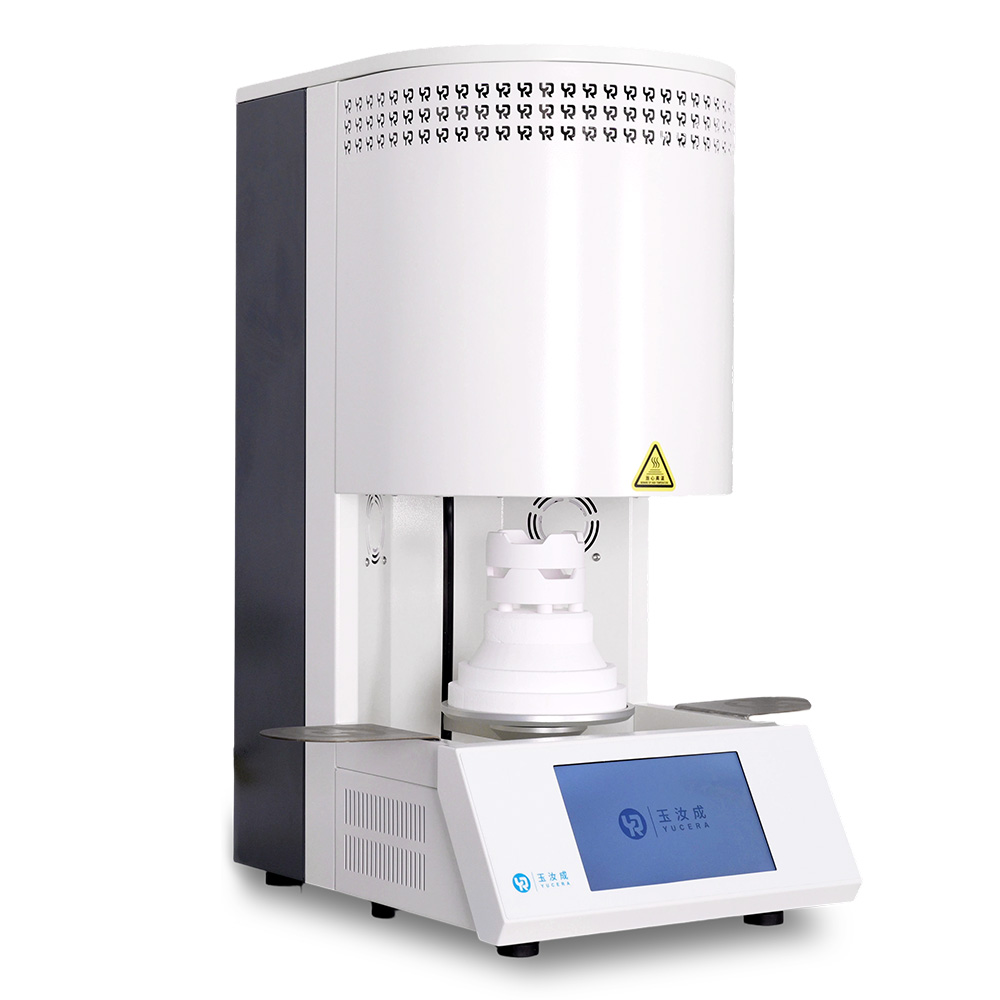
40-min cycle for 60 crowns, dual-layer crucible and 200°C/min heating.
learn more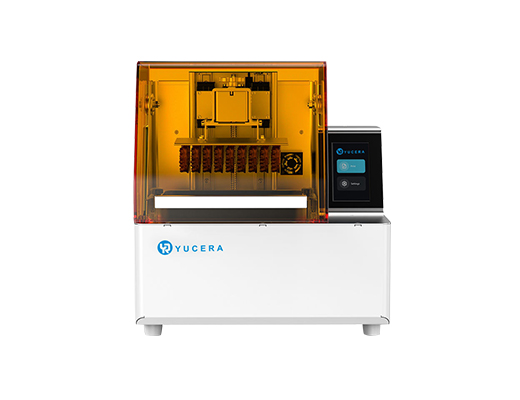
High-speed LCD printer for guides, temporaries, models with 8K resolution.
learn more