中 文
中 文

Why Dental Laboratories Must Compete on Value, Not Price
2026-08-04
2026-05-30
Clear aligner therapy has become one of the fastest-growing segments in digital orthodontics. Patients increasingly seek aesthetic, removable alternatives to conventional orthodontic appliances, while clinics look for workflows that improve efficiency and treatment predictability.
Although aligner design software and manufacturing technologies continue to evolve, the success of every clear aligner case still depends on one critical factor: the quality of the initial patient data.
A clear aligner can only fit as accurately as the digital model used to create it. Any distortion, missing anatomy, or inaccurate occlusal registration at the beginning of the workflow can affect treatment planning and aligner fit throughout the entire treatment process.
This is why intraoral scanners have become an essential component of modern clear aligner workflows. By capturing highly detailed digital impressions and enabling seamless data transfer, intraoral scanners help orthodontic clinics establish a more predictable and efficient treatment pathway.
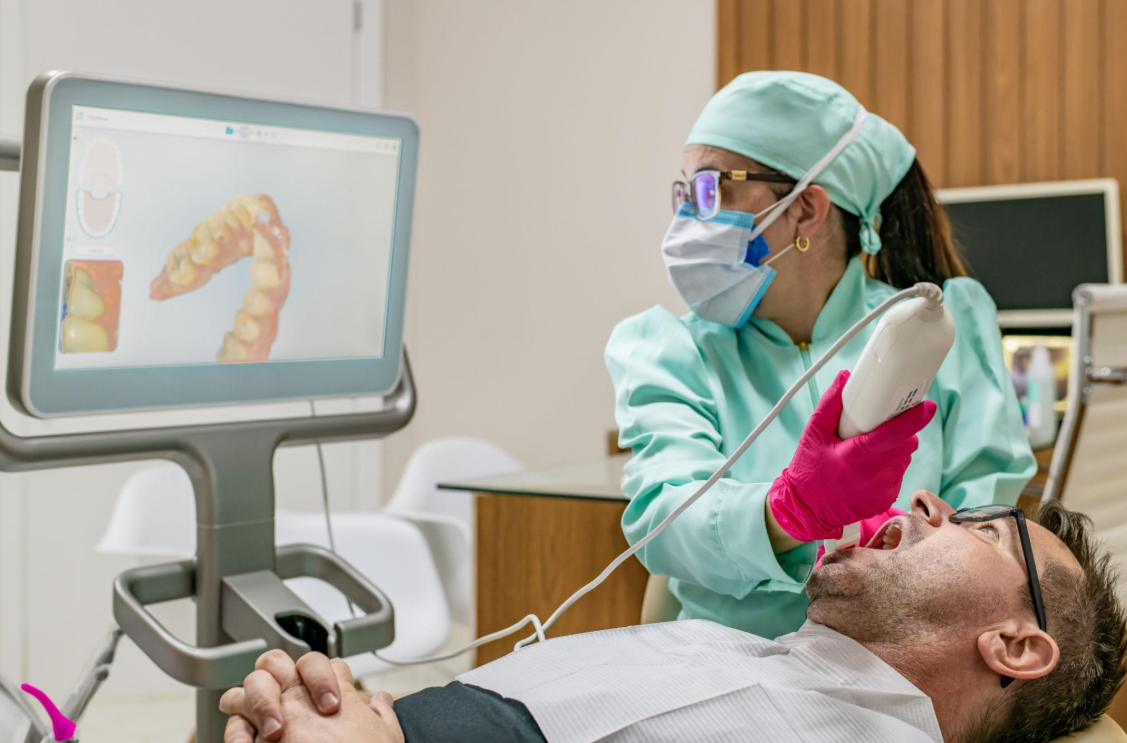
Every clear aligner treatment starts with a digital representation of the patient's dentition.
The scan data serves as the foundation for:
Unlike restorative cases that may focus on a single tooth or quadrant, clear aligner treatments typically involve the entire dental arch. Even minor inaccuracies can accumulate across multiple teeth and affect aligner adaptation.
Common issues associated with incomplete or inaccurate impressions include:
For this reason, obtaining a complete and accurate digital impression is one of the most important steps in achieving predictable aligner outcomes.
Traditional impression materials have been widely used in orthodontics for decades. However, they introduce several variables that may affect data consistency.
Potential challenges include:
Digital intraoral scanning reduces many of these variables by directly capturing three-dimensional anatomical data inside the oral cavity.
The digital workflow eliminates the need for physical impression shipping and allows clinicians to immediately review scan quality before submitting the case.
This ability to verify data in real time can significantly reduce the likelihood of errors entering the aligner manufacturing process.
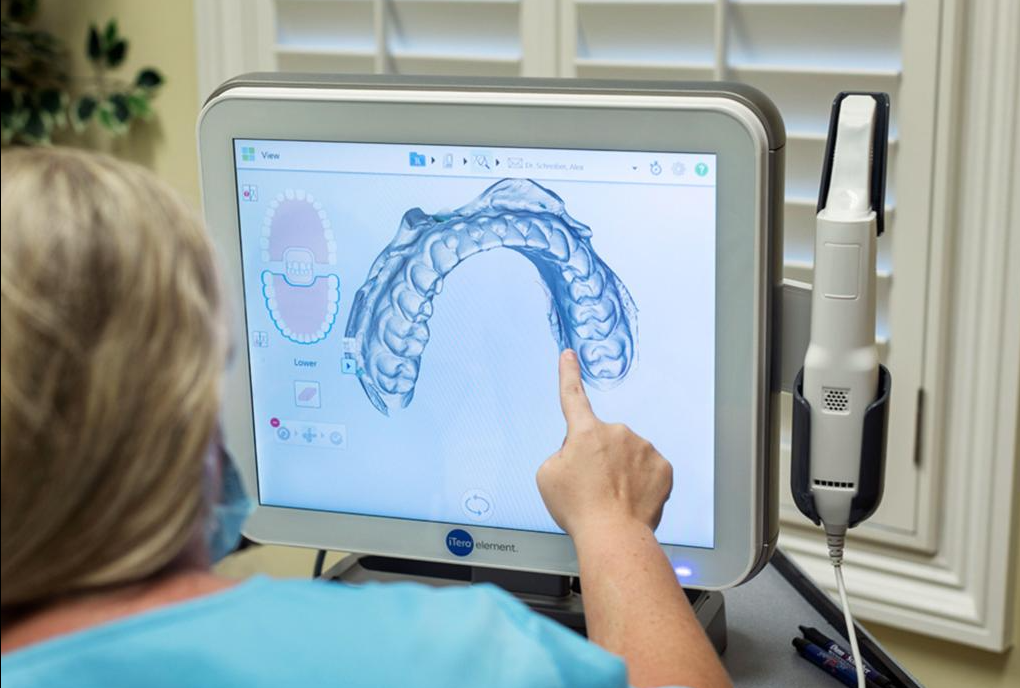
Clear aligners depend on precise adaptation to tooth surfaces.
Modern intraoral scanners can capture detailed information including:
The quality of these datasets supports more reliable virtual treatment planning and aligner design.
For orthodontic applications, the ability to accurately record both arches and occlusal relationships is particularly important because tooth movement is planned across the entire dentition rather than isolated treatment zones.
Most clear aligner cases require complete upper and lower arch scans.
Scanning efficiency affects both patient experience and clinic productivity.
Advanced scanners capable of full-arch acquisition within a short scanning time can help clinicians:
For busy orthodontic practices, workflow efficiency becomes increasingly valuable as aligner case volume grows.
Successful aligner treatment requires accurate bite records.
Digital bite registration enables clinicians to capture occlusal relationships directly within the scanning workflow.
Accurate occlusal data supports:
This information helps aligner planning software generate more realistic treatment models and movement sequences.
Traditional workflows may require multiple steps before a case reaches the planning stage.
Digital scanning streamlines this process by generating files that can be transferred immediately to treatment planning teams or aligner production facilities.
Common export formats such as:
support compatibility with a wide range of orthodontic software systems and digital manufacturing workflows.
This open workflow approach offers greater flexibility for clinics and laboratories.
Visualization is an important aspect of patient education.
Digital scans allow clinicians to show patients detailed 3D representations of their dentition during consultations.
Benefits include:
Patients can often better appreciate treatment recommendations when they can visualize their current oral condition in a digital format.
Physical impressions require storage space and may deteriorate over time.
Digital scan files can be archived electronically, enabling clinicians to:
This contributes to a more organized and scalable orthodontic workflow.
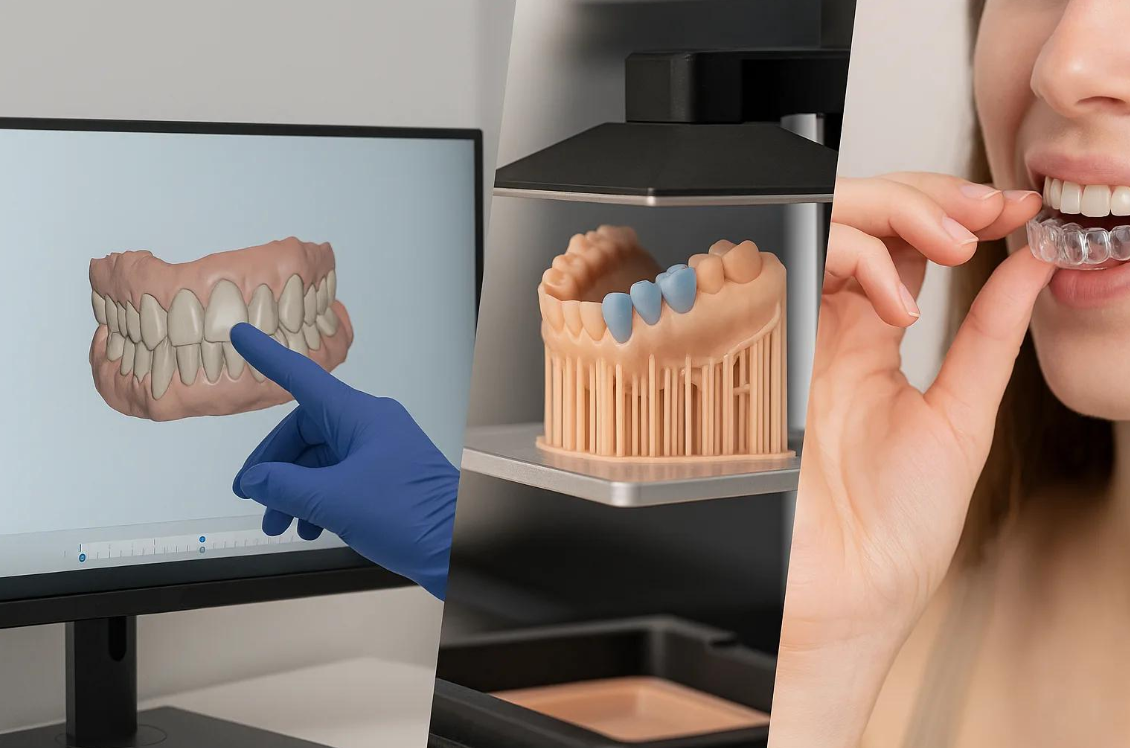
Once digital impressions are captured, scan data enters the aligner production workflow.
The process typically includes:
Each stage depends on the quality of the original scan.
High-quality scan data supports:
Because aligners are produced based on digital models, precise data acquisition remains one of the most important factors influencing overall treatment predictability.
When evaluating an intraoral scanner for orthodontic applications, clinicians often consider several technical factors.
Consistency in repeated scans is essential for monitoring treatment progress and generating reliable aligner models.
Both accuracy and precision contribute to dependable digital records.
Faster scanning can improve patient comfort and reduce chairside time.
This becomes particularly important in high-volume orthodontic environments.
Clear aligner treatments require complete arch data.
Scanners designed for stable full-arch acquisition can help improve overall workflow reliability.
Export compatibility enables integration with various treatment planning and manufacturing systems.
Open architecture workflows provide clinics with greater flexibility when selecting digital partners.
Lightweight scanners and compact scanning tips can improve accessibility, especially when scanning posterior regions and patients with limited mouth opening.
As clear aligner adoption continues to expand globally, orthodontic practices increasingly rely on digital technologies to improve efficiency and treatment consistency.
Modern intraoral scanners support this transformation by enabling:
For clinics seeking to establish a more predictable clear aligner workflow, investing in high-quality digital impression technology is often one of the most impactful steps in the digital orthodontic journey.
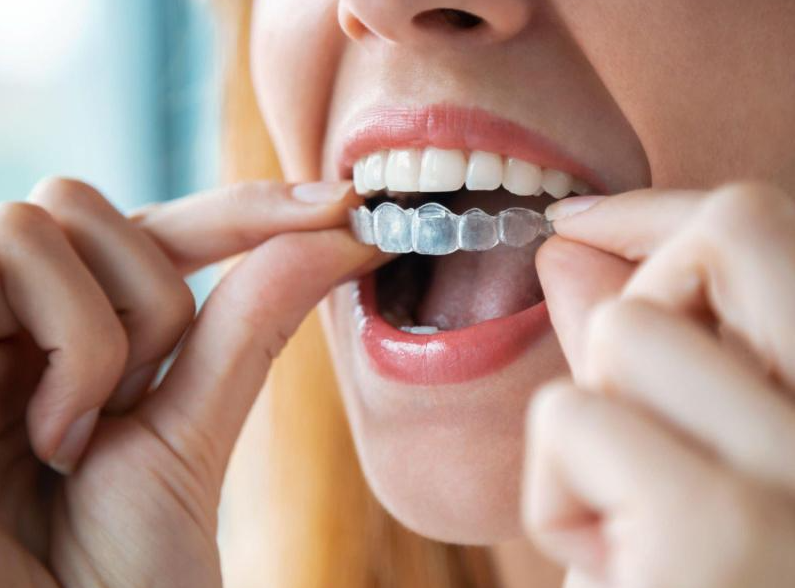
Clear aligner therapy depends on accurate data from the very beginning of treatment. Digital impressions captured with modern intraoral scanners provide the foundation for diagnosis, treatment planning, aligner fabrication, and long-term case monitoring.
By improving data quality, reducing workflow variability, and supporting efficient digital communication, intraoral scanners help orthodontic clinics achieve a more predictable and scalable clear aligner workflow.
As digital orthodontics continues to evolve, reliable scanning technology will remain a key component in delivering consistent aligner treatment outcomes and improving the overall patient experience.

Dry & wet milling for zirconia, PMMA, wax with auto tool changer.
learn more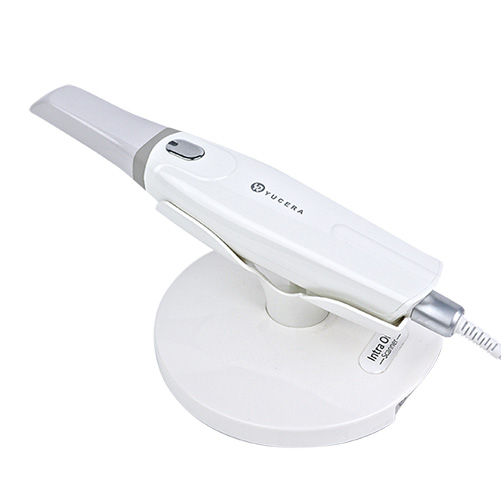
High-precision 3D scanning, AI calibration, full-arch accuracy.
learn more
40-min full sintering with 57% incisal translucency and 1050 MPa strength.
learn more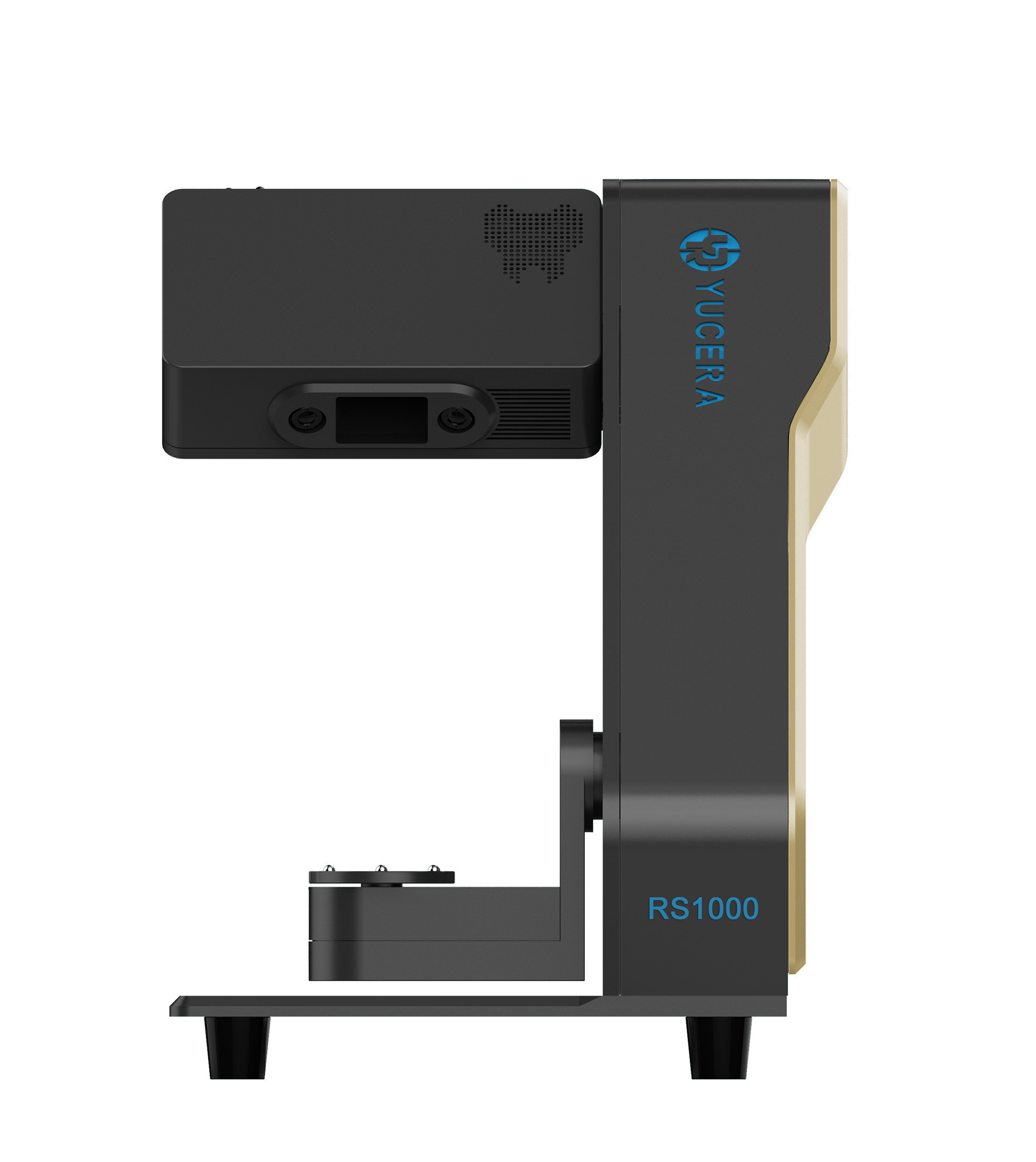
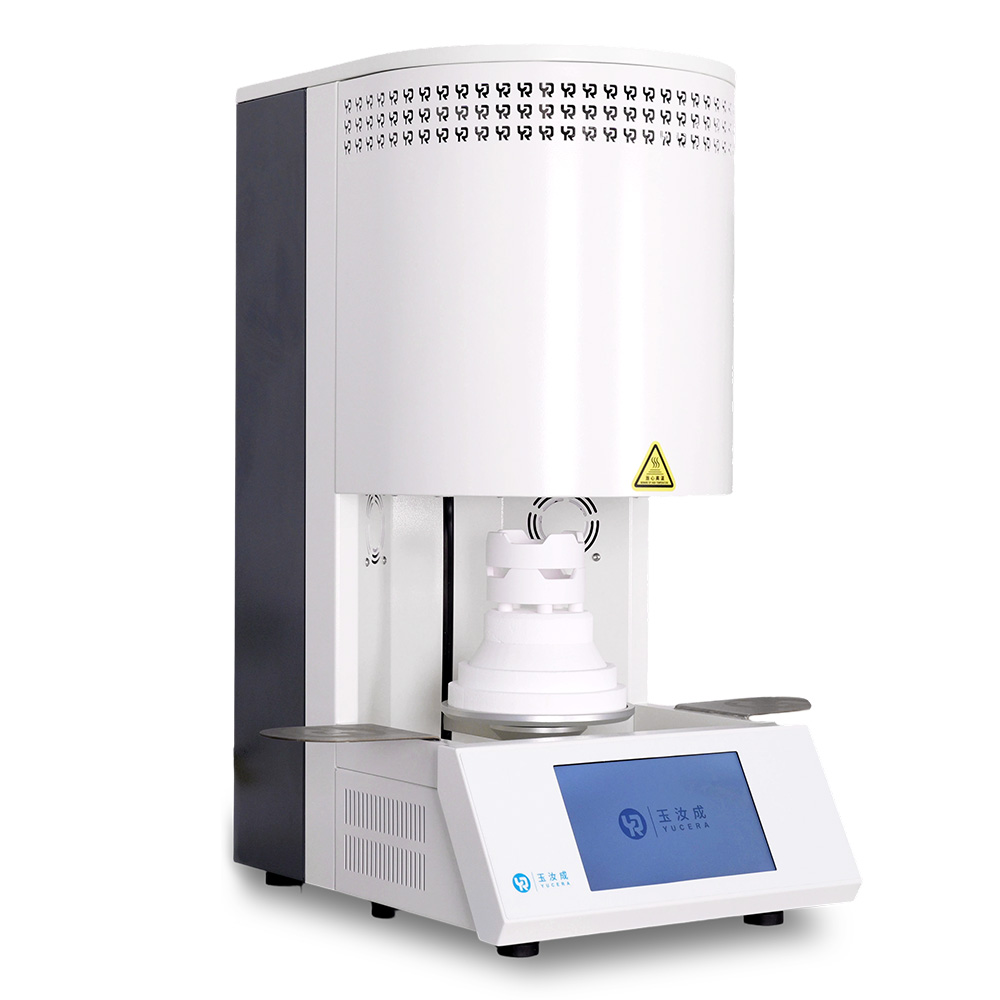
40-min cycle for 60 crowns, dual-layer crucible and 200°C/min heating.
learn more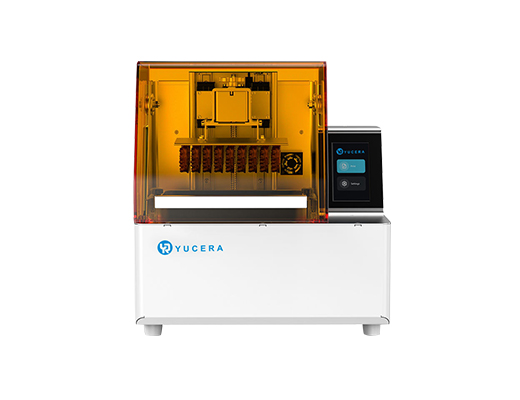
High-speed LCD printer for guides, temporaries, models with 8K resolution.
learn more