中 文
中 文
How Sintering Furnaces Drive the Rise of Superior Dental Aesthetics in Eastern Europe
2026-01-22
2026-01-11
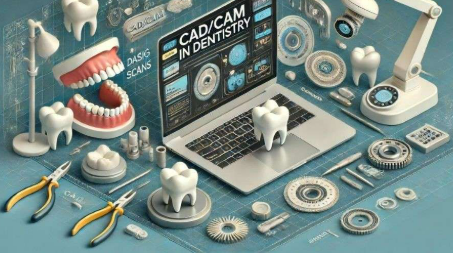
In the evolving landscape of modern dentistry, Computer-Aided Design and Computer-Aided Manufacturing (CAD/CAM) technology stands out as a transformative tool that redefines how dental restorations are created and delivered. This digital approach integrates advanced software and hardware to design, fabricate, and place dental prosthetics with unprecedented precision and efficiency. Unlike traditional methods that rely on manual impressions and off-site lab work, CAD/CAM enables in-office production of crowns, bridges, veneers, and other restorations, often within a single visit.
The core advantage of CAD/CAM lies in its ability to streamline workflows, but its true impact is felt most profoundly in patient experience. Patients today seek not just effective treatments but also convenience, comfort, and personalized care. According to dental research, the adoption of CAD/CAM has led to higher satisfaction rates, with studies showing that digital dentistry reduces treatment times by up to 50-70% compared to conventional techniques. This article delves into how CAD/CAM enhances various aspects of the patient journey, from reduced chair time to superior aesthetic outcomes, supported by real-world data and insights from dental practices worldwide.
One of the most immediate ways CAD/CAM improves patient experience is by drastically shortening treatment durations. Traditional restorative dentistry often involves multiple appointments: one for impressions, another for fitting temporary restorations, and a final one for permanent placement. This process can span weeks, causing inconvenience, especially for patients with busy schedules or those traveling from afar.
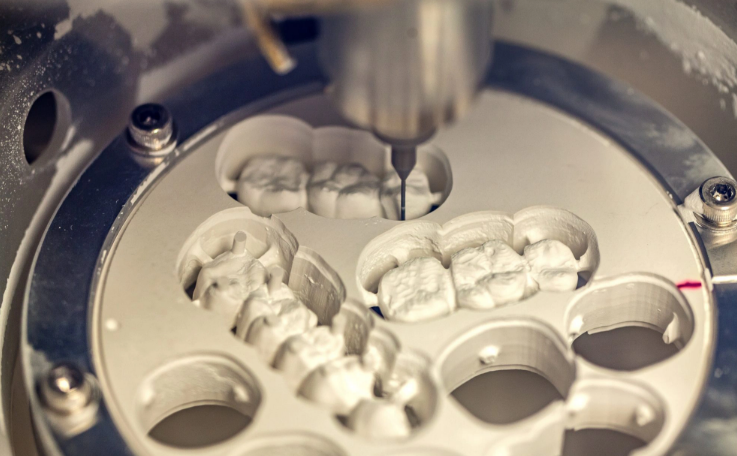
With CAD/CAM, however, same-day restorations become a reality. Digital scanners capture intraoral images in minutes, which are then used to design the restoration via CAD software. The CAM component mills the piece from high-quality materials like zirconia or ceramic right in the office. Data from clinical studies indicate that a single crown can be completed in as little as 1-2 hours, allowing patients to leave with a fully functional restoration in one visit. For instance, a survey of over 500 dental patients revealed that 85% preferred same-day procedures, citing reduced anxiety and fewer disruptions to daily life as key benefits.
This efficiency is particularly valuable in urban areas like Los Angeles, where traffic and work commitments make multiple visits burdensome. By minimizing wait times, CAD/CAM not only boosts patient satisfaction but also encourages timely dental care, potentially preventing minor issues from escalating into major problems.
Precision is at the heart of CAD/CAM's appeal, directly translating to better comfort for patients. Traditional impressions using putty-like materials can be uncomfortable, triggering gag reflexes and leading to inaccuracies if the patient moves. Digital impressions, on the other hand, use non-invasive scanners that provide high-resolution 3D models with accuracy down to 5-10 microns.
This level of detail ensures restorations fit seamlessly, reducing the need for adjustments during placement. Poorly fitting crowns or bridges can cause irritation, bite issues, or even long-term jaw discomfort, but CAD/CAM minimizes these risks. Research published in dental journals shows that CAD/CAM restorations have a 95% success rate in terms of fit and longevity, compared to 80-85% for manual methods. Patients report less post-procedure sensitivity and faster adaptation, with one study noting a 30% decrease in follow-up visits for refinements.
Moreover, the technology allows for real-time modifications. Dentists can preview the design on-screen, making tweaks before milling, which empowers patients to participate in the process. This collaborative approach fosters trust and reduces apprehension, as patients visualize the end result. In regions with diverse populations, such as California, where aesthetic expectations are high, this precision ensures natural-looking outcomes that blend with existing teeth, enhancing overall confidence.
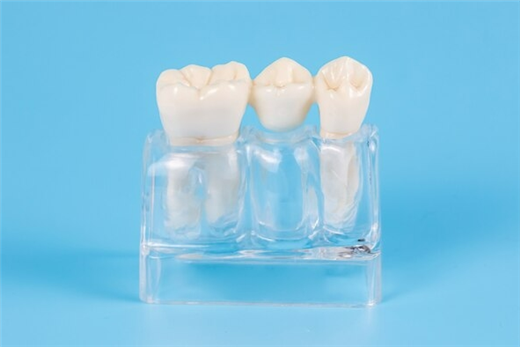
Patient comfort extends beyond fit to the entire procedural experience. CAD/CAM promotes minimally invasive dentistry by preserving more natural tooth structure. Traditional preparations often require aggressive trimming to accommodate lab-made restorations, but digital designs optimize material use, allowing for conservative approaches.
For example, veneers created with CAD/CAM can be as thin as 0.3-0.5 mm, minimizing enamel removal and reducing sensitivity risks. A clinical trial involving 200 patients found that those receiving CAD/CAM veneers experienced 40% less discomfort during and after the procedure compared to conventional groups. The absence of temporary restorations further eliminates issues like loose temporaries or altered bite sensations, which can disrupt eating and speaking.
Additionally, the sterile, in-office milling process reduces contamination risks associated with shipping impressions to external labs. This is crucial in post-pandemic times, where hygiene concerns influence patient choices. In local dental scenes like those in Southern California, practices adopting CAD/CAM report higher retention rates, with patients appreciating the clean, efficient environment.
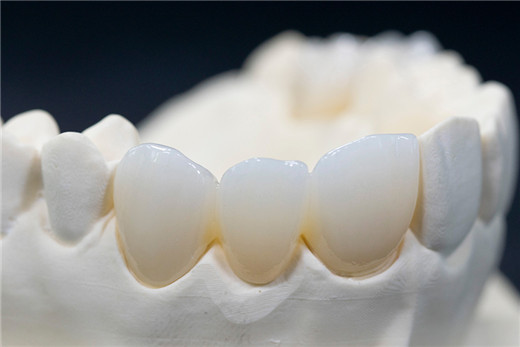
Personalization is a cornerstone of modern healthcare, and CAD/CAM excels in delivering tailored solutions. By analyzing a patient's unique oral anatomy through 3D scans, the technology creates restorations that match color, shape, and translucency precisely. This is especially beneficial for aesthetic zones, where natural appearance is paramount.
Data from aesthetic dentistry surveys show that 92% of patients are more satisfied with CAD/CAM outcomes due to their lifelike qualities. For implant-supported restorations, CAD/CAM ensures optimal alignment, improving function and longevity. Elderly patients or those with mobility issues particularly benefit from fewer visits, as evidenced by a study where CAD/CAM reduced treatment abandonment by 25% in such demographics.
In geo-targeted contexts, like bustling cities with high cosmetic demand, this personalization aligns with cultural emphases on appearance, leading to positive word-of-mouth and repeat visits.
Effective communication bridges the gap between dentist and patient, and CAD/CAM facilitates this through visual aids. Digital models allow dentists to demonstrate issues and proposed solutions interactively, demystifying complex procedures.
Patients often feel more informed and less anxious when they can see simulations of their treatment. A patient education study reported a 35% increase in compliance rates when digital visuals were used. This transparency builds trust, particularly in diverse communities where language barriers might exist, as visuals transcend words.

While initial costs for CAD/CAM-equipped practices may be higher, patients reap long-term savings. Fewer appointments mean less time off work and reduced travel expenses. Moreover, durable restorations lower the likelihood of replacements; CAD/CAM crowns boast a 10-15 year lifespan, per longevity studies.
In areas like Los Angeles, where healthcare costs are premium, this efficiency translates to value-driven care. Insurance data indicates that digital dentistry claims process faster, with approval rates 20% higher due to documented precision.
Consider a typical scenario: A patient with a fractured tooth. Using CAD/CAM, the dentist scans, designs, and mills a crown in under two hours. Post-treatment surveys from similar cases show satisfaction scores averaging 4.8/5, with comments highlighting "painless" and "quick" experiences.
Global adoption statistics underscore this: Over 60% of U.S. dental practices now use CAD/CAM, with patient feedback driving a 15% annual growth in digital procedures. In Europe, similar trends show reduced complication rates by 28%.
Despite its benefits, CAD/CAM requires skilled operators and initial investment. However, ongoing training and technological advancements mitigate these. Future integrations with AI promise even faster designs and predictive analytics for better outcomes.
CAD/CAM technology is more than a tool—it's a patient-centered revolution in dentistry. By offering faster, more precise, and comfortable treatments, it elevates the overall experience, fostering loyalty and better oral health. As digital dentistry continues to advance, patients worldwide, from urban hubs like Los Angeles to rural areas, stand to gain immensely. Embracing CAD/CAM means prioritizing not just teeth, but the people behind the smiles.

Dry & wet milling for zirconia, PMMA, wax with auto tool changer.
learn more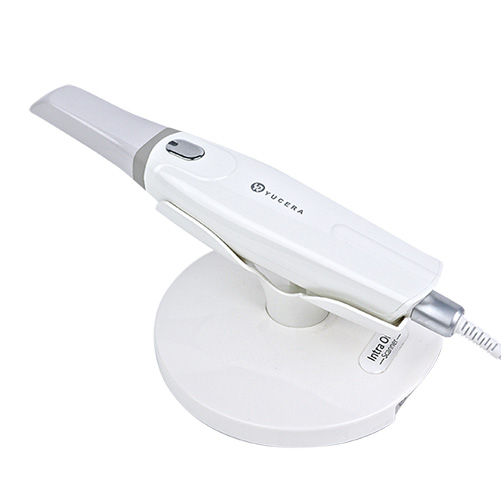
High-precision 3D scanning, AI calibration, full-arch accuracy.
learn more
40-min full sintering with 57% incisal translucency and 1050 MPa strength.
learn more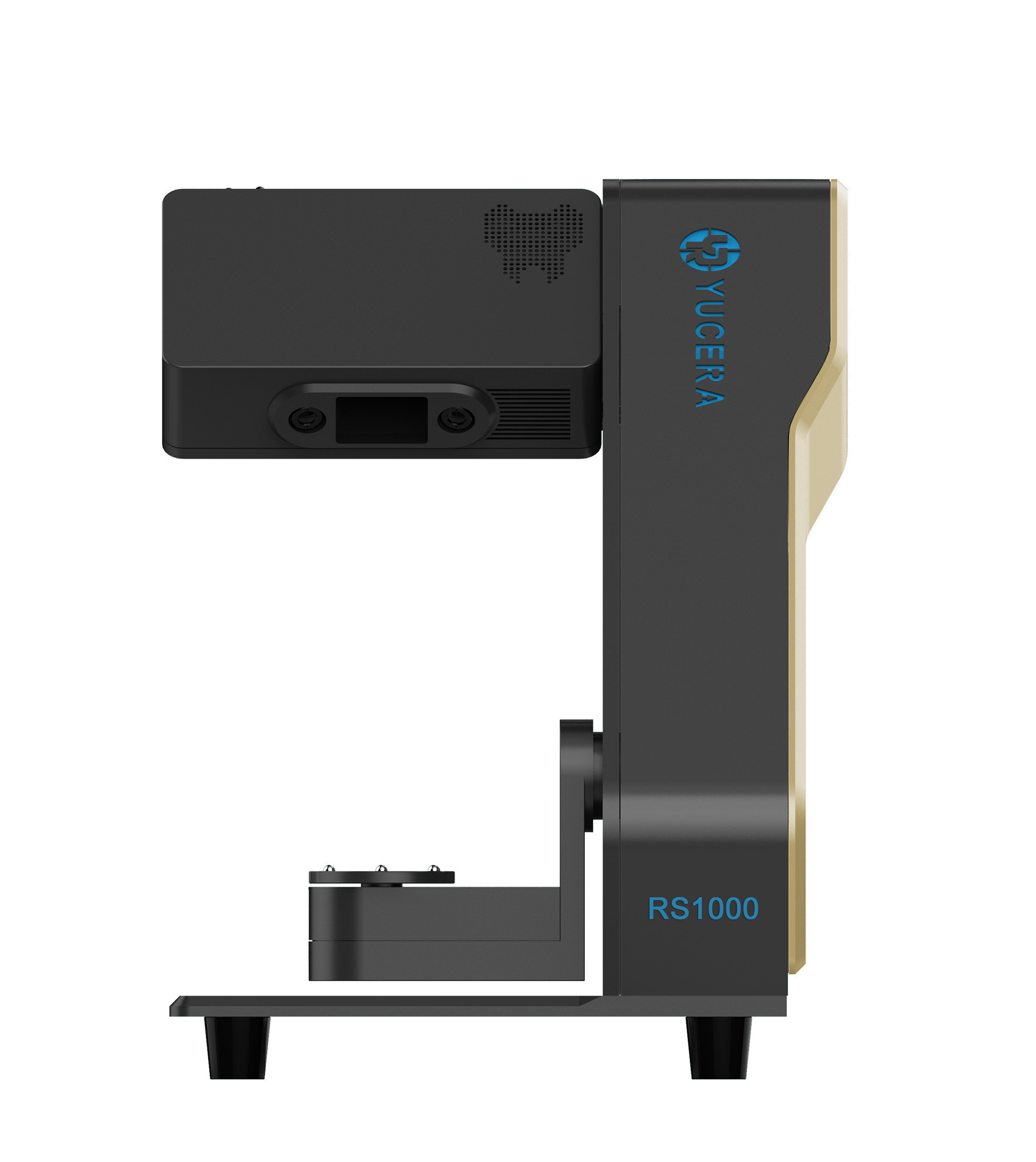
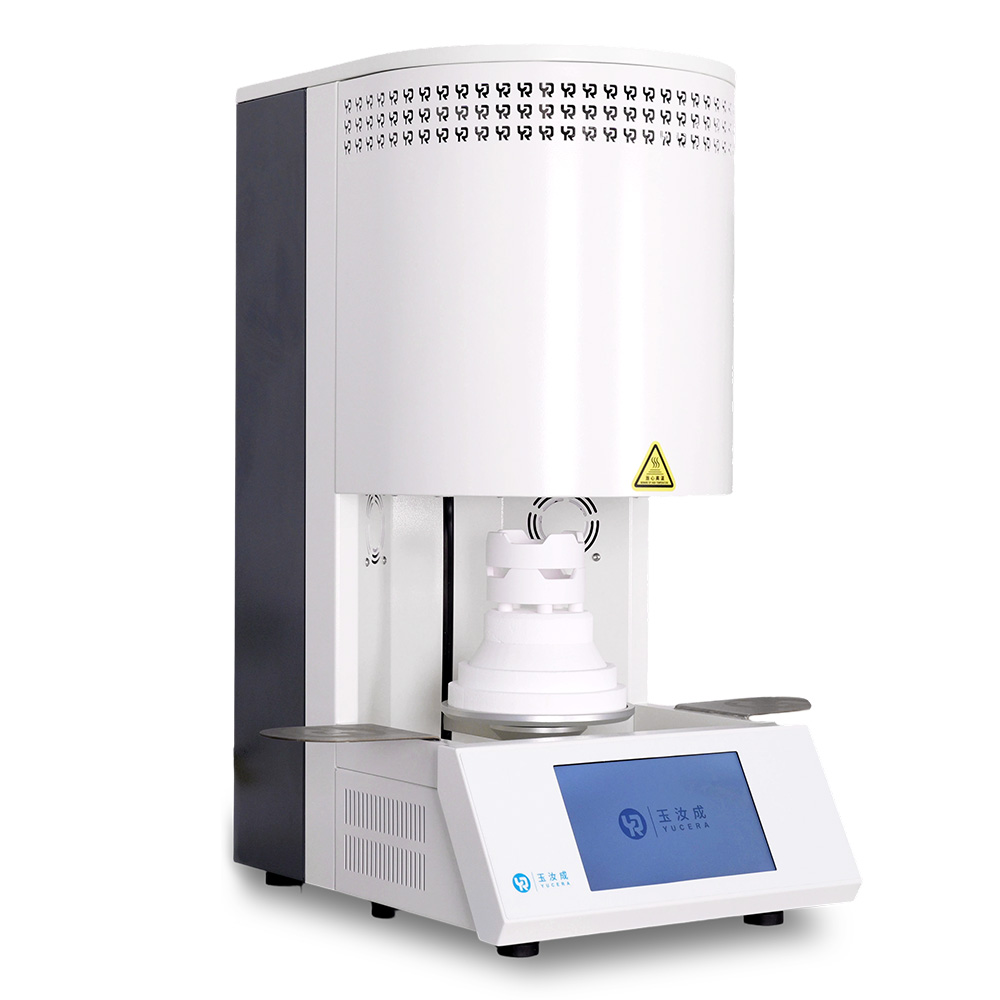
40-min cycle for 60 crowns, dual-layer crucible and 200°C/min heating.
learn more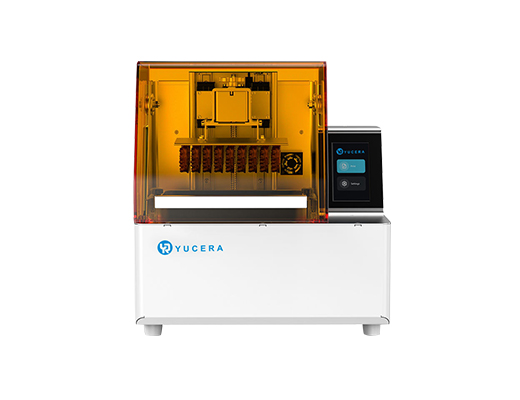
High-speed LCD printer for guides, temporaries, models with 8K resolution.
learn more